




Seal Notes
Home / Seal Notes

Seal Notes

Our editorial articles explain induction sealing in practical, production-focused terms. They cover common faults, liner selection, machine setup, safety and quality topics relevant to South African packers.

How Induction Sealing Works

How Induction Sealing Works

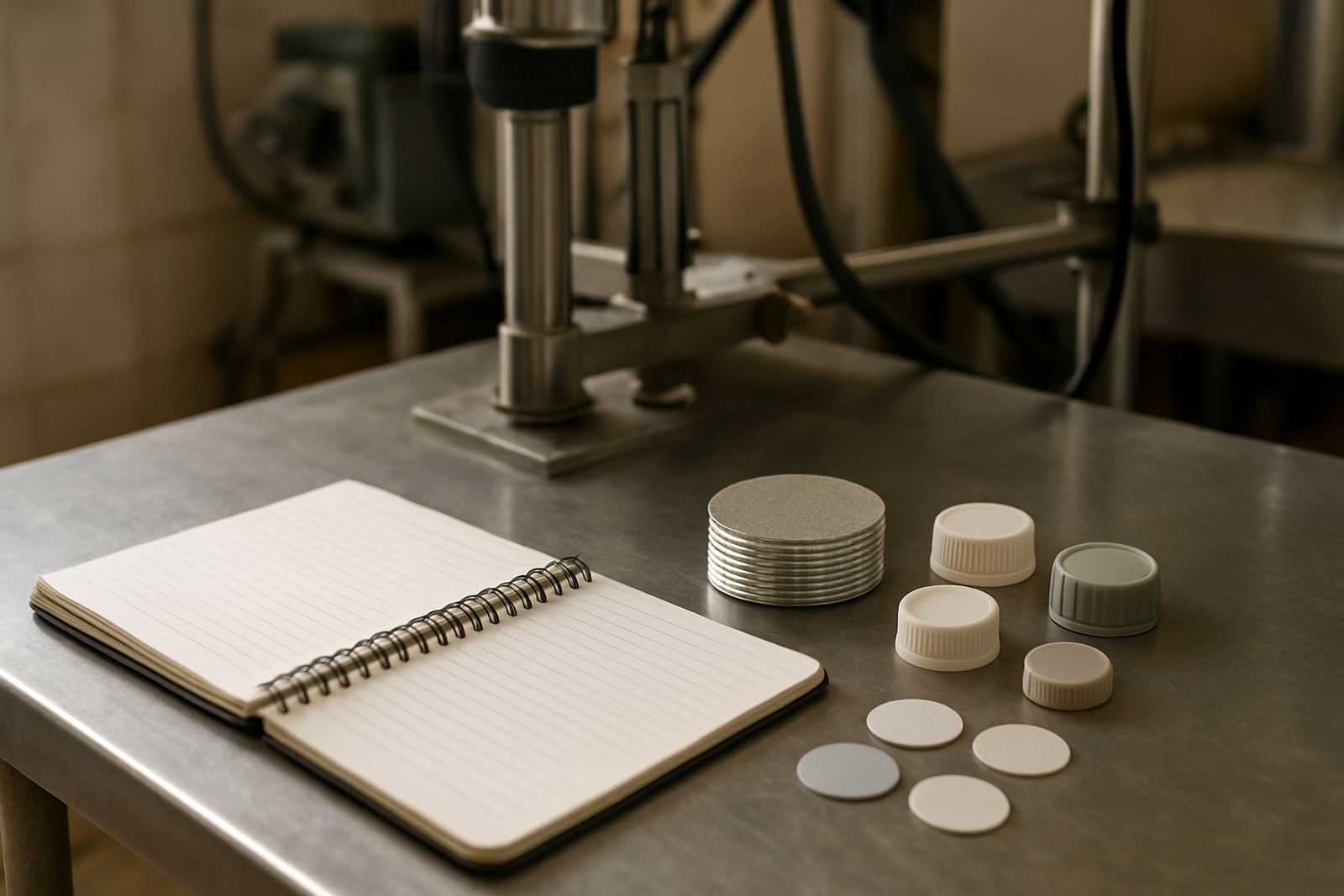
A plain-language overview of the sealing process from cap application to bonded foil.

Why Foil Liners Fail

Why Foil Liners Fail

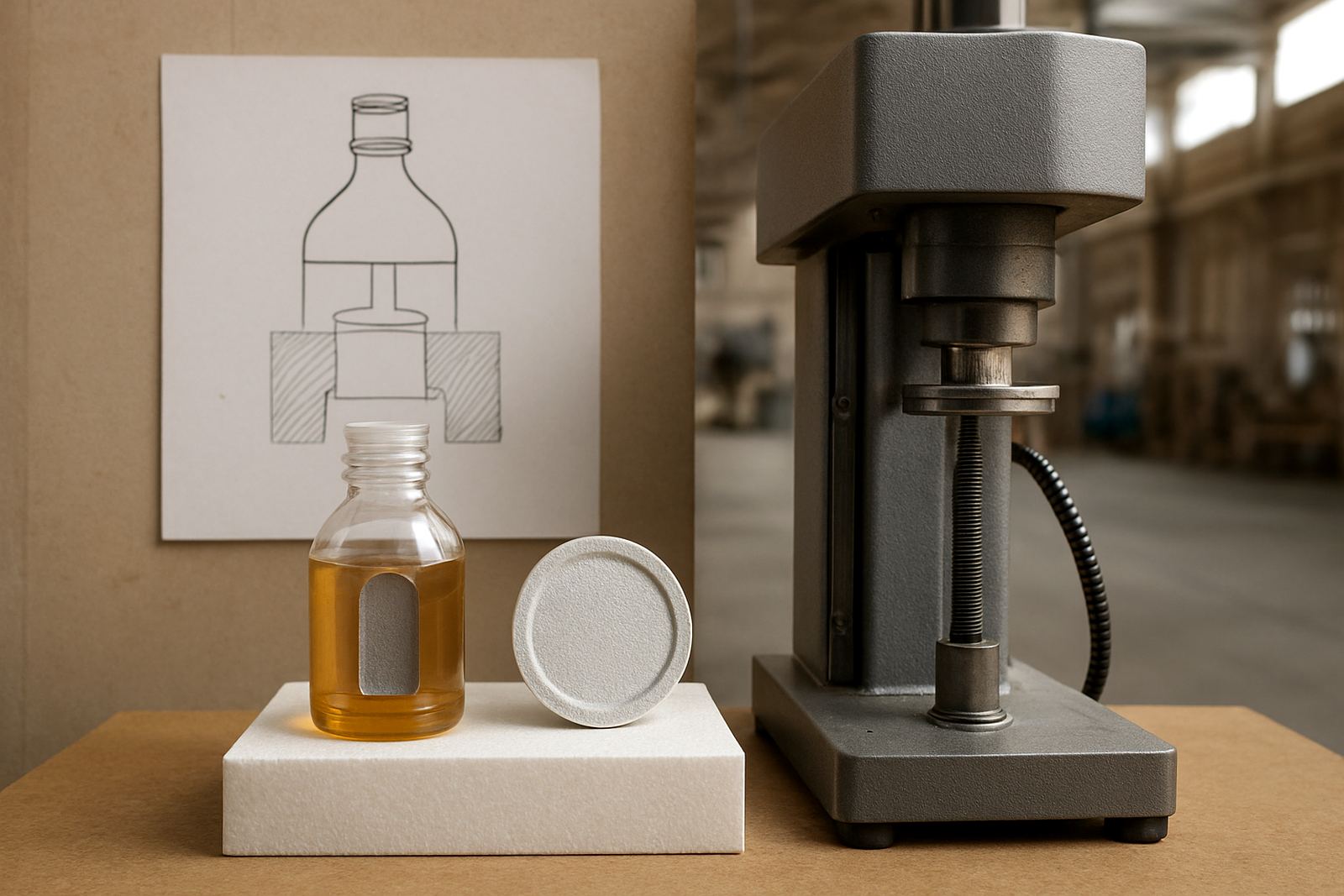
Common reasons seals do not bond properly and what to inspect first.

Cap Torque Basics

Cap Torque Basics

Why cap tightness affects induction sealing and how to check it consistently.

Choosing Liner Materials

Choosing Liner Materials

Key liner material options and how they relate to bottle and product type.

Bottle Neck Cleanliness

Bottle Neck Cleanliness

How residue on the neck finish can weaken or ruin a seal.

Sealing Glass Containers

Sealing Glass Containers

Important considerations when induction sealing onto compatible glass bottles and jars.

Sealing PET Bottles

Sealing PET Bottles

Tips for matching liners and settings to PET packaging applications.

Sealing HDPE Bottles

Sealing HDPE Bottles

A look at common HDPE sealing applications and bond challenges.

Heat and Seal Quality

Heat and Seal Quality

Why power, dwell time and line speed must be balanced carefully.

Liner Size Matching

Liner Size Matching

How diameter and cap fit influence sealing performance and appearance.

Tamper Evidence Benefits

Tamper Evidence Benefits

Why induction seals help build trust and product protection in retail packs.

Reducing Leaks In Transit

Reducing Leaks In Transit

Steps that improve pack security before distribution and export handling.

Powder Filling Seal Tips

Powder Filling Seal Tips

Practical ways to limit dust and protect the neck finish before sealing.

Liquid Splash Management

Liquid Splash Management

Managing splash and drips that interfere with foil bonding on liquid packs.

Wide Neck Sealing Notes

Wide Neck Sealing Notes

What changes when sealing tubs and jars with larger openings.

Small Cap Sealing Tips

Small Cap Sealing Tips

Advice for achieving consistent seals on narrow pharmaceutical-style caps.

Operator Checklist Startup

Operator Checklist Startup

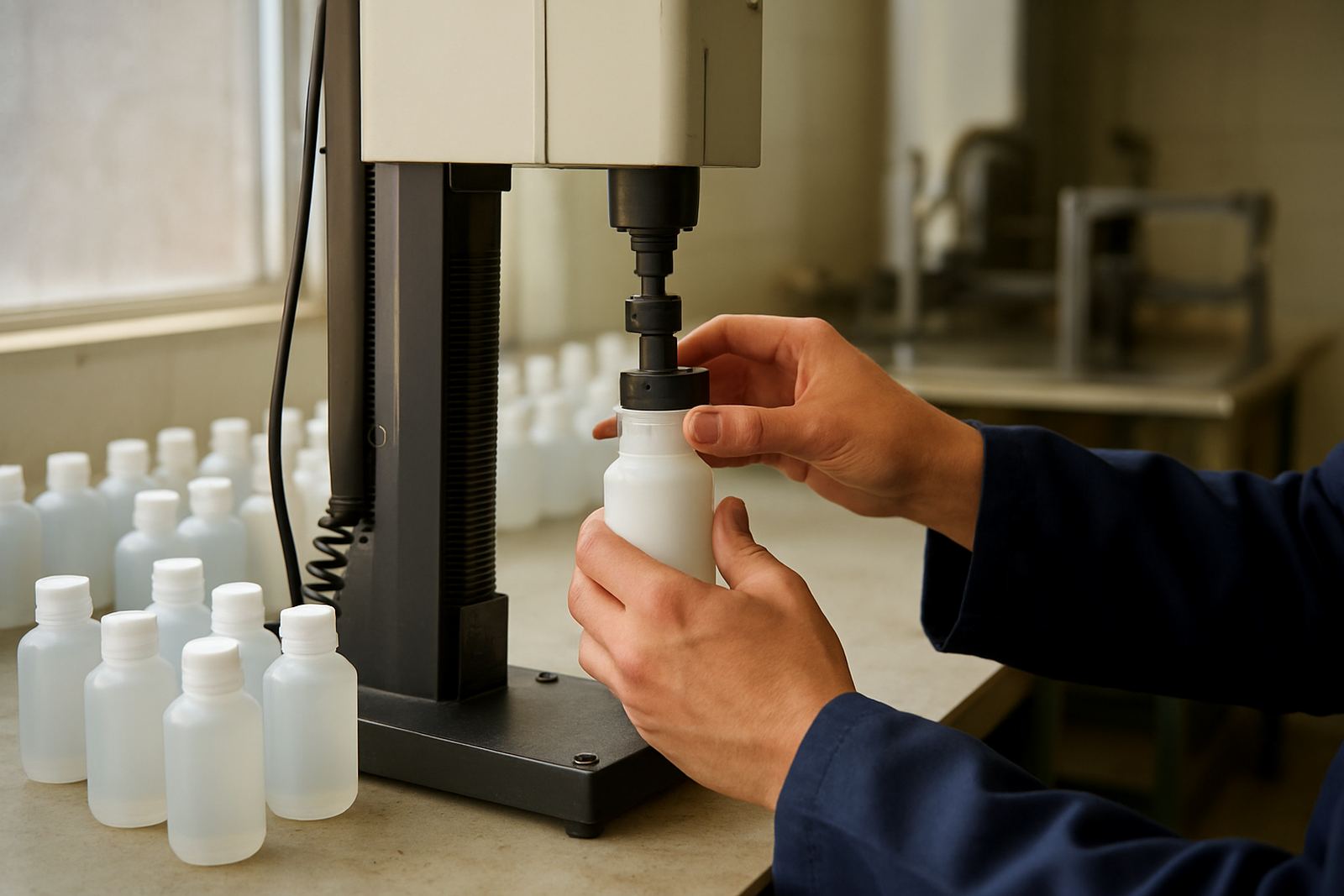
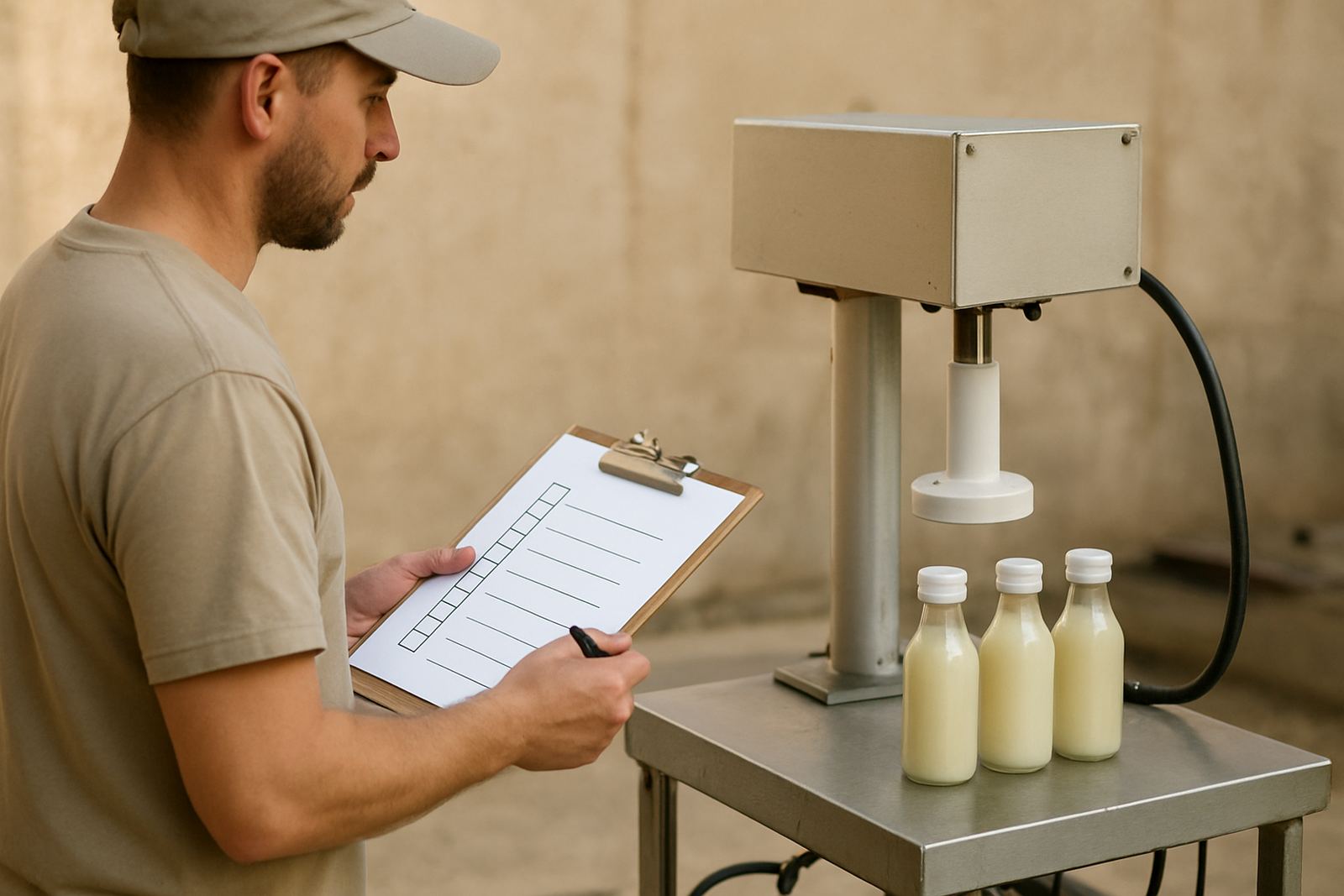
A simple startup checklist operators can use before production begins.

Operator Checklist Shutdown

Operator Checklist Shutdown

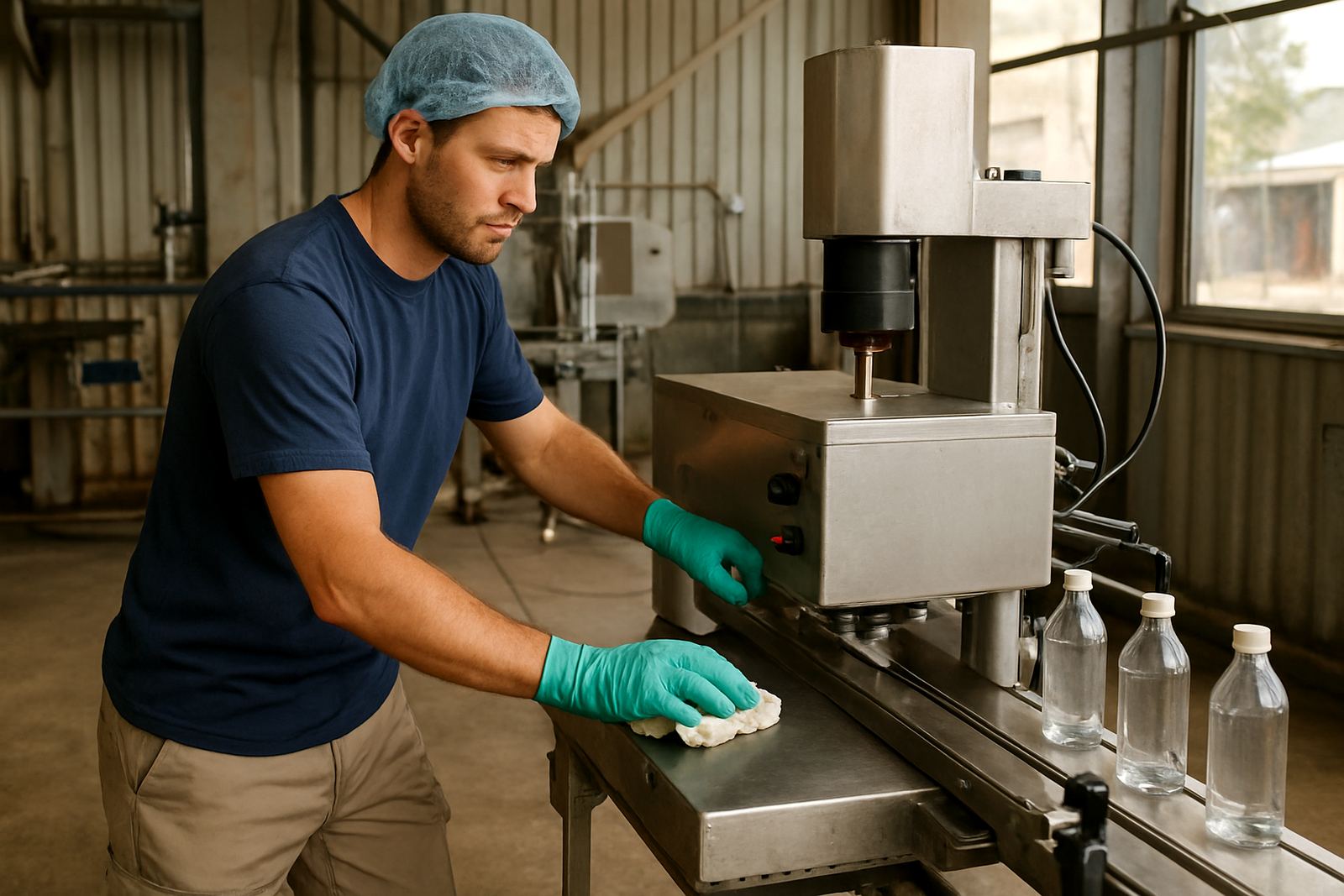
End-of-shift checks that help protect equipment and maintain reliability.

Daily Line Inspections

Daily Line Inspections

Routine inspections that catch issues before they become costly rejects.

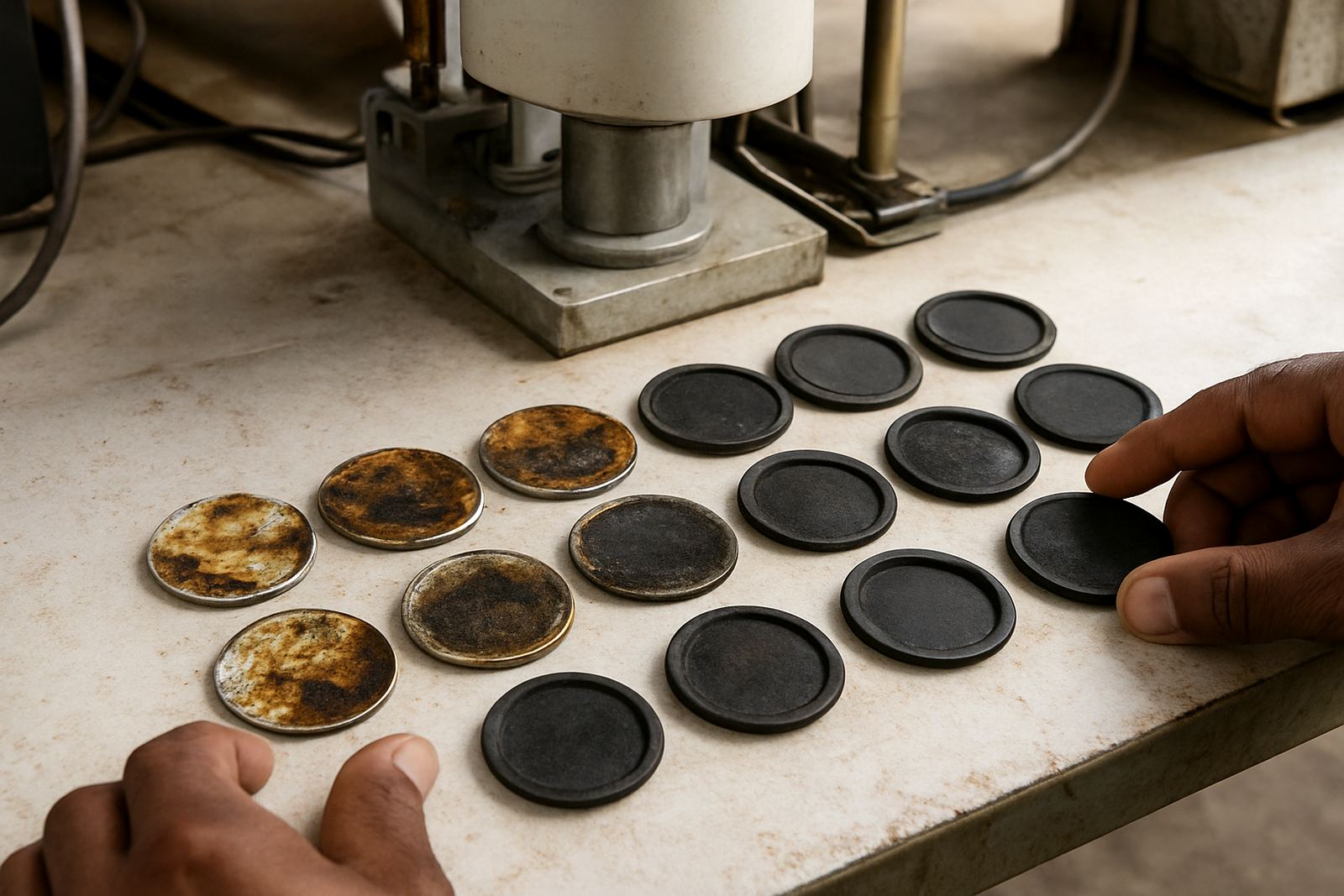
Common Seal Defects

Common Seal Defects

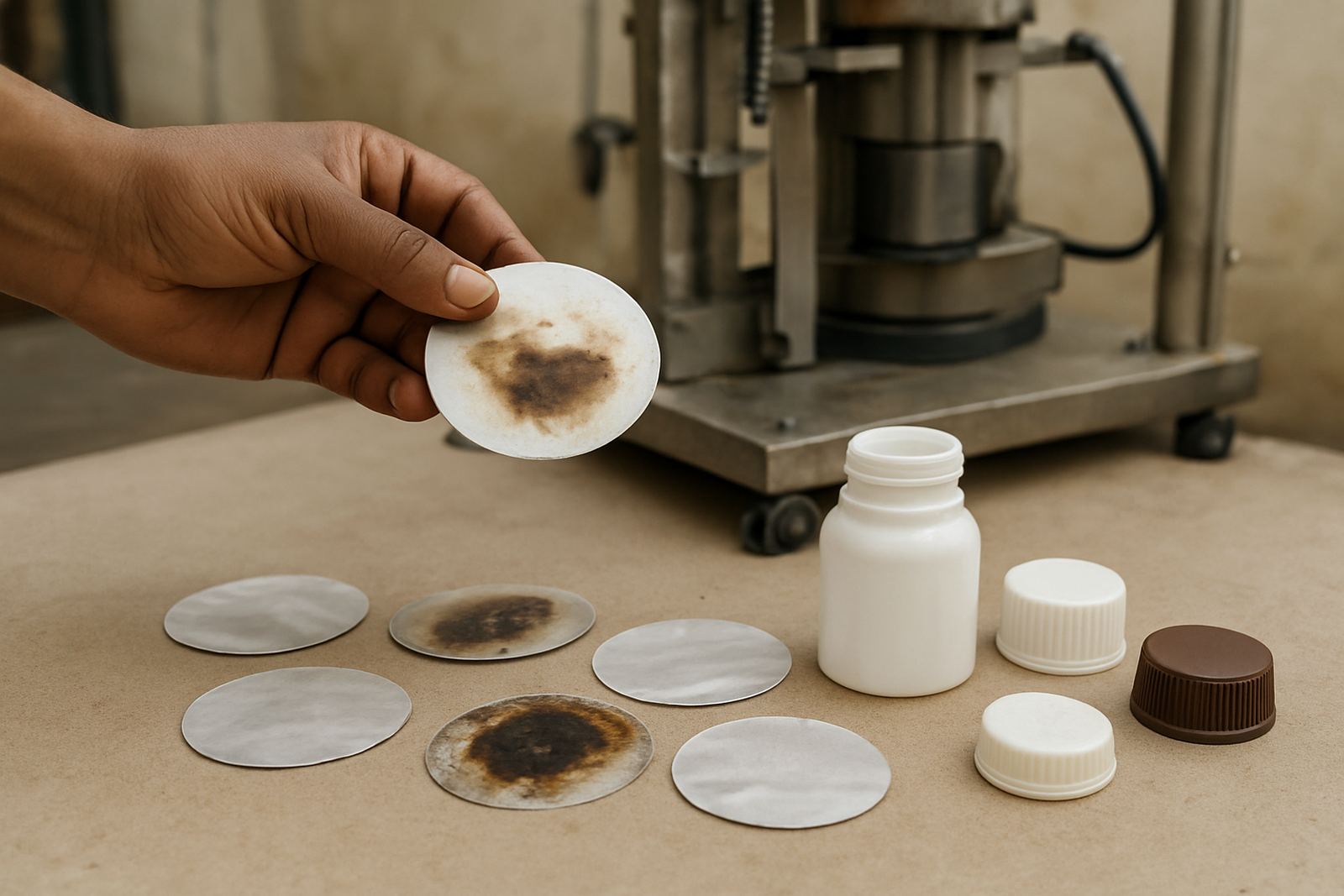
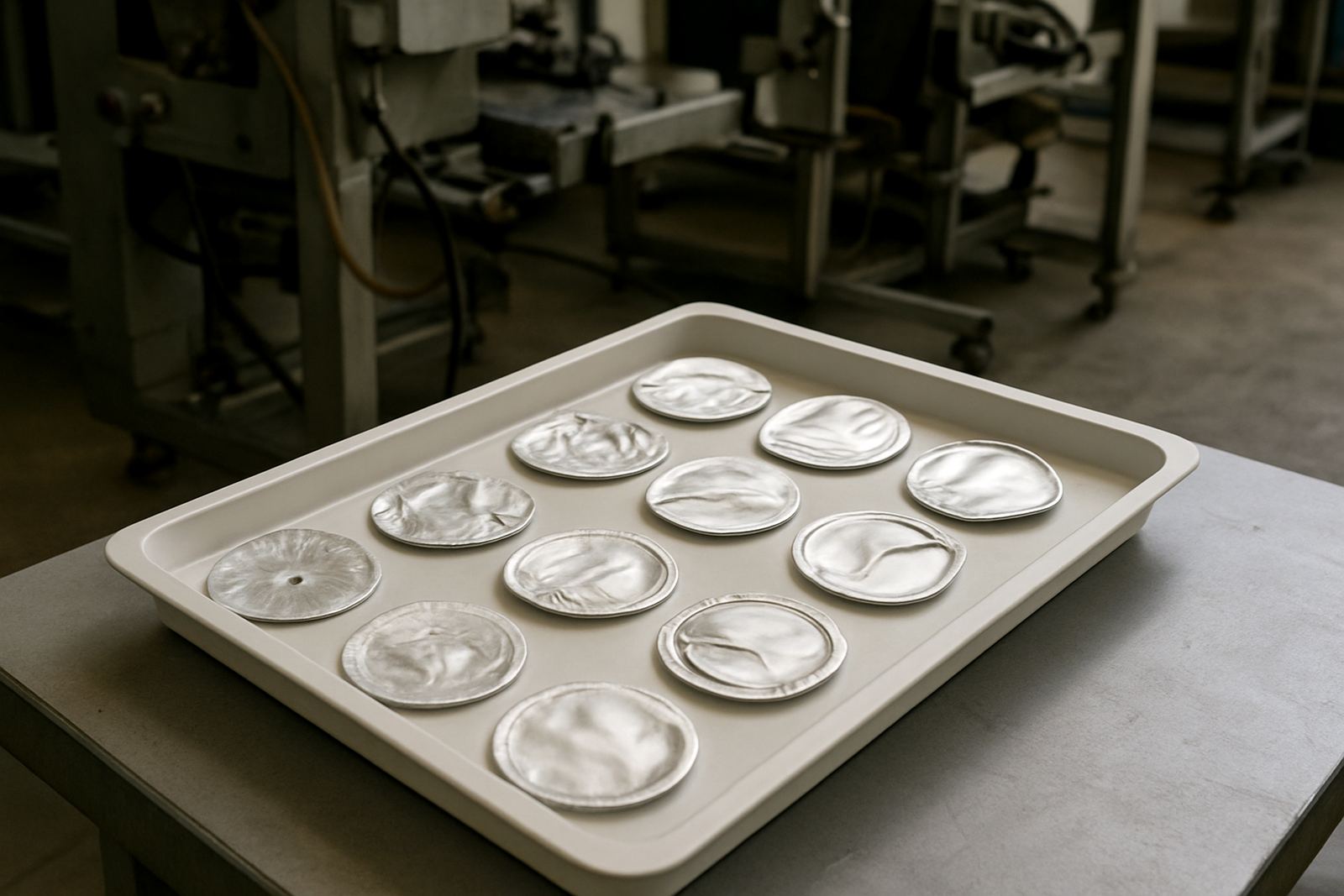
Examples of partial bonds, scorch marks and weak seals with possible causes.

Foil Peel Force Tests

Foil Peel Force Tests

How peel testing helps compare seal strength across trial settings.

Sealer Height Setting

Sealer Height Setting

Why head height matters and how to adjust it safely.

Conveyor Speed Effects

Conveyor Speed Effects

The relationship between line speed and seal quality on continuous systems.

Air Cooled Vs Water Cooled

Air Cooled Vs Water Cooled

A practical comparison of cooling types for different production demands.

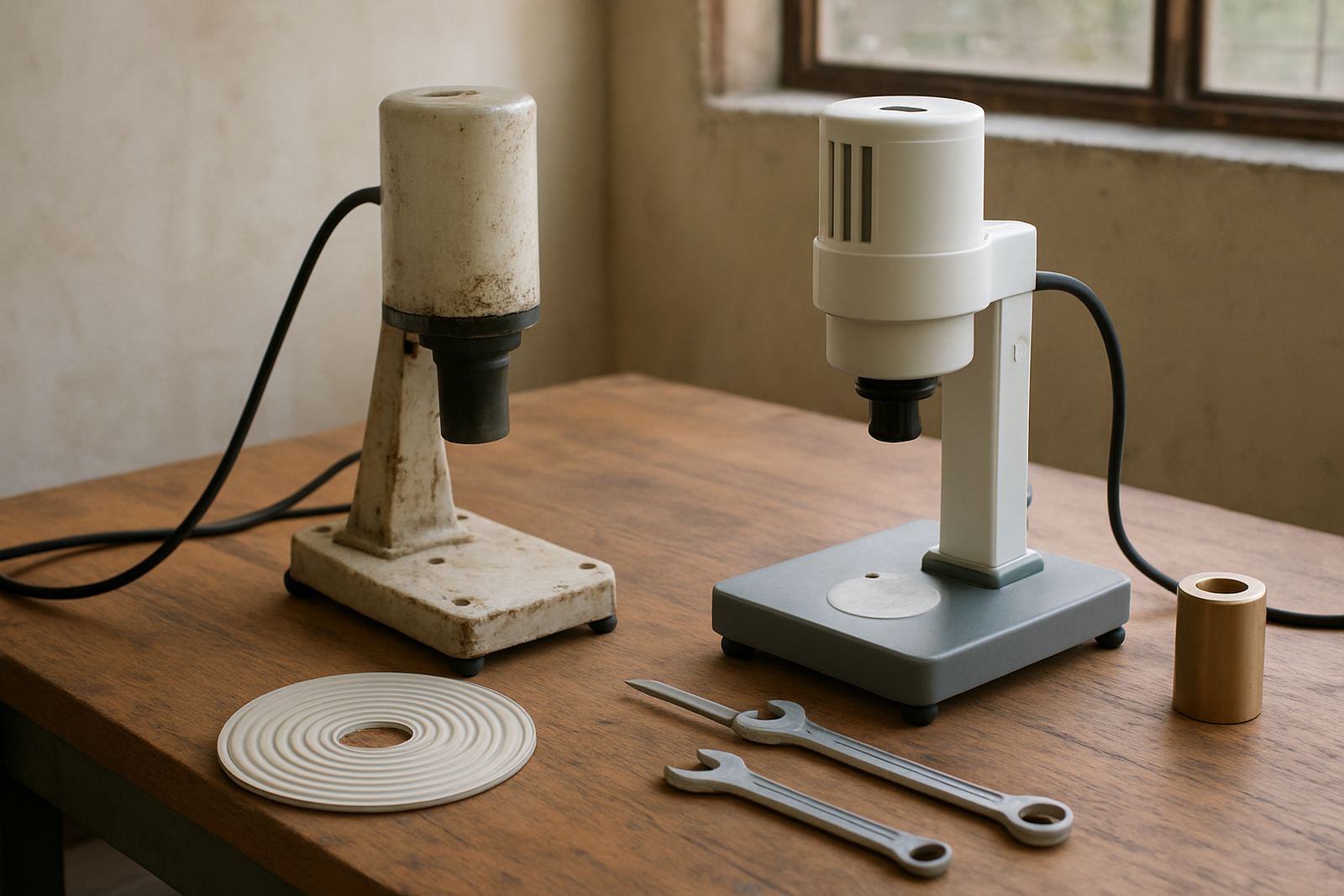
When To Replace Coils

When To Replace Coils

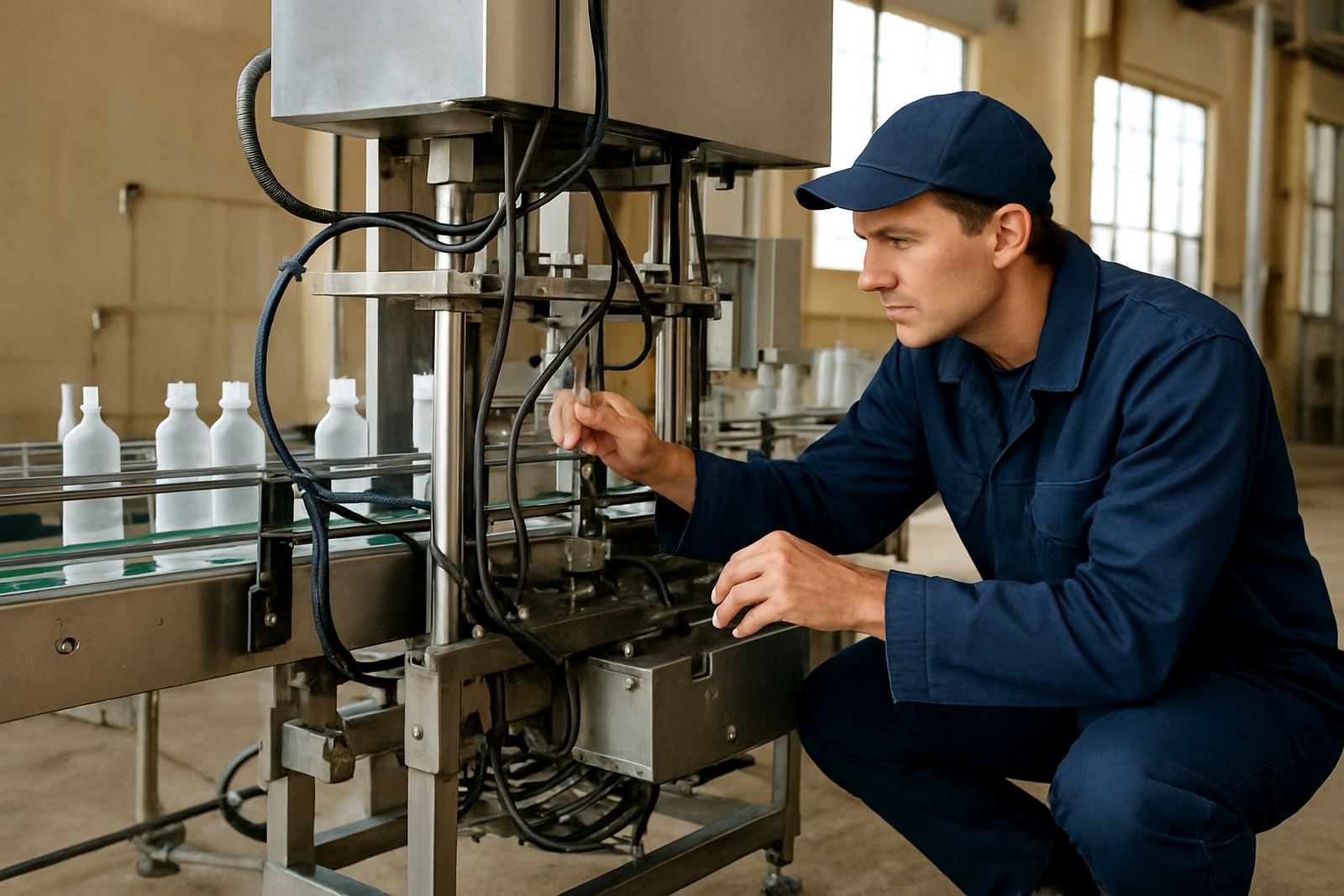
Signs of coil wear and why timely replacement matters for stable sealing.

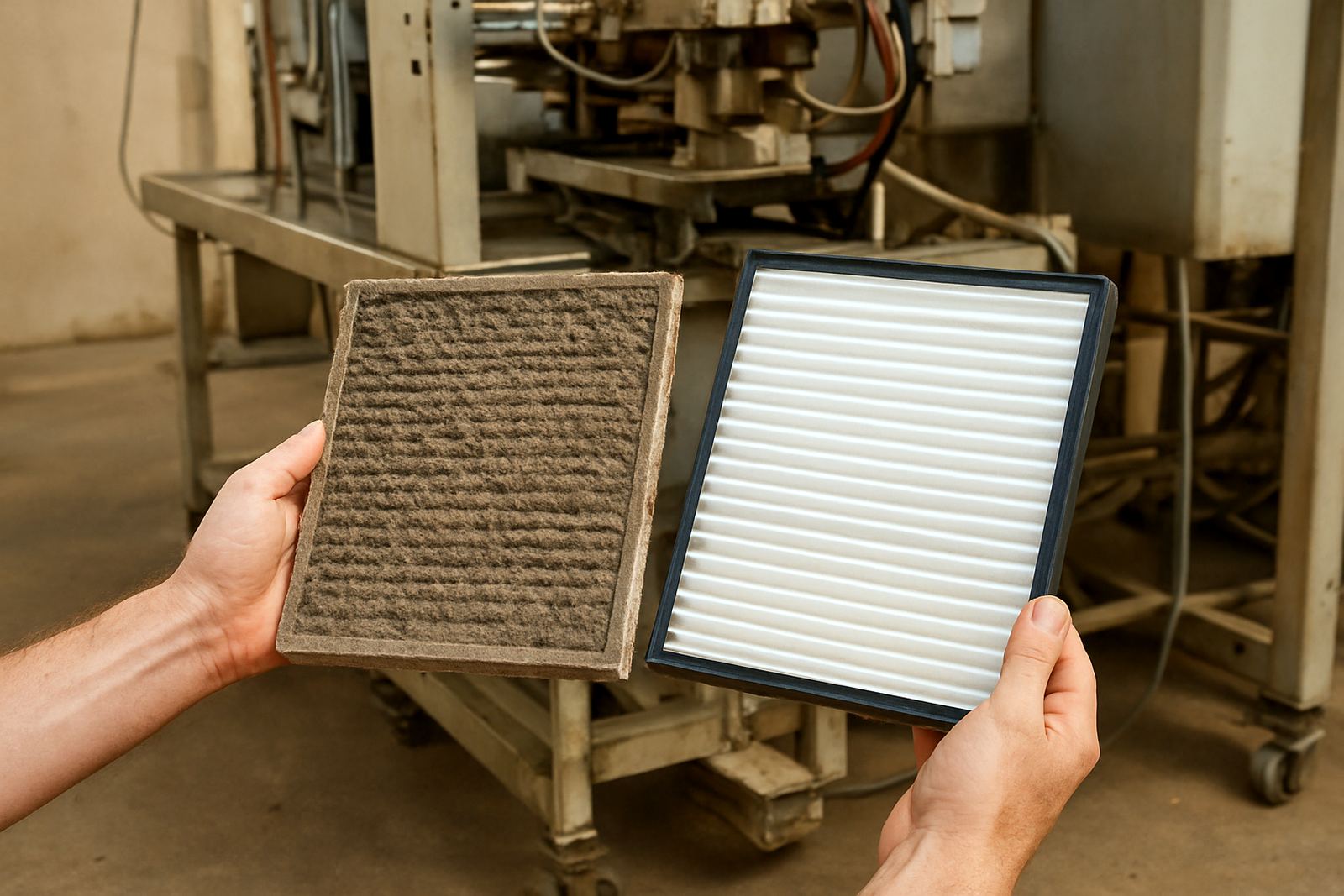
Fan Filter Maintenance

Fan Filter Maintenance

Why clean airflow matters on air-cooled induction sealing equipment.

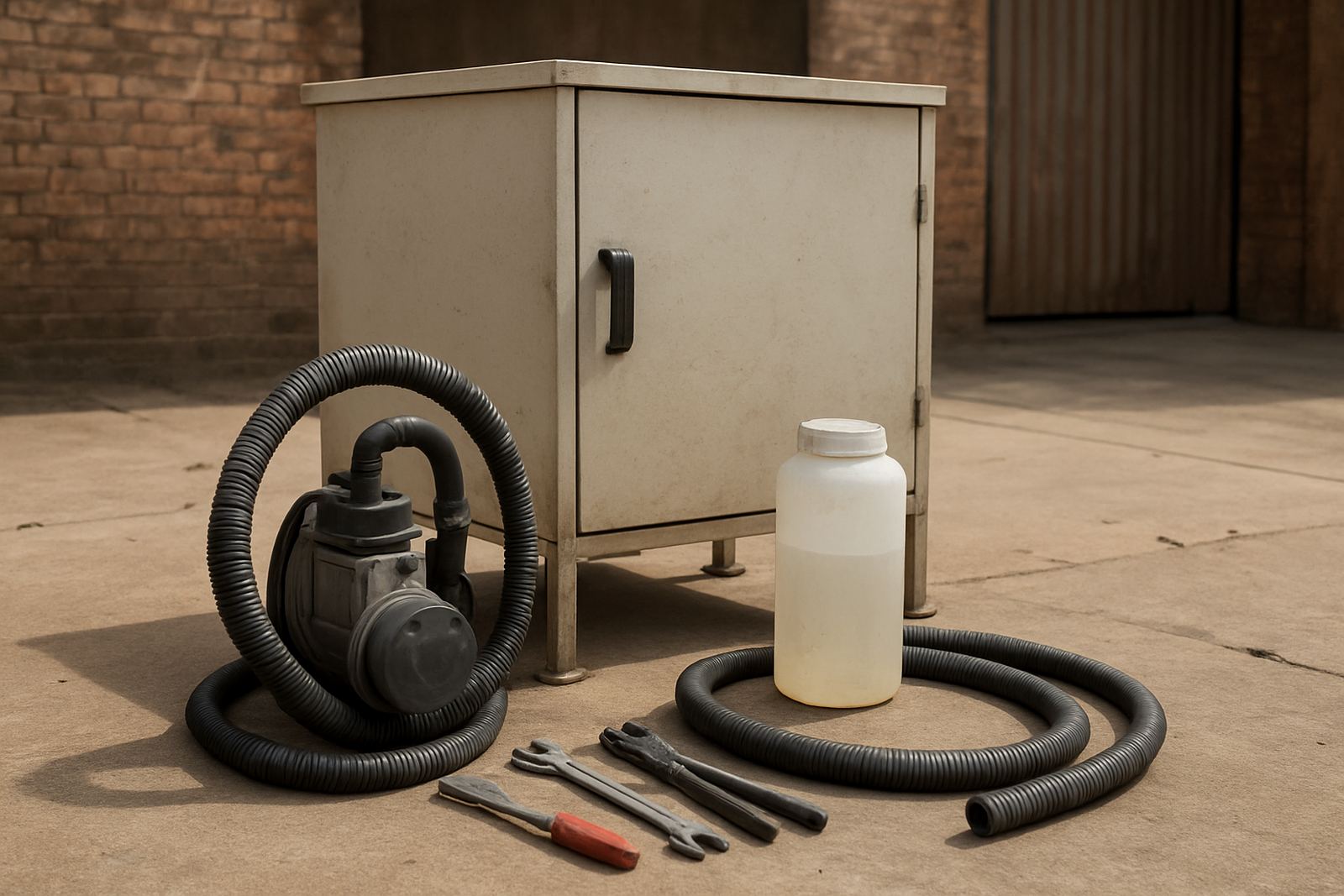
Cooling System Care

Cooling System Care

Basic checks for pumps, hoses and water flow on cooled systems.

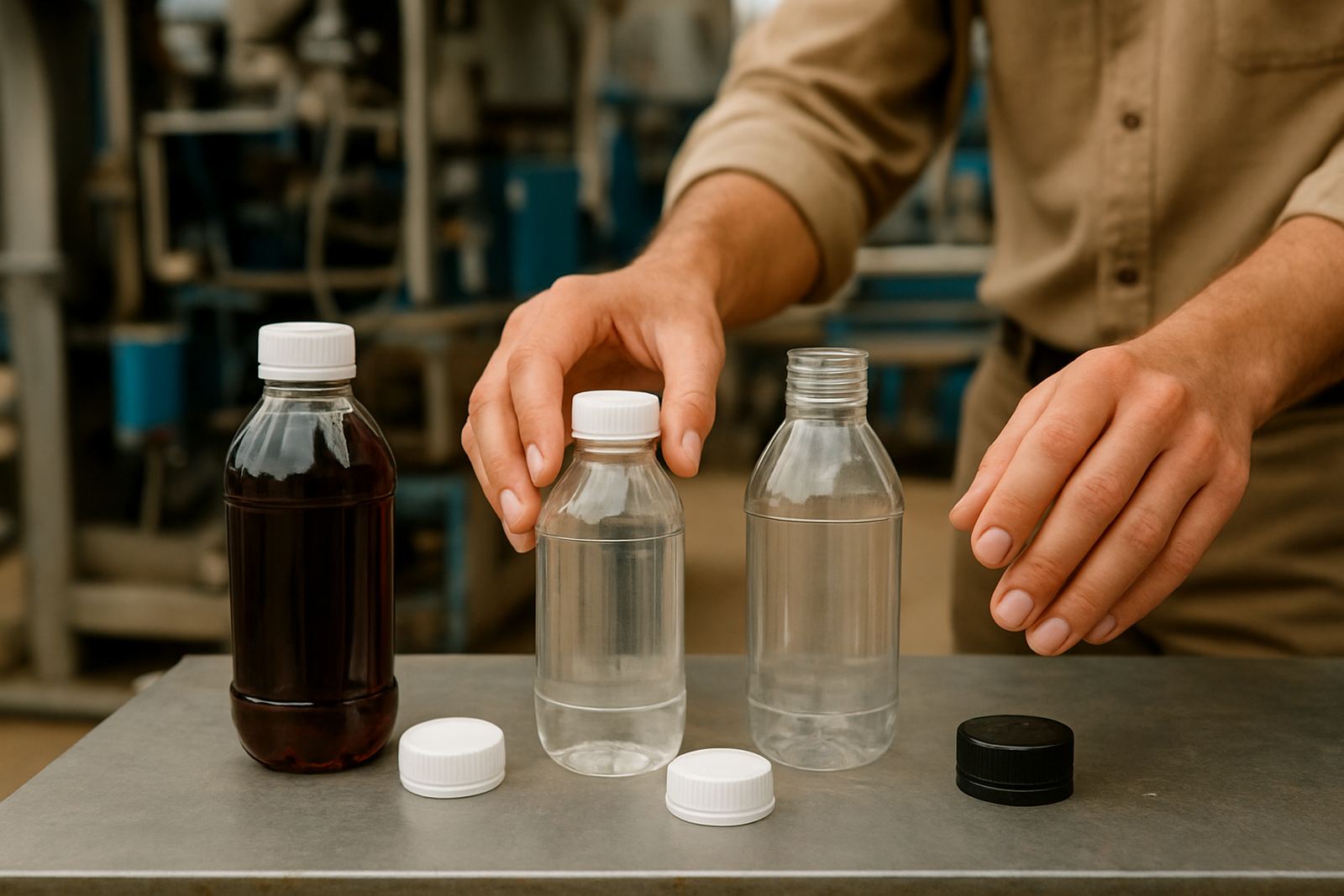
Matching Caps And Bottles

Matching Caps And Bottles

Why closure fit has a direct effect on induction sealing success.

Retort And Heat Exposure

Retort And Heat Exposure

Considerations where sealed packs may see heat after filling and sealing.

Storage Of Foil Liners

Storage Of Foil Liners

How to store liner stock to reduce damage, contamination and mix-ups.

Batch Changeover Tips

Batch Changeover Tips

Ways to reduce setup time when moving between bottle or cap sizes.

Trial Run Planning

Trial Run Planning

What to prepare before a sealing trial to get useful results quickly.

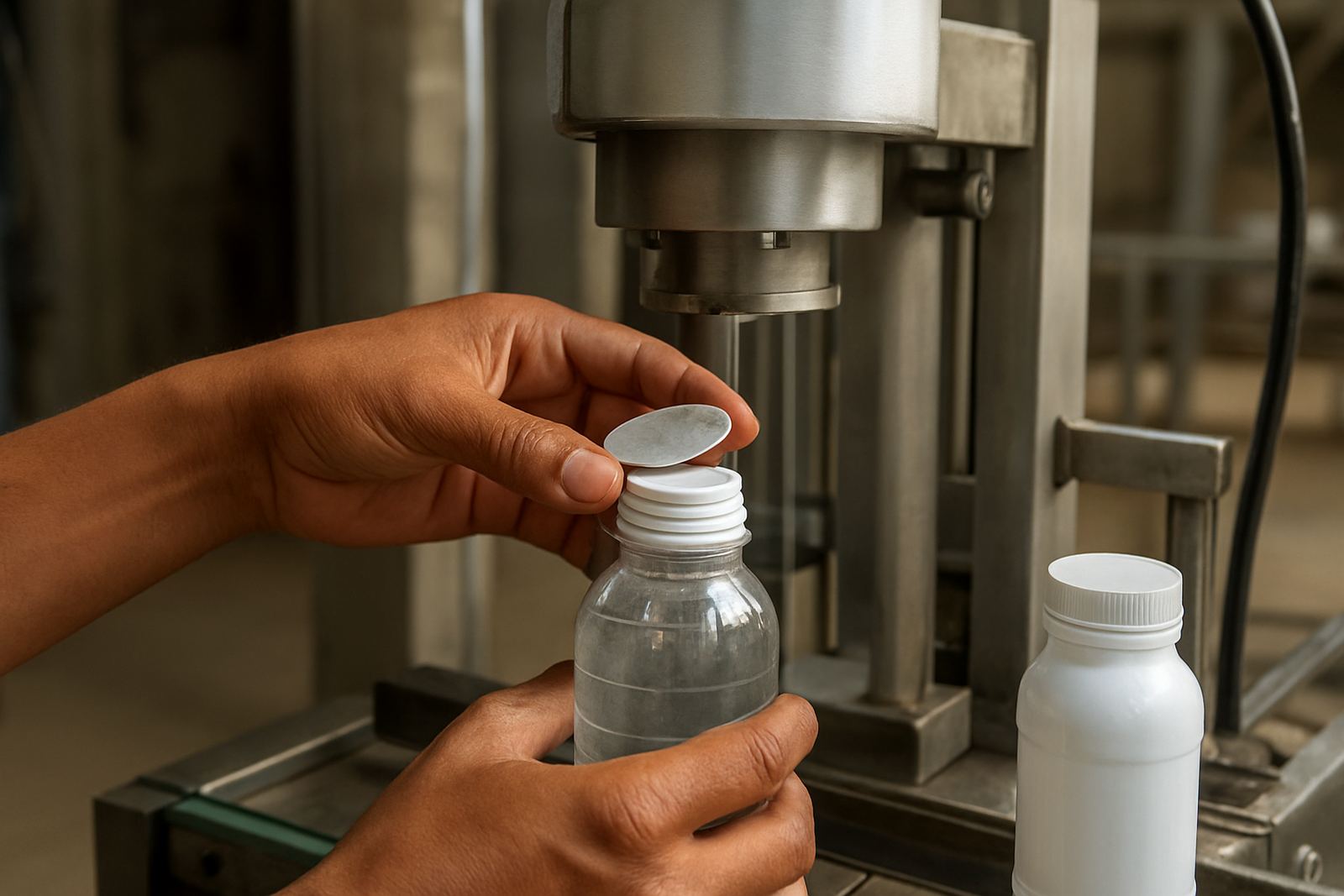
Pharma Sealing Checks

Pharma Sealing Checks

Important checks often used on medicine bottle induction sealing lines.

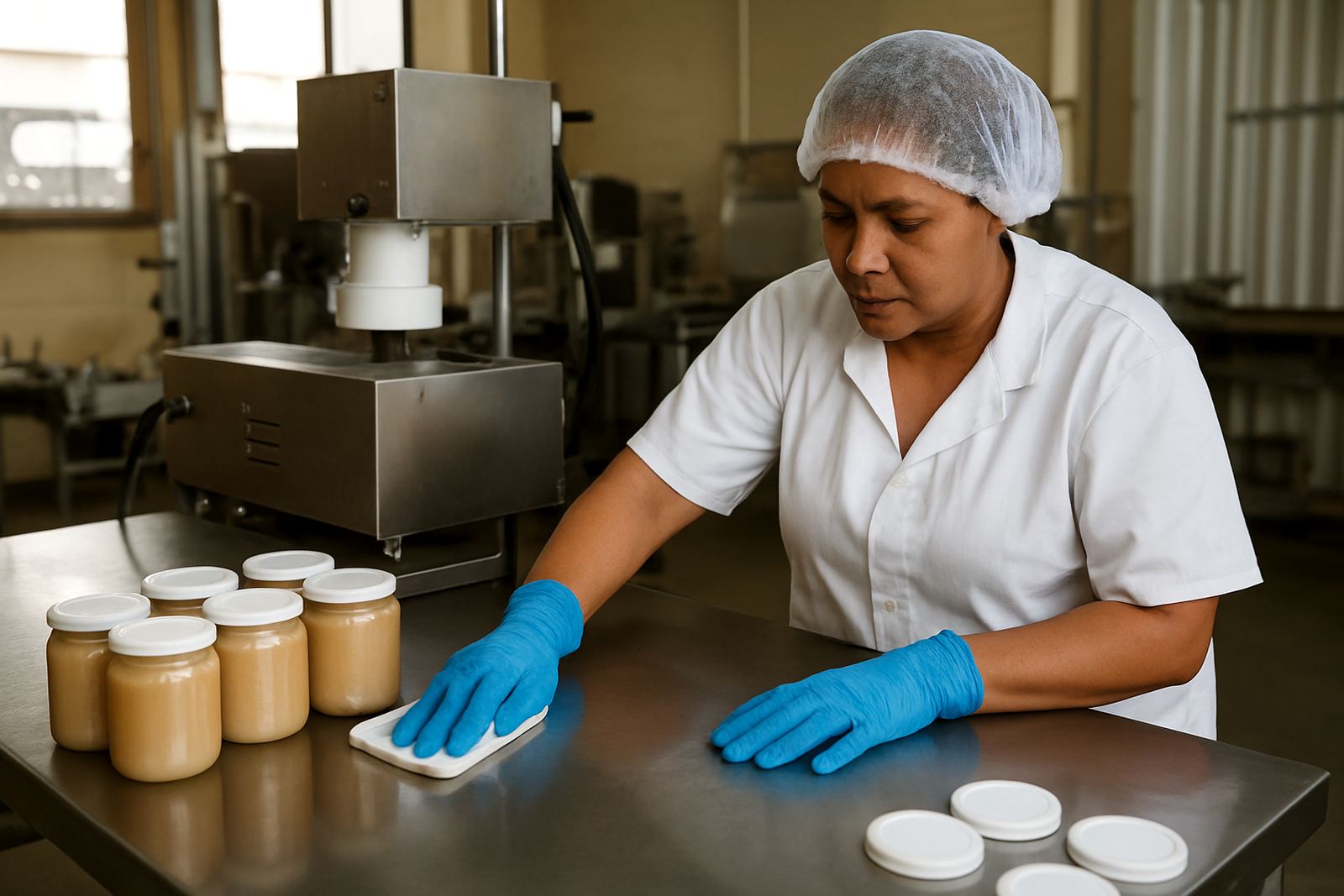
Food Packaging Seal Hygiene

Food Packaging Seal Hygiene

Clean working practices that support safe, reliable foil sealing in food packing.

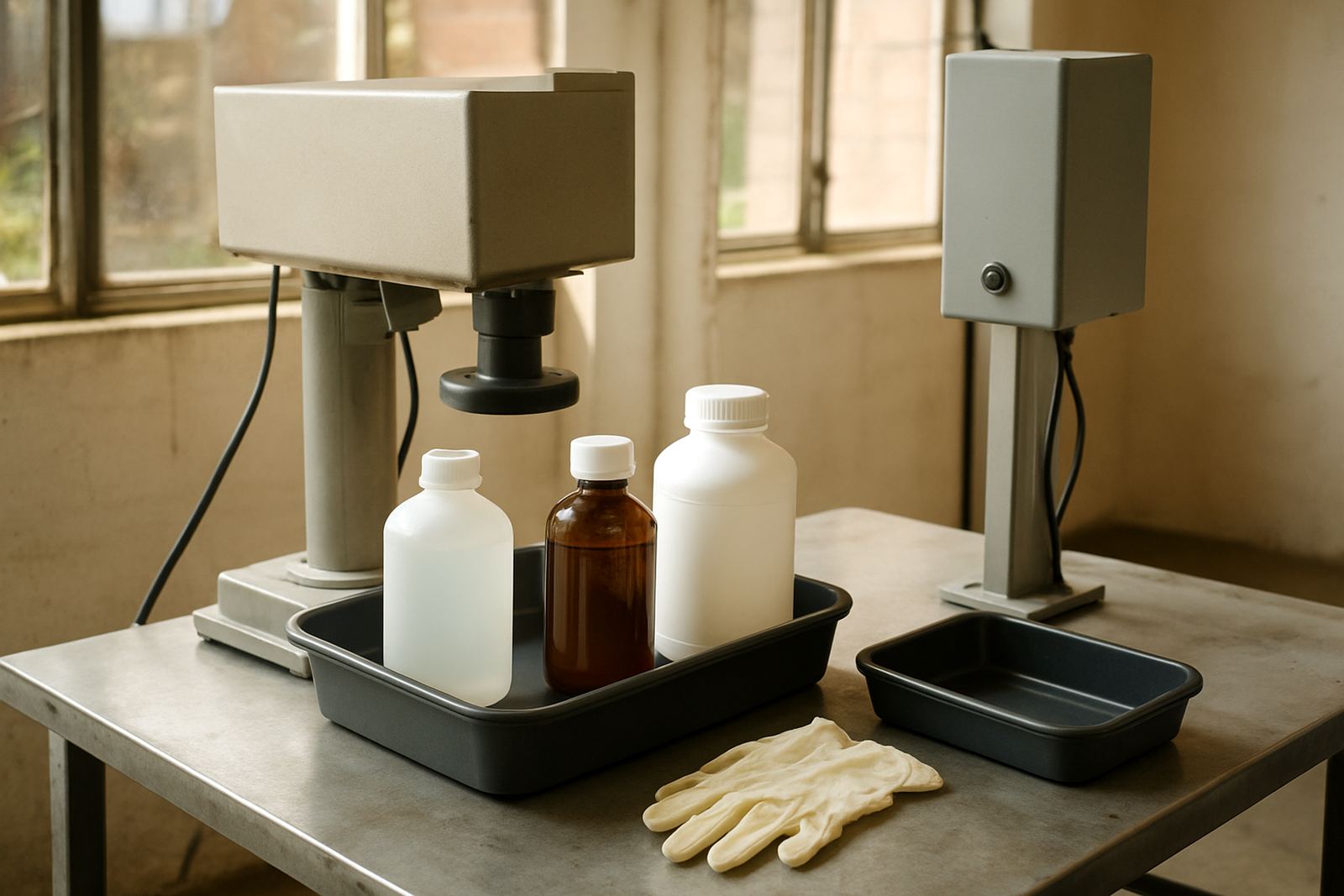
Chemical Packaging Cautions

Chemical Packaging Cautions

Material and handling points to review on chemical packaging lines.

Solving Weak Bonds

Solving Weak Bonds

Troubleshooting tips for seals that peel too easily or fail early.

Solving Scorched Liners

Solving Scorched Liners

How overheating happens and what to change to avoid liner damage.

Reject Rate Reduction

Reject Rate Reduction

A practical look at cutting waste on induction sealing lines.

Line Documentation Basics

Line Documentation Basics

The records that help teams track settings, faults and approved sealing conditions.

What these seal notes cover

These articles are written for packers, quality teams, maintenance staff and line supervisors who need clear guidance on induction sealing. The focus is practical: what the seal does, how it fails, what to check on the line, and how to keep output steady when shifts are busy or power supply is not ideal.

We cover food, pharmaceutical and chemical packing conditions across Jacobs, Pinetown, Prospecton, Pietermaritzburg, Richards Bay and beyond. That includes humid coastal stores, hotter inland sites, and lines that must restart after load shedding without wasting caps or product.

  • Common sealing faults and what they usually mean
  • Liner selection for different bottle and cap types
  • Machine setup, power settings and line speed
  • Safety, validation and routine maintenance checks

How to choose the right article

If you are solving a current problem, start with the fault guides. If you are planning a new line or changing packs, go to the setup and liner selection notes. If your team is new, the training and validation articles are usually the best first read.

For production teams in South Africa, the right note often depends on the pack format as much as the product. A food jar with a short fill life, a pharma bottle with tighter traceability needs, and a chemical container exposed to heat in transit will not all need the same approach.

  • New line commissioning: choose setup and validation notes first
  • Seal failures: start with fault diagnosis and inspection checks
  • Cost control: read liner matching and preventive maintenance articles
  • Team training: use operator-focused guides before technical specs

Common faults explained in plain language

One reason these notes are useful is that they do not treat every failed seal the same way. Poor bond, foil lift, panel scorching, uneven heating and cap distortion can all come from different causes. The articles explain how to separate a liner issue from a cap, container or machine setting problem.

That matters on lines where product changeovers happen often or where caps arrive from different suppliers. A seal that looks acceptable in the morning can fail by afternoon if line speed drifts, the head height is off, or the bottles are coming through with contamination on the rim.

  • Uneven seal lines can point to head alignment or bottle height variation
  • Weak peel strength may come from liner choice, product splash or poor dwell time
  • Scorching or wrinkling can indicate heat setting or cap material issues
  • Intermittent failures often trace back to speed changes or worn components

Liner matching for food, pharma and chemicals

Choosing a liner is not guesswork. Our notes explain how to match the liner to the cap, the bottle neck finish and the product itself. That includes dry goods, liquids, powders and volatile or aggressive chemical fills that need careful material compatibility.

We also cover what to check before ordering in bulk. A liner that performs well on one container can give trouble on another if the closure torque, neck shape or fill residue changes. In humid Durban conditions, storage and handling of liners also matters more than many teams expect.

  • Check the container mouth size and cap thread before ordering
  • Match the liner to the product, storage temperature and shelf life target
  • Confirm whether your pack needs tamper evidence, freshness protection or leak resistance
  • Store liners dry, clean and away from heat where possible

Setup, validation and operator training

Good sealing results come from a repeatable process, not just the machine itself. These articles explain practical setup checks, from head position and line speed to bottle stability and cap application. They also cover validation steps that help teams prove the seal is doing its job before release.

For sites in Pinetown, Jacobs or Prospecton, where production pressure is high, operator habits make a big difference. A short pre-start check can prevent a full pallet of rejects later. Small slips in set-up, haywire not obvious at first, often show up only after a few hours of running.

  • Pre-start checks for head height, cap feed and conveyor flow
  • Basic validation methods for seal strength and repeatability
  • Operator training points for shift handovers and changeovers
  • Simple records that help with audits and traceability

Maintenance, repairs and keeping lines running

Our maintenance notes focus on the parts that matter day to day: inspection, cleaning, spare parts planning and fault response. They are written for teams that need dependable output, not just a machine manual. When a line stops, the guide should help you decide what to check first and when to call for support.

We also explain how preventive maintenance supports sealing quality over time. This includes coil condition, wear points, belt and conveyor checks, and calibration verification. For plants affected by power interruptions, the notes also show what to inspect after a restart so you do not lose a shift to avoidable faults.

  • Routine checks that help reduce unexpected downtime
  • When to replace worn parts before they fail
  • How to spot early signs of seal drift on a busy line
  • What to record after breakdown repairs or commissioning

Questions we get asked

Who should read the Seal Notes hub?

Packers, production managers, maintenance teams and quality staff who work with induction sealing on food, pharmaceutical or chemical lines.

Are the articles useful for small and large plants?

Yes. The notes are practical for single-line packers, contract packers and larger sites with multiple shift teams.

Do the notes help with sealing problems after load shedding?

Yes. Several articles cover restart checks, power-related setup issues and the faults that can appear after an interruption.

Planning something? Send the team a message.

Contact form