Why a visible seal changes how customers judge a pack
A retail pack has to do more than hold the product. It has to answer the first question a buyer asks without words: has this been opened before? An induction seal gives that answer fast. When the liner is properly bonded to the container, the pack carries a clear sign that the contents were protected from filling to shelf. That matters in supermarkets, pharmacy counters, wholesalers and spaza supply chains where packs may be handled many times before purchase.
For many customers, tamper evidence is not a technical detail, it is a trust signal. If the cap looks neat and the seal is intact, the buyer is less likely to doubt the contents. That trust can support repeat sales, reduce complaints and make a product easier to place with distributors who care about pack condition. In busy retail environments, damaged or missing seals can turn a good product into a return.
- Shows that the product has not been casually opened
- Helps staff and shoppers check pack integrity at a glance
- Reduces disputes over whether contamination happened before purchase
How induction sealing supports food, pharmaceutical and chemical packs
Different sectors rely on tamper evidence for different reasons, but the principle stays the same. In food packs, a seal helps protect freshness and reduce the risk of leaks during transport. In pharmaceutical packs, it supports hygiene and helps reassure the customer that tablets, syrups or powders have stayed closed. In chemical containers, it helps prevent spills and unwanted handling, which is important for safety and stock control.
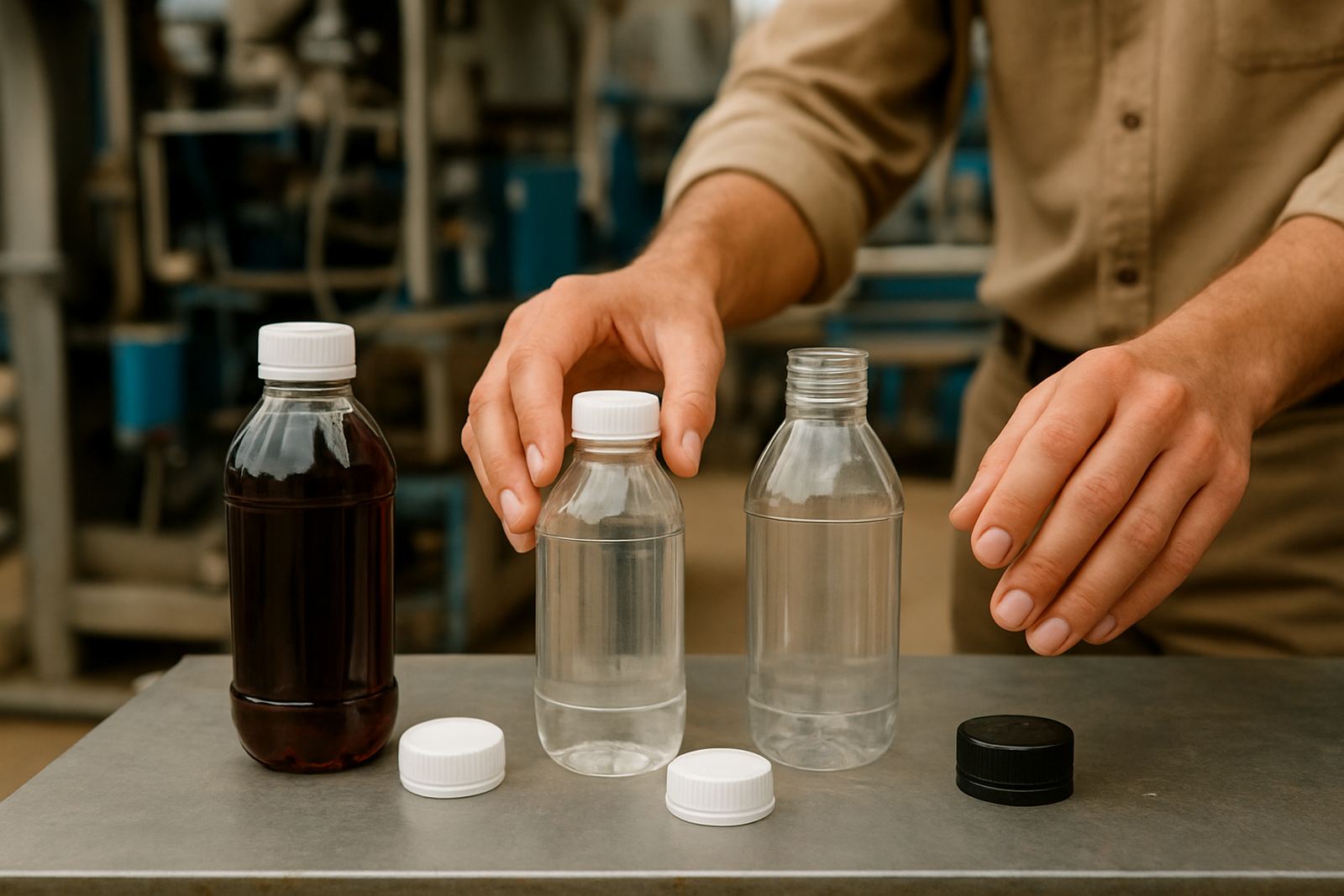
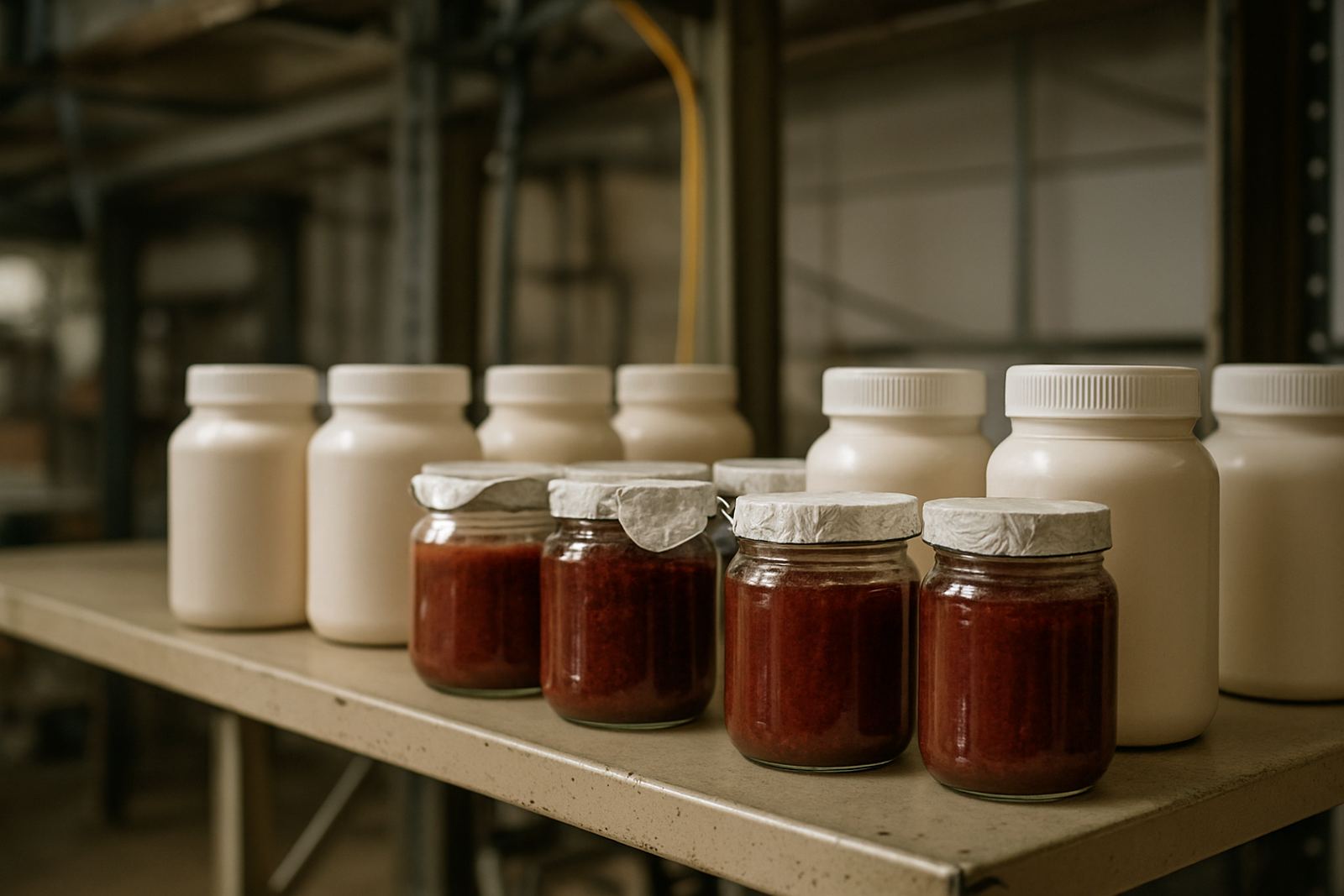
On a production line in Jacobs, Durban, or in a small packhouse in Pietermaritzburg, the sealing step should fit the pack format and filling speed. The cap, bottle mouth, liner material and product type all need to work together. A liner that suits a dry powder may not suit an oily liquid, and a heavy-duty bottle used for cleaning products may need a different sealing setup from a light PET bottle for health supplements.
- Food: helps protect freshness and limit leak complaints
- Pharma: supports hygiene and customer confidence
- Chemicals: improves spill control and handling safety
What customers look for when they inspect a retail pack
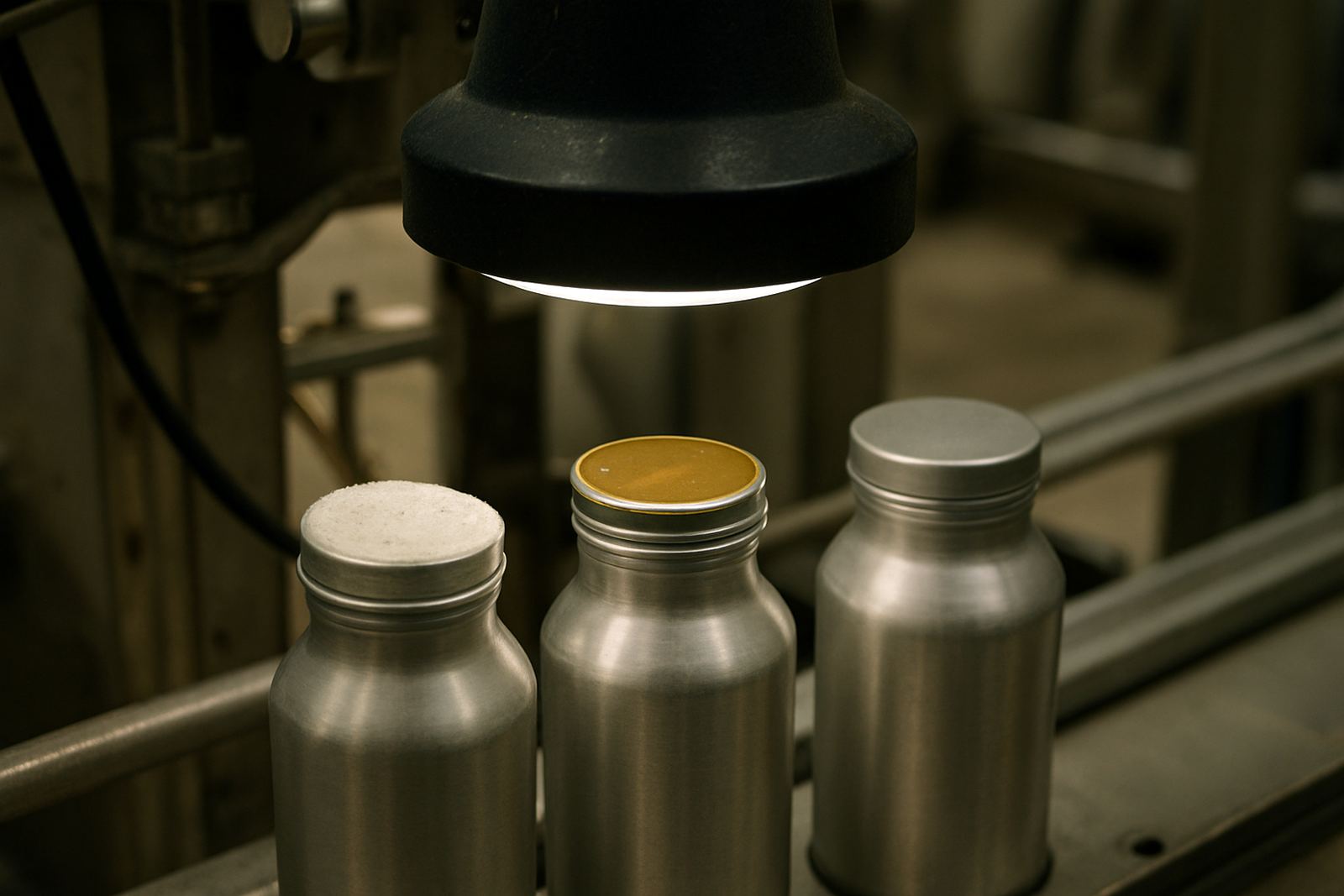
Buyers do not inspect seals with a technical gauge, they inspect with their eyes and hands. That is why the finish matters. A neat seal under the cap edge, no scorch marks, no lifted corners and no product residue around the neck all help present the pack well. If the seal peels cleanly and the liner matches the bottle correctly, the pack feels ready for market rather than rushed through production.
Retailers also notice consistency across cartons. If one bottle has a lifted liner and the next is fine, questions start quickly. That is often where process control matters more than the seal material alone. Heat application, cap torque, liner size and bottle flatness all need to be set correctly. A line that is not checked regularly may still run, but the pack presentation can drift and consumer confidence drops. It is a small fault with a big impact, and it usually costs more to fix later.
- Clean seal edge with no visible damage
- Consistent appearance from bottle to bottle
- No leakage, residue or loose liner movement
Local example: a Durban pack line protecting stock in humid conditions
Along the coast, humidity adds another layer of difficulty. A Durban filler moving cartons through Jacobs, Prospecton or Pinetown can face moisture, heat and shifting handling conditions in the same shift. That is where a reliable induction seal helps. It gives the pack a stronger barrier against accidental opening and supports product condition while stock moves between the factory, the distributor and the retailer.
One practical example is a liquid health product leaving a line near the port side of Durban and travelling to Richards Bay and then inland. The product may be stacked, loaded off and on trucks, and held in stores where temperatures change through the day. If the seal is stable and the liner is matched correctly, the pack is less likely to leak or arrive with damaged evidence of opening. For a customer buying from shelf, that matters just as much as the label colour or bottle shape.
That kind of result does not happen by luck. It comes from the right liner choice, the right application method and regular checks on the line. A small adjustment can save a lot of product loss later on.
Ways seal failures affect trust and cost you money
When tamper evidence fails, the damage is not only technical. It can affect returns, customer service calls, stock write-offs and even relationships with retail buyers. A failed seal may force a distributor to quarantine stock or ask for replacements, which can push up costs quickly. If the problem repeats, the customer starts to doubt the whole range, not just one batch.
Common causes include poor cap fit, a liner that does not match the container, the wrong sealing head setting, and maintenance gaps on the induction system. Load-shedding can also interrupt production in South Africa, so if a line is restarted after a power cut, operators need to check settings again before full output resumes. Skipping that step may lead to weak seals that look acceptable at first but fail later. It is a simple check, but it saves money.
- Returns and replacements
- Customer complaints and lost repeat orders
- Extra cleaning after leaks or spillages
- Time lost on the line while faults are sorted
Practical steps to keep tamper evidence working on every shift
Good seal performance comes from routine discipline. Operators should know what a sound seal looks like, how to test it and when to stop the line if they see drift. Supervisors should check liner supply, cap torque and bottle variation, especially when changing pack sizes or moving between products. Preventive maintenance helps too, because worn parts and dirty heads often show up first as inconsistent sealing, not as a machine alarm.
For manufacturers in Durban, Pinetown and Pietermaritzburg, a simple line check can prevent a full pallet of doubtful stock. That is especially important for products sold in supermarkets or pharmacies, where appearance matters and shelf returns are expensive. If your pack relies on tamper evidence for trust and protection, it should be treated as part of quality control, not an extra. One missed seal can undo a lot of careful work.
- Train operators to spot weak or uneven seals early
- Match liner type to the product and bottle material
- Check sealing settings after stoppages and power cuts
- Plan maintenance before faults become batch problems