

Choosing the right sealing approach for your product
Induction sealing works best when the liner, cap and container are matched to the fill, closure and line speed. A bottle of syrup in a pharmaceutical plant in Jacobs does not behave like a 5 litre chemical container in Pinetown or a dry food pack moving through Richards Bay. Heat tolerance, pack shape, neck finish and residue on the rim all affect the seal.
As a rule, the seal has to suit the pack, not the other way round. Some products need extra protection against tampering and leakage, while others need a lining that copes with oils, powders or fine dust from fast moving filling lines. We help customers work through those points before equipment is specified so the sealing setup is practical on the floor and easier to maintain.
- Product type: liquid, powder, granule or viscous fill
- Container material: PET, HDPE, PP, glass or coated pack
- Cap style: child resistant, screw cap, flip top or tamper evident
- Line speed: manual, semi-automatic or fully automatic packing
Pharmaceutical packs that need clean, controlled seals
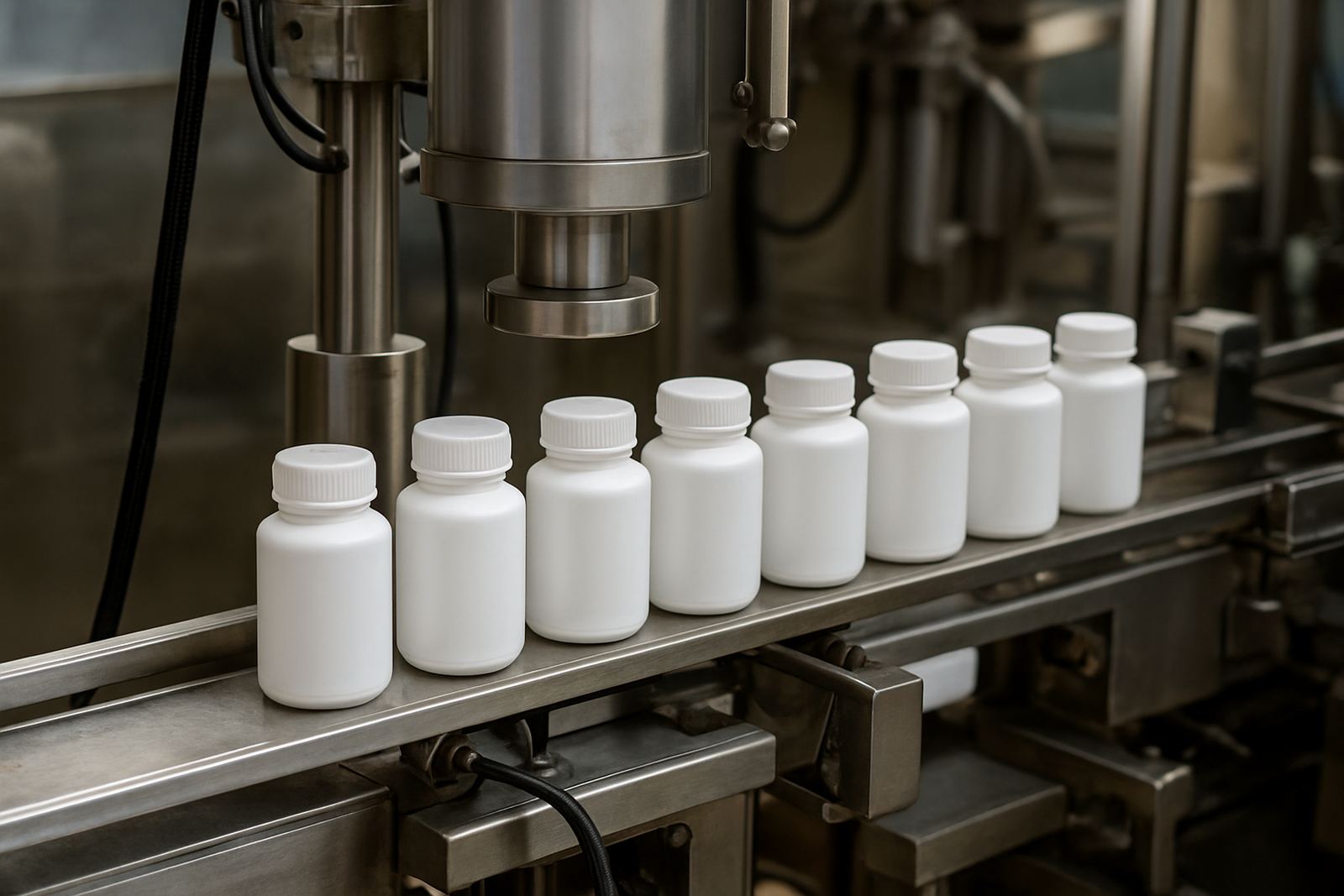
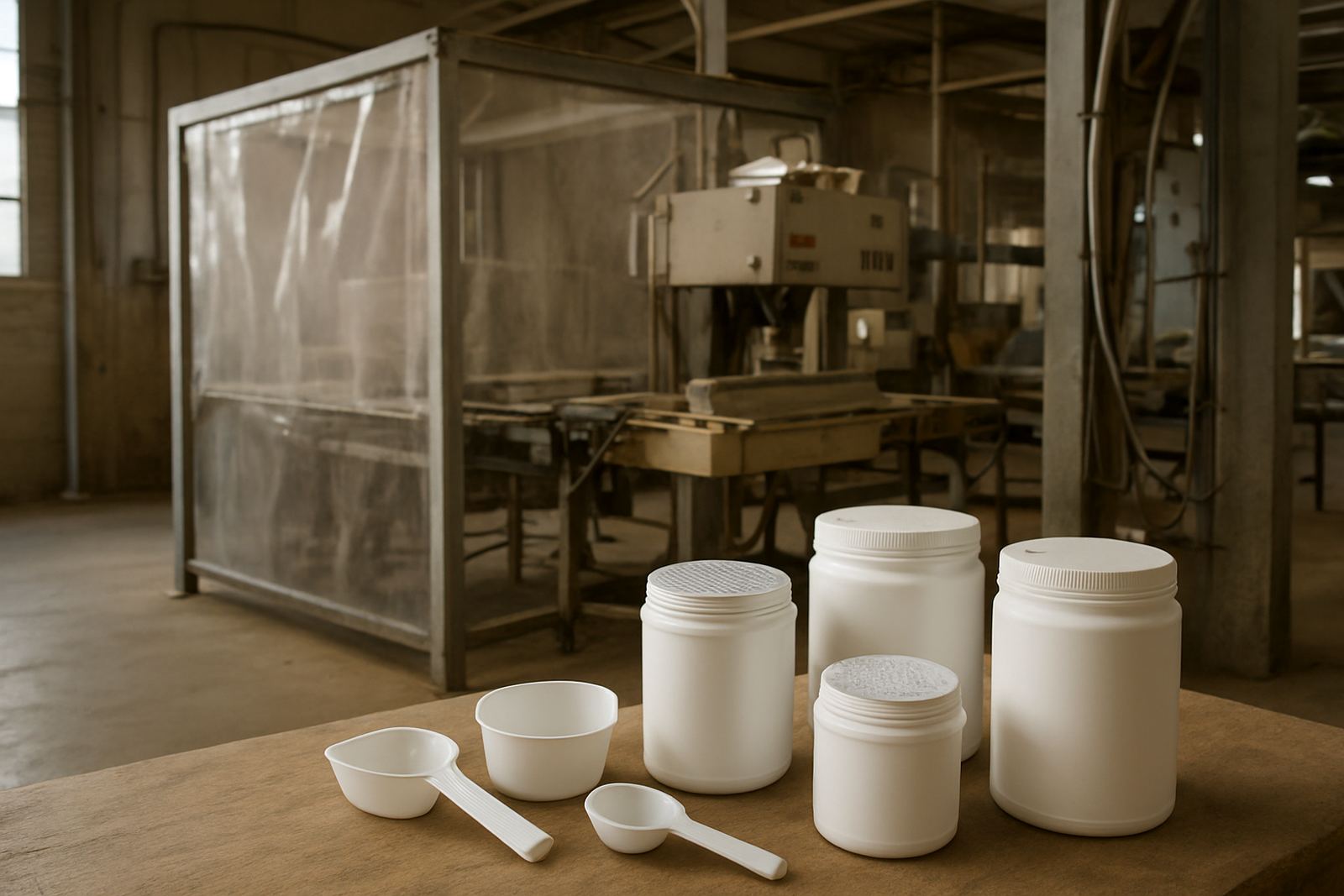
Pharmaceutical sealing needs consistent results and clear traceability. The liner must bond properly, the cap torque must stay within spec, and the seal should not interfere with dosing accuracy or tamper evidence. In this sector, even small changes in fill level or cap application can affect the final outcome, so line checks matter.
For many pharma applications, the focus is on repeatability and clean handling. That means stable power supply, correct sealing head height, and proper training for operators and maintenance staff. If your site in Durban is dealing with load-shedding or voltage dips, it is worth checking how the sealing equipment behaves during stop starts and when the line restarts after a power interruption.
- Oral liquids and syrups
- Tablets and capsules in moisture-sensitive packs
- Topical and health care products
- Samples, clinic packs and contract filling runs
Food packs, from sauces to dry goods
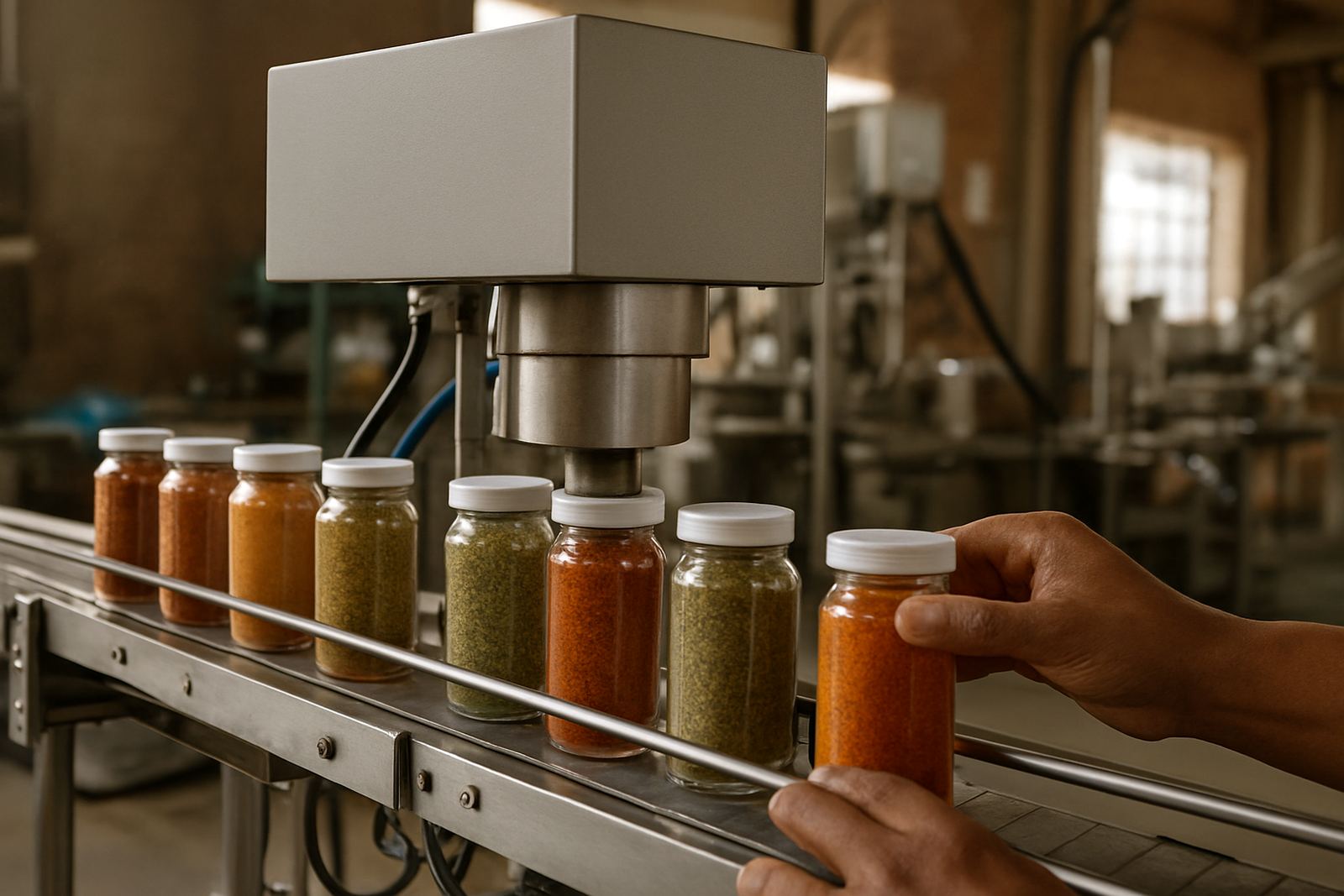
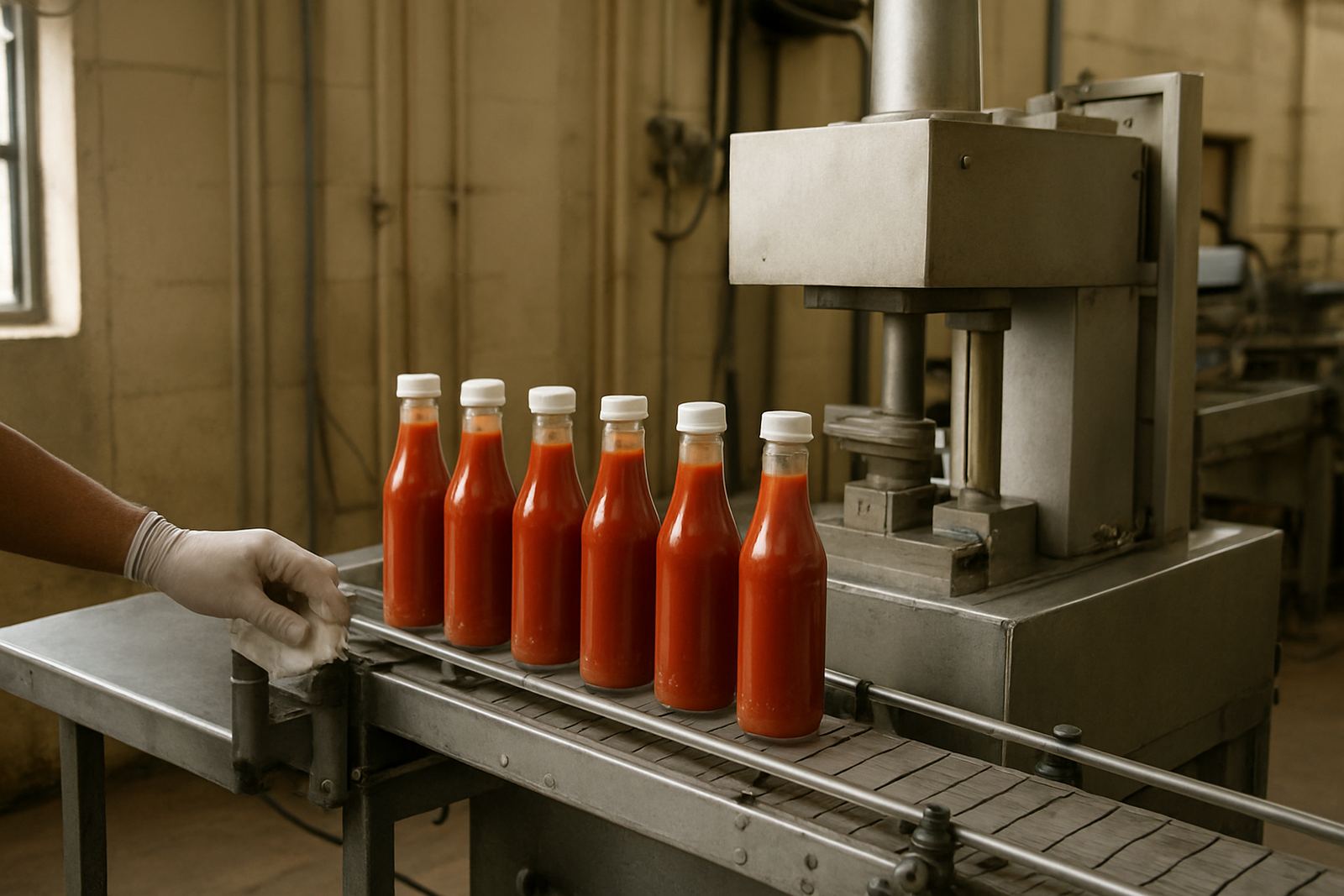
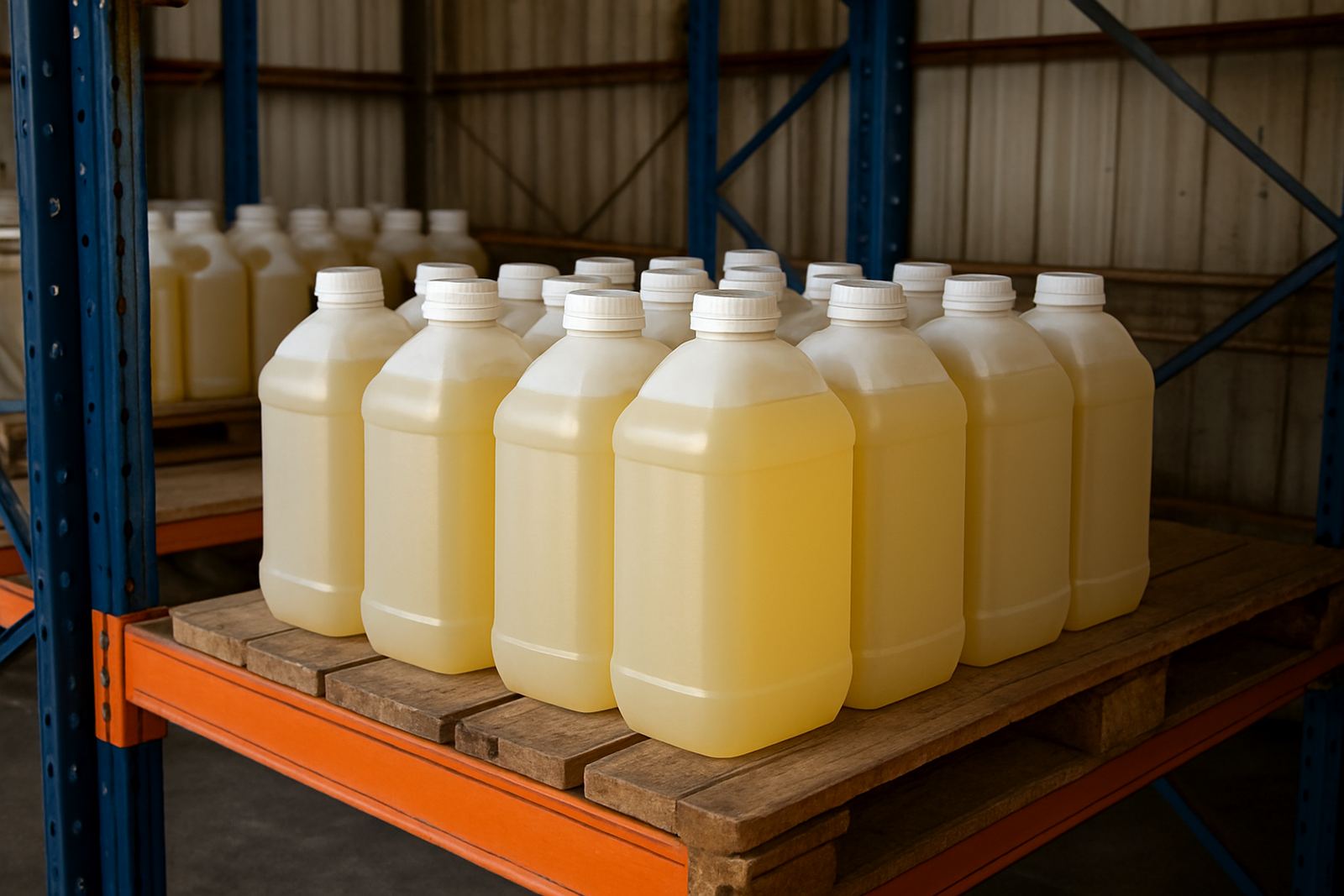
Food products bring their own issues. Oils can contaminate the rim, powders can hold back a clean seal and chilled packs can create condensation. A good induction seal helps protect freshness and reduces the risk of leaks in distribution, especially where cartons are handled in warm storerooms or coastal humidity is high.
For food manufacturers around Pietermaritzburg and Prospecton, the main question is often whether the liner suits the product and the pack fill temperature. Some operations need a stronger bond for transport over longer distances, while others want faster throughput on smaller retail packs. The right setup also makes it easier to keep auditors happy because the seal process is easier to repeat and monitor.
- Sauces, condiments and spreads
- Spices, powders and dry ingredients
- Cooking oils and liquid concentrates
- Retail and wholesale packs with tamper evidence
Chemical containers and leak control
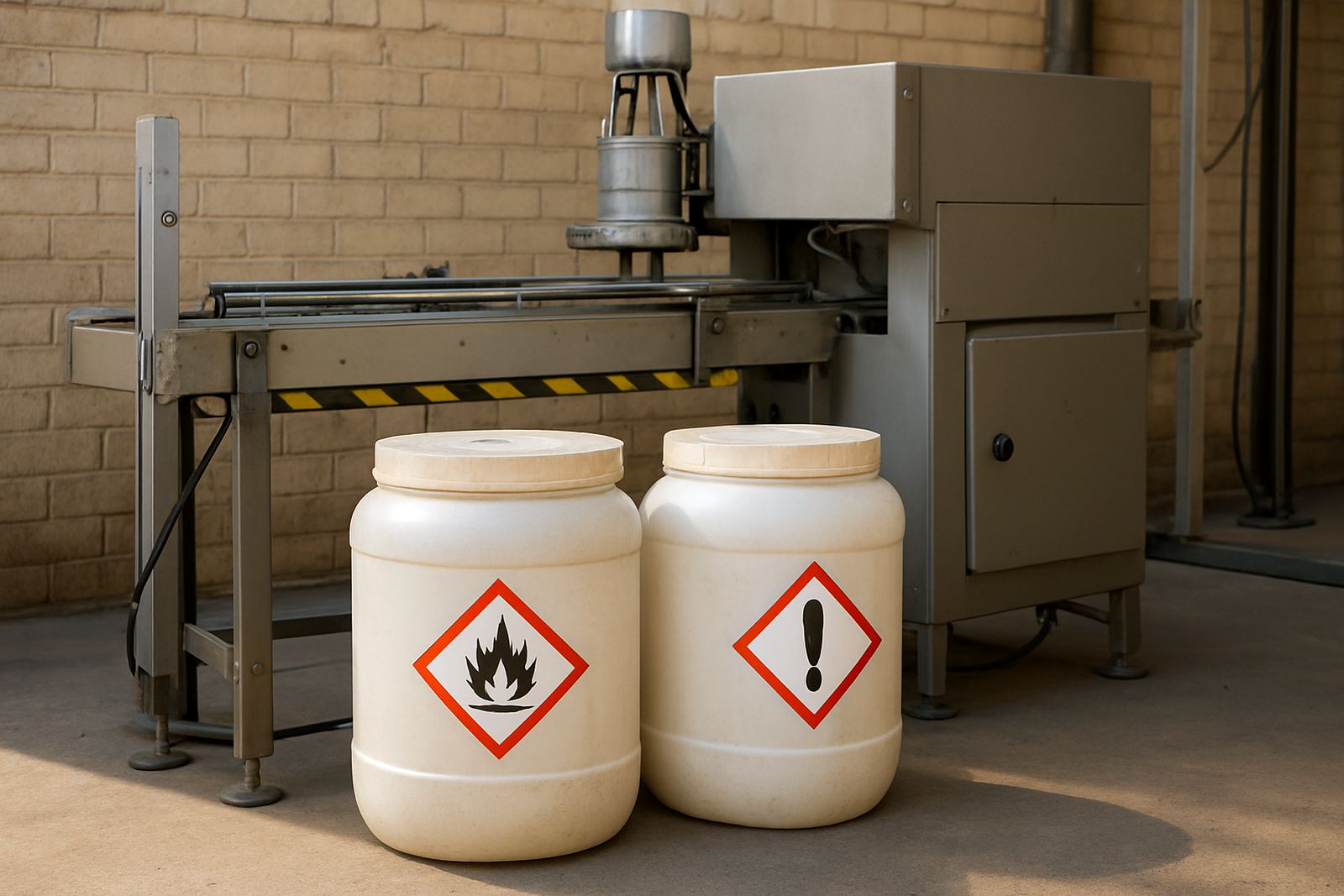
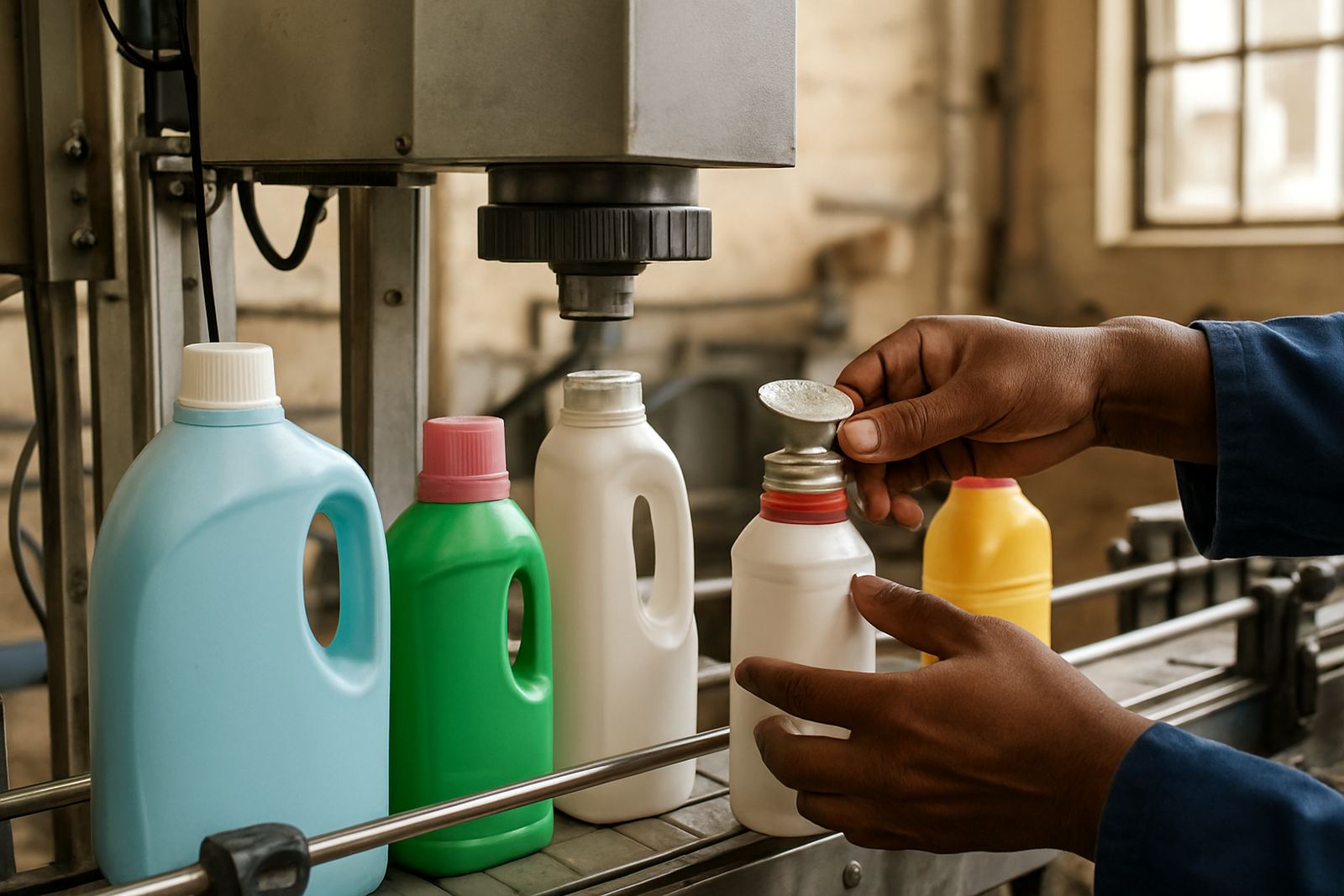
Chemical products need sealing that helps reduce spillage, vapour escape and handling risk. Some fills are aggressive, some are highly mobile and some are packed for transport to sites where the container may sit in a vehicle all day. A liner that works for water based products may fail quickly with solvents or other active contents.
We look at container material, closure design and chemical compatibility before recommending a liner. That matters for drum tops, smaller service packs and dosing bottles alike. For plants in Jacobs or Richards Bay, where heat and humidity can be a factor, the seal must hold up during storage, transit and daily handling. The aim is to keep the pack secure and the filling team working without avoidable breakages.
- Household and industrial cleaning products
- Automotive and maintenance chemicals
- Agrochemical packs
- Specialty liquids and controlled dosing containers
Cap types, liner styles and neck finishes
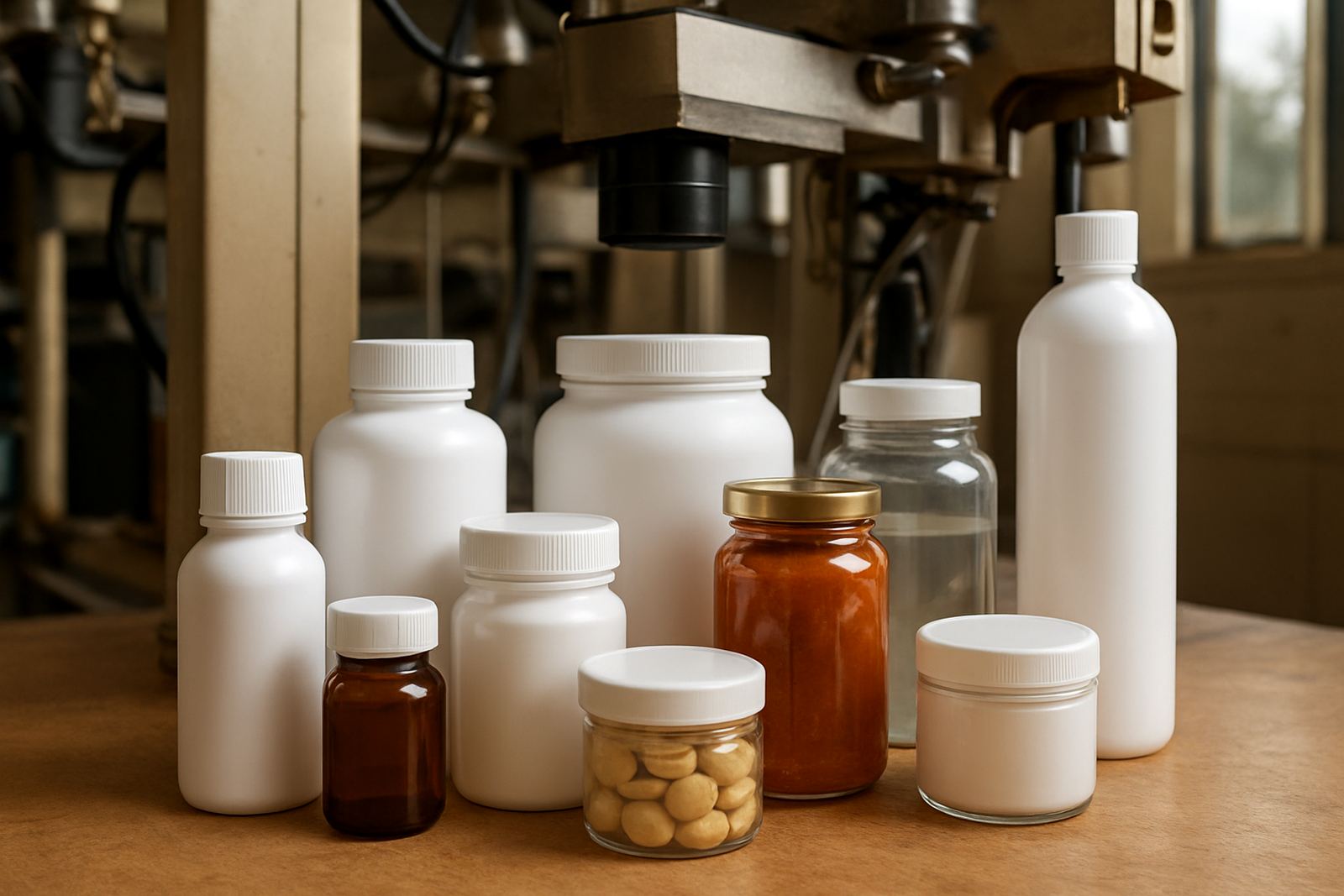
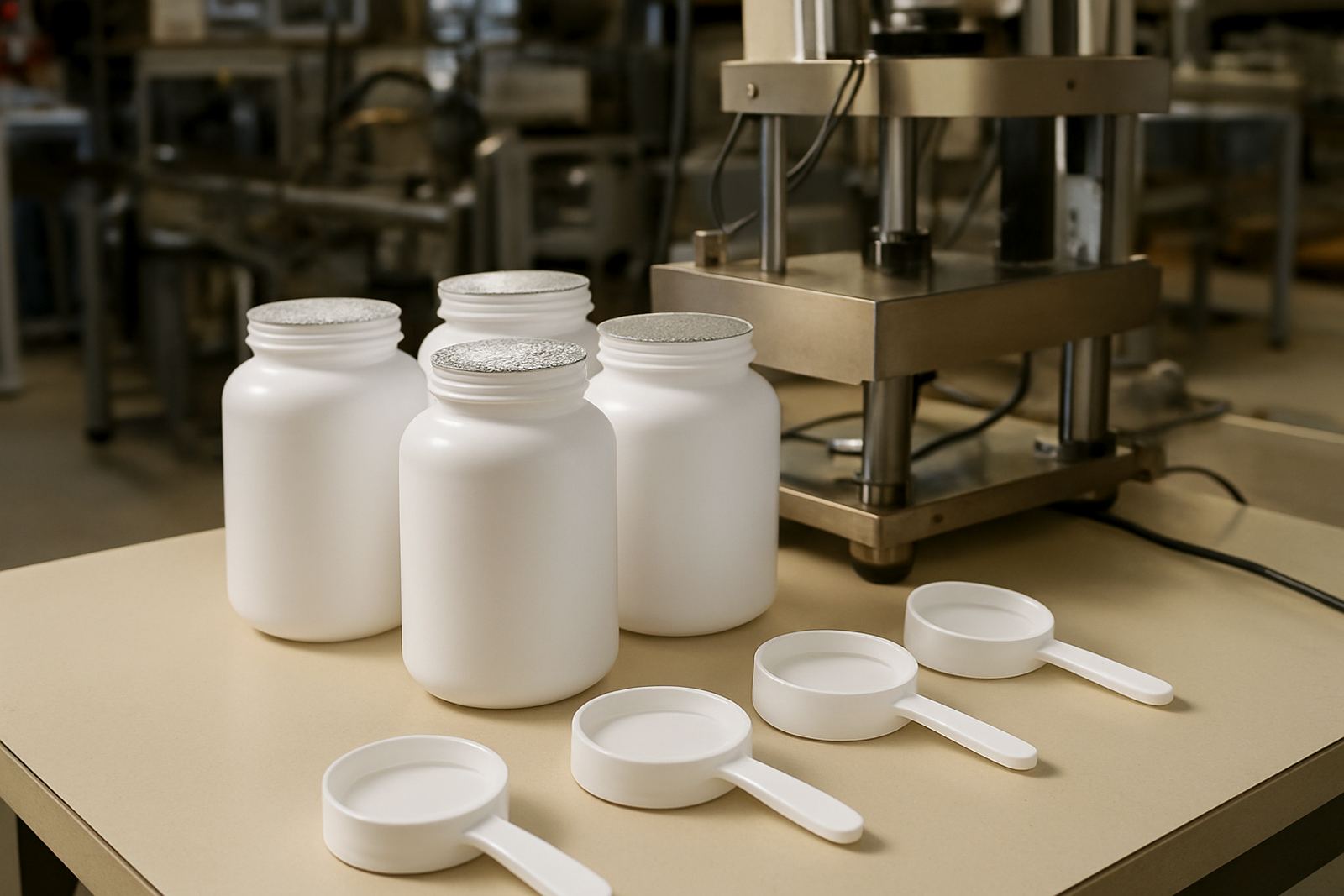
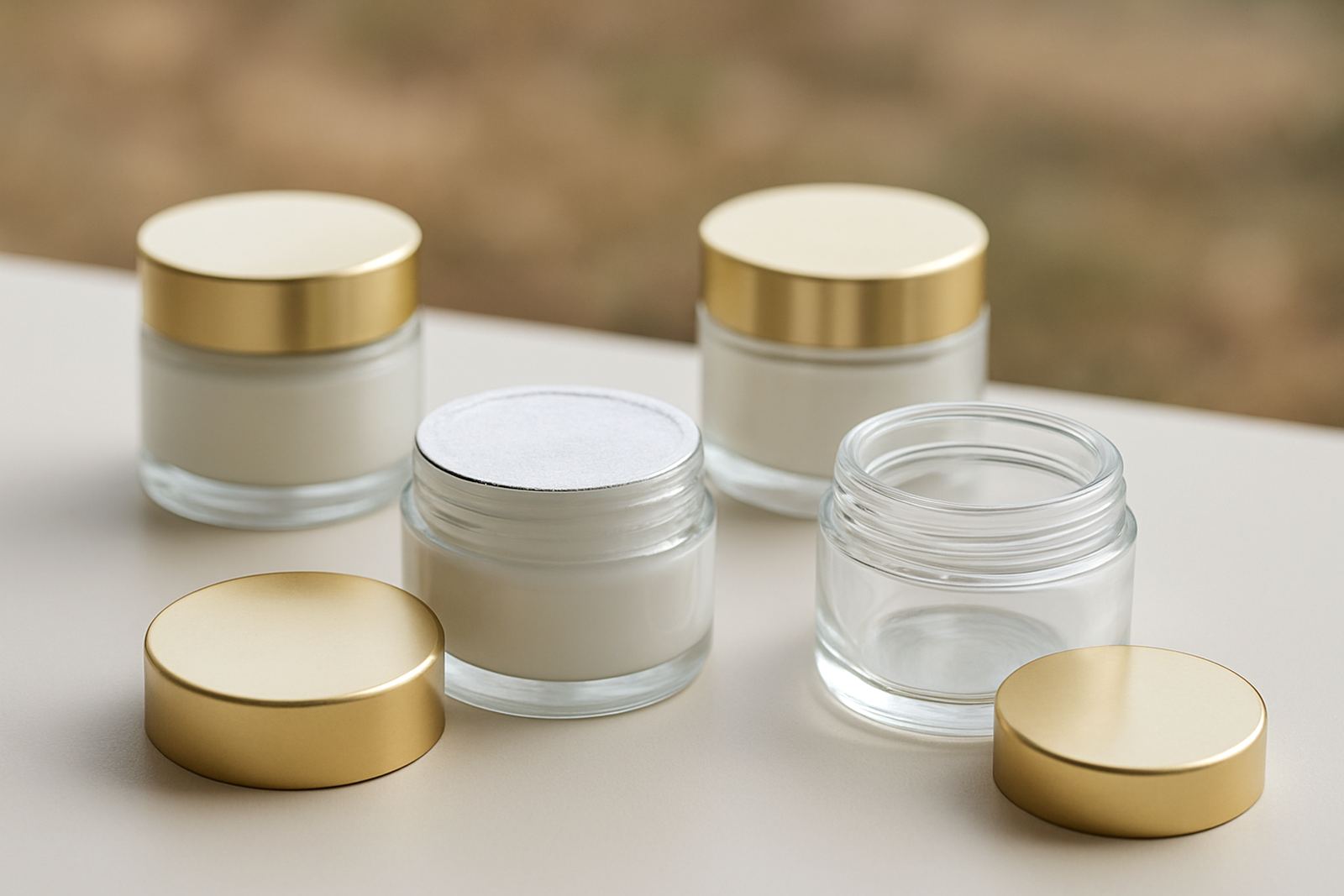
Not every cap seals in the same way. Thread profile, liner thickness and the way the cap is applied all affect final performance. A child resistant cap needs different handling from a simple screw cap, and a wide mouth jar is not treated the same as a narrow neck bottle. If the cap is inconsistent or the lining is poorly matched, the seal may pass one day and fail the next, which is a headache nobody needs.
Matching the liner to the closure and the container saves time on the line. It also reduces wasted stock and unnecessary callouts. Our team supports liner matching, seal validation and line optimisation so your production team can work with a setup that is practical, not fussy.
- Standard screw caps
- Child resistant closures
- Flip top and dispensing caps
- Wide mouth jars and specialty neck finishes
What to check before you choose equipment
Before selecting a sealer, it helps to review the full packing environment. That includes available floor space, line speed, operator skill, power stability and how often the line is cleaned down. In some Durban plants the issue is space near the filler, while in outlying sites it may be spares access or the time it takes for service support to reach the line.
We work nationwide from Jacobs and support site installation, commissioning, operator training, preventive maintenance and breakdown repairs. If your business is planning a new packing line or needs to improve an existing one, it is worth having the sealing application reviewed early so the equipment fits the work rather than creating another problem.
- Current and planned line speed
- Container size range and cap range
- Product sensitivity to heat or contamination
- Maintenance access and spare part needs
Support for sealing lines across South Africa
Whether the line is in Durban, Pinetown, Prospecton, Pietermaritzburg or Richards Bay, the same practical checks apply: correct application, reliable support and staff who know how to keep the sealing process steady. Bottle Sealers provides technical sales, remote support and field commissioning so customers can keep production moving and avoid unnecessary downtime.
If you are comparing sealing options, start with the product and work backwards to the closure, liner and machine setup. That approach usually gives a better seal and fewer surprises on the line. It also makes future maintenance simpler, which matters when production is tight and spare windows are small.