Why line speed changes the seal result
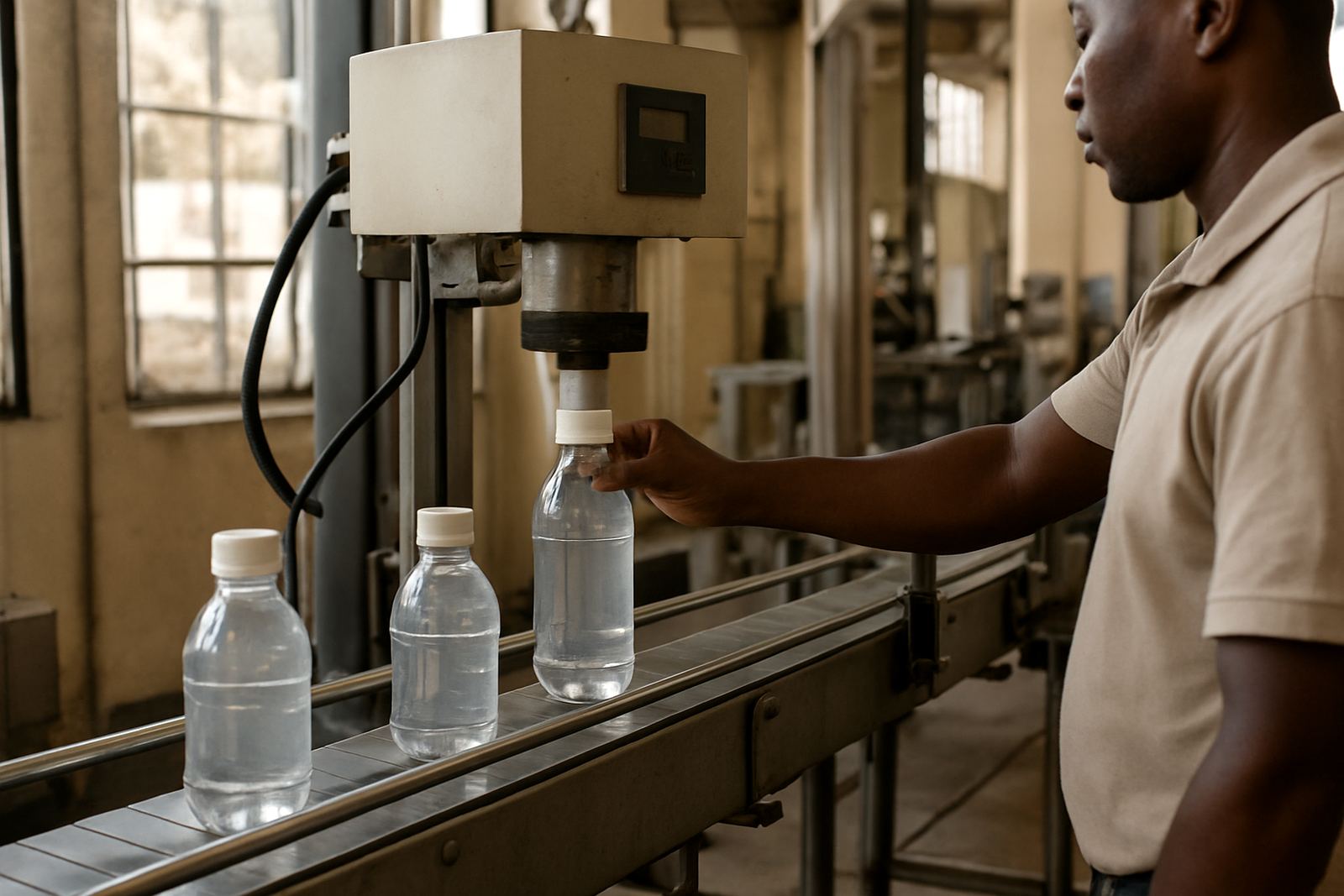
On an induction sealing line, the bottle cap passes through the sealing head for a very short time, so the conveyor speed has a direct say in how much energy the liner receives. Faster speed reduces dwell time under the coil, while slower speed increases it. That simple change can be the difference between a clean, secure seal and one that is patchy, overheated or weak at the edge.
For South African plants running mixed shifts, the problem often starts with production chasing numbers. A line that was set up for 40 bottles a minute may be pushed to 55 without checking the seal head, cap type or bottle finish. The result is often not immediate failure on the filler but a leak later during transport from Durban to Pietermaritzburg, or after standing in a hot warehouse. Seal quality is not only about the machine setting, it is also about keeping speed, liner type and container geometry in balance.
At Bottle Sealers, we see this most often on continuous systems where the line operator adjusts speed to recover time after a stoppage. The bottles move differently, the spacing changes, and the heat pattern is no longer what it was during commissioning. A good seal depends on repeatability, not luck.
What happens when the conveyor runs too fast
When the conveyor speed is too high, the liner may not get enough heat and pressure for full activation. The seal can look acceptable from the outside, yet still lift on the shoulder, leak under vibration, or fail a simple squeeze test. In food and chemical packs that is a real risk because product can move into the neck thread, or moisture can enter during storage in humid coastal conditions.
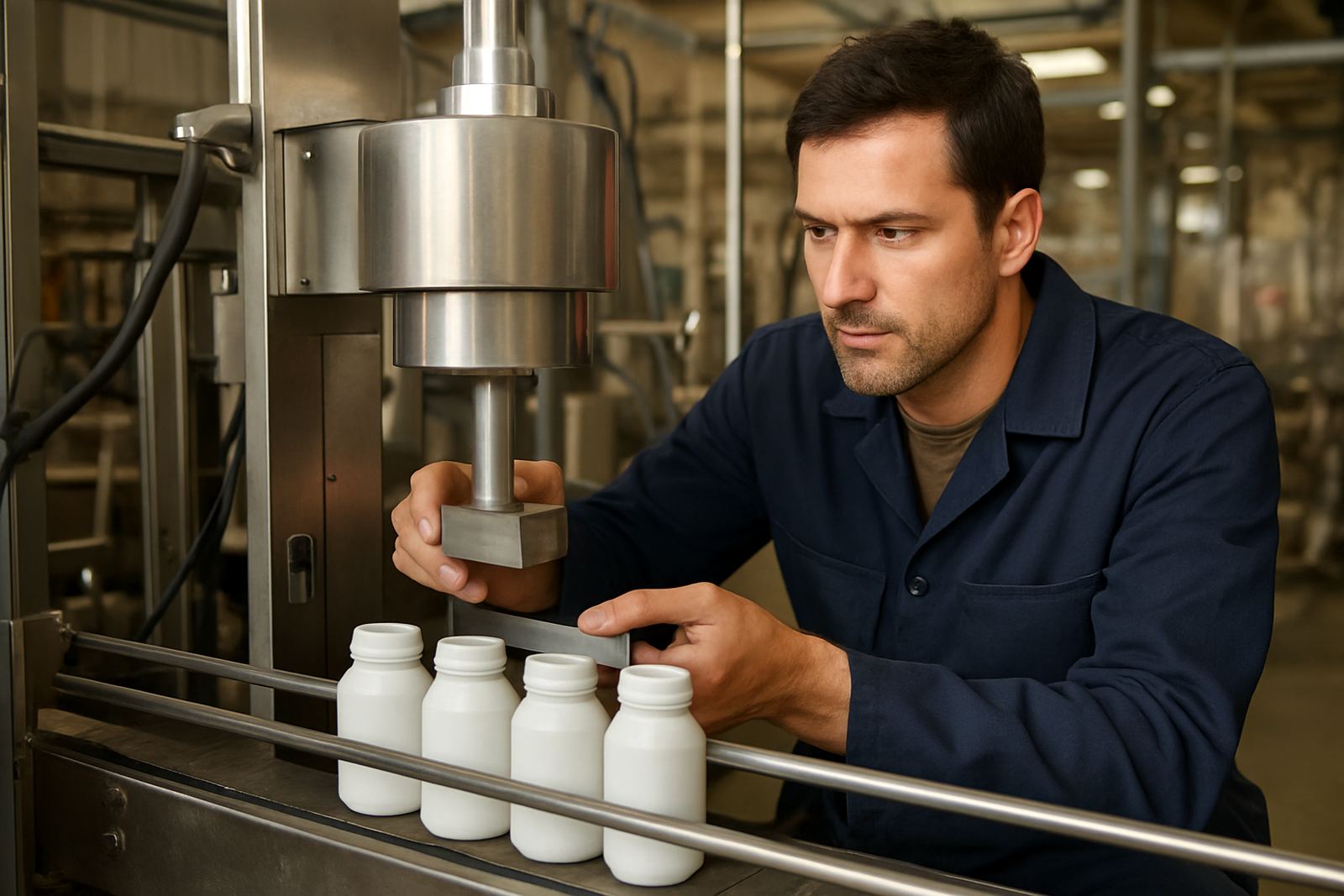
Fast lines also expose weak spots in bottle handling. If containers wobble or cap height varies, the induction head may not sit at a consistent distance from every closure. That is where cap quality and conveyor control work together. On a well-run line the bottle tops should pass under the head at a steady height, with no jerking or bouncing. In Jacobs and Prospecton, where many sites run long shifts and power interruptions are not uncommon, even a small speed surge after load-shedding can change the seal outcome.
- Incomplete liner activation at the centre or edge
- Poor tamper evidence after cooling
- Higher reject rates during final packing
- Leaks in transit or after pallet stacking
Why slow running can be just as risky
It is easy to think slower is safer, but on induction systems too much dwell time can overheat the foil layer, deform the cap, or damage heat-sensitive liners. Some plastic closures soften before the liner fully bonds, which leaves a seal that is brittle rather than secure. On glass and PET containers used in pharma and chemicals, that extra heat can also create uneven sealing around embossed or uneven neck finishes.
Slow lines often show another problem, operator over-adjustment. If the machine has been slowed down to stop a few rejects, staff may start changing power settings too, and then the line no longer has a stable reference point. That makes it hard to know whether the issue is speed, coil position or liner match. A practical factory needs a set window for speed, power and bottle spacing. Once that window is found, it should be recorded and followed on every shift.
In our experience, many plants in Pinetown and Richards Bay run better when they treat speed as part of the seal spec, not just the production target. If the line needs to run slower for a thicker cap, the sealing settings should be documented and the pack line checked again after maintenance or a product changeover.
The three line factors that matter most
Conveyor speed is important, but it does not work alone. Seal quality depends on how speed interacts with head height, bottle spacing and liner selection. A continuous system can only perform well if these three factors stay steady during the full shift. When one changes, the others usually need a check too.
- Head height: The seal head must match the container top so energy is transferred evenly.
- Container spacing: Tight gaps can cause double heating or unstable movement under the head.
- Liner match: Different foil and foam combinations react differently at the same speed.
If a chemical pack has a thicker cap, the sealing window may need slightly more dwell time. If a food jar is filled hot, the pack may need cooling time before sealing. In both cases, speed is part of the recipe. A line that was tuned for one pack size will not automatically suit the next one, even if the bottles look similar.
A Durban example from a mixed product line
One practical case involved a Durban-area plant sealing food products in one shift and cleaning chemicals in the next. The line was set for the faster pack and the operators kept the same conveyor speed after the product change. The chemical bottles looked fine on the conveyor, but the audit found weak seals on some units after carton handling and pallet movement. The issue was not the filler or the capper alone, it was the line speed staying too high for the new closure and liner setup.
After a site visit, the team reset the sealing window, checked the liner match, and trained operators to verify speed after every changeover. The line then held a consistent seal result at a lower speed, and the reject count dropped. It was a simple fix, but one that saved product, time and rework. That is often the case with induction sealing: small speed changes can have a bigger effect than people expect.
For plants around Jacobs, Durban, and along the route to Pietermaritzburg, where humidity and transport time can expose weak seals quickly, a line that passes on the day should still be checked after 24 hours. The seal must survive handling, storage, and the realities of local distribution.
How to keep speed and seal quality under control
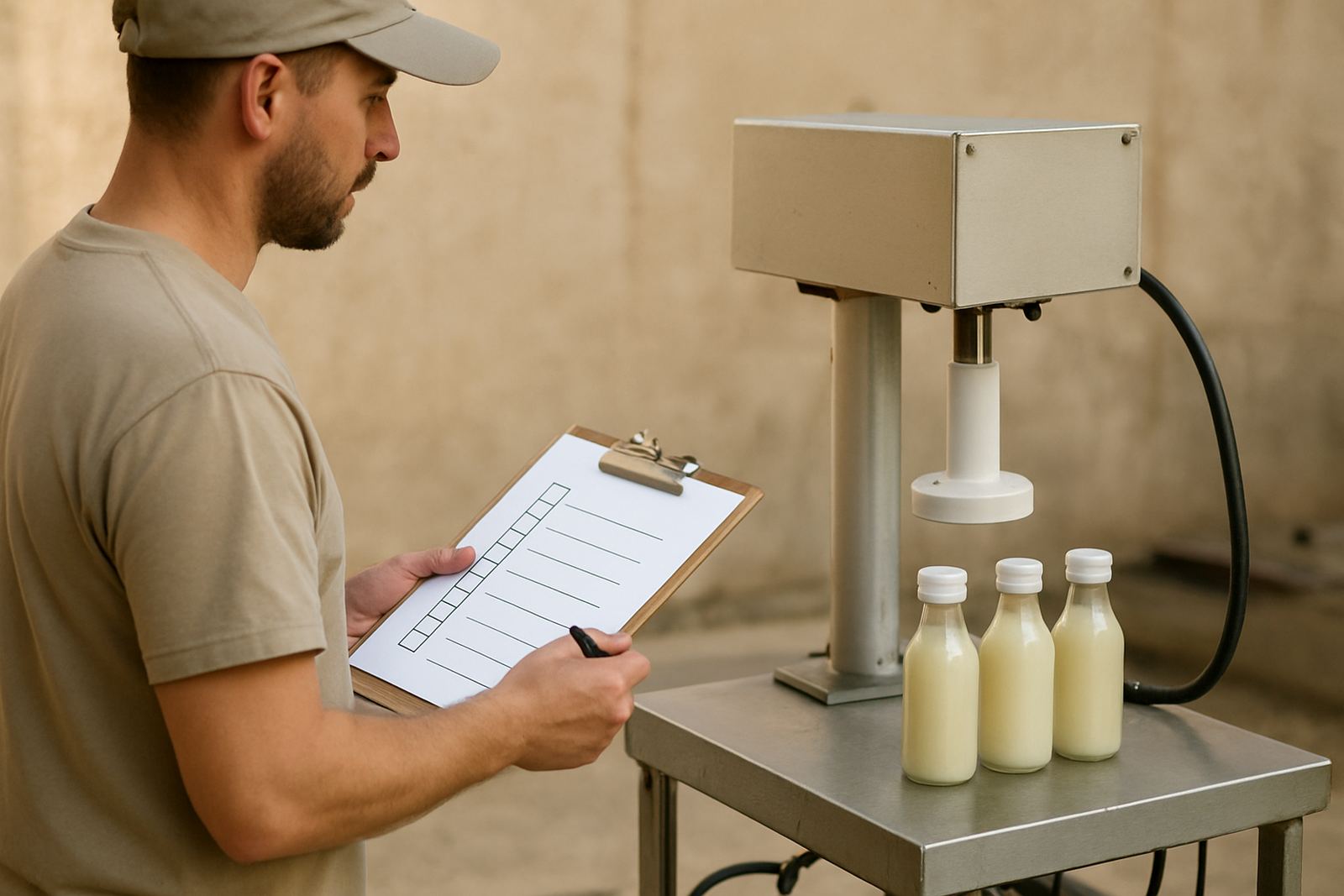
The best way to manage conveyor speed is to treat it as part of routine line control. Measure it, record it, and check it again after cleaning, maintenance or a power interruption. If the site loses power during load-shedding and restarts later, the machine may not return to exactly the same settings. That is when many hidden seal faults begin.
Operators should know what a good seal looks and feels like for each product, and they should be trained to spot early warning signs such as cap deformation, foil wrinkling, or a change in tamper ring behaviour. Preventive maintenance should include conveyor condition, belt tracking, guide rails and head alignment, because a bottle that moves badly under the seal head will never seal properly no matter how good the liner is.
- Set a target speed range for each product
- Check seal results after every changeover
- Inspect conveyor guides and belt tension
- Reconfirm settings after outages or stoppages
- Log reject patterns by product and shift
When these checks become routine, the line stops relying on guesswork. That gives plants from Durban to Richards Bay a better chance of producing consistent, compliant packs through every shift.