What happens when the cap goes on
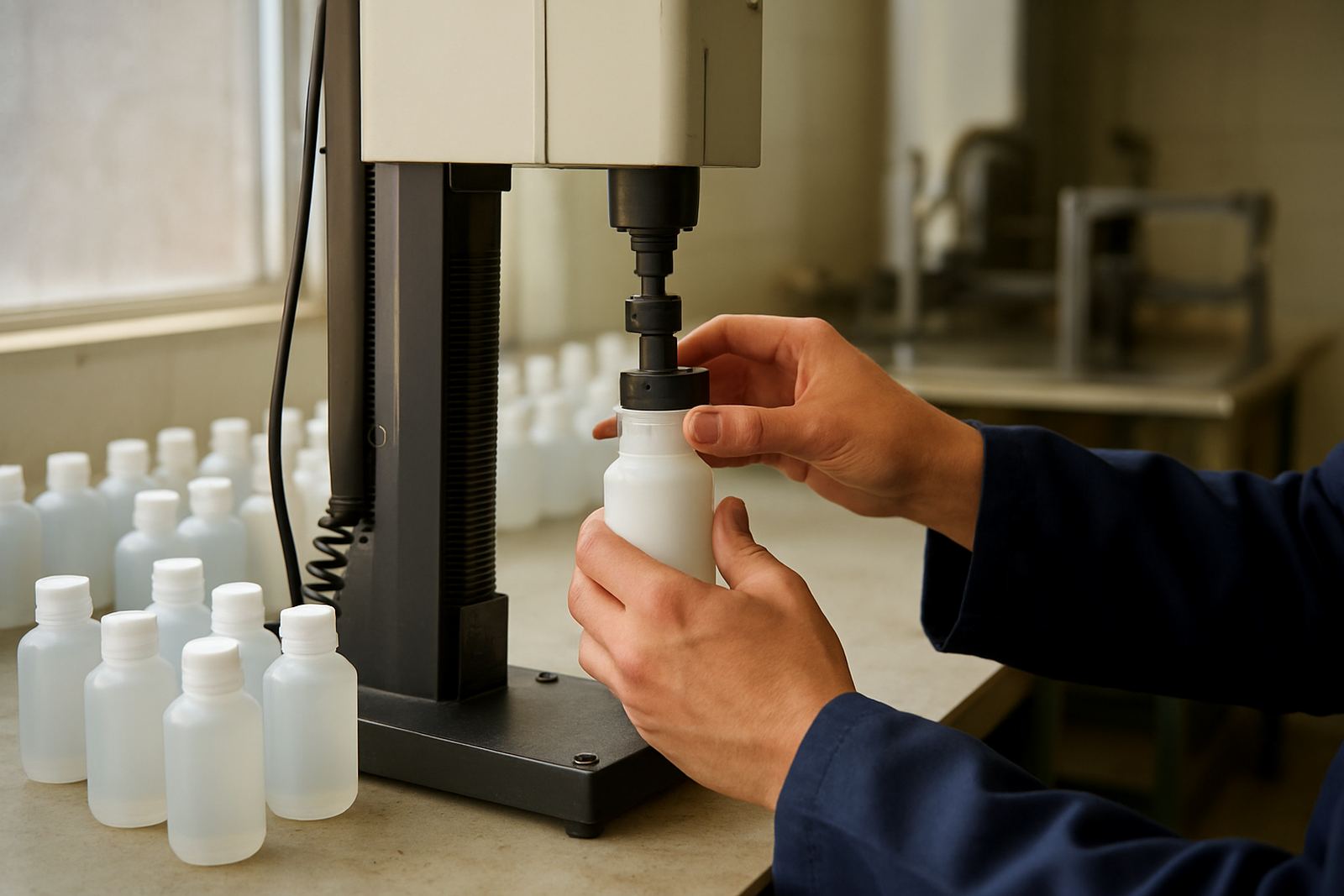
The sealing process starts long before the bottle reaches the induction head. First, the cap is applied with the liner inside the cap, or the foil laminate is placed as a separate seal depending on the container and closure type. The cap needs to be seated squarely and tightened to the right torque. If the cap is loose, crooked, or the neck finish is inconsistent, the seal can fail even if the induction unit is working properly.
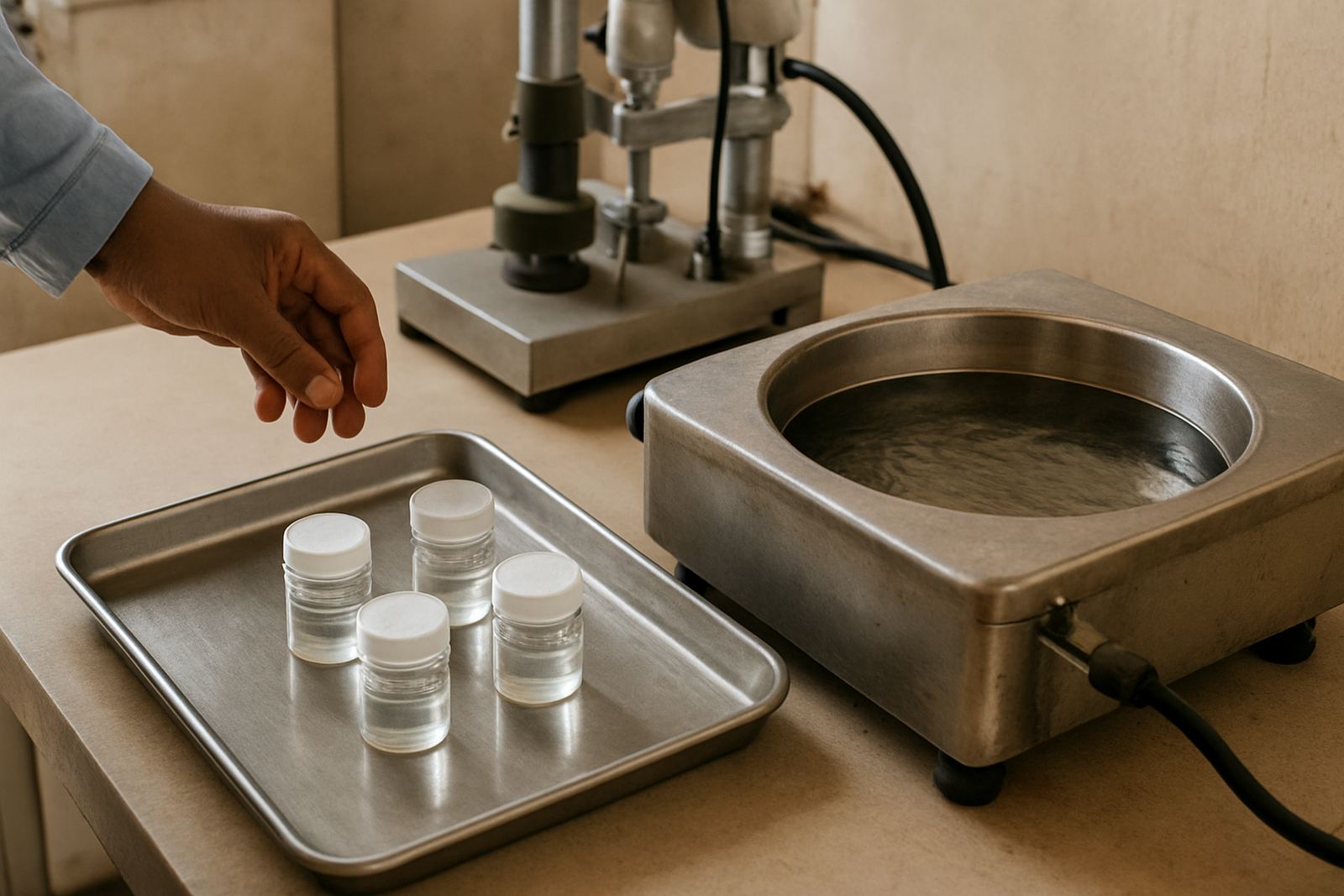
On a filling line, this stage is about control. The bottle finish must be clean, dry, and within specification. Dust, product residue, and wet necks can interfere with the bond. In humid coastal areas like Durban and Richards Bay, operators often need to pay extra attention to condensation, because moisture on the neck can reduce sealing consistency.
How the induction head creates the seal
Once the capped bottle passes under the induction head, the unit sends a high frequency electromagnetic field through the cap. That field heats the foil liner inside the closure. The heat is focused in the liner materials, not in the bottle itself, so the container does not need direct contact with a hot plate or flame.
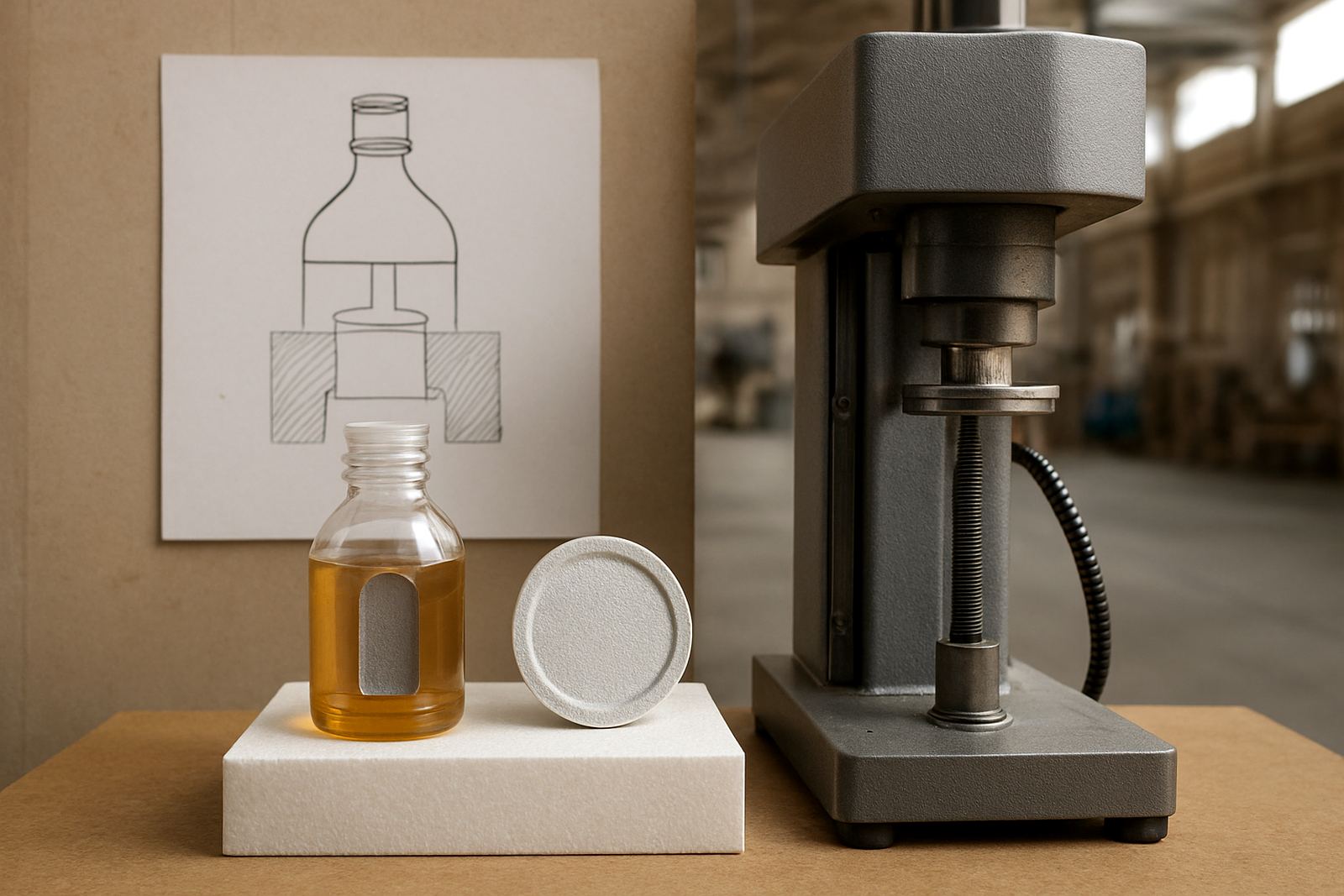
As the liner warms up, the sealing layer softens and bonds to the rim of the bottle. This happens in a fraction of a second on most lines. The result is a secure seal that sits under the cap and closes the product opening. In plain terms, the cap holds the liner in place and the induction head activates the bond, creating a clean barrier over the mouth of the container.
For many South African plants, this matters because production conditions are not always ideal. Load-shedding, temperature swings and line stoppages can all affect setup. A properly adjusted induction sealer helps keep the sealing step repeatable when the line restarts.
What the bonded foil actually does
The bonded foil liner is the part that gives the package its barrier and tamper evidence. Once sealed, it helps protect against leakage, contamination and unauthorised access. When the consumer removes the cap, the foil should show that the pack has been opened. That makes it useful for pharmaceuticals, food products, chemicals and other goods where product integrity matters.
The liner construction can vary according to the product and container material. Some packs need easy-peel performance, while others need a stronger bond for long transport routes or aggressive contents. Matching the liner to the bottle and cap is important, because a good seal on a trial pack may not hold up after heat, vibration and storage.
- Protects against leaks during transport and storage
- Supports tamper evidence for retail and regulated goods
- Helps reduce exposure to moisture, dust and odours
- Can improve shelf life when the product is sensitive to air
Where sealing problems usually start
When a seal is weak or inconsistent, the fault is often somewhere else on the line. The induction unit is only one part of the system. Cap application, bottle finish quality, line speed and liner choice all affect the outcome. In many cases, what looks like a sealing fault is actually a cap torque issue or a poor bottle neck finish from the moulder or supplier.
It helps to check the full process rather than only the sealer. A line may run well in the morning, then start failing after a break, or during a hot afternoon when the bottles warm up. That sort of pattern usually points to setup, moisture, or speed changes. In our experience, small adjustments at the right point save a lot of wasted stock.
- Cap not seated correctly or torque too low
- Foil liner not matched to the bottle material
- Product contamination on the neck finish
- Line speed too high for the induction head setting
- Power fluctuation after load-shedding restart
A practical example from a Durban filling room
Consider a small food packer in Jacobs filling sauce into PET bottles for delivery to Pinetown, Pietermaritzburg and Richards Bay. The line runs well, but after a power interruption the first few bottles show poor seals. The issue is not always the foil itself. The capper may need re-checking, the conveyor spacing may be off, or the induction head may need a slightly different setting after the restart.
In a case like this, the best approach is to confirm the bottle finish, check cap application, then test a few sealed samples before releasing full production. A short validation run can prevent a day of wasted product. It is also worth keeping spare liners on hand, because the wrong liner type can look fine at the capper but fail after temperature changes in transit.
Keeping the line dependable over time
Induction sealing works best when it is treated as part of a full packaging system, not as a stand-alone machine. Regular preventive maintenance, operator training and simple checks before every shift go a long way. If the line is used for pharmaceuticals or chemicals, seal validation should be documented and repeated when any part of the process changes.
Good housekeeping matters too. Keep the sealing head clean, make sure the conveyor is aligned, and record any breakdown patterns so they can be traced back to a shift, batch, or power event. A steady process gives better results than constant reactive fixing, and it reduces the chance of product recalls or customer complaints.
For manufacturers in Durban and across South Africa, induction sealing is not complicated when the basics are right. Cap the bottle correctly, match the liner, control the line and verify the seal. Do that and the foil does its job, quietly and reliably, as it should.