Start with the product, not the closure
When a pack gives trouble, the liner is often blamed first, but the product should guide the choice. A dry powder, a syrup, a solvent and a cream all ask different things from the seal. The liner has to cope with the product behaviour, the container neck finish and the way the bottle is handled after filling.
For food and pharmaceutical packs, a liner should support product safety and tamper evidence. For chemicals, it must also handle vapour pressure, splash contact and any chance of product attack on the liner face. In Durban’s humid conditions, that choice matters even more because moisture can affect how some liners seat and how closures hold over time.
- Dry products need a liner that seals cleanly without creating dust or fragments.
- Liquids need consistent contact across the whole mouth of the bottle.
- Aggressive chemicals may need a liner with better resistance to the product and the closure material.
Foil liners for clean, reliable induction sealing
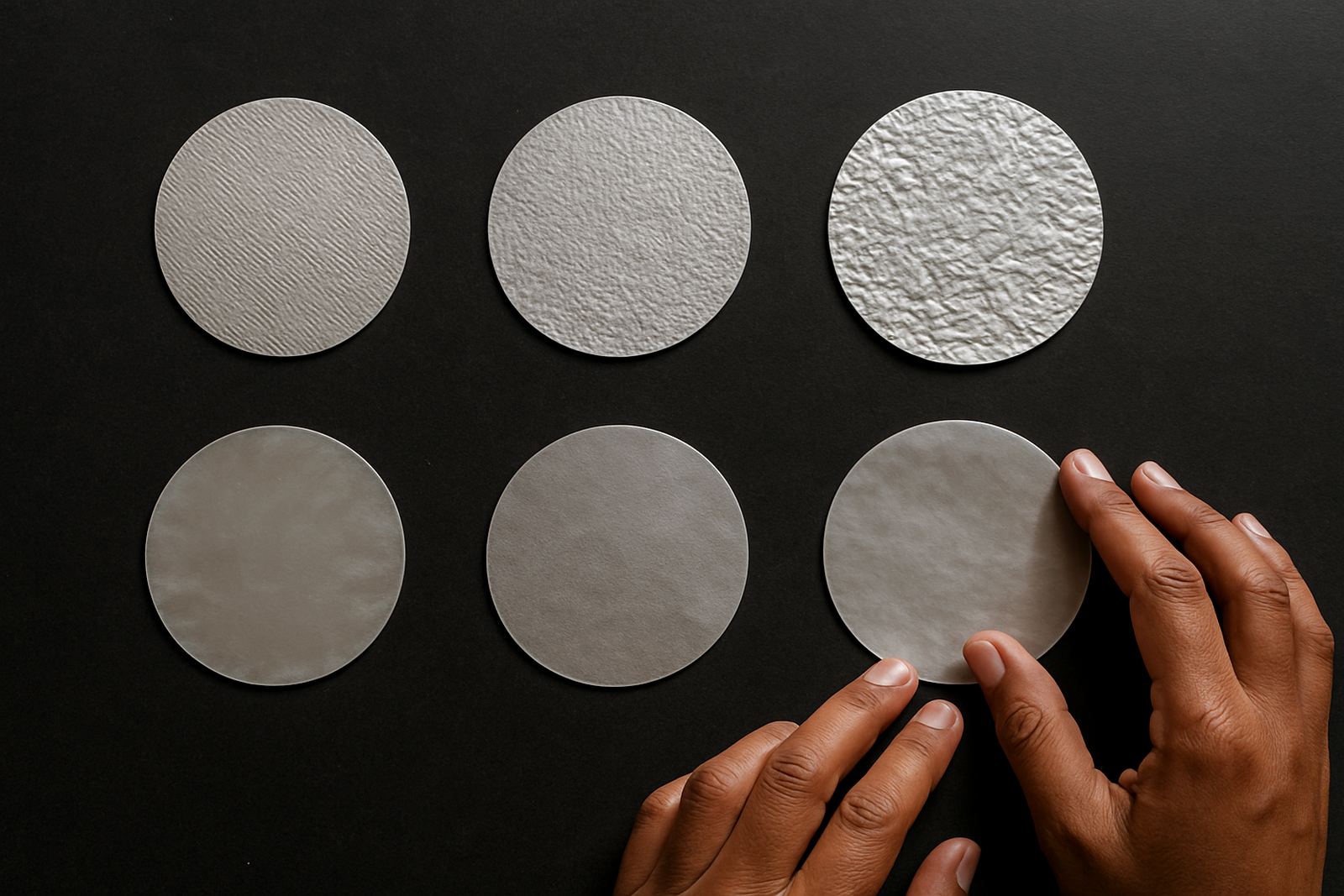
Foil liners are widely used where a tamper evident inner seal is needed. They work well on many food, pharmaceutical and chemical packs because they create a tight barrier when the induction process is matched correctly to the bottle and cap. For businesses filling at speed, that consistency can help reduce rejects and complaint calls.
The key is getting the structure right. Some foil liners are made for easy removal, while others are chosen for a stronger bond or better resistance to leakage. The closure design, bottle neck finish and line speed all matter. If the seal is too weak, the liner may lift. If it is too strong, the customer may struggle to open the pack or the seal may distort under torque.
- Good for tamper evidence on food and medicine.
- Useful where a clean inner seal is needed for transport.
- Can be matched to different bottle materials and cap types.
Foam and pulp liners for general closing and cushioning
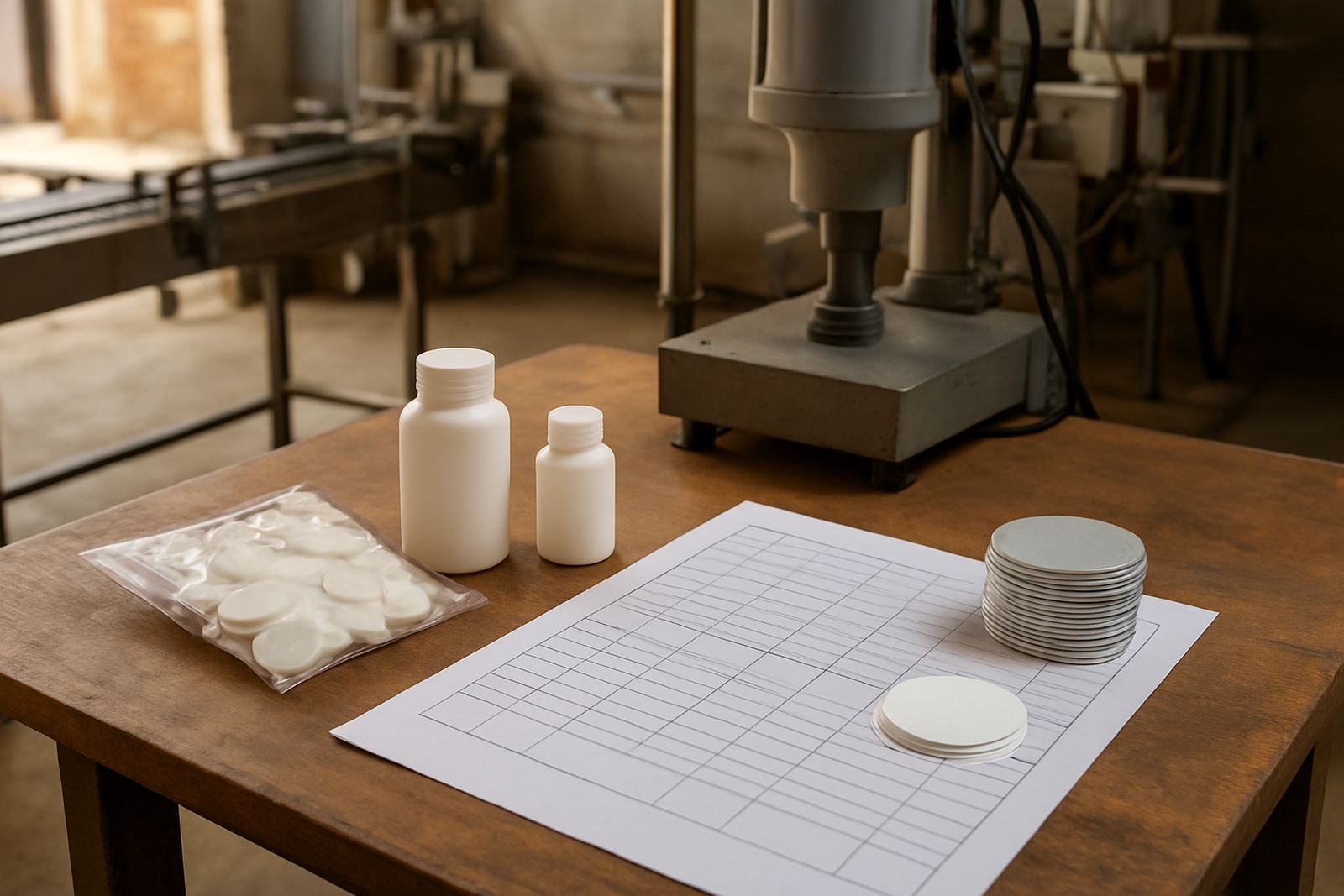
Foam and pulp liners are often used where the main goal is closure support, minor leak control and a little cushioning under the cap. They can help where bottles are handled roughly in distribution or where the closure needs a more forgiving seat on the neck. In some dry goods packs, they are the practical option when a full induction seal is not required.
That said, they are not the right answer for every product. They may be suitable for less demanding applications but they should not be treated as a substitute for a proper barrier seal where product safety depends on it. On a line in Pinetown or Jacobs, a quick check of torque settings and neck finish often shows whether the liner is doing enough or whether a better material is needed.
- Useful for general packaging and cushioning.
- Can help with minor irregularities on bottle mouths.
- Best for products that do not need a high barrier inner seal.
Heat seal and barrier requirements for sensitive fills
Some packs need more than a standard liner. If the product is sensitive to air, moisture or scent loss, the liner choice should support the required barrier level. That is common in pharmaceuticals, specialist food products and certain chemicals. In these cases the liner material, the sealing method and the storage environment all need to work together.
For South African conditions, this matters from Richards Bay to Pietermaritzburg. Coastal humidity can affect storage, while higher daytime temperatures can change how a closure behaves after filling. A pack that performs well in a cool warehouse may not hold the same way after a hot delivery run. That is why liner matching is not guesswork, it needs testing on the actual bottle and product.
- Check if the product needs moisture, oxygen or scent protection.
- Test the seal after normal transport and storage, not only on the line.
- Review liner performance if the product is shipped long distances.
Match liner material to bottle type and neck finish
Bottle material changes how a liner performs. PET, HDPE, glass and other common pack types each behave differently under torque and heat. The neck finish also matters because the seating surface on the bottle must allow the liner to close evenly. A liner that works on one bottle may be poor on another, even if the cap looks the same.
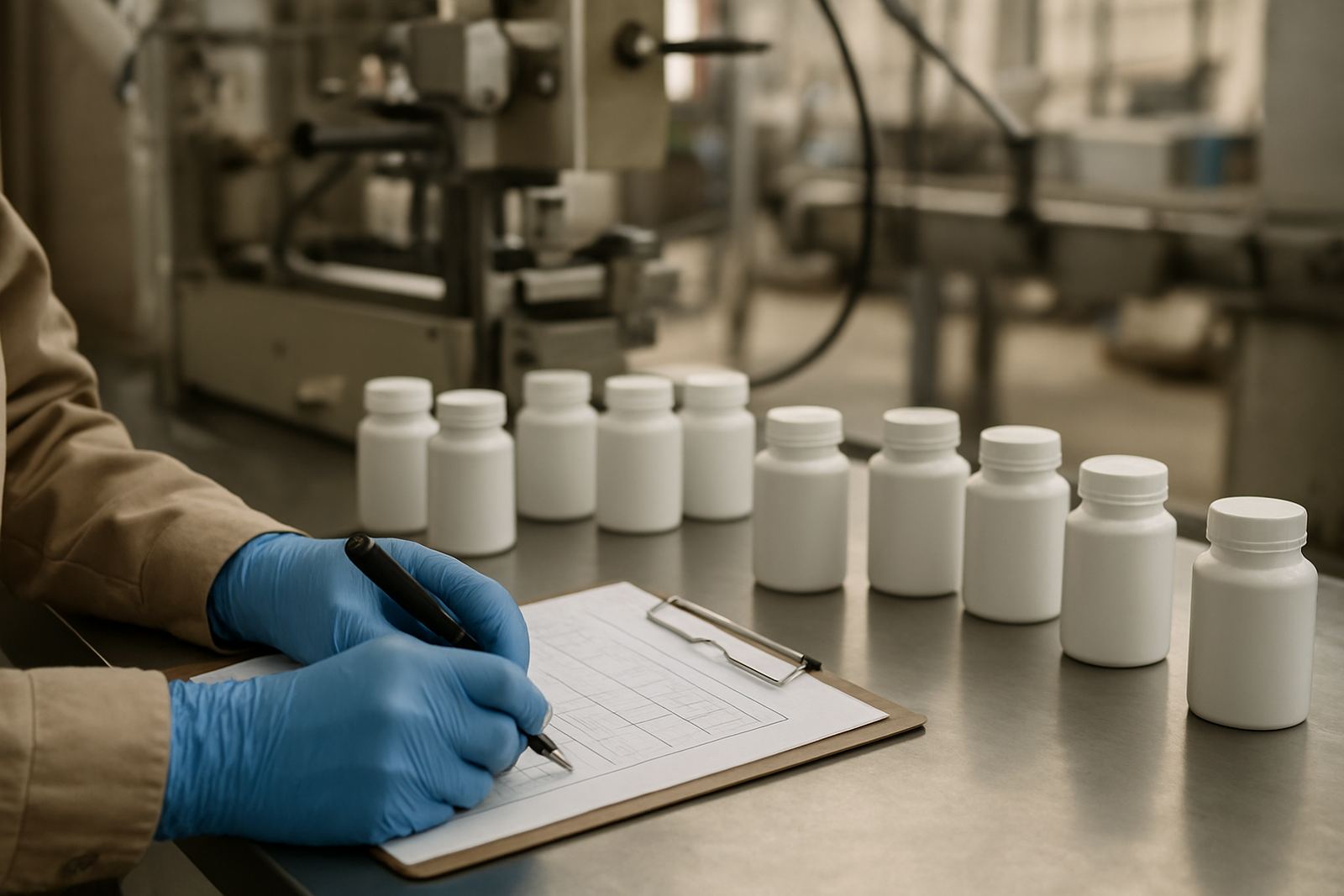
As a rule, narrower necks and lighter bottles need more attention to torque control, while heavier bottles may tolerate a broader range. But no rule replaces testing. At Bottle Sealers, liner matching is usually done against the actual container and closure, then checked during commissioning and seal validation so the pack performs properly on the production floor, not only in a sample run.
- Confirm bottle material before selecting the liner.
- Check neck finish, neck height and closure thread profile.
- Test the liner at line speed, not only by hand.
A practical Durban example from product trial to production
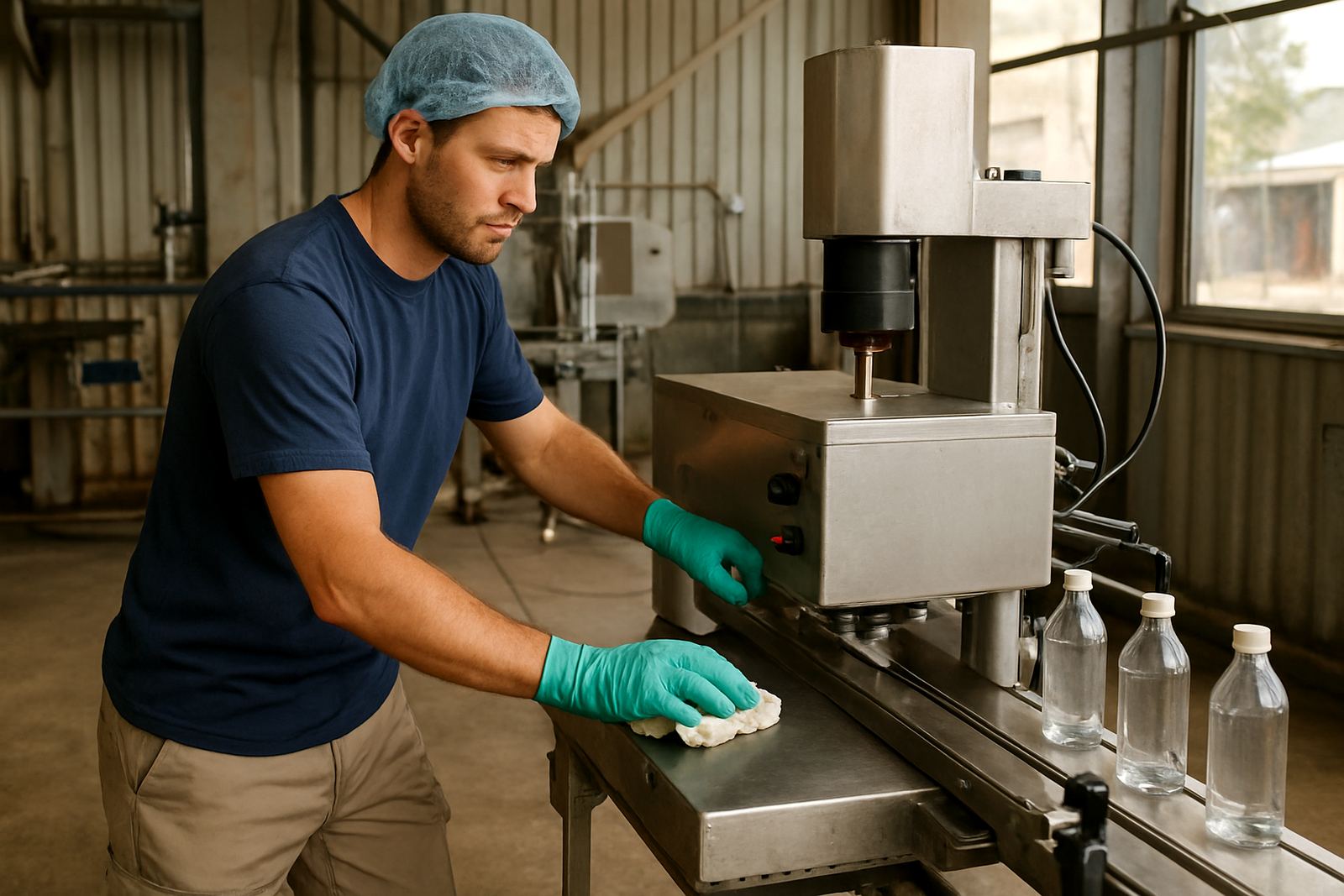
A food processor in Jacobs may fill a sauce into HDPE bottles on a warm afternoon shift. The first issue might look like a capping problem, but after inspection the real cause is a liner that is not seating evenly under humidity and line vibration. A move to a better matched foil liner, plus a small adjustment to torque and induction settings, can cut leaks and reduce rework.
The same thinking applies to a chemical pack in Prospecton or a syrup line in Pietermaritzburg. The best liner is the one that suits the product, the bottle and the conditions at the plant. If a line runs through power interruptions or partial restarts during load-shedding, the seal should still be repeatable once the line comes back on. That is where proper commissioning and operator training pay off.
When to review your liner choice
A liner should be reviewed whenever the pack changes, the product changes or the line starts showing repeat faults. Small shifts in supplier material, cap torque or bottle moulding can affect seal quality. If you are seeing leaks, poor tamper evidence or customer complaints about opening, the liner should be part of the investigation.
It is also worth reviewing liner stock before seasonal peaks, especially for businesses sending product nationwide. The right material needs to be on hand in the right size, and the sealing settings should be stable before volumes rise. A short preventive maintenance visit can save a lot of stoppages later, and it is far easier than sorting out failed packs after dispatch.