Why liner storage matters before the cap ever reaches the line
Foil liners are often treated like minor consumables, yet they have a direct effect on seal integrity. If a liner gets bent, damp, dusty or mixed with the wrong size, the result can be poor induction performance, complaint returns or a batch that needs rework. In food, pharma and chemical packing, that is not just a cost issue, it can become a product safety issue as well.
Good storage starts the moment liners arrive on site. Boxes should be checked for damage, batch codes recorded and stock moved straight to a clean, dry holding area. Do not leave cartons standing near open doors, wash bays or pallet wrapping stations where dust and moisture are common. In Durban and along the coast, humidity can creep into poorly sealed stock faster than many teams expect, especially in summer.
When liner stock is treated properly, operators spend less time sorting through mixed cartons and more time keeping the line running. That matters on busy shifts where one missing roll can stop a capping line and hold up dispatch.
Choose a storage area that keeps moisture, dust and heat under control
Foil liners do not need special treatment, but they do need a sensible store room. A dry enclosed area with stable temperature is the first requirement. Avoid direct sunlight, roof spaces that heat up during the day, and areas close to steam lines or hot process equipment. Heat can affect packaging materials and weaken adhesives over time.
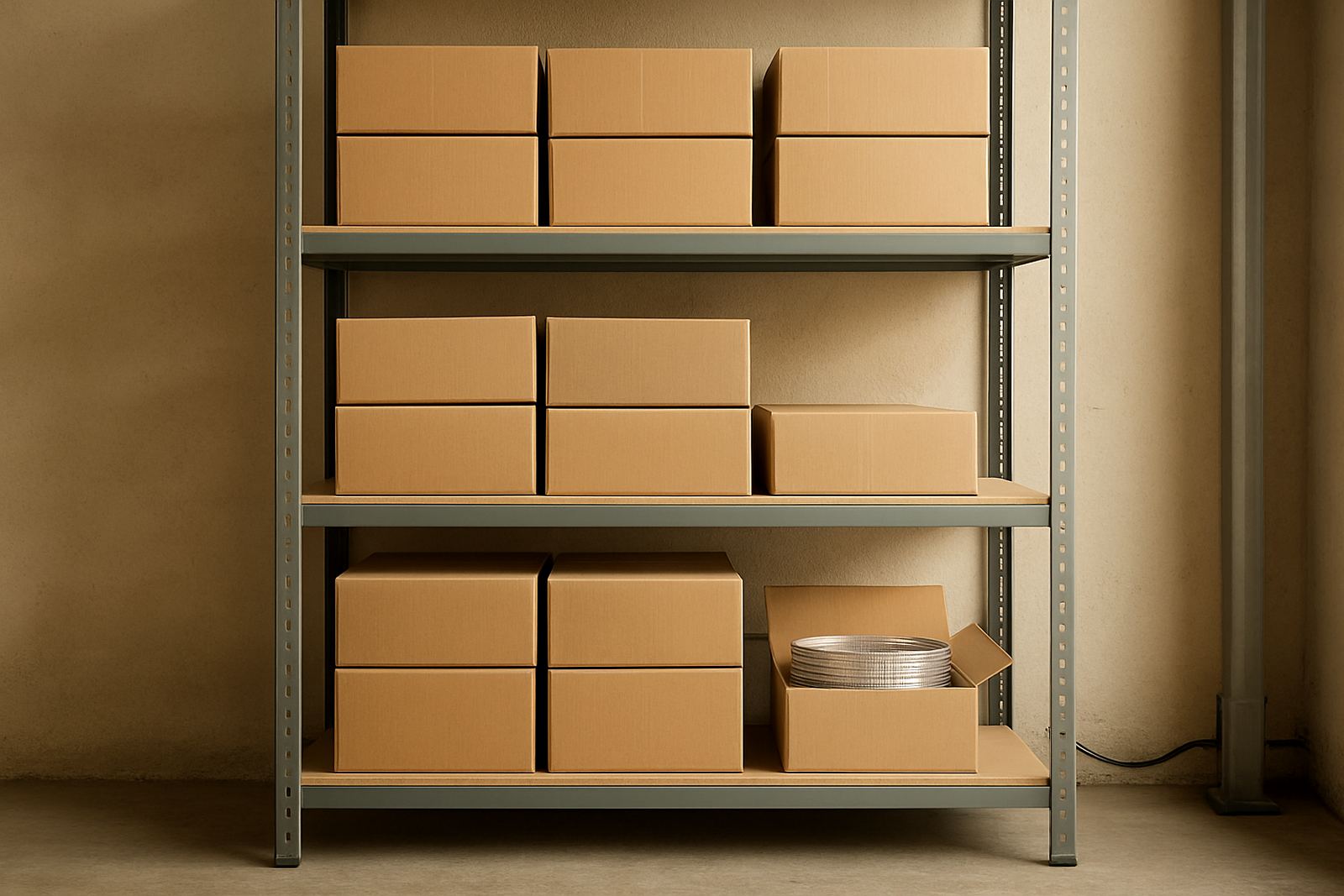
For most operations, the goal is simple: keep liner stock off the floor, away from walls and away from traffic. Use shelving or pallets so cartons do not sit on concrete where they can pick up damp. In coastal towns such as Durban, Pinetown and Richards Bay, this is especially important because night air and morning moisture can settle in the store before the shift even starts.
- Keep cartons on racking or clean pallets, never directly on the floor.
- Store away from doors, windows and loading bays where dust and rain can enter.
- Avoid stacking too high, as crushed cartons can deform the liners inside.
- Keep chemicals, cleaning fluids and solvents in a separate area.
Use stock identification that prevents mix-ups on busy shifts
One of the most common problems with liner stock is not damage, but confusion. A carton opened in a rush can be put back on the wrong shelf, or two similar sizes can be moved without clear labelling. That creates mistakes at the capper, where the wrong liner size may appear to fit but will not seal correctly once induction starts.
Every carton should carry a visible label showing liner size, cap type, batch number and date received. If your operation uses several pack formats, colour-coded shelf markers can help operators identify the correct stock quickly. This is useful in plants with rotating staff or night shifts, where the person collecting stock may not have been involved in the original order.
It also helps to keep a simple issue log. Record which line, product and shift used a carton. That gives you traceability if a seal complaint comes in later and saves a lot of time when checking whether the right liner was loaded. A few minutes of control now can prevent a full pallet of product from being questioned later.
- Label each carton clearly on two sides.
- Separate similar sizes so they are not stored next to each other.
- Use first in, first out stock rotation.
- Keep opened cartons closed again after each issue.
Handling rules that protect foil liners from bends, dust and fingerprints
Foil liners are easy to damage if people handle them roughly. A liner that is creased, folded or contaminated with dust may still look acceptable at a glance, but it can seal unevenly or fail completely once the bottle passes through the induction head. That is why handling rules need to be simple and enforced consistently.
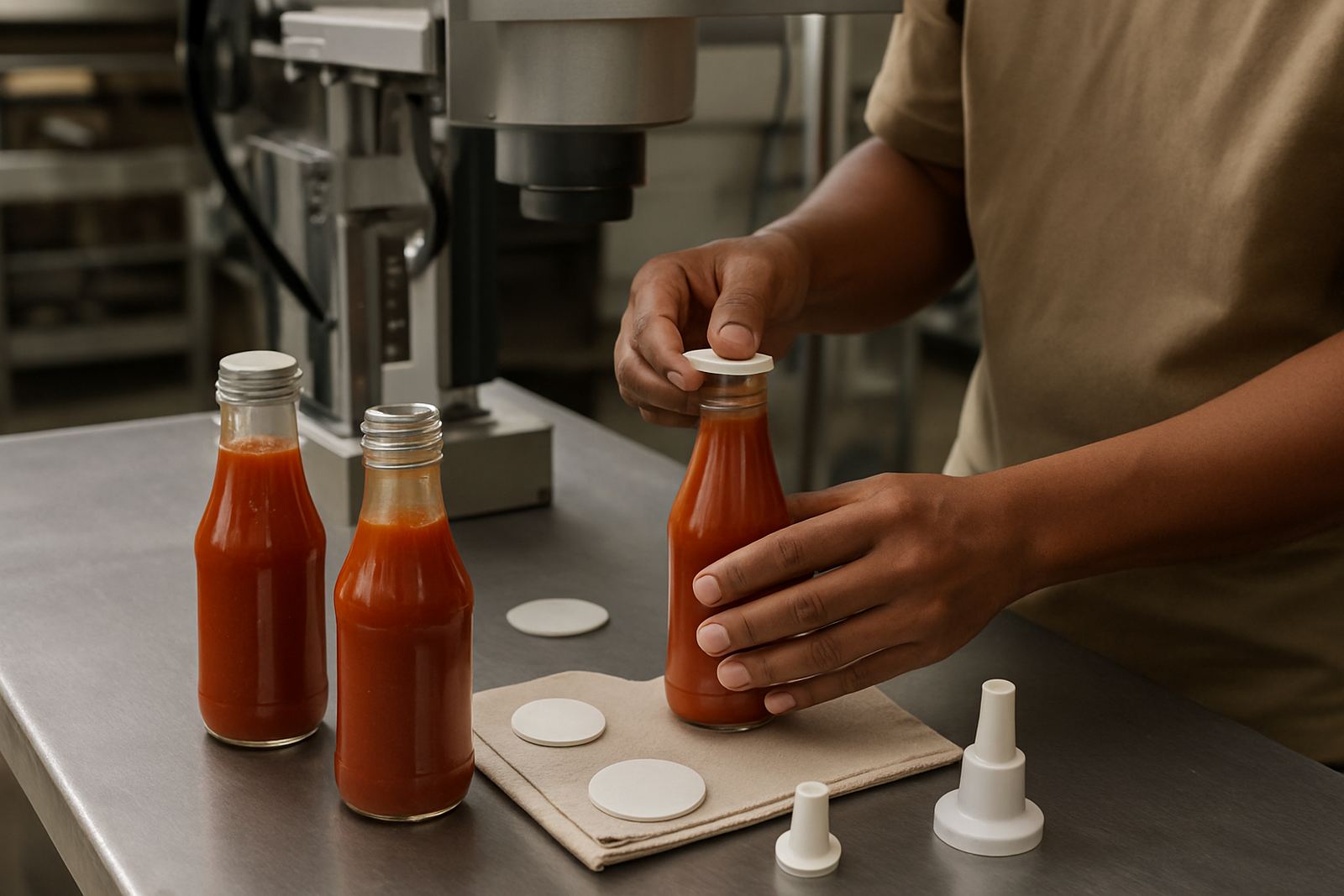
Staff should open cartons only at the point of issue, and liners should be taken out with clean hands or clean gloves. Never place loose liners on the floor, on oily benches or against wet surfaces. If a liner drops, do not put it back into active stock unless your quality procedure allows that and the liner remains clean and undamaged.
For sites running through load shedding or generator changeover, it is worth keeping the store area tidy and secure. A half-lit room with hurried movement is a common place for stock to get knocked over or mixed up. Good lighting, clear walkways and a fixed issue point make a real difference, especially in larger operations where multiple teams collect materials during a shift.
What to do with opened cartons, partial rolls and slow-moving stock
Opened cartons need just as much attention as full ones. Once a carton has been opened, seal it again with tape or a clean closure method and mark it clearly as open stock. Partial rolls or part-used packs should never be left loose on a shelf where they can collect dust or be mistaken for a full pack. If your site uses more than one format, mixed remnants should be separated immediately.
Slow-moving stock deserves a review. If a liner size is only used occasionally, set aside a dedicated shelf position for it and check it during monthly stock counts. This helps avoid old stock being forgotten behind newer deliveries. In some cases, a product change or cap change means older liners are no longer suitable, so date control matters as much as quantity control.
- Mark opened stock clearly with the opening date.
- Keep partial packs in a separate bin or tray.
- Do a visual check before issue to the line.
- Remove damaged or doubtful stock from use straight away.
A Durban example: keeping liner stock ready in humid conditions
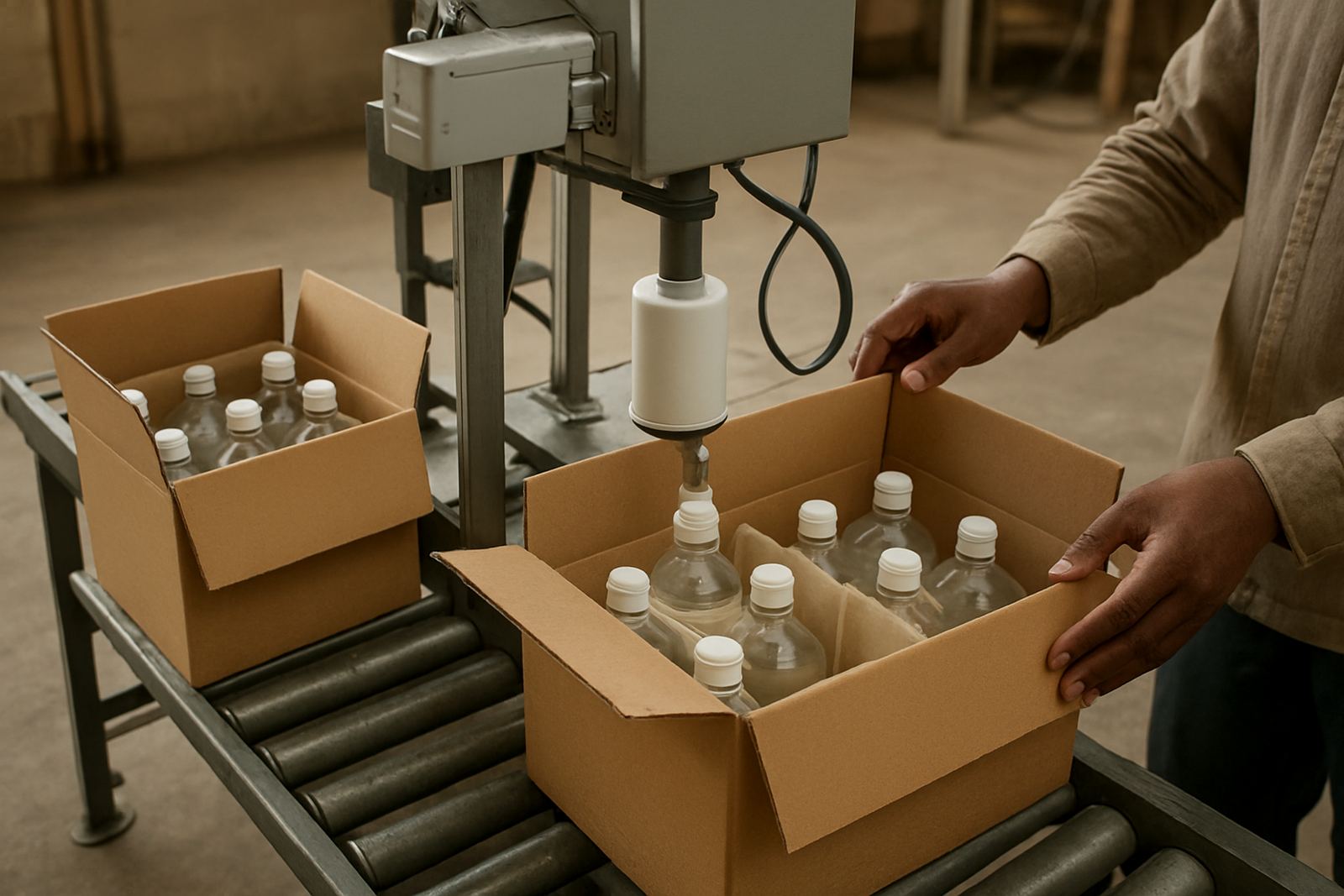
At a Jacobs packing site, liner stock can move quickly between receiving, store control and the capping line. The challenge is often not lack of space, but pressure on the team. A carton arrives with a batch of liners for a food product, another for a chemical container and a third for a pharmaceutical pack, all in one afternoon. Without a clear storage method, mix-ups happen fast.
The practical fix is straightforward. The store team keeps each liner type on a marked shelf position, batch labels facing outward. Opened cartons are closed after issue, and the line operator signs for what was taken. During wet weather, cartons stay on pallets and are not left near the roller door. That small routine has a real effect on seal quality, because the line receives cleaner, better identified stock every time.
For businesses in Durban, Pinetown, Prospecton, Pietermaritzburg and Richards Bay, this kind of discipline is often the difference between steady production and repeated stoppages. When the sealing team knows the stock is correct, they can focus on the machine settings, not on whether the liner came from the right carton.
When storage issues point to a bigger line problem
If liners are being damaged often, or if operators keep reporting poor seals even though stock is stored properly, the issue may lie elsewhere in the process. Check whether cartons are being squeezed into poor shelf spaces, whether the line speed is too high, or whether the capper and induction head are not matched to the liner type. Incorrect cap pressure, bottle variation or poor liner matching can all look like storage faults at first glance.
It helps to review the whole pack-off area, from store to line feed. A good storage setup is only one part of the system. If the team still sees seal failures, the next step is to inspect handling, liner matching and machine settings before the problem becomes a recurring cost.
Bottle Sealers supports South African packers with liner matching, seal validation, preventive maintenance and breakdown repairs, along with site installation and operator training from Jacobs in Durban. For advice on keeping liner stock clean and organised, send a message through our contact form.