Why liner scorching starts on the line, not in the cap
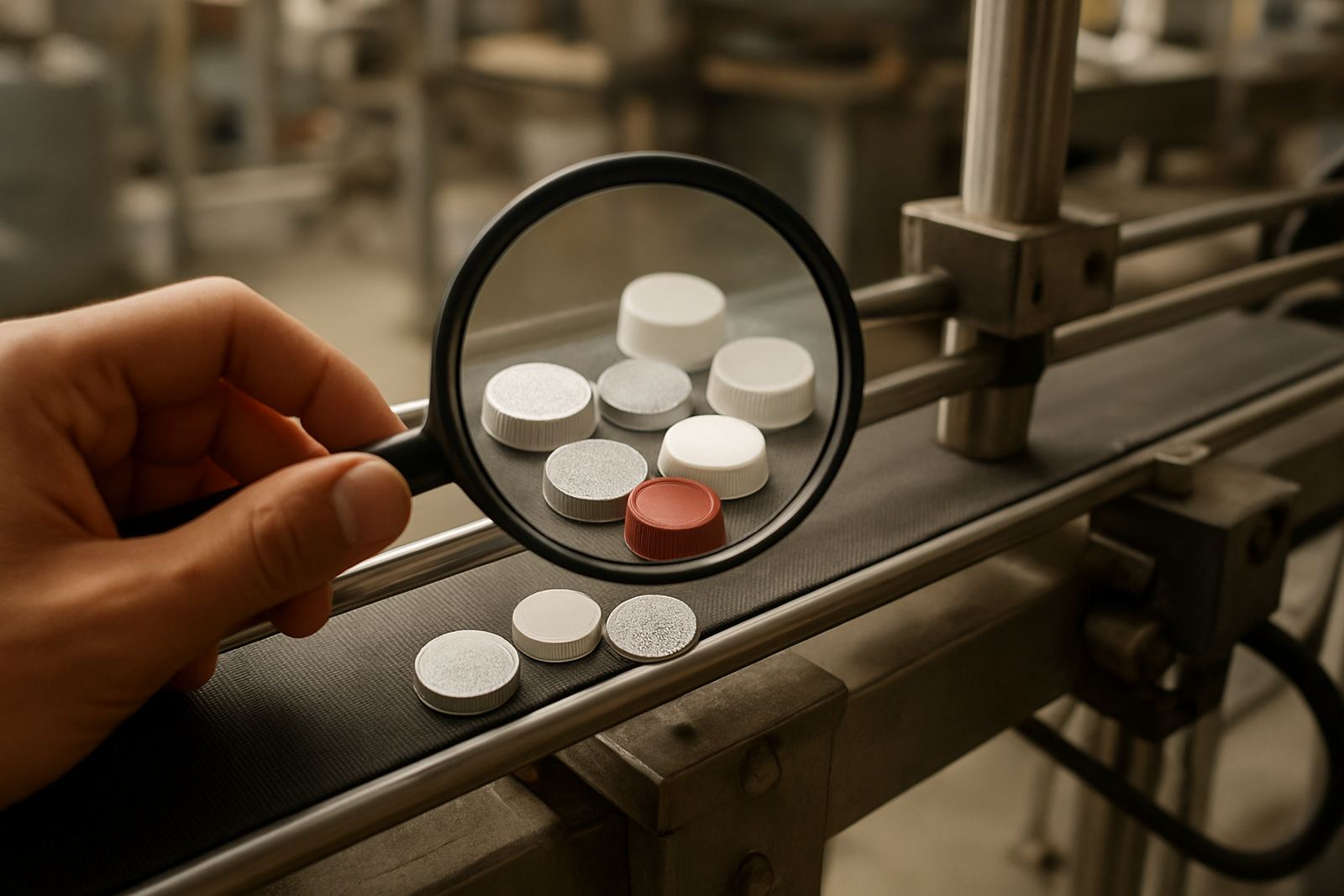
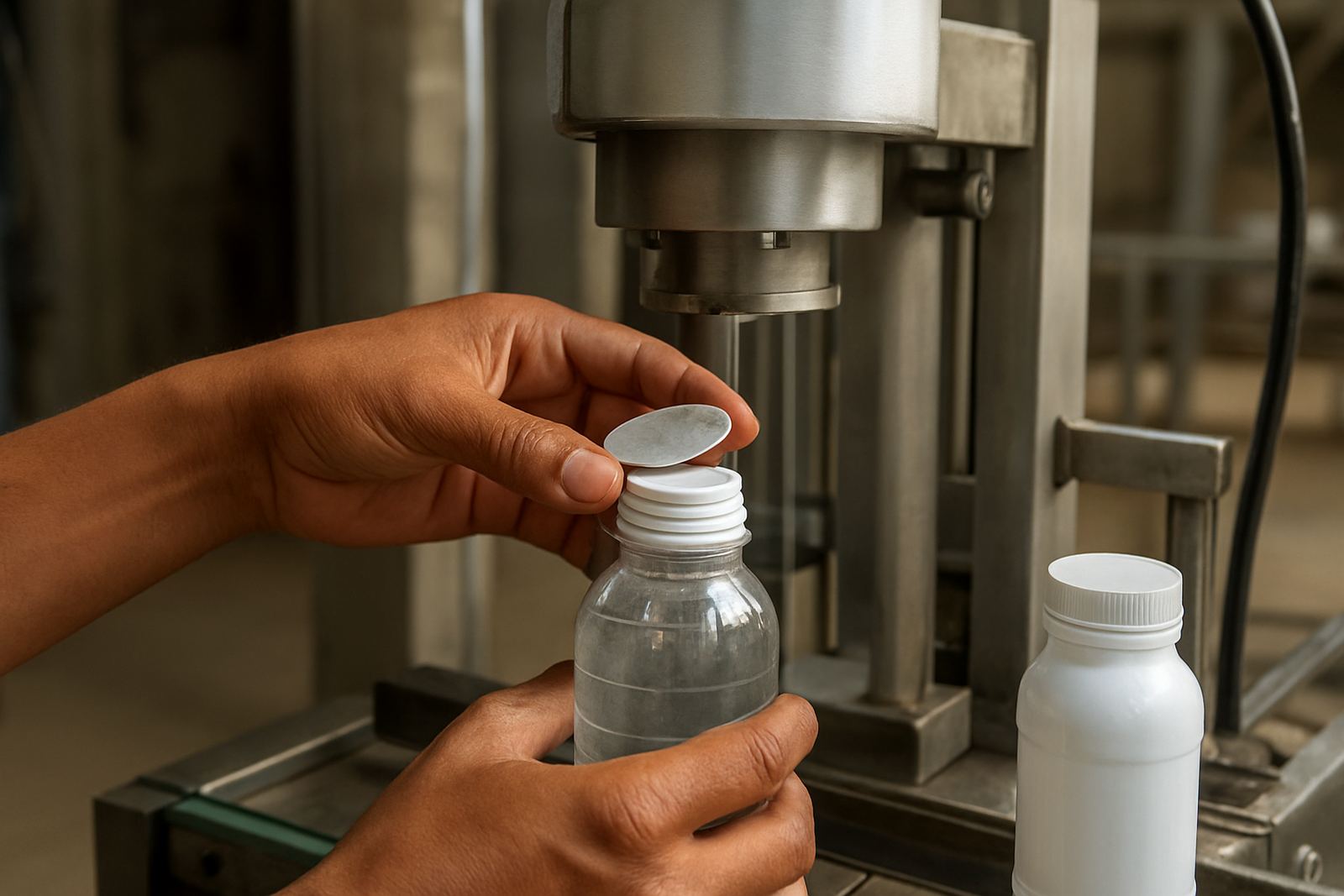
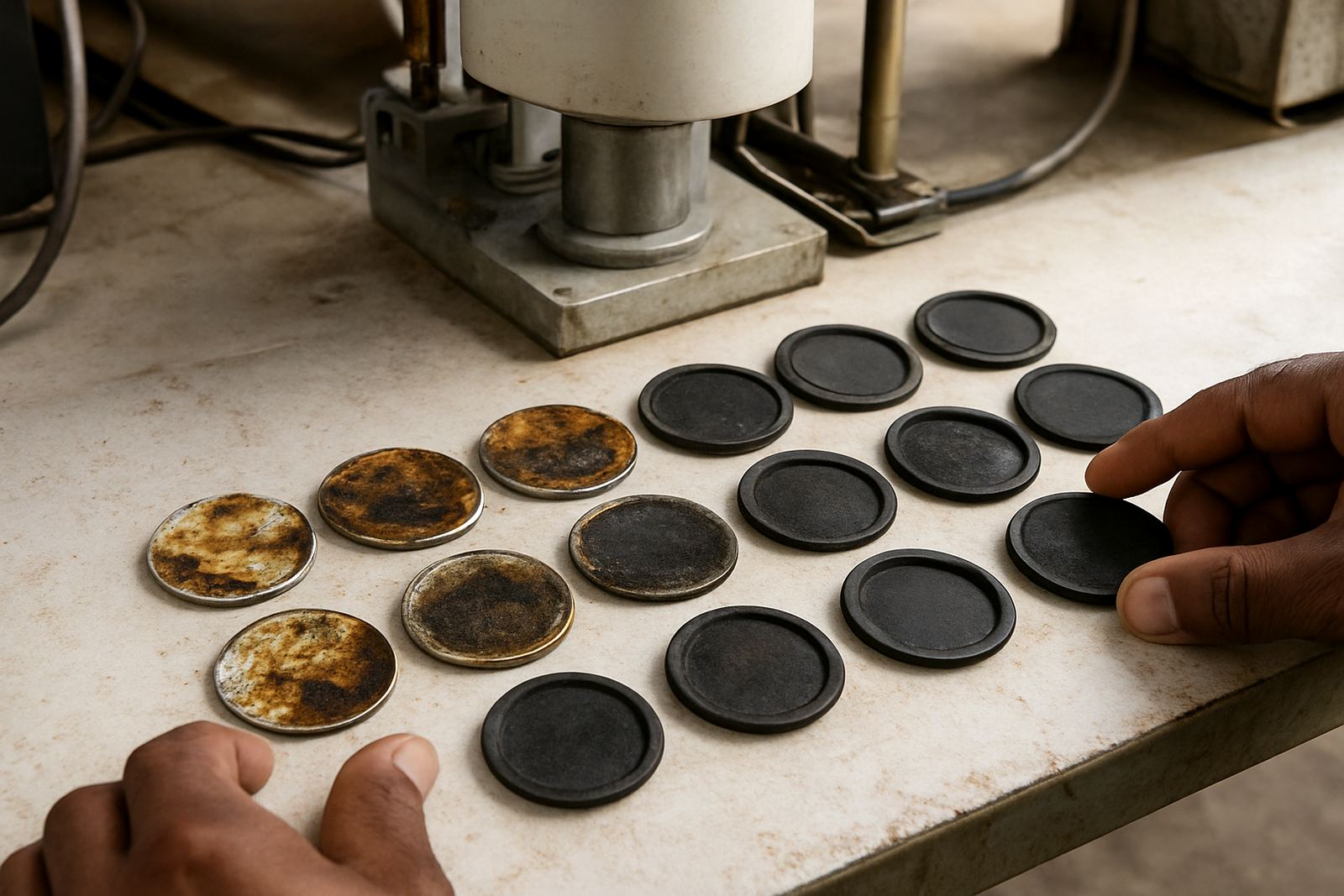
When a liner comes out brown, brittle, or marked in patches, the first reaction is often to blame the liner itself. In most cases, the real cause is too much heat getting into the cap assembly, or heat staying in one area for too long. Induction sealing is meant to warm the foil layer enough to bond the liner cleanly to the bottle finish. If the power, dwell time, head height, or conveyor speed are off, the liner can overcook before the seal is even complete.
In Jacobs and Prospecton we often see this on lines that have changed pack sizes or bottle materials without a fresh setup. A line that ran well on a 500 ml PET bottle may start scorching a different neck finish, wider cap, or thicker liner. The operator then nudges the power higher to chase a tighter seal and the problem gets worse, not better.
The common overheating triggers to check first
Scorched liners usually come from a short list of faults. Some are simple and some take more careful testing. The good news is that most can be traced with a proper line review rather than trial and error.
- Head set too low, which concentrates energy and overheats the cap skirt.
- Line speed too slow, giving the bottle too much exposure under the sealing head.
- Power set too high for the bottle size, liner spec, or cap material.
- Product level too high, creating splash or temperature rise near the finish.
- Misaligned containers, which cause uneven heating and patchy scorch marks.
- Inconsistent cap torque, especially where caps are loose on the thread.
We also look at the bottle finish itself. Some necks, especially on lighter containers, sit more sensitive to heat than people expect. If the finish is soft, warped, or dusty, the liner may grab badly on one side and overheat on the other.
What to change before you raise the heat again
The safest way to solve the problem is to reduce the stress on the seal process before touching the power setting. That often means making small changes in sequence and checking the result after each one. If several settings are changed at once, it is hard to know what actually fixed the issue.
Start with alignment and head height. The sealing head should sit square and close enough to transfer energy evenly, but not so close that it scorches the cap face. Then check conveyor speed and bottle spacing. A line that pauses, surges, or stops during load shedding recovery can leave some containers under the coil for too long. That is a common cause of burn marks on busy Durban packaging floors.
Once the mechanical side is right, look at the liner grade. Some foil liners need a different heat profile depending on the product, cap, and bottle finish. If the liner is too sensitive, the answer may be a better match rather than more heat.
- Reset head height with a calibrated sample pack
- Confirm conveyor speed against the actual output rate
- Check cap torque and bottle finish cleanliness
- Test a liner grade suited to the product and closure
Signs the seal is getting too hot before the liner burns
By the time a liner is blackened, the problem has been running for a while. Earlier warning signs are easy to miss on a busy shift, so operators need to know what to look for. A seal can still pass a quick visual check while already being damaged by excess heat.
Watch for foil that wrinkles more than usual, adhesive that looks shiny or over-melted, and liners that peel unevenly from the cap after opening. If the liner leaves residue on the bottle finish or smells scorched, the process needs immediate attention. In chemical and pharmaceutical packing, heat damage can also affect confidence in tamper evidence, which is why the seal must be repeatable not just strong.
On food lines, scorched liners can create waste through rejects and rework. On liquid chemical lines, overheating can be more serious because container distortion or weak closure performance may show up later in storage, especially in warm coastal conditions.
A Durban example from a hot, stop start shift
One local case from a Jacobs-based packing room involved a line sealing plastic bottles during a humid summer week. The operator reported brown rings inside the cap and an occasional burnt smell after changeover. The line had also been stopping and starting while power returned after a municipal interruption, so bottles were spending longer than expected under the sealing head.
When the setup was checked, the head height was slightly low and the dwell time had been increased to compensate for a weaker earlier run. That combination was fine on paper but too aggressive for the bottle and liner being used. After the team corrected the head position, restored the speed to spec, and matched the liner to the closure properly, the scorching stopped and seal consistency improved across the shift.
This is the point many plants miss: the issue is often a process chain, not a single bad setting. If one part of the line changes, the sealing result changes too.
Keeping seals stable through maintenance and training
Once scorching has been fixed, the next step is keeping it fixed. That means a simple routine for operators and maintenance staff, plus proper records of the settings that work. A line that is stable in winter can behave very differently in summer, especially in Durban, Richards Bay and other coastal areas where humidity and heat affect packaging conditions.
Regular checks should cover the sealing head, conveyor timing, cap feed, and the condition of spare liners held on site. If the pack format changes often, keep a written setting sheet for each bottle and closure combination. That saves time during shift handovers and reduces guesswork when there is pressure to get production back up after a stoppage.
- Record the correct power, speed, and head height for each pack format
- Inspect caps and liners during every changeover
- Train operators to spot early scorch signs
- Schedule preventive maintenance before faults show on product
With the right setup, induction sealing gives a clean finish and dependable product protection. When liners scorch, the answer is nearly always to step back, check the process from bottle to cap, and correct the settings before damage becomes routine.