Why HDPE needs a different sealing approach
HDPE has a waxy surface and a degree of flex that can make sealing less forgiving than on other pack types. If the cap is not applied squarely, or if the liner does not suit the bottle finish, the seal can look fine at the line but fail later in transit or in a hot store room.
For South African packers, that matters across pharmacy, sauces, cleaning liquids and reagents. A bottle leaving Jacobs in good order can still spend a day in a delivery vehicle, then sit in humid coastal conditions or in a warm warehouse in Pietermaritzburg. That is where weak bond strength shows up.
Induction sealing gives a strong top closure when the cap, liner and bottle neck are matched correctly. The goal is not only to close the bottle, but to create a clean seal that holds through handling, vibration and temperature change.
The common sealing faults we see on HDPE lines
Most HDPE sealing problems start with small line issues rather than a single major fault. Cap application may be slightly off centre, the torque may drift during a shift, or the induction head may be set too high for the pack height. On a line that runs through load-shedding recovery, those settings can change more than people expect.
- Seal failures after transit because the liner was not matched to the neck finish
- Wrinkled foil from uneven cap pressure or bottle movement under the head
- Partial seals caused by incorrect dwell time or heat output
- Leakage around the shoulder when bottles have mould variation
- Product lift in the neck when filling leaves contamination on the rim
In practice, the seal is only as good as the bottle finish and the line discipline around it. If the neck has dust, liquid splash or product crystals on it, even a good liner can struggle. That is why pre-checks before start-up save time later.
Choosing the right liner for the product inside
HDPE bottles carry very different products, so the liner has to suit what is inside the pack. A food product, a thick chemical, and a pharmaceutical solution each place different demands on the bond. Some need tamper evidence first, others need chemical resistance, and some need a clean peel for the end user.
Foil liners are common because they create a reliable barrier and can improve shelf confidence. But the structure under the foil matters too. The wrong backing can react badly to solvent vapours, moisture or oily contents. That is why liner matching should never be treated as guesswork.
- Check product chemistry against the liner layer, not only the cap size
- Confirm whether the pack needs a full seal, a vented seal, or a peelable option
- Test the liner on the actual bottle mould, not just a sample neck
- Allow for storage conditions in Durban, coastal humidity can change performance over time
For smaller and mid-sized runs, it is worth keeping records by bottle code and batch. If a 500 ml HDPE bottle seals well today but shows lift after a week, that history helps narrow the cause quickly.
Getting consistent results on fast packing lines
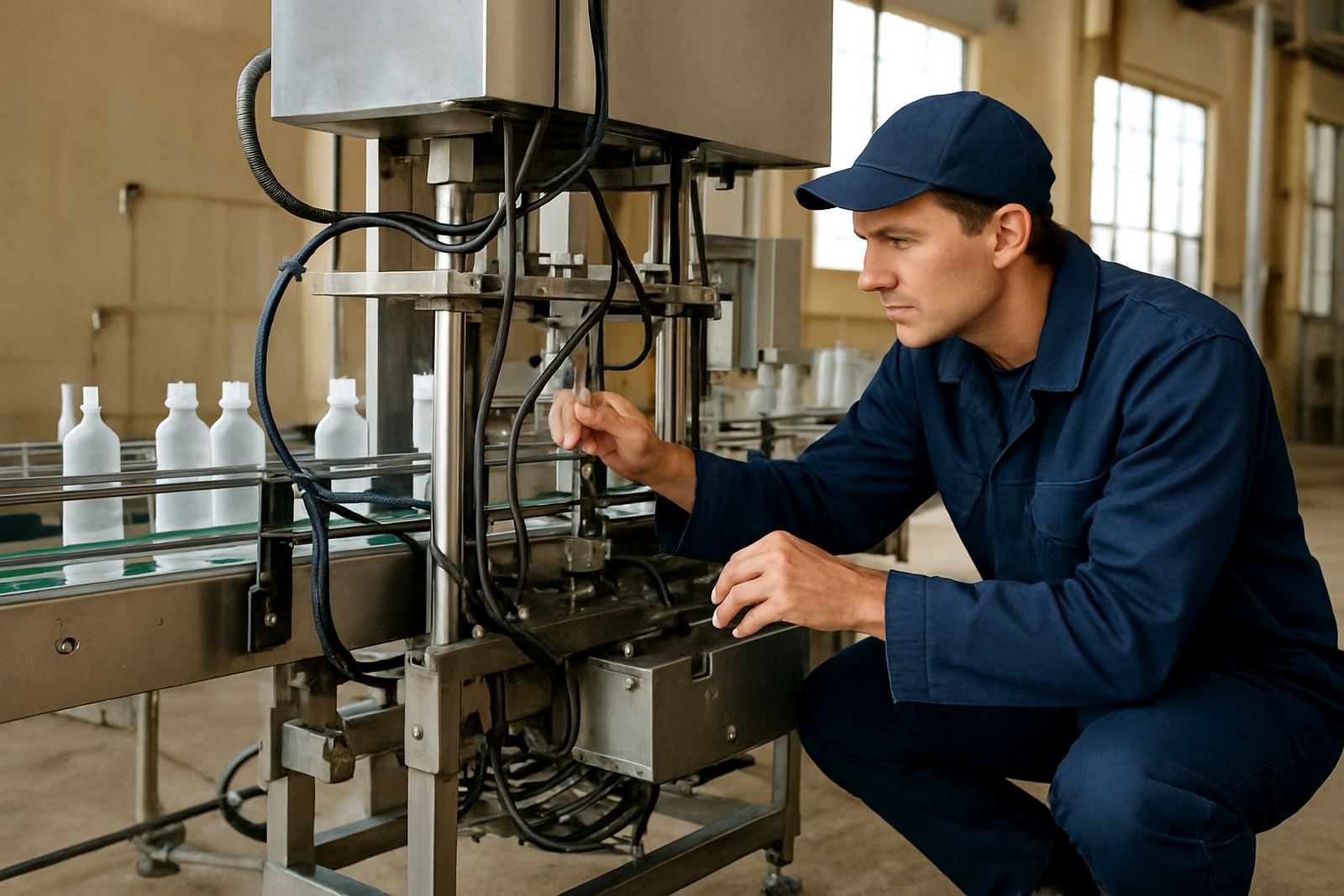
Consistency comes from setting the line up properly, then keeping it there. The capper must apply the same torque across the shift, and the induction head needs the right height and alignment for each bottle format. If operators change formats often, the handover notes should include the exact settings, not just a general instruction.
On busy sites in Prospecton or Pinetown, line speed can be the pressure point. Pushing too hard on throughput often creates micro faults that only show during quality checks. A small drop in speed is cheaper than rework, especially where finished stock must pass a release inspection.
A practical line check should include the neck finish, liner placement, cap torque, seal pattern and any sign of heat distortion. When those five points stay in range, HDPE seals are usually stable. When one drifts, the failures tend to appear in batches, which is why early control matters.
Local conditions that affect seal performance
South African conditions are varied enough to matter. A pack that behaves well in a cool plant may fail in a warm store or on a truck moving between Durban and Richards Bay. Coastal humidity can soften some pack behaviours, while inland heat can put more stress on the closure.
Power interruptions also play a part. When a line restarts after a supply cut, the induction unit, conveyors and cap feed may all need a short reset period. Operators sometimes assume the settings are unchanged, but even a minor stop can shift the pattern if product has cooled or the cap feed has moved.
For chemical and pharma sites, municipal and site safety rules add another layer. Seal failure is not just a packaging issue when the product is hazardous or controlled. In those cases, the packing team should log every adjustment and keep a clear release process for any bottle that did not seal cleanly.
What a good sealing check should look like
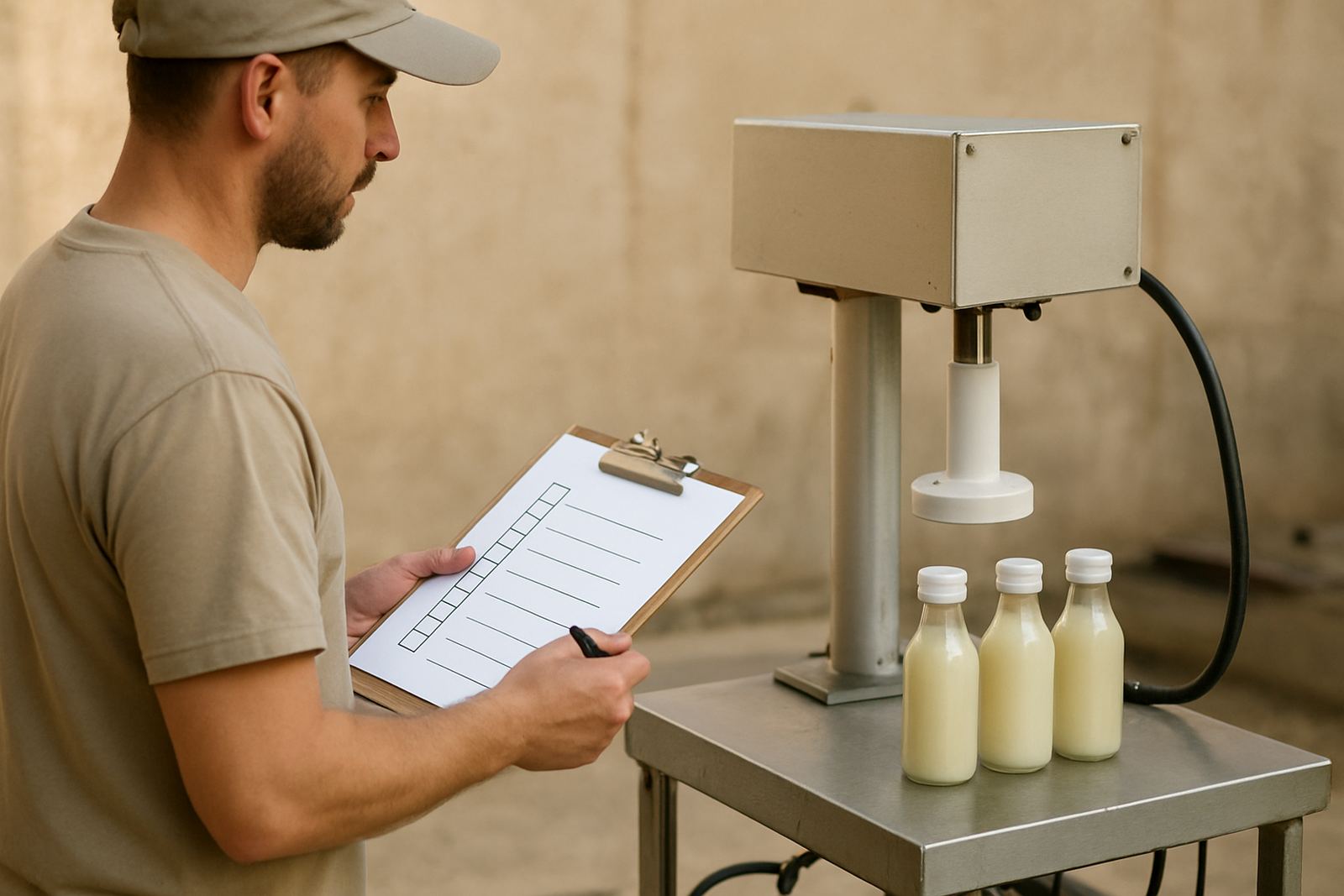
A good seal check is practical, repeatable and easy to hand over between shifts. It should not rely on one person remembering what looked right. The best lines use a short written check, then confirm the result with sample bottles from the start, middle and end of the run.
- Verify the bottle neck is clean and dry before capping
- Check cap torque at start-up and after any stoppage
- Inspect the seal ring for even bond and no burn marks
- Test sample bottles after a short cooling period, not only straight off the line
- Record any batch, bottle or liner changes against the run
In our experience, the cleanest outcomes come from a simple routine rather than a complicated one. If the team can repeat the same steps on Monday morning and Friday night, the seal quality is usually far more stable.
A Durban example: from trial run to steady output
A Jacobs based packer running HDPE bottles for a cleaning product had recurring seal lift during the afternoon shift. The line was running well in the morning, then the failure rate crept up after lunch. The cause turned out to be a mix of cap torque drift, a liner that was not ideal for the product vapour, and small amounts of residue on the bottle necks after filling.
Once the team reset the torque, matched the liner to the product and added a cleaner rim check at changeover, the problem dropped away. The change was not dramatic, just disciplined. That is often how HDPE sealing improves, through better control of the small details.
For businesses across Jacobs, Pinetown, Pietermaritzburg and Richards Bay, the message is simple: HDPE can seal very well, but only when the closure system suits the bottle and the product. If the pack must travel, sit in heat, or move through a demanding distribution chain, the seal needs to earn trust on every bottle.