Start with the fill point, not the sealer
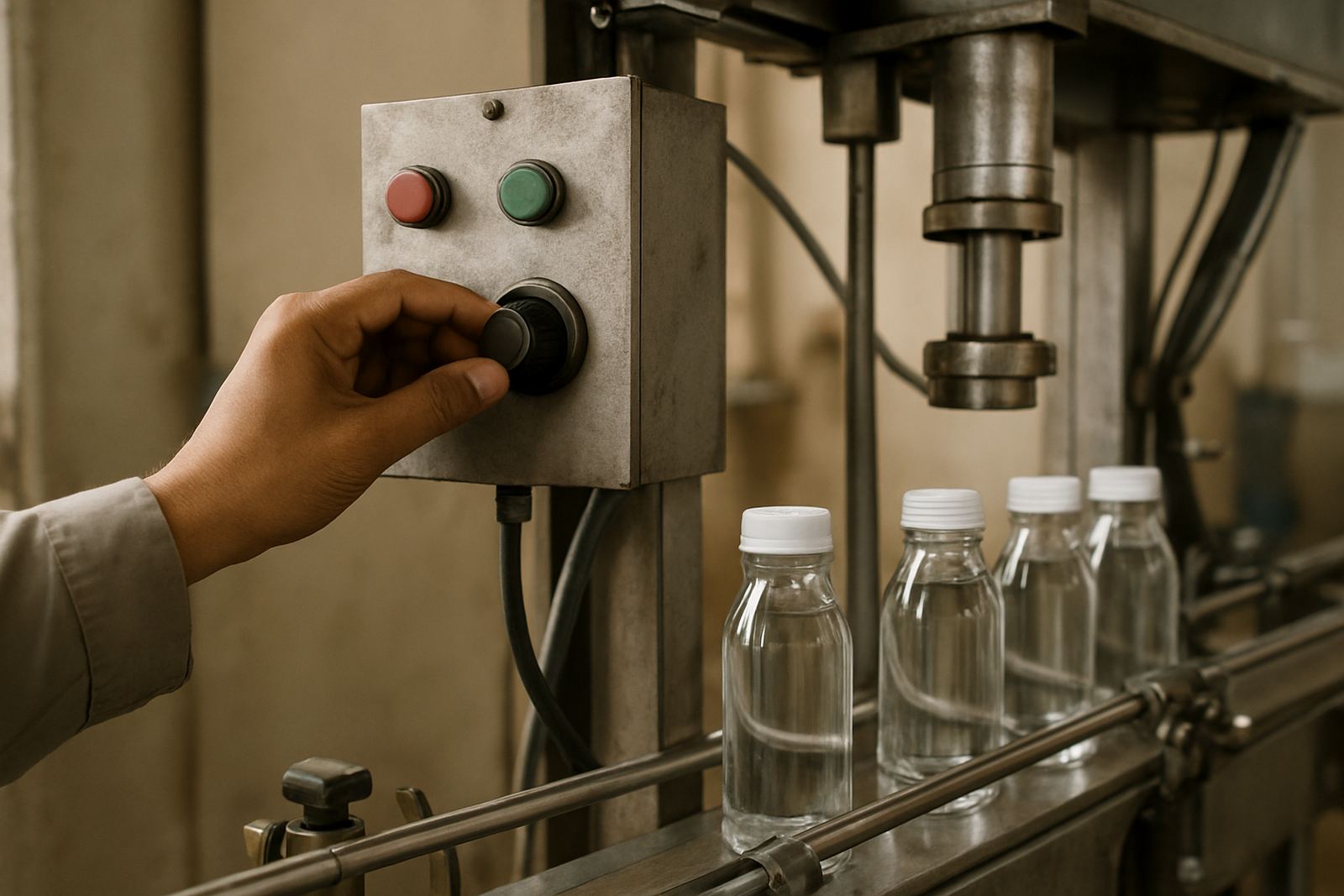
If powder is escaping at the filling head, no seal is going to fix the problem afterwards. The first step is to reduce airborne dust at source by keeping fill drops short, controlling product flow and matching the nozzle size to the pack opening. On many dry product lines, the issue is not the capper or the sealer but the way powder is bouncing back onto the neck finish during a fast fill.
In Jacobs and Pinetown we often see better results when the fill rate is slowed just enough to stop puffing, especially on light powders that float around the line. A small adjustment at the filler can save a lot of rejects later.
- Keep the fill head close to the container opening
- Avoid overfilling that leaves product on the rim
- Check product drop height after every changeover
- Use extraction where dust is especially fine
Protect the neck finish before the cap goes on
The neck finish needs to be clean and dry before the liner is seated. Even a thin film of dust can stop the liner making full contact, which leaves weak points around the seal area. If the container is handled roughly, powder can also lodge in the threads and affect torque consistency.
Use air control, brush stations or vacuum cleaning where the product allows it, but make sure the method does not push debris deeper into the threads. On some lines, a quick inverted air blast works, on others a gentle vacuum is safer. The right choice depends on the container shape and the powder type.
- Inspect the neck finish every hour during production
- Clear visible dust from threads before capping
- Check that container mouths are not chipped or ovalled
- Keep caps and liners away from open powder areas
Match the liner to the product and the closure
Not every foil liner behaves the same way. Fine powders, abrasive blends and hygroscopic products place different demands on the closure system. The liner must suit the bottle material, cap style and sealing temperature. If the liner is too sensitive, you may get uneven bonding. If it is too stiff, it can struggle to conform over minor contamination.
For pharmaceutical and chemical packs, liner matching should be done with the actual product fill, not only with a water test. In some cases a liner that works well in a cool inland plant may behave differently in Richards Bay because of coastal humidity. That small difference can affect start-up, especially after a weekend shutdown.
- Test liners with the real powder, not only empty bottles
- Confirm cap material and bottle resin before approving settings
- Recheck liner performance after a supplier change
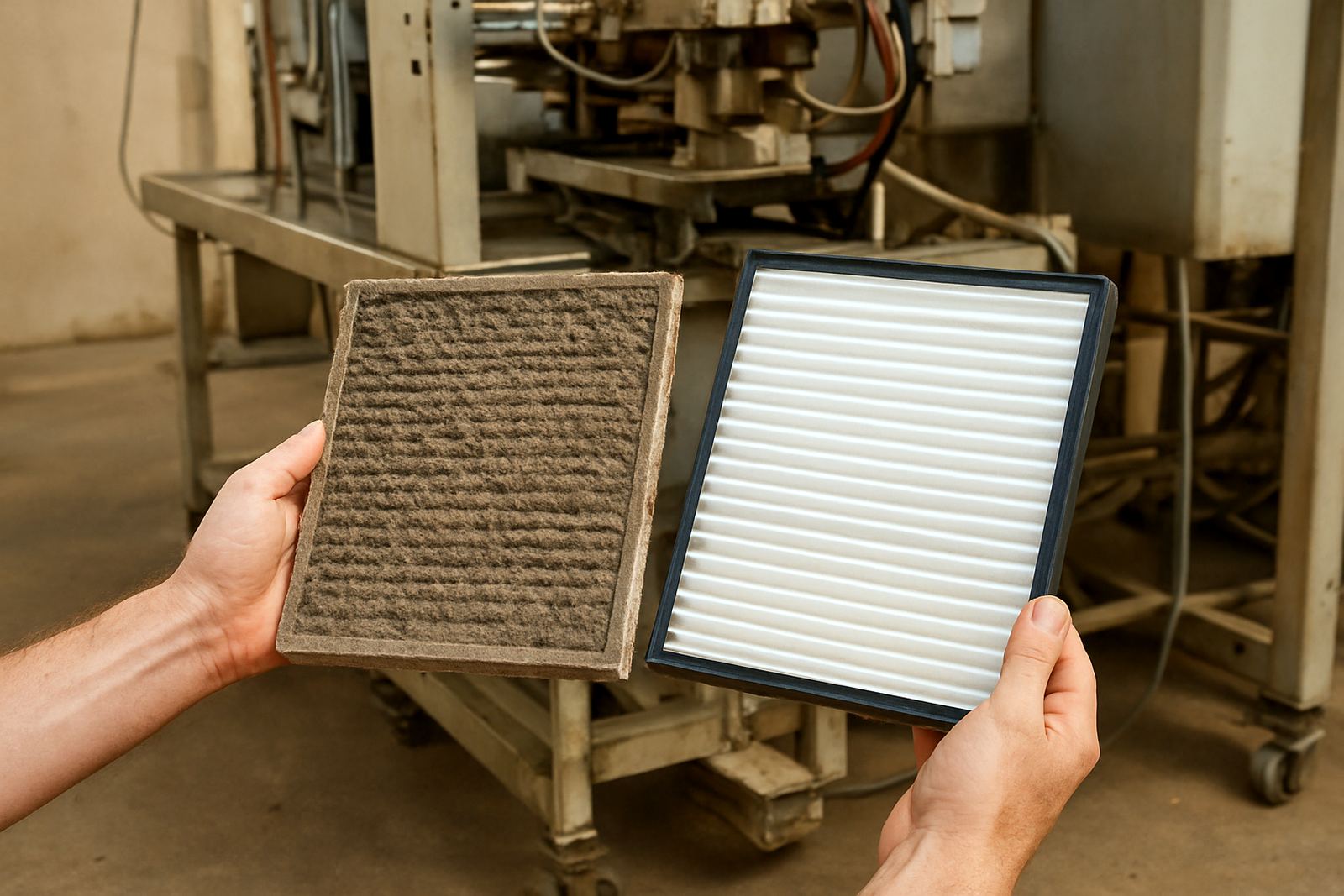
- Store liners in a dry area away from heat and dust
Set the induction head for a clean, even bond
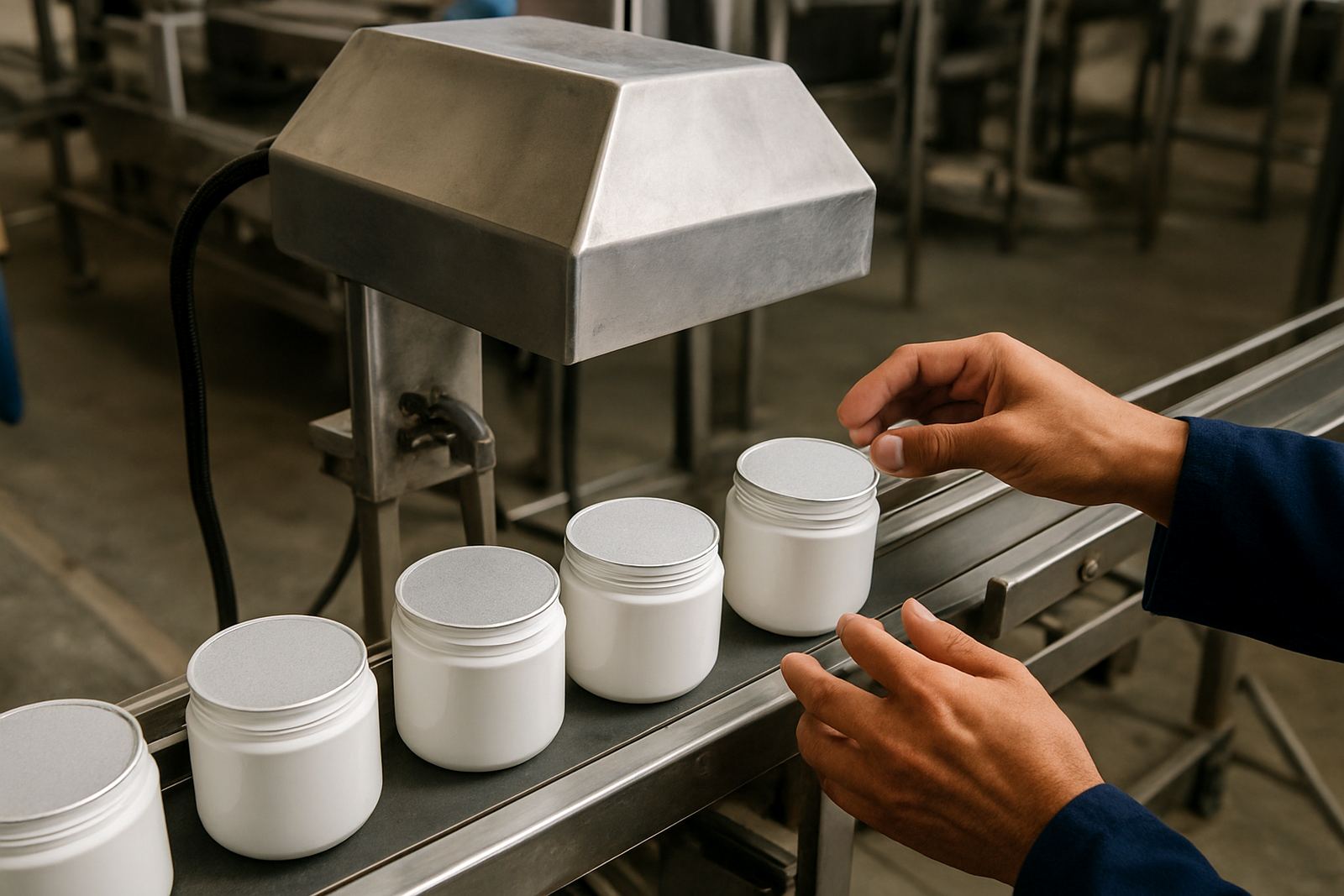
Once the container is capped, the induction head should deliver enough energy to bond the foil evenly without overheating the closure. Too little heat gives weak seals, while too much can distort the cap or cause the liner to shrink unevenly. On powder products, a dirty neck finish makes the problem worse because the heat has to work through contamination as well as the liner.
Good sealing starts with stable conveyor speed, correct head height and consistent bottle presentation. If the pack wobbles as it passes under the head, you can get patchy bonding on one side. That kind of fault is often mistaken for a liner issue when the real cause is line stability.
- Keep bottle spacing consistent at the sealer
- Check head height after maintenance or format changes
- Watch for cap skew before the pack reaches the coil
- Record seal settings for each product format
Plan around dust, humidity and load-shedding
South African plants have to manage more than just product quality. In dry inland conditions, powder can become airborne very quickly. Along the coast, humidity can make some powders stickier and create clumping around the closure area. Add load-shedding into the mix and you can lose heat stability, line timing and operator focus all in the same shift.
That is why preventive checks matter. After a power interruption, the sealer should be allowed to stabilise before production restarts. Cap feed, conveyor speed and fill timing should all be checked again. It is also worth keeping a short restart procedure at the line so operators do not guess under pressure.
- Write a restart checklist for power interruptions
- Keep spare liners and caps in sealed storage
- Schedule cleaning before the first shift on humid days
- Monitor seal quality closely after a long stop-start run
Use local support to keep the line steady
When a powder line starts dropping seals or showing contamination on the neck finish, quick support can save a lot of product. A good service team should be able to inspect the filling area, check seal settings, confirm liner match and train operators on the small habits that protect pack quality. In practice, the best results come from treating the filler, capper and sealer as one system.
For operations in Jacobs, Prospecton, Pietermaritzburg, Pinetown and Richards Bay, local commissioning and maintenance support can make it easier to respond before a problem turns into a batch hold. The aim is simple: keep dust away from the sealing face and keep the line steady enough for every cap to seal properly, first time.
- Book preventive maintenance before a major production run
- Ask for seal validation after product or format changes
- Train operators to spot neck finish contamination early
- Keep breakdown repairs and spares planning tied to your weekly output