


How to choose the right induction sealing approach
These guides are for production teams that need a clear, practical answer before they buy or change a line. Whether you pack pharmaceuticals, food, cosmetics or chemicals, the right induction setup depends on the container neck, closure type, fill speed and the level of tamper evidence your product needs.
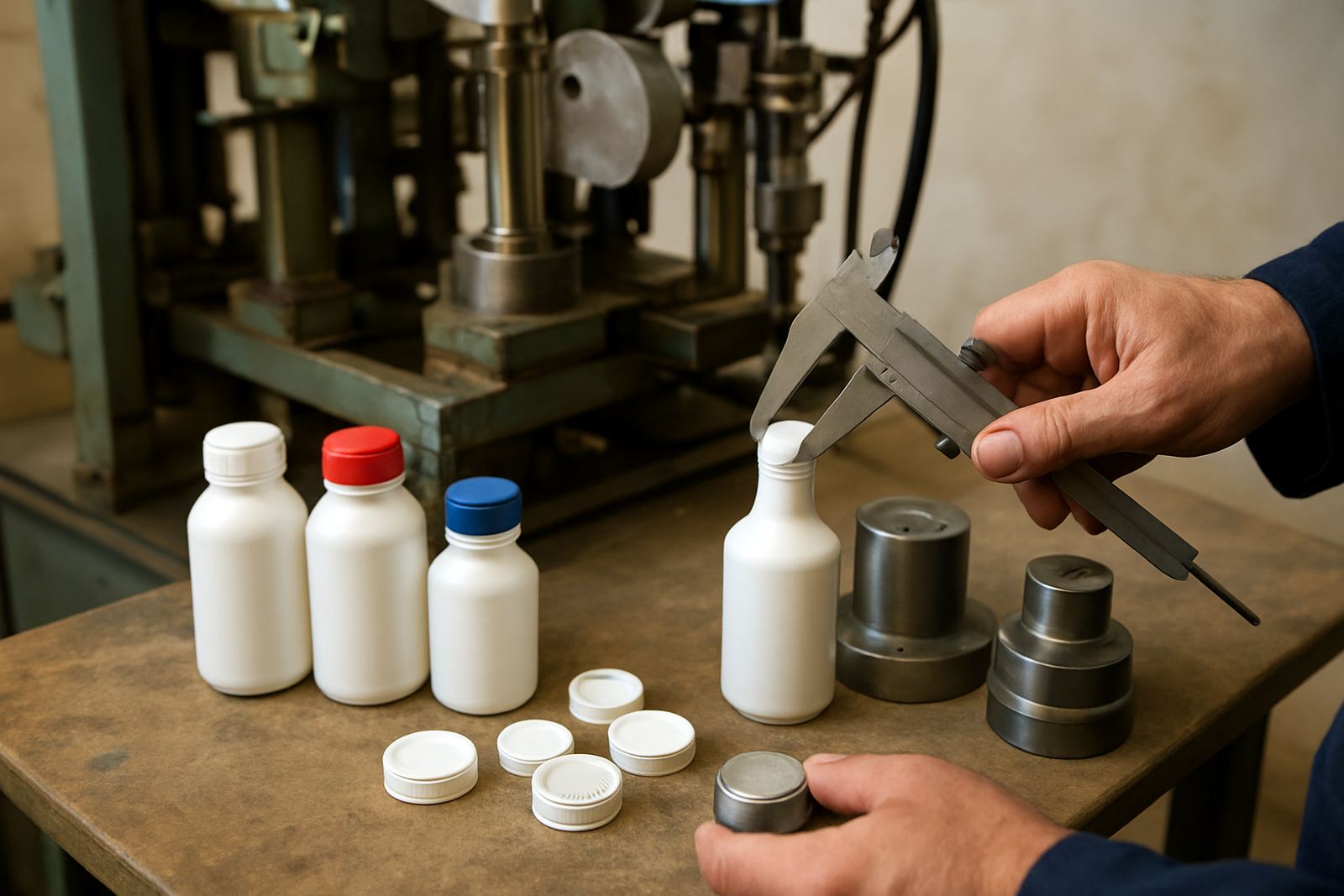
Start with your actual pack format, not just the brochure size. A 28 mm cap on a PET bottle behaves differently to the same size on a glass jar, and a line running 2 000 units an hour needs different control than a slower manual pack station. If you are in humid coastal areas like Durban or Richards Bay, storage and handling also affect liner performance.
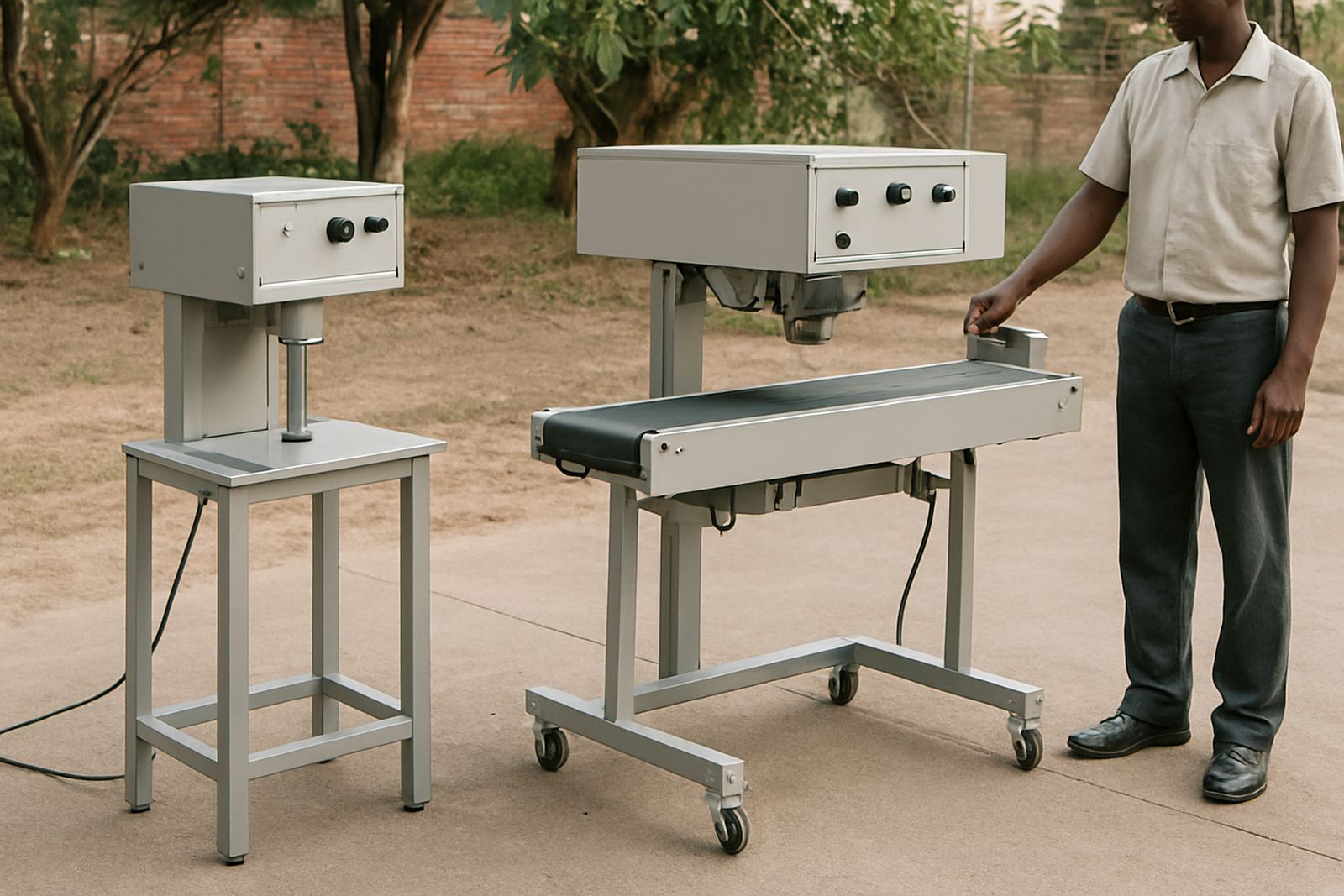
Machine sizing and line speed guides
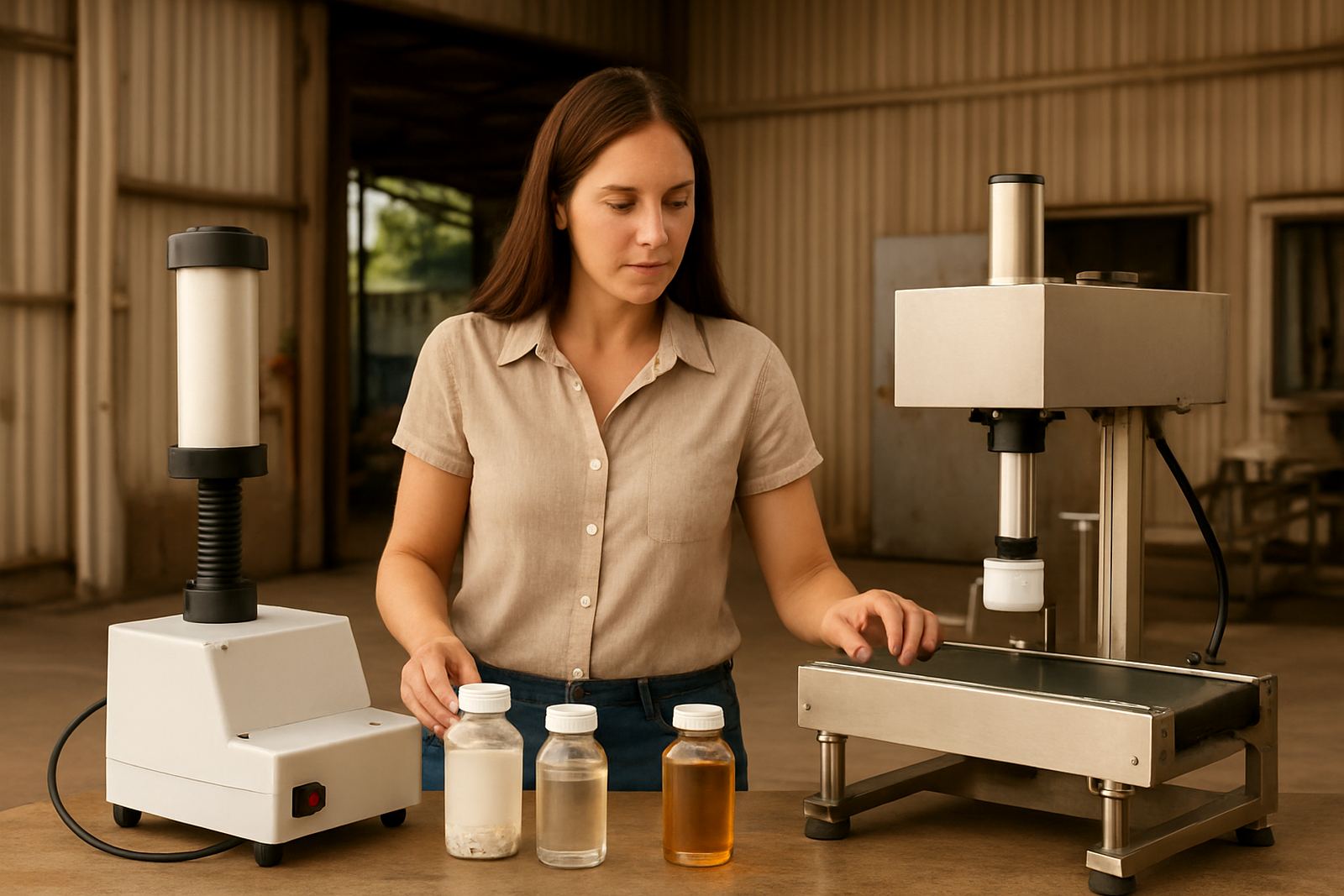
A common mistake is matching the sealer to peak output only. A better method is to size for your normal shift, your heaviest bottle and the slowest point on the line. That is how you avoid burnt liners, weak seals and unnecessary downtime.
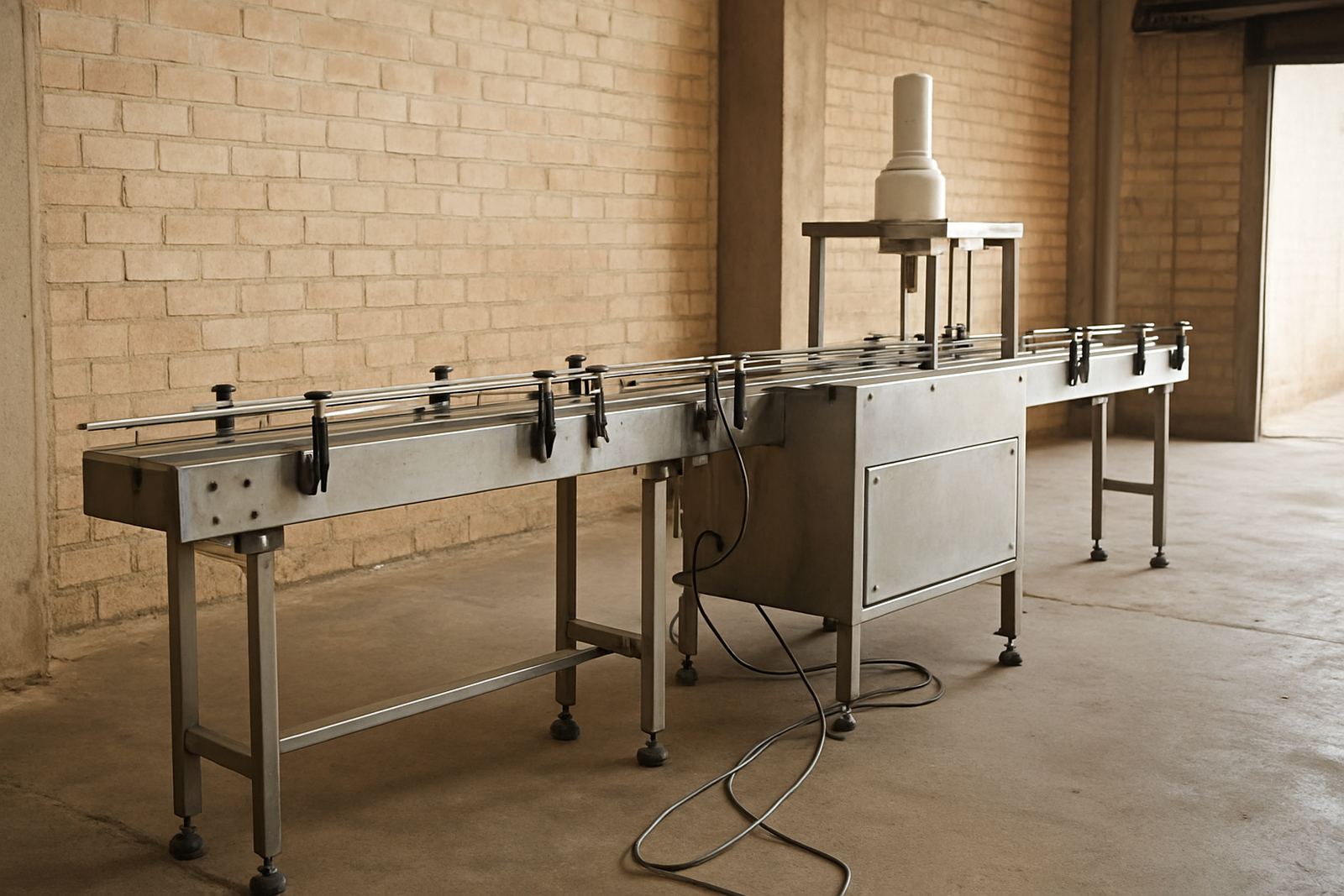
- Check bottle height, cap diameter and conveyor clearance
- Allow for start-up, changeovers and product size variation
- Plan for single shift, double shift or weekend production
- Factor in power quality and backup during load-shedding
For plants in Jacobs, Pinetown and Prospecton, space around the filler and capper can be tight, so installation planning matters as much as the unit itself.
Liner compatibility and seal performance
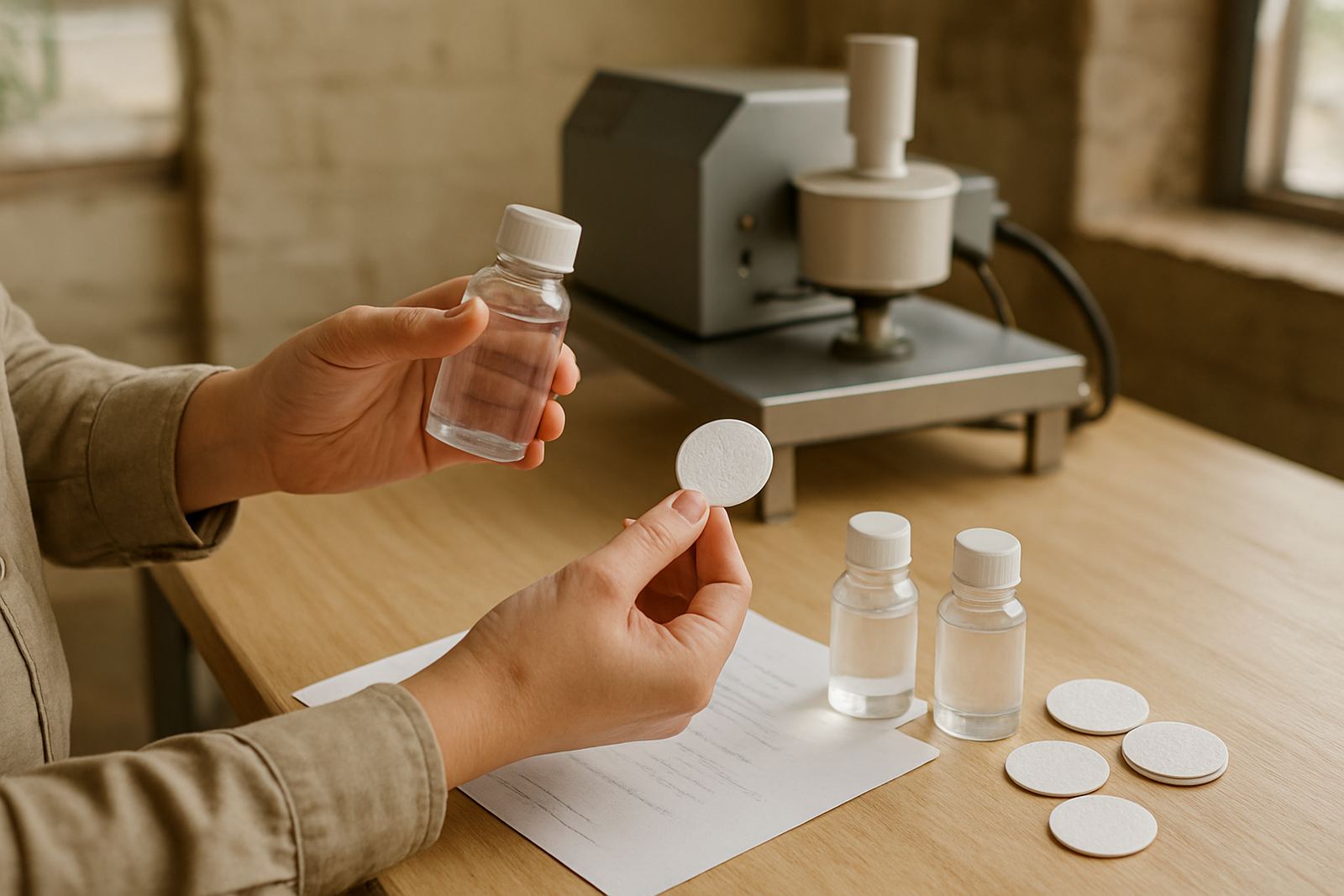
Not every liner suits every product. The right choice depends on the container material, product chemistry, fill temperature and whether the pack is for food, medicines or aggressive chemicals. If the liner is wrong, the seal may lift, leak or fail inspection later in the chain.
Our guides help buyers compare foil liners, backing materials and sealing behaviour so they can match the liner to the product. This is especially important for export packs, contract filling and products with strict shelf-life requirements.
- Confirm compatibility with the bottle and cap material
- Test seal quality after hot fills or delayed capping
- Check resistance to oil, moisture and vapour transmission
- Review storage conditions before liners reach the line
Installation, commissioning and operator training
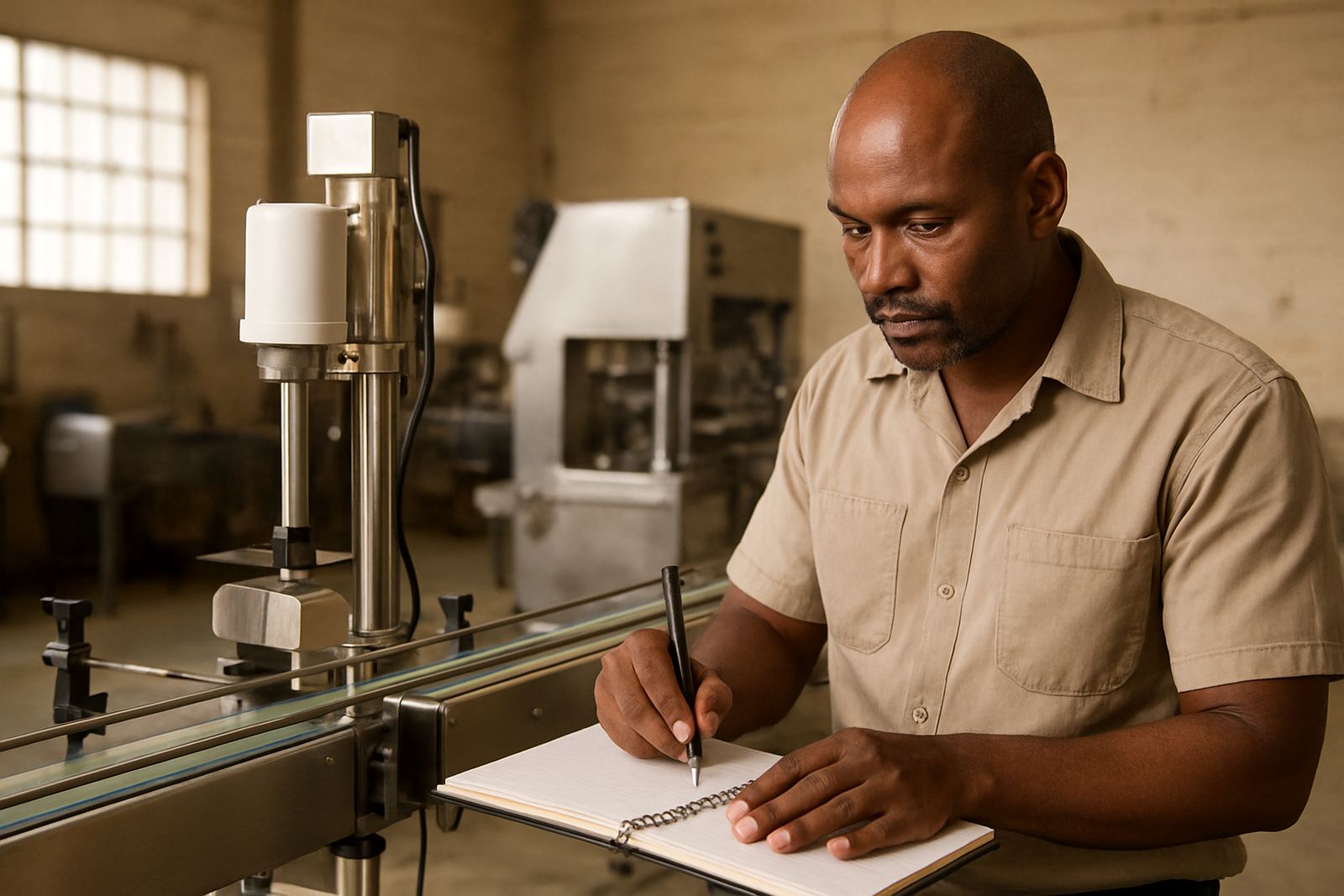
A good sealer still needs correct set-up. Site installation and line commissioning help make sure the unit sits properly in the line, the head height is correct and the settings suit the product. This is where many first-time users save time later.
Operator training covers basic checks, safe use, routine cleaning and what to watch for when seals start drifting. That is useful for busy sites in Pietermaritzburg, Durban and inland plants where operators may rotate between lines.
Preventive maintenance and breakdown planning
Induction equipment works best when it is serviced before problems start. Preventive maintenance reduces unplanned stops, protects the sealing head and helps keep output consistent across long production runs.
For many plants, the real cost is not the repair itself but the lost production. A sensible maintenance plan includes spare parts on hand, regular inspection intervals and a clear path for breakdown repairs when a line stops unexpectedly.
- Keep critical spares available for your most used sealers
- Schedule checks around production peaks and month-end runs
- Review wear points before the rainy season or summer humidity
- Use remote support where a quick settings check can save a site visit
Seal validation and quality control checks
Validation gives confidence that every pack leaving the line is properly sealed. For regulated products, this is not optional. Even for general manufacturing, it helps reduce claims, returns and wasted stock.
Good validation looks at seal integrity, repeatability and how the pack performs after handling, storage and transport. If the product moves through warehouses in Durban, Gauteng or the coast, the seal must hold under real conditions, not only in a short test run.
Service planning for sites nationwide
Many buyers want support that covers more than the first installation. That is why these guides also cover service planning, remote support and line optimisation for sites across South Africa. From Jacobs and Prospecton to Richards Bay and beyond, a practical support plan keeps the line moving.
When you know what to check, what to stock and when to call for help, induction sealing becomes simpler to manage. That saves time, cuts waste and helps keep packaging safe and consistent.
If you need a guide for a specific pack format or production rate, the right starting point is a proper review of your container, closure and line layout.