Why post-fill heat changes the sealing job
A closure that performs well on the filling line may behave very differently once the pack goes into a retort, hot room or heated transport lane. Heat expands trapped air and can raise internal pressure, while the pack itself may soften slightly depending on the bottle, cap and liner combination. That is where sealing needs to be matched to the real process, not just the line speed.
In South African plants, this comes up often with sauces, ready meals, sauces in glass jars, chemical samples and certain pharmaceutical packs that are filled, closed and then exposed to a controlled heat stage. If the seal is too light, the liner can relax and leak. If it is too aggressive, the pack can distort or the cap may become difficult to remove in a controlled way later.
For operations in Durban, the starting point is often the same: check what happens between the filler and the final packed pallet. Warm plant rooms, coastal humidity and long holding times can all affect how the closure behaves before it even reaches heat treatment.
Match the liner to the product, not only the cap
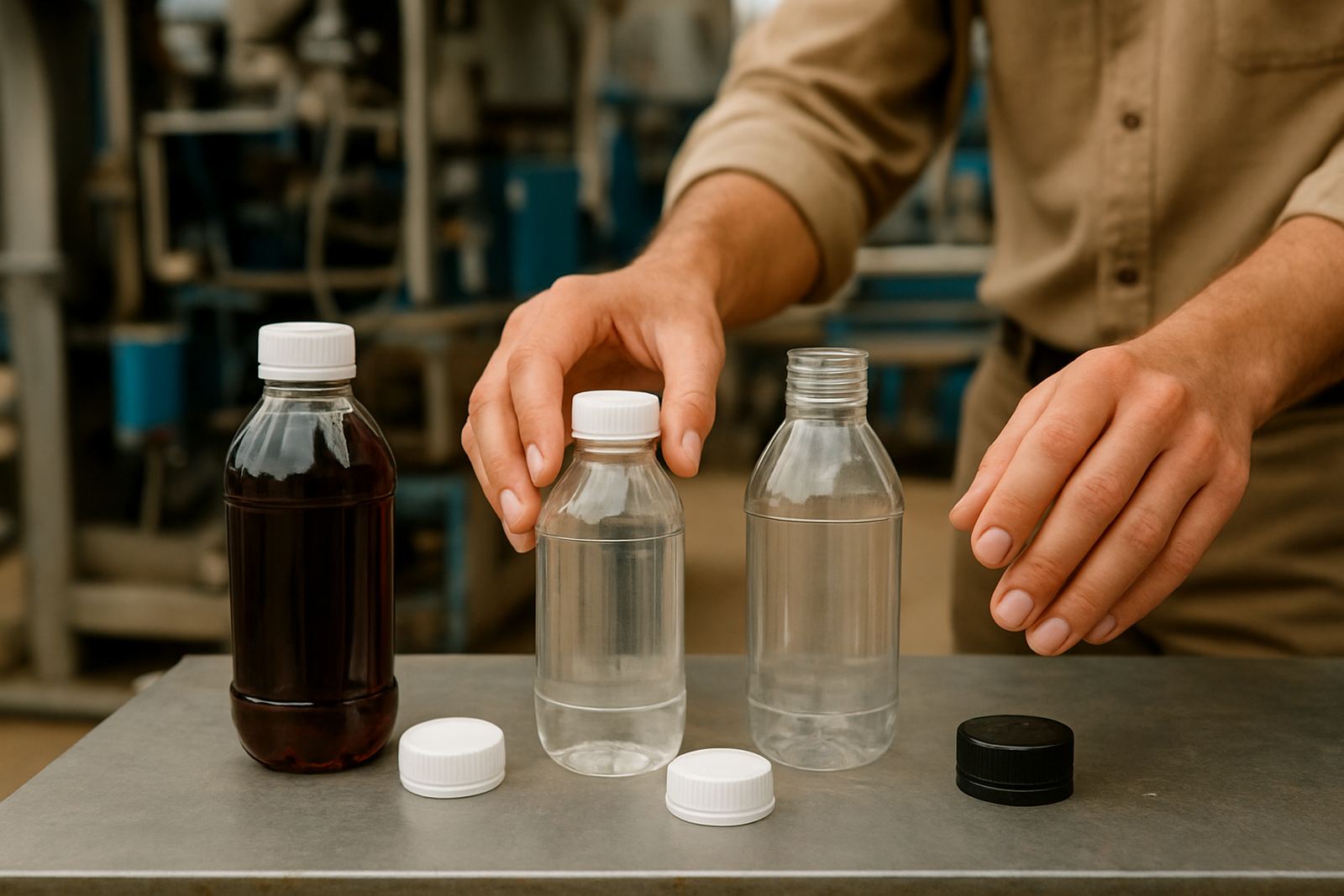
Retort and heat exposure call for a liner that suits the container material, fill temperature and expected dwell time. A liner that works on a dry powder bottle may not hold the same way on an oily food product or a solvent based chemical. The contact surface matters, and so does the cap torque used during application.
- For food and pharmaceutical packs, check whether the liner must support tamper evidence, product freshness or both.
- For chemical packs, confirm resistance to vapours, temperature rise and possible product splash during closing.
- For glass and rigid plastic containers, confirm that the closure system can handle expansion without loss of seal integrity.
- For heated processes, test the liner against actual process temperatures, not only room temperature samples.
Our team often finds that the same bottle and cap will behave differently after a simple liner change. That is why liner matching should be done with the final process in mind, and not just the container size on paper.
Set torque and induction power with the full cycle in mind
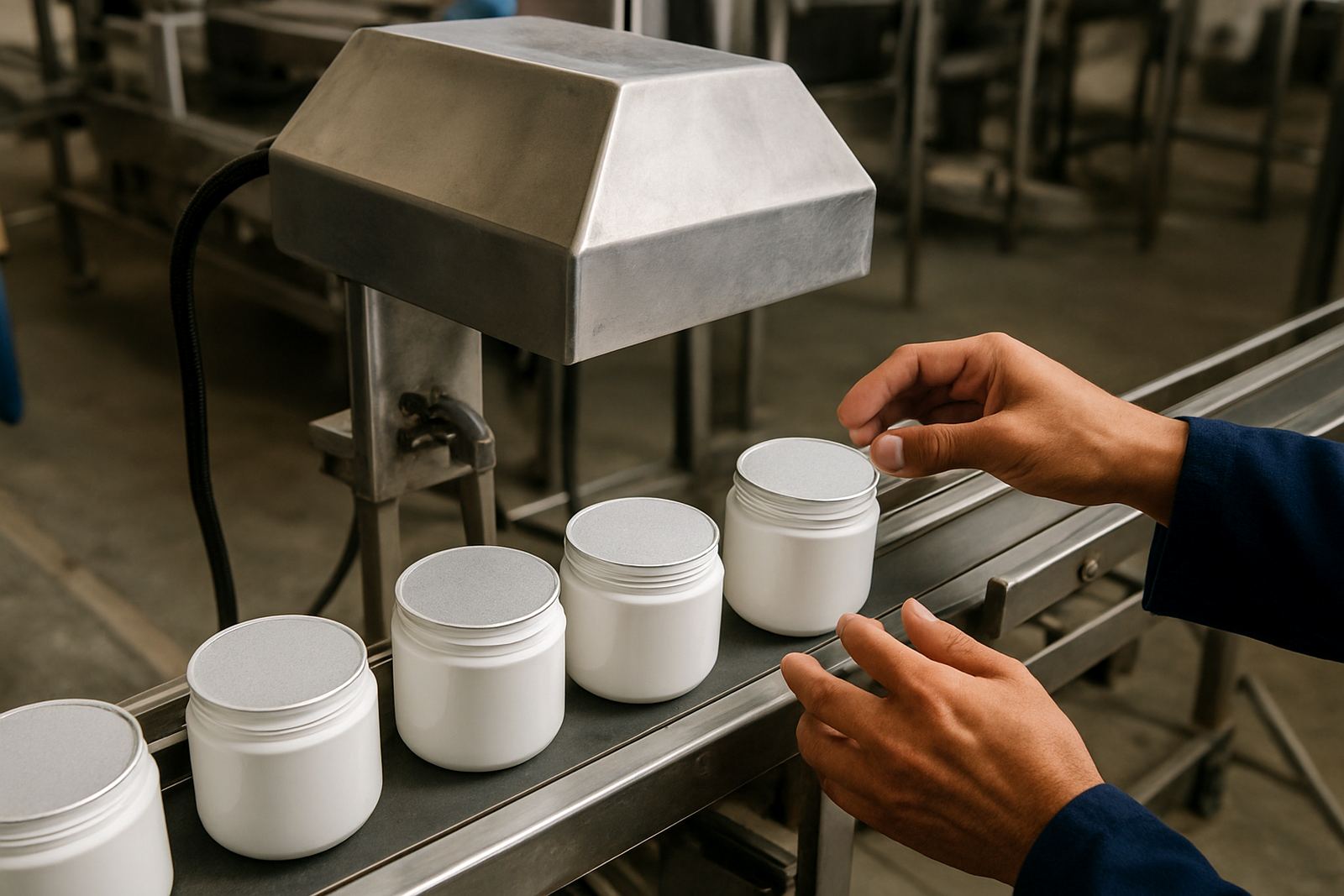
Induction sealing is sensitive to power setting, dwell time and cap fit. For retort applications, the seal has to be consistent enough to survive a second stress event after closure. If the seal ring is uneven, the pack may pass initial checks and still fail once heat starts to work on the headspace.
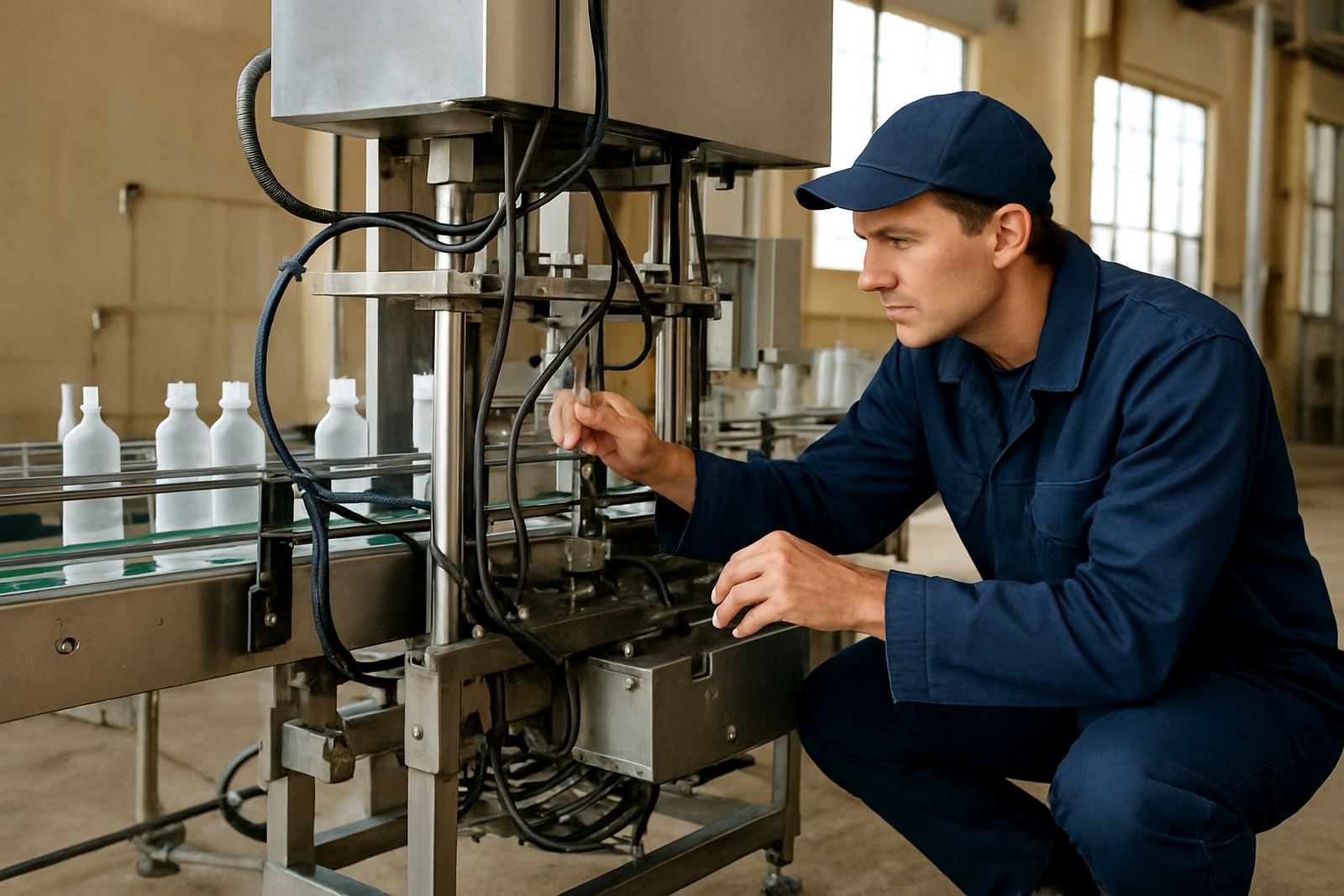
Operators should verify three points together: the cap application torque, the induction sealing head setting and the heat exposure profile. Changing one without checking the others can create avoidable failures. We see this in plants where the seal looked fine on day one but began to lift after a hot water bath or a steam cycle.
A simple test schedule helps:
- Check seal performance immediately after sealing.
- Repeat after the product has cooled or gone through the heat stage.
- Inspect for wrinkling, lifting, softening, panel change or cap distortion.
- Record the exact line speed, cap torque and product temperature for each trial.
This small discipline saves a lot of rework later. It also gives maintenance and production teams something solid to compare when a line starts giving trouble.
What heat does to plastic, glass and closure parts
Different pack materials react in different ways. Some plastics relax under heat and recover only partly when cooled. Glass holds shape better, but closure components and liners still need to tolerate expansion and pressure. In both cases, the seal layer has to keep contact even as the pack moves slightly.
One issue that gets missed is headspace. If a product is filled too warm, or too full, the headspace pressure can rise quickly when the pack goes into a heated stage. That can force the liner away from the sealing surface. In other cases, a product with moisture or vapour may create a minor lift at the edge, which then becomes a bigger problem after storage.
For coastal sites in Jacobs, Pinetown or Prospecton, humidity can also affect storage before sealing. Liner stock should be kept dry and clean, with cartons closed properly and rotated sensibly. A liner that picks up moisture before use can give inconsistent results, and the fault may be blamed on the sealer when the cause is storage.
Practical checks before you release a heated pack
Before sign-off, the pack should be checked the way it will really be used. A quick visual is not enough for products that will face post-fill heat. Plants should confirm seal quality, closure fit and code legibility after the full cycle. If the pack goes into a distribution chain with rough handling or hot loading bays, that should be part of the trial too.
- Use the actual final pack size and closure specification for the test.
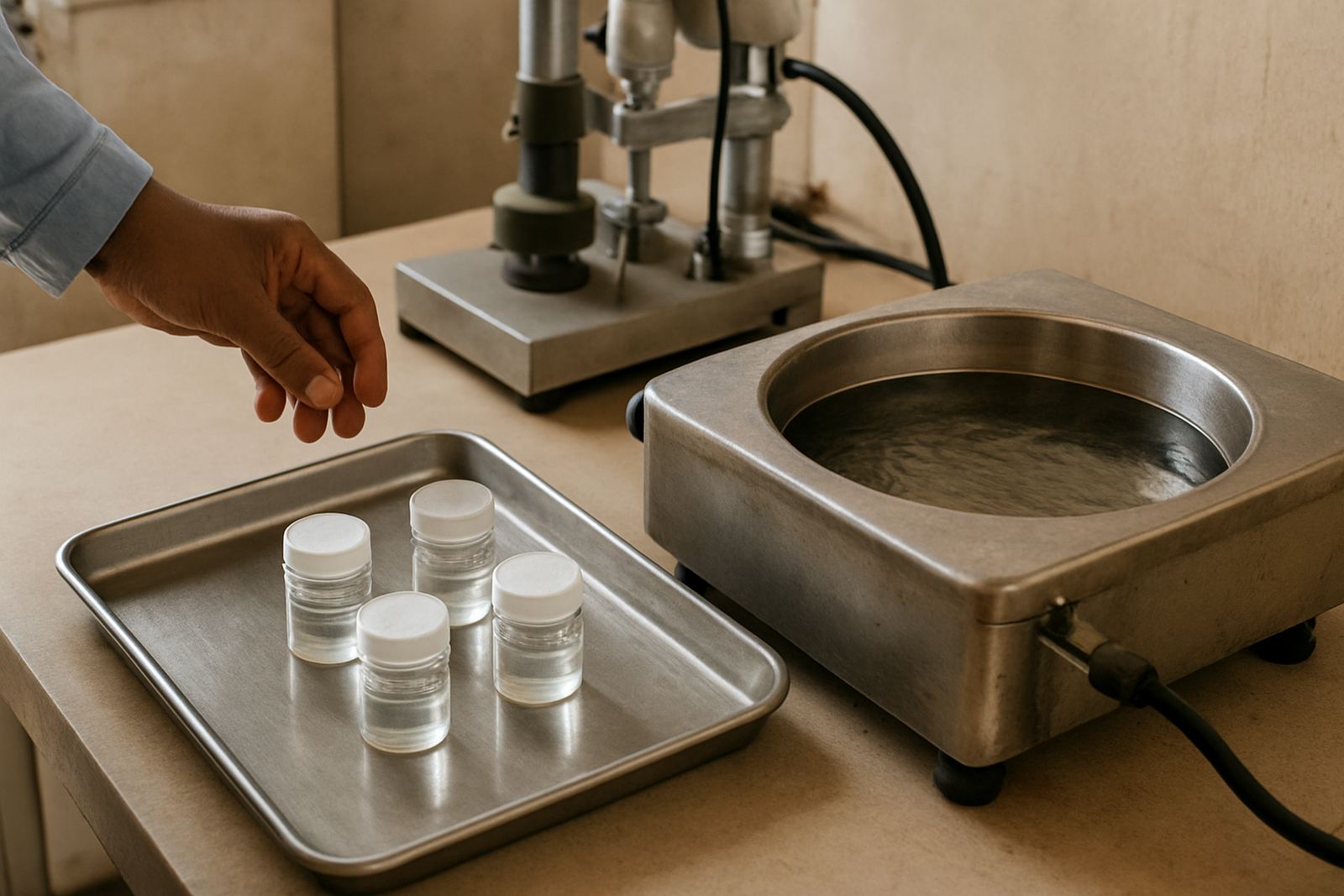
- Run samples through the full heat profile expected on the line or in the process.
- Inspect the seal edge for even contact all the way around.
- Test a few packs after standing for several hours, not only straight after sealing.
- Keep a sample pack from each batch for comparison during quality checks.
In Pietermaritzburg and Richards Bay we still see facilities relying on old settings that were copied from another product. That may work for a while, then a change in fill temperature or batch formulation causes trouble. A proper validation gives you a baseline that you can return to when the weather, the product or the shift changes.
How Bottle Sealers supports heated-process lines
For businesses sealing products that face retort or heat exposure, the best result comes from matching the liner, cap application and sealing settings to the real process conditions. Bottle Sealers works with food, pharmaceutical and chemical lines nationwide from Jacobs, Durban, with site installation, line commissioning, operator training, seal validation and breakdown support where needed.
We also help with preventive maintenance, spares supply, liner matching, line optimisation and remote support when a line needs attention between planned visits. That matters on busy production schedules where a small drift in seal quality can hold up a full batch. Sibusiso Mthembu and the team at the Jacobs base work with operations teams to reduce guesswork and keep the sealing process repeatable.
For plants running through load shedding or operating on tight delivery windows, the goal is simple: a seal that stays right after filling, through heat and through handling. Not only on test day, but on the next shift too.