Start With The Container And Closure, Not The Complaint
When a pack arrives wet in the case pack or loses product on a long haul from Durban to Joburg, the fault is not always with transport. In many cases the trouble starts with the bottle neck finish, the cap thread, or a liner that does not suit the fill. The first step is to check the full pack system, not only the cap sealing machine.
A container with a damaged neck, an uneven rim, or the wrong tolerance will let product creep out under vibration and pressure change. The same applies to closure torque. If the cap is too loose, the seal has to do too much. If the cap is too tight, the liner can deform before induction. Both cases can cause leaks in transit.
For food, pharmaceutical and chemical packs, small defects become expensive fast. A drum pallet headed for Richards Bay or a mixed load going through Pietermaritzburg may spend hours in heat, dust and stop start traffic. That is where the weak point shows.
Match The Foil Liner To The Product, Bottle And Cap
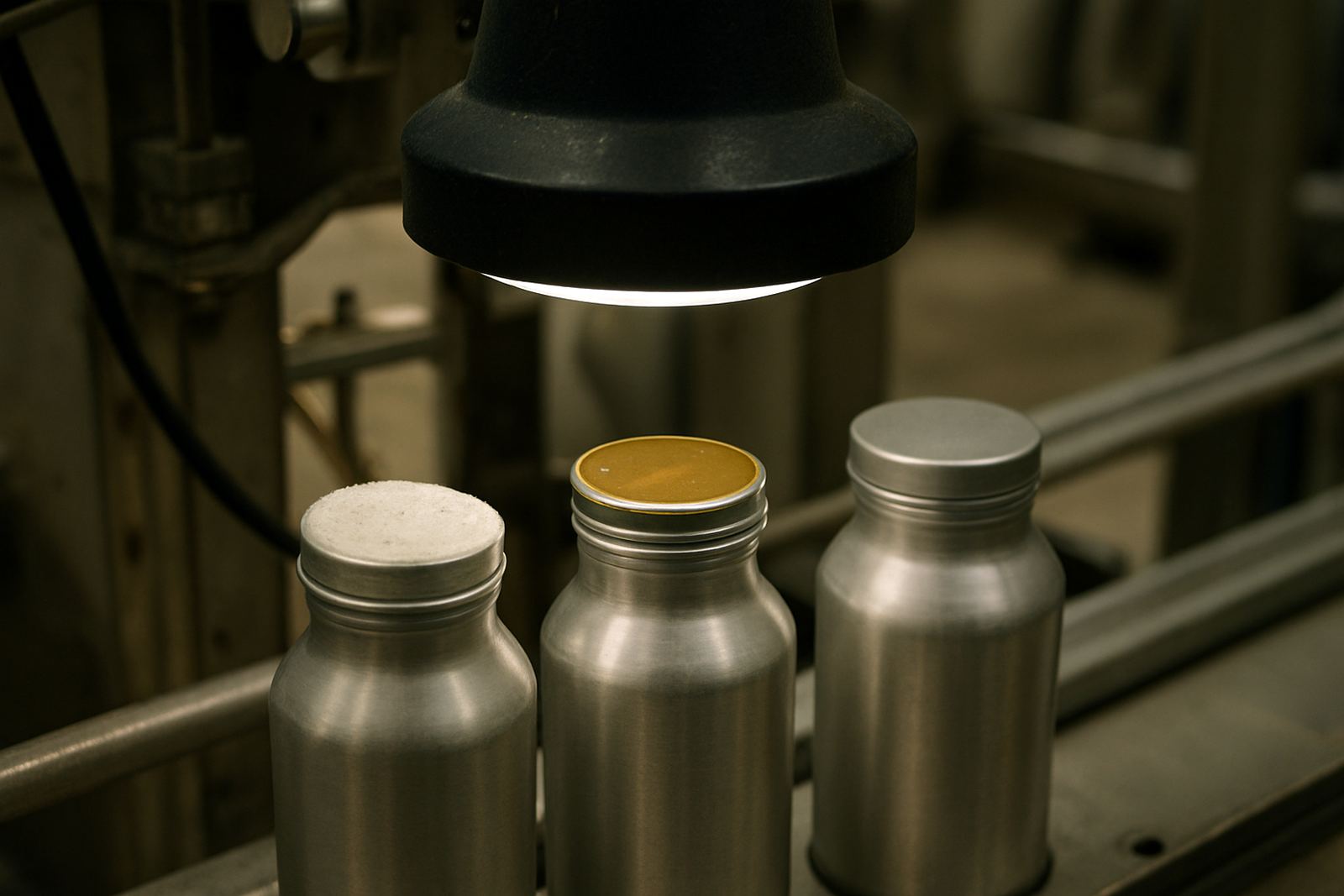
Induction sealing works properly when the liner matches the pack. A liner that suits water based products may behave differently with oils, solvents or powders. Some products wet the sealing surface quickly. Others leave residue that interferes with bond formation. That is why liner selection should be based on the contents, the bottle material and the storage route.
Before full production, test the liner against the actual fill. Check peel strength, bond consistency and whether the seal remains intact after handling. On export orders, include temperature swings and longer dwell time in the test plan. A pack that passes after filling in Jacobs may still fail after a cold morning in the container yard and a hot afternoon on the N3.
- Confirm the liner suits the product chemistry.
- Check that the cap size and neck finish are exact.
- Test the seal after vibration, stacking and tilt.
- Keep spare liners for changeovers and new batches.
Set The Induction Sealing Line For Real Production Conditions
Many leak problems are not seal material problems at all, they are line setting problems. Coil height, conveyor speed, cap application torque and head alignment all affect the final result. A line that works during a slow morning start may fail once output increases after lunch or when loadshedding returns and the line restarts.
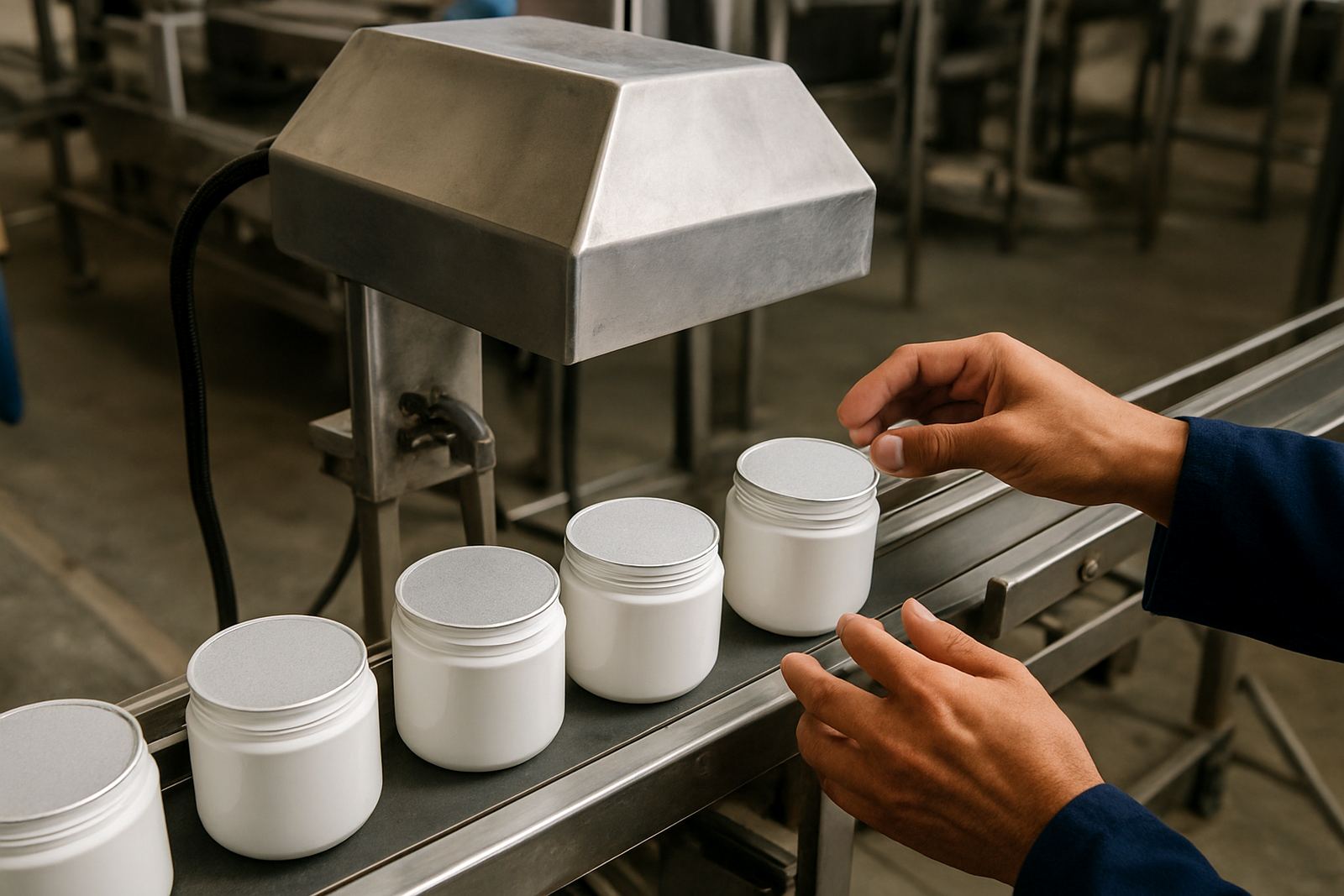
Operators should know the signs of a poor seal. Look for scorch marks, incomplete foil transfer, lifted edges, and caps that spin too freely after sealing. If the line is fitted into a humid Durban building, moisture can also affect the pack flow and the seal area. In coastal conditions, keep the sealing head and conveyor area clean and dry, with regular checks on dust and salt build up.
- Record the correct settings for each bottle and cap combination.
- Check conveyor stability so packs do not wobble under the head.
- Inspect the induction head daily for wear, dirt and heat marks.
- Repeat setup checks after stoppages, power interruptions or product changeovers.
Use Validation To Prove The Pack Can Survive Distribution
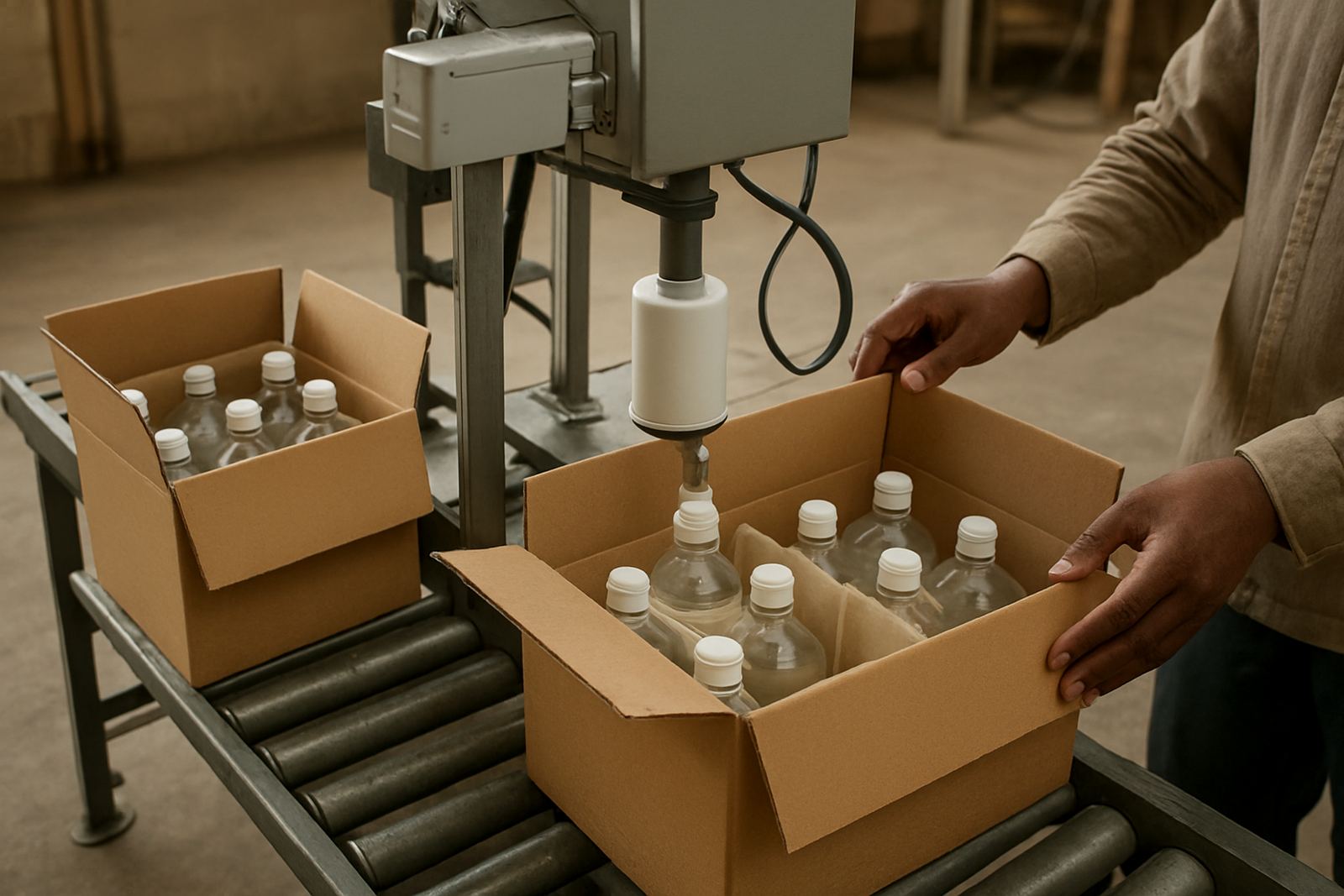
A seal that looks neat is not enough. The pack must hold through pallet movement, warehouse stacking and delivery routes. Seal validation gives proof that the closure can do the job before stock leaves site. That matters for export cartons, regulated products and high value stock where a leak can trigger returns or inspection delays.
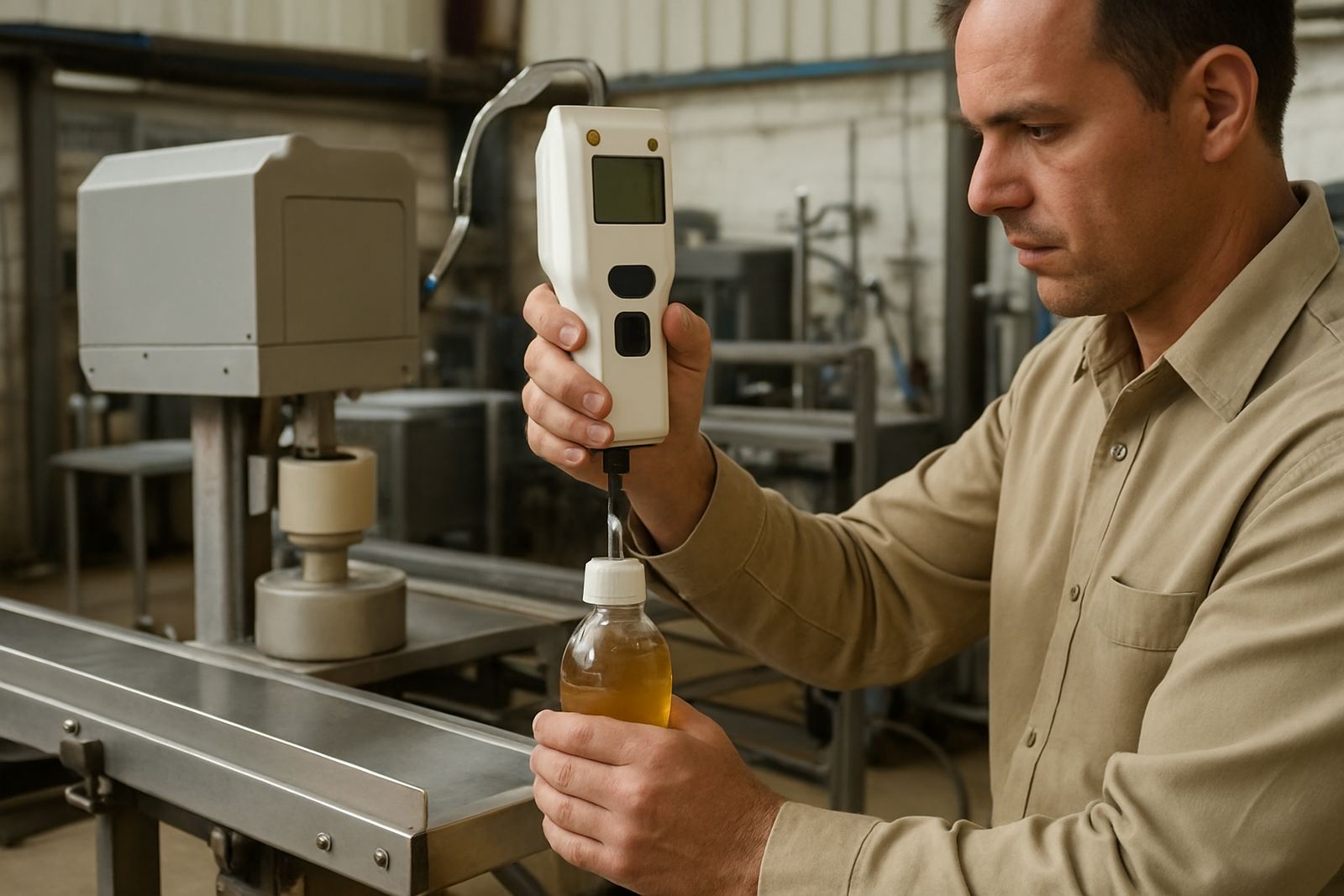
Validation should include a practical distribution test. Stack samples, tilt them, leave them under load, then open and inspect the seal line. For chemical packs, test resistance to vapour and minor pressure changes. For food products, check that no product creep occurs around the lip. A proper validation record also helps when a customer or auditor asks why a batch was released.
In Richards Bay, for example, a pack may be loaded in warm conditions, held in a warehouse and then moved by road inland. That journey can expose weak closures very quickly. If your pack survives that route, it is far more likely to reach the shelf in one piece.
Train Operators To Spot Problems Before They Multiply
The best sealing equipment still needs operators who can spot small faults early. Training should cover liner orientation, cap feed consistency, seal inspection and what to do when a pack fails. When a line runs in shifts, handover notes matter too. A missed setting at 06:00 can become a pallet of rejects by 10:00.
Operator training is especially important where pack sizes change often. A 250 ml bottle, a 500 ml bottle and a 1 litre bottle may all need different head settings and torque levels. If staff know the difference, the line stays stable and the seal quality improves. That also reduces waste and saves time on rework, which is welcome in any plant facing tight delivery windows.
- Show staff how a good seal and bad seal look in plain terms.
- Teach when to stop the line instead of pushing product through.
- Use short checklists at shift start and after breaks.
- Keep sample packs for comparison near the line.
Plan Preventive Maintenance Before The Leak Shows Up
Breakdowns and seal drift often happen after small issues were ignored. A worn conveyor guide, loose head, blocked cooling fan or dirty contact surface can slowly reduce performance. Preventive maintenance keeps the line within spec and cuts the chance of a leak complaint after dispatch.
For plants in Jacobs, Pinetown and Prospecton, maintenance schedules should match actual running hours and not just a calendar date. Some lines run hard through the week and rest on weekends, while others run seasonal volumes for promotion packs or export batches. The service plan should reflect that pattern. A quick inspection every week is better than waiting for product returns.
Keep spare parts, liner stock and maintenance records together so faults can be traced quickly. When the cause is known, the fix is usually quicker and cheaper than trial and error. That matters when trucks are already booked and warehouse space is tight.
A Durban Example Shows Why The Last Mile Matters
Consider a food pack leaving Jacobs for a distributor in Pietermaritzburg, then moving onward to inland stores. The pack is filled, sealed, palletised and wrapped, but the route includes stop start traffic, heat, vibration and a few rough handling points. If the liner is not matched, or the seal temperature is off by a small margin, the leak may only appear after the pallet has moved twice. By then the goods are already in the wrong place.
That is why reducing leaks in transit is not only about the seal itself. It is about the container, cap, liner, operator skill and maintenance routine working together. For South African producers shipping across provinces and into export channels, that discipline protects stock, reduces complaints and keeps packing lines moving.
At Bottle Sealers, the practical approach is simple: check the pack, prove the seal, train the team and maintain the line. When those steps are in place, transit damage drops and the product stands a much better chance of arriving as it left the plant.