Why cooling checks matter on an induction line
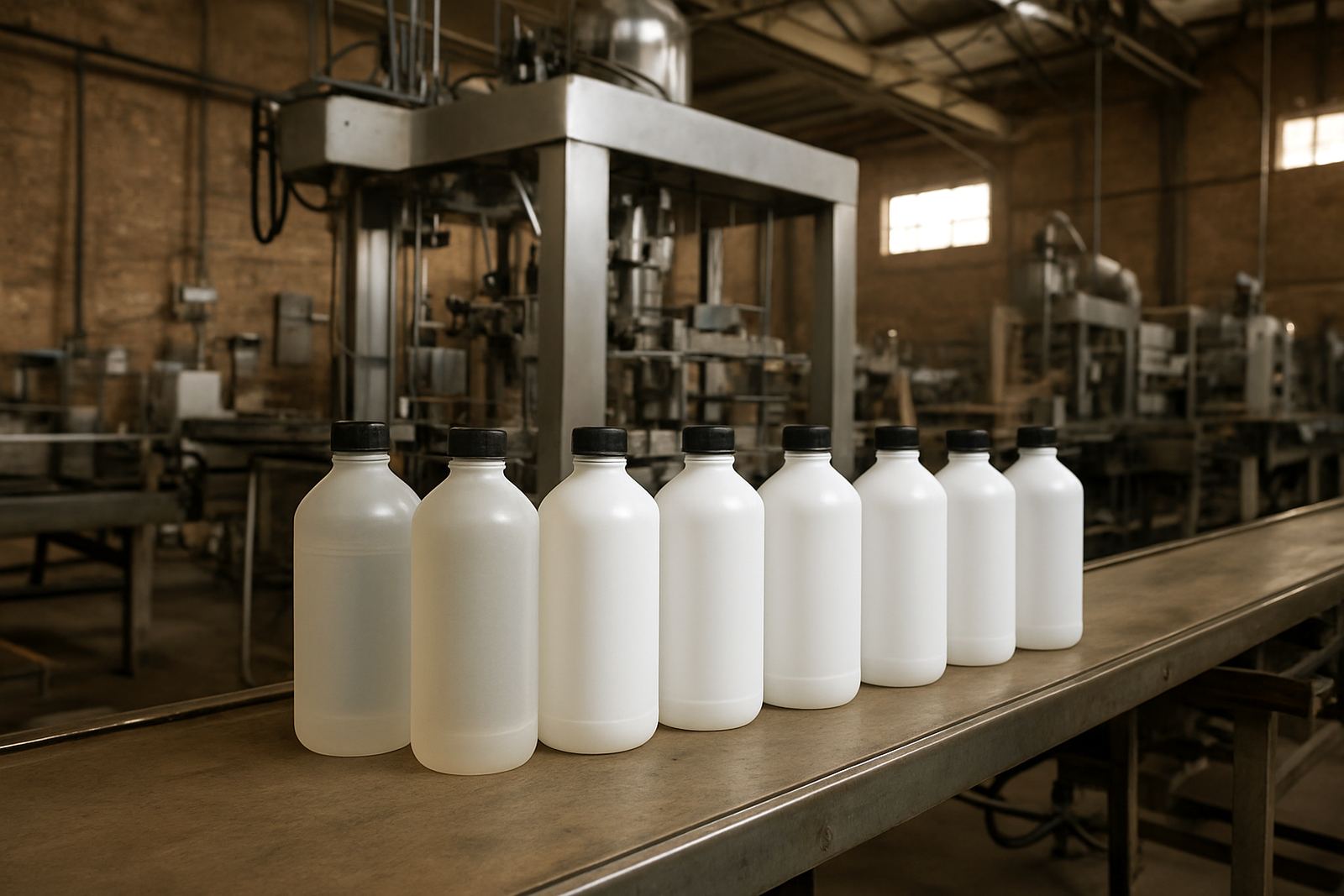
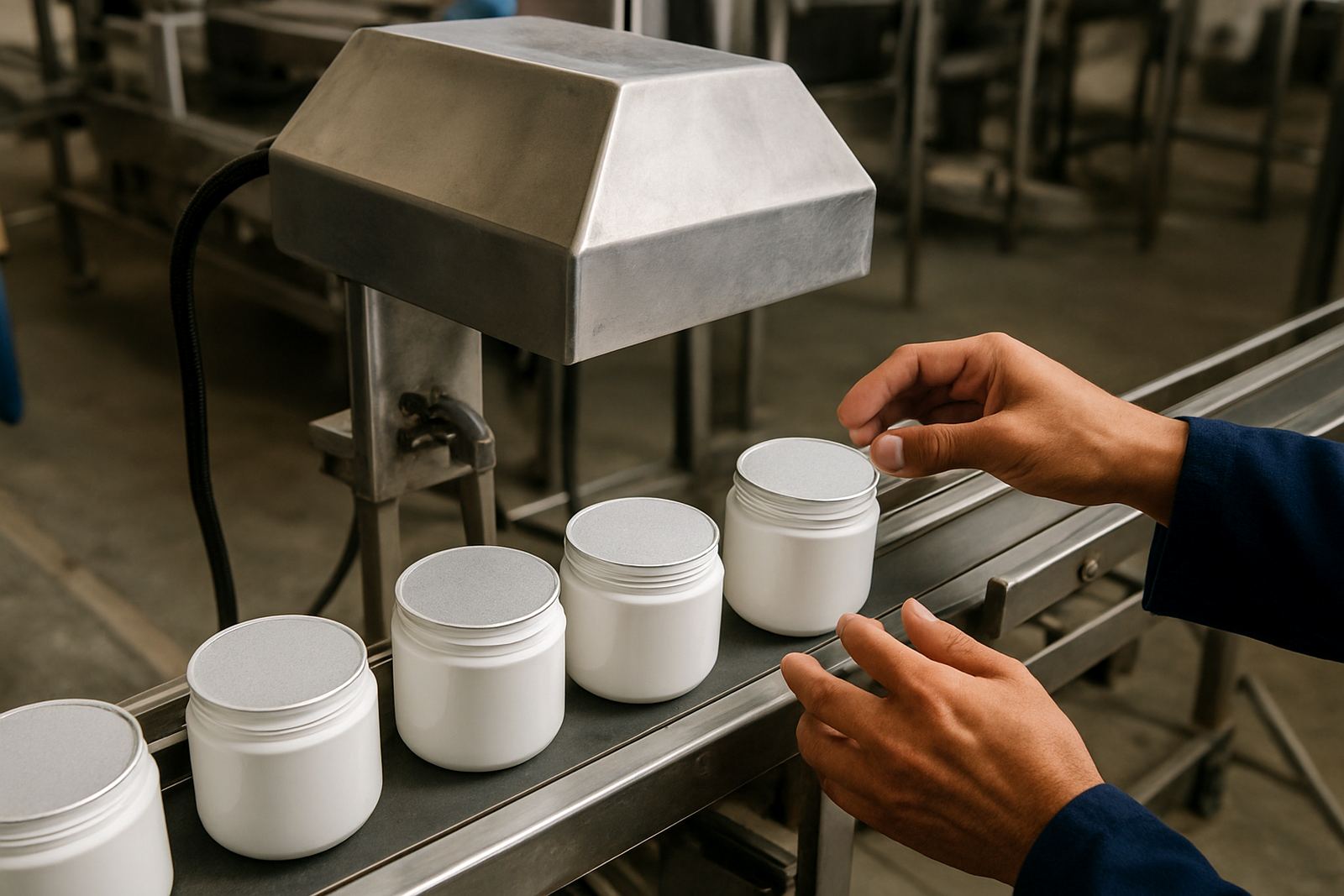
Induction sealing equipment works hard, especially where bottles run continuously through pharma, food or chemical packing lines. The sealing head builds heat during operation, and if the cooling system is weak the unit can drift out of range, overheat or start giving uneven seals. That leads to rejected packs, wasted foil liners and unnecessary downtime.
On a Jacobs or Pinetown site, a simple blocked strainer or tired pump can be enough to create trouble by mid morning. In warmer months, and especially during humid coastal weather, the cooling system has to remove heat steadily or the machine will struggle to keep up with line speed. A good operator can spot the warning signs early, like a warm return line, low flow or a pump sounding dry.
For many plants, this is not a technical mystery. It is basic plant care. Check the water, check the flow, check the hoses, then check again after the line has been running for a while. That habit keeps the sealer stable and helps prevent a false fault finding exercise that costs time and money.
Start with pump condition and water flow
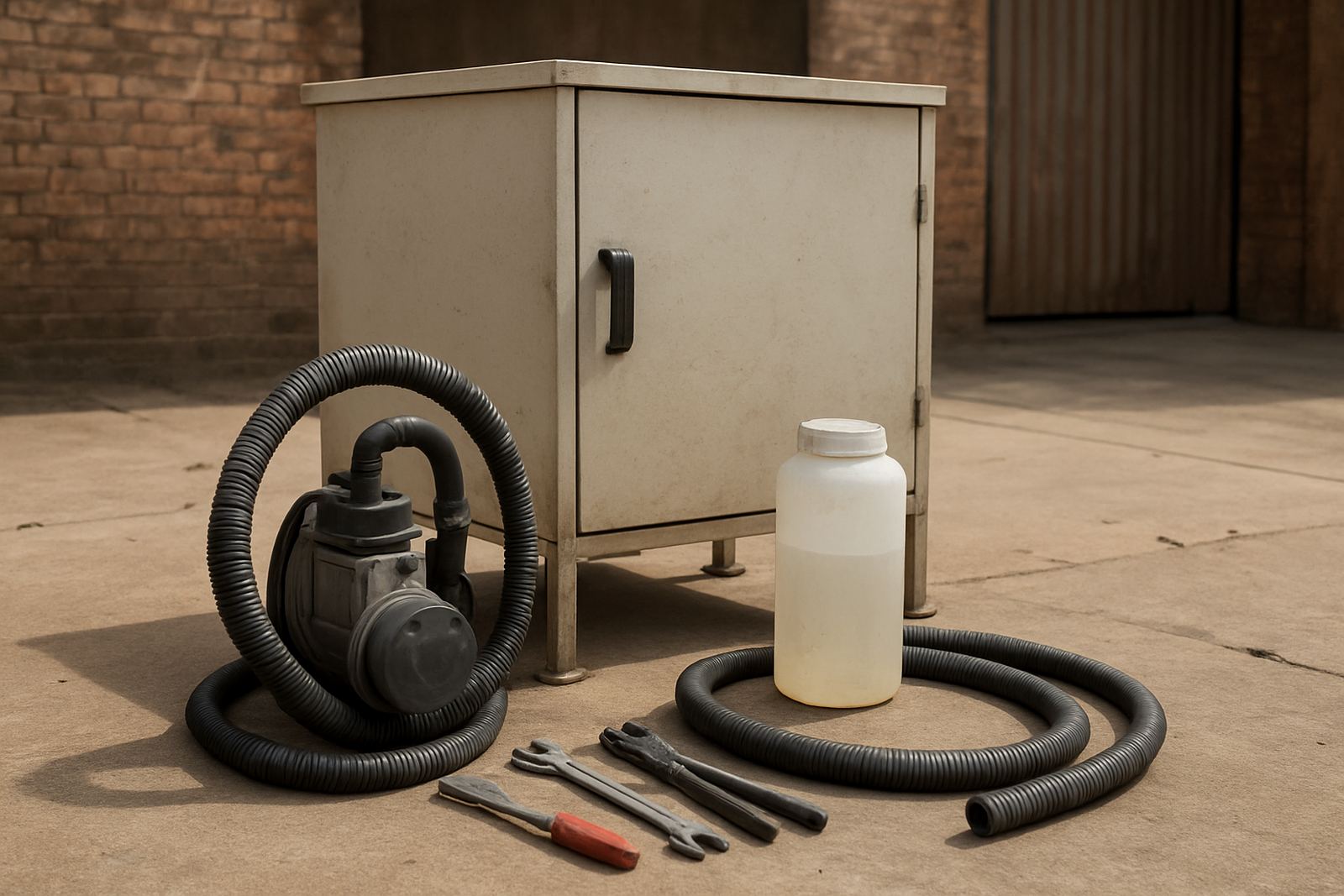
The pump is the heart of any cooled system. If it is weak, noisy or cycling irregularly, the sealing head may not get enough water circulation to hold temperature within a safe range. A quick walk around the machine at start-up can tell you a lot. Listen for rattling, cavitation or a higher than normal hum. Feel the supply and return lines where safe to do so, and confirm that water is actually moving through the circuit.
Water flow should be steady, not intermittent. A line that looks fine at low speed may break down once production increases, so it helps to check under load. If the flow metre drops, or the pump loses prime after a power interruption, investigate the cause before the next shift starts. In some cases the issue is as simple as an air lock after cleaning. In others, the pump seals or impeller may need attention.
- Confirm the pump starts cleanly after every shutdown
- Check for leaks at the pump body, fittings and drain points
- Watch for vibration that may point to wear or misalignment
- Make sure the reservoir is topped up with clean water
Inspect hoses, clamps and quick couplers
Hoses carry the cooling water, so any split, kink or loose clamp can compromise the whole system. In busy packing rooms, hoses are often pushed against frames, trolleys or walls, and that pressure slowly weakens the material. Coastal air can also shorten the life of fittings where metal parts corrode and plastics harden. On a humid site in Richards Bay or Durban, it is worth looking closely at all hose runs, not just the visible sections near the machine.
Check that hoses are routed neatly and protected from sharp edges. If a hose is soft, swollen or cracked, replace it before it fails. Tighten clamps evenly and confirm that quick couplers lock properly. A small drip may not look serious, but it can reduce water level in the system and let air into the line, which then affects flow.
Where operators clean the area with water or chemicals, make sure hoses are not sitting in pooled liquid. That can damage fittings and create slip hazards too. A tidy hose route saves time during maintenance and makes fault finding quicker when the line is under pressure.
Keep strainers, filters and water quality under control
Many cooling problems start with dirt. Rust flakes, scale and general debris can block strainers and narrow the water passages. If the system uses a filter or mesh strainer, clean it on a set schedule rather than waiting for a fault. In some plants, water quality changes after municipal supply work or tank cleaning, and that can leave more sediment than usual in the circuit.
Use clean water and keep the reservoir covered where possible. If you are using a closed loop system, check for sludge build-up around corners and low points. Water that looks clear at the top may still carry fine particles that collect in the pump or cooling channels. On a commercial line, a 5 minute clean can prevent a 5 hour stoppage, which is a fair trade in anyone's book.
- Clean strainers before the start of the week or after tank work
- Flush the system if you see discolouration or debris
- Check for scale in hard-water areas
- Keep spare filter elements on site for critical lines
Watch for signs the system is running too hot
Cooling systems usually give warning signs before a full failure. The machine may take longer to reach stable running conditions, the sealing result may vary from bottle to bottle, or the operator may notice a stronger smell of warm plastic near the head. In some cases the unit will stop and restart after thermal protection trips. That is a clear sign to pause and inspect the whole circuit.
If the line is in a food or pharmaceutical area, do not ignore repeated temperature alarms. Product safety relies on the seal being consistent, and heat variation can affect that. It may also mean liners are not bonding correctly, which can lead to leaks or product returns. When a site in Pietermaritzburg sees repeat faults during the afternoon shift, the issue is often not the sealer itself but poor heat removal or restricted flow.
Operators should know what normal sounds and temperatures look like on their own line. Once they do, faults become easier to spot early, before they grow into a shutdown.
A Durban example from a busy packing room
A mid size packing site in Jacobs was running induction seals on bottled chemicals when the line began cutting out after lunch. The operator first suspected the power supply, because load-shedding had affected the area the week before. On inspection, the pump was running but the flow had dropped and the return hose felt warmer than usual. The problem turned out to be a partially blocked strainer and a hose clamp that had loosened slightly during cleaning.
Once the strainer was cleaned and the clamp tightened, the water circulation returned to normal and the line held steady for the rest of the shift. No major parts were needed, just basic checks and a careful restart. That is the point of cooling system care: it helps you catch small faults before they interrupt production or damage product stock.
For plants along the coast, especially where moisture and salt air are part of daily conditions, these checks should be built into routine maintenance. They are simple, practical and far cheaper than emergency callouts after the line has already stopped.
A practical care routine your team can keep up
The best cooling routine is one the team can actually follow. It should be short, clear and tied to shift start or changeover, not left for when someone has free time. Assign a person to check the pump, water level, hoses and visible fittings. Record what was found, even if everything looked fine. That gives you a history to work from when a fault appears later.
For higher output lines, schedule preventive maintenance around production windows and keep spare hoses, clamps and filter parts in store. If the line is critical, a remote support check can help narrow down whether the problem is electrical, mechanical or water related before a technician arrives. The goal is not fancy maintenance, just sensible control of the parts that keep the sealer cool and steady.
When cooling care becomes part of normal line discipline, operators get fewer surprises and managers spend less time chasing repeat faults. That pays off whether the site is in Durban, Pinetown, Prospecton or farther afield.