Why a clean neck finish matters before induction sealing
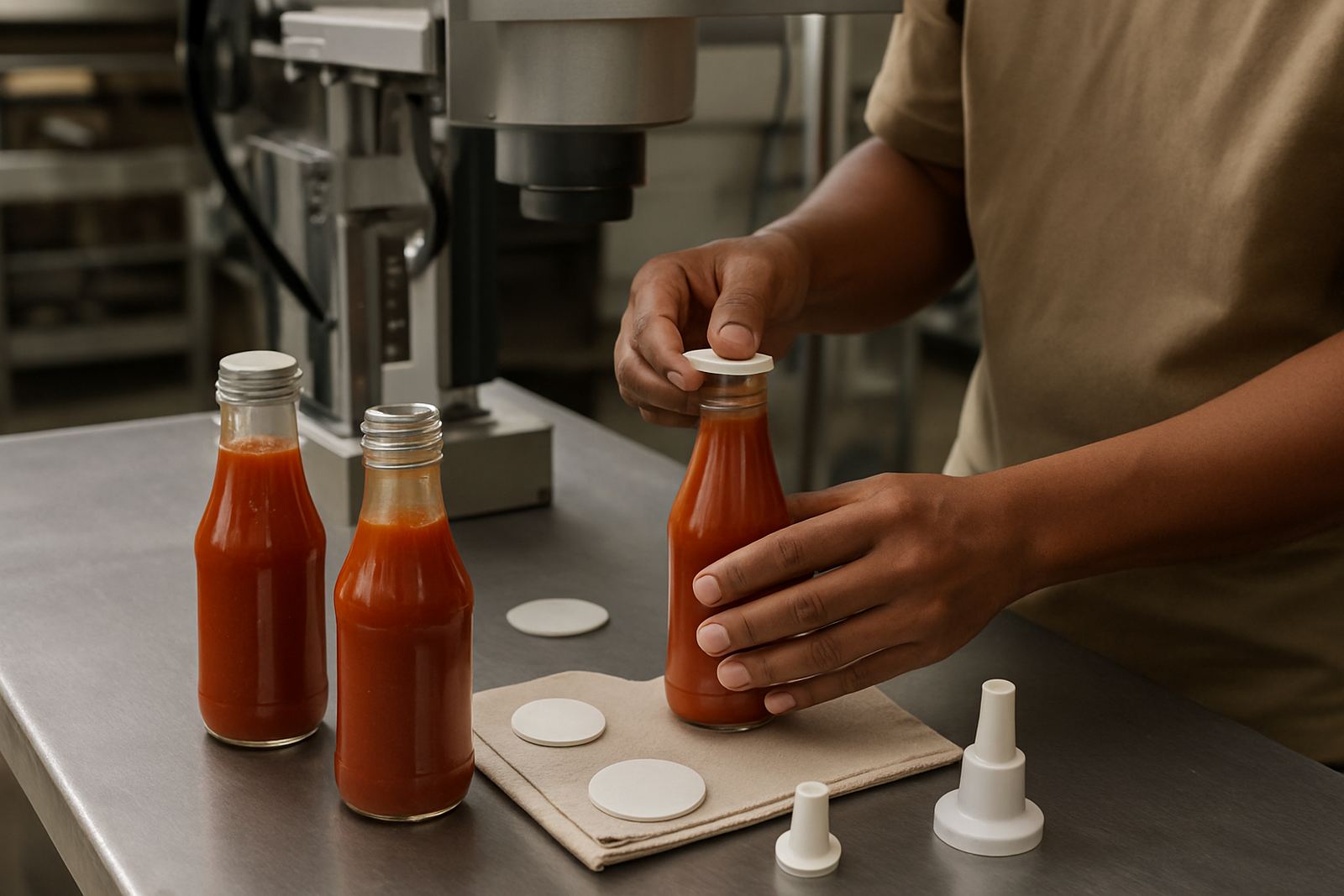
The neck finish is the part the liner must contact evenly, so even a thin film of residue can interrupt the seal. On induction lines, that residue may come from fill spill, rinse water, dust from cartons, or a bit of lubricant picked up earlier on the line.
In practice, the problem is simple: the liner can only bond to a clean, dry, consistent surface. If there is sugar syrup, powder, grease or condensation on the glass or plastic threads, the heat field still works but the seal is weak, patchy or fails altogether. That means leaks, contamination risk and avoidable rework.
For food, pharma and chemical packs, this is not only a quality issue. It can affect compliance, shelf life and customer trust. A cap can look tight from the outside and still be giving trouble because the neck finish was not clean enough for the liner to do its job.
Common residue problems we see on South African lines
Across Jacobs, Pinetown, Prospecton and Pietermaritzburg, the same neck issues come up again and again. Some are obvious, others are easy to miss during a busy shift.
- Product carry-over from overfill or splash back during filling.
- Dust from cartons, bags or secondary packing nearby.
- Condensation on chilled products or cold storage returns.
- Oil or release agents from line components and handling equipment.
- Powder fines on pharmaceutical bottles and chemical containers.
- Wet necks after rinsing, especially where drying is uneven.
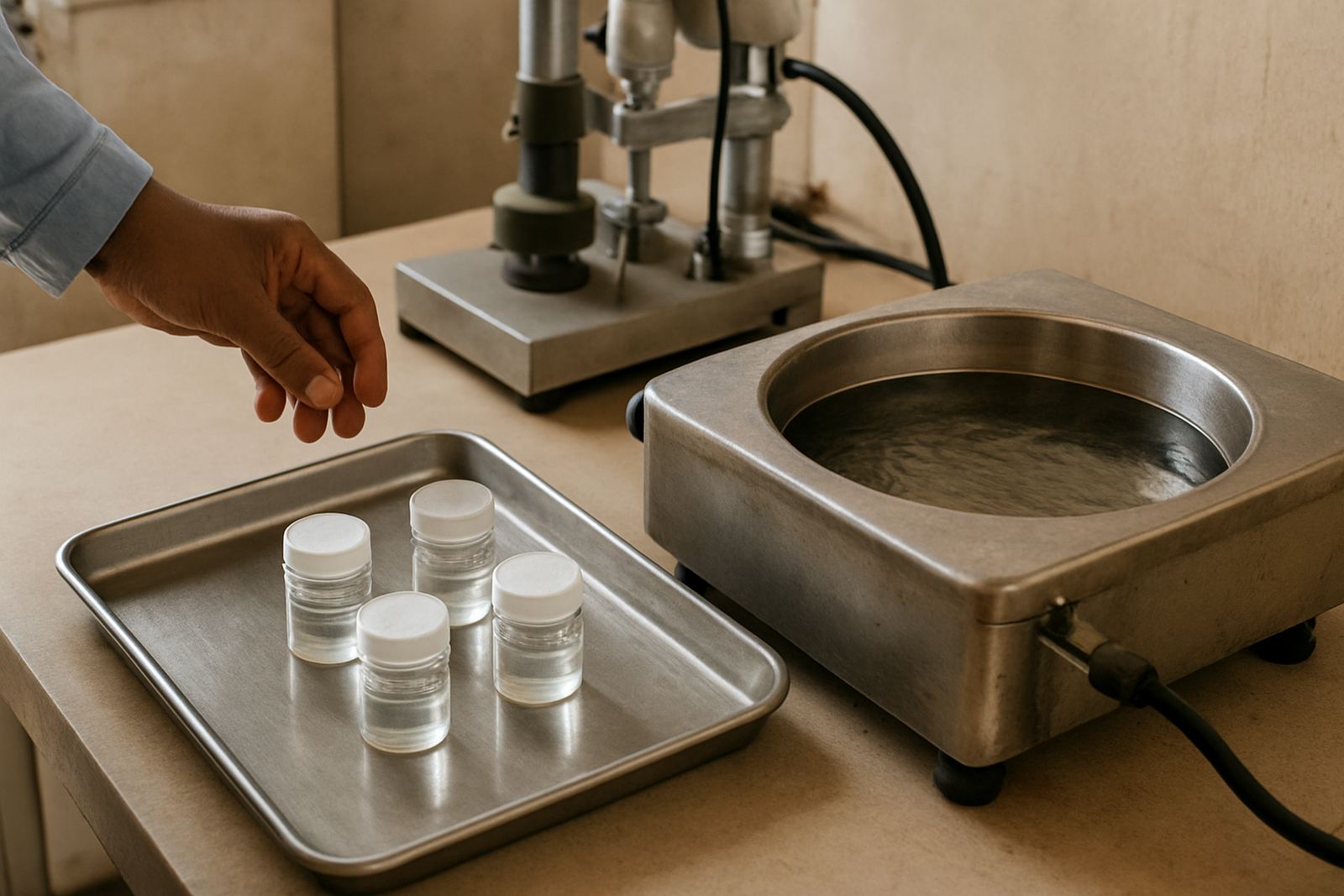
Durban humidity makes this worse. In Jacobs on a warm, damp morning, a bottle neck can pick up moisture fast if the product comes off a wash, or if the container waits too long before capping. That small delay is often enough to weaken the seal. It sounds minor, but on a fast line it builds into waste very quickly.
How to inspect the neck finish properly during production
Good operators do not only check the cap and liner, they check the neck itself. Inspection needs to happen at setup, after changeovers and during the run, not only when a fault appears.
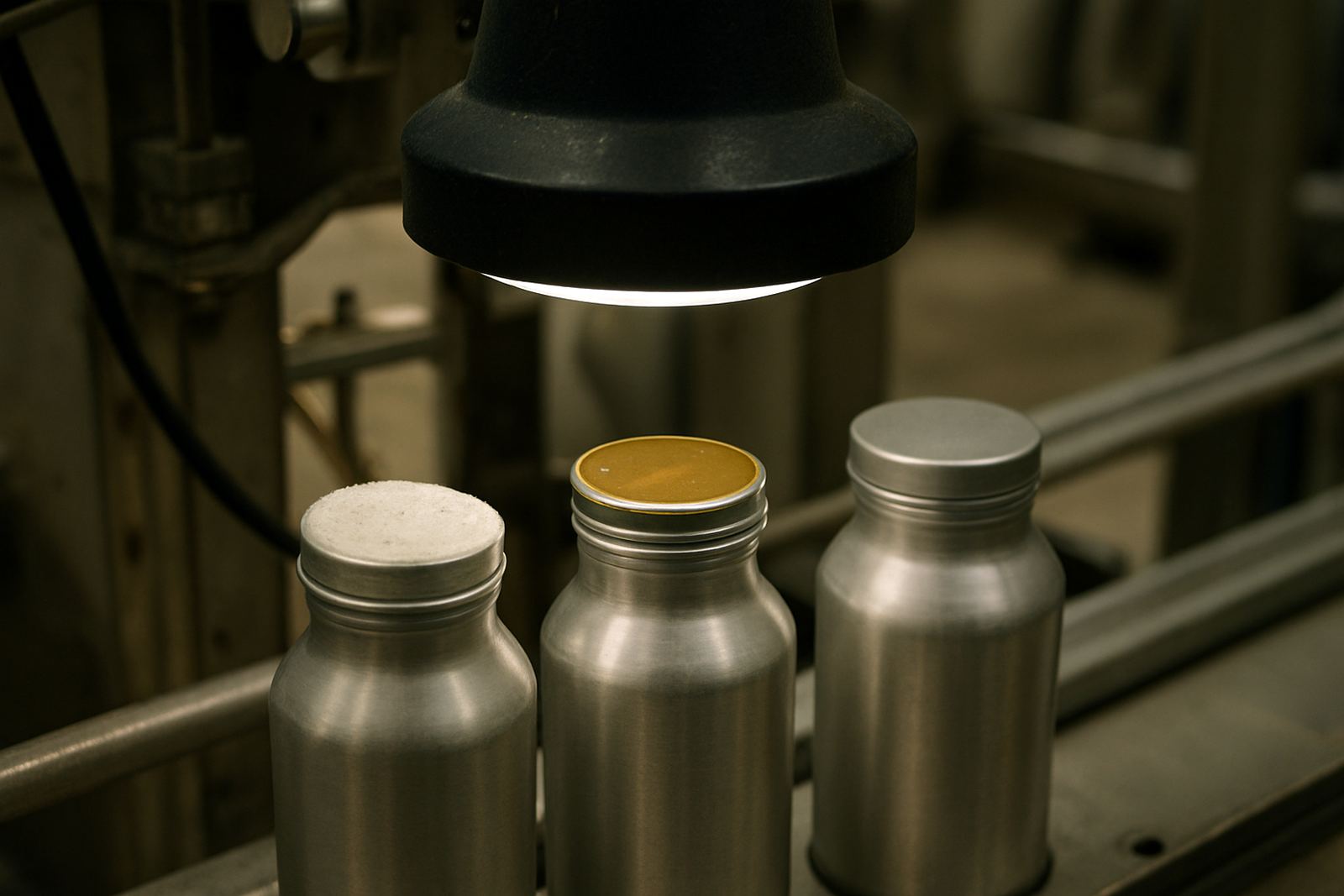
Look for visible product, dust ring marks, dents, chips, wet patches and uneven plastic flow on moulded containers. On glass, check that the finish is free from cracks, chips and stuck debris in the thread area. On plastic, pay attention to distortion from heat, handling or poor storage.
- Wipe sample necks and inspect the cloth for colour, oil or powder transfer.
- Use a torch at line level to catch wet patches and thread damage.
- Check necks immediately after filling and again before sealing.
- Pull sealed samples every set interval and test for leaks or lift.
If the same fault keeps appearing, the issue may be upstream. A capper, filler, rinser or conveyor guide that is slightly out can keep sending contaminated bottles into the sealer station.
Cleaning steps that actually improve seal results
Cleaning necks is not about using more water or more wiping, it is about removing the right contaminant without adding a new one. For many lines, a simple controlled process works best.
Start by reducing the source of the residue. Calibrate filler nozzles, reduce splash, and keep transfer points aligned. Then make sure the neck is dry before the cap reaches the induction head. Where dust is the main problem, air cleaning or a contact-free wipe may help. Where liquid residue is present, improve drainage and timing between stations.
It also helps to match the liner correctly to the container and closure. Bottle Sealers supplies foil liners for different products and pack types, because not every seal face behaves the same. A liner that performs well on one bottle may struggle on another if the neck finish or product trace is different.
- Keep cleaning materials lint-free and suitable for the pack type.
- Do not leave cleaning chemicals on the neck, rinse if needed.
- Separate dusty packing areas from filling and sealing zones.
- Store bottles and caps away from direct floor contact and damp areas.
Local conditions that make neck cleanliness harder than it looks
In Durban and the coastal belt, humidity is a real factor. Air moisture can create condensation on cold bottles, and once that film forms, sealing becomes less predictable. In Richards Bay the same issue can show up on nights with sharp temperature drops between store room and line.
For chemical packs, residue can also come from vapours or handling traces around the neck. For food and beverage, sticky product around the finish attracts dust fast. Even a neat-looking bottle can carry a light ring of contamination that only shows up after the line has been running for an hour or two.
That is why it pays to train operators to treat the neck as a critical control point. In a busy plant, people often focus on fill volume and cap torque first. But a clean neck can matter just as much as either one, and sometimes more.
What Bottle Sealers looks for on site when seals keep failing
When seal failures keep returning, the first question is not always the induction unit. It is often the neck finish, the liner match, or the condition of the line before the bottle reaches the sealer. At Bottle Sealers in Jacobs, Durban, the team looks at the full sealing path so the cause is found properly.
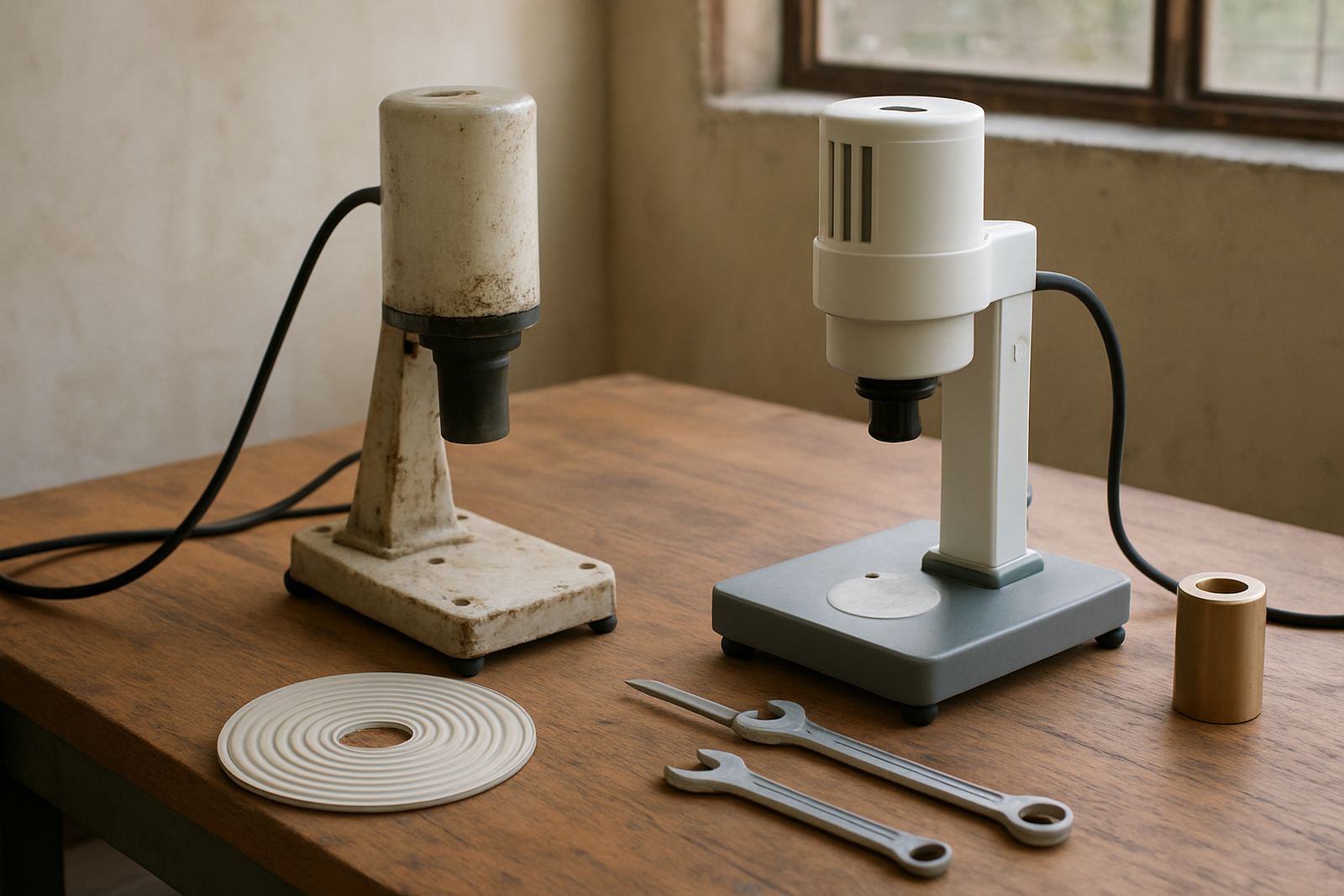
That can include installation checks, line commissioning, seal validation, preventive maintenance and operator training. If the issue is residue related, the solution may be as simple as changing timing, improving drying or adjusting handling points. In other cases, a line needs better spares, a different liner specification or a small mechanical correction that stops repeated contamination.
- Review the bottle and cap specs against the product type.
- Check sealing head height and alignment.
- Test samples from the start, middle and end of a shift.
- Keep a record of when residue appears, and where on the bottle it starts.
With sealing lines running nationwide, quick remote support can help identify patterns before the problem turns into product returns. If you are seeing weak seals, lifting foil or uneven bond lines, the neck finish should be one of the first places you inspect.