Why a 10 minute check beats a day of reject trays
Most sealing problems do not arrive as a major failure. They start small, maybe a liner that sits slightly off centre, a cap that is not torqued properly, or a conveyor guide that has drifted out by a few millimetres. If nobody spots it early, those small faults turn into leaking packs, rework, and a production team trying to catch up before dispatch.
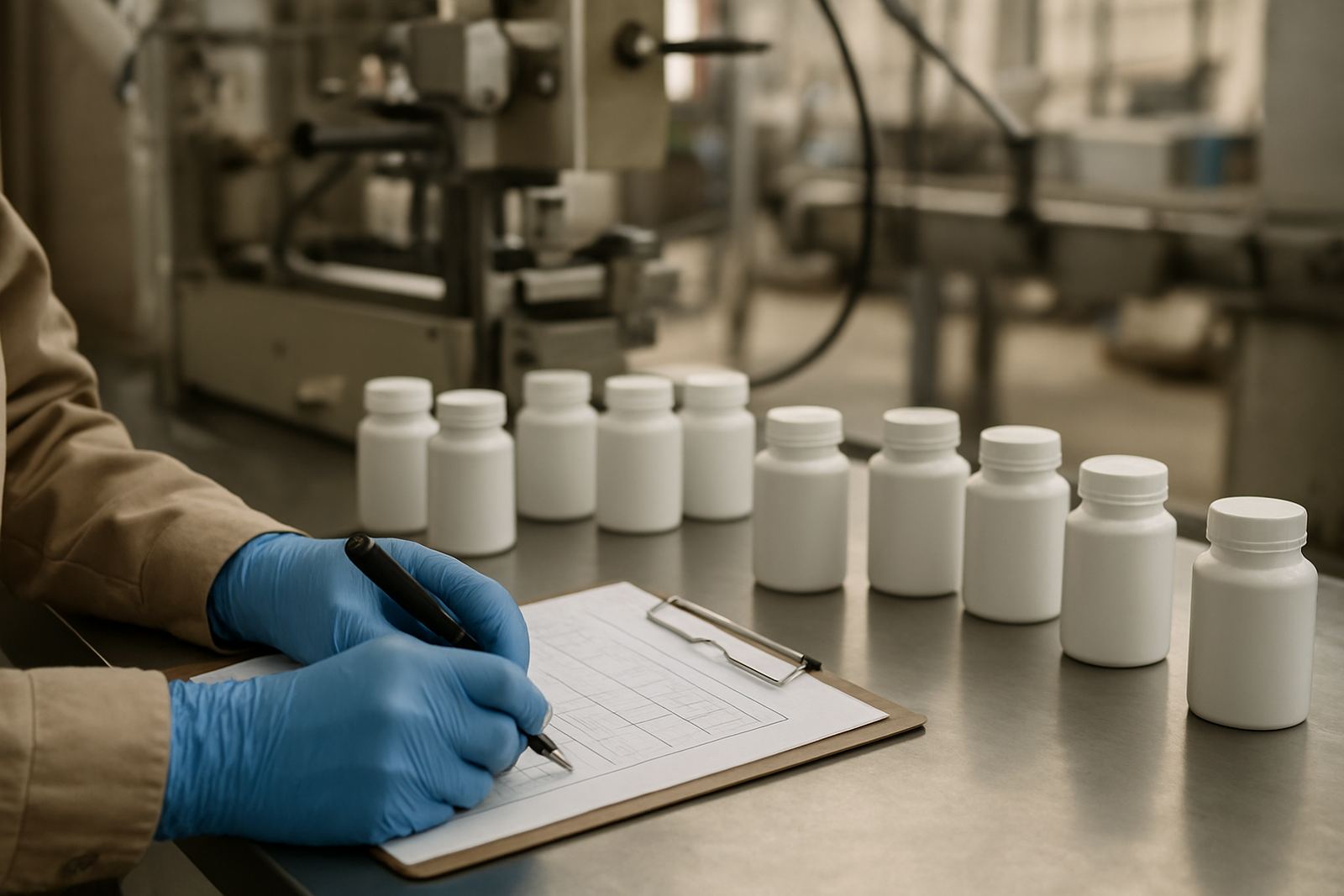
Daily line inspections work because they are simple and repeatable. A shift supervisor or operator can move through the same checklist every day and compare what they see against yesterday's line performance. On busy Durban and Pietermaritzburg packing floors, that consistency is often what keeps a line stable when labour changes, temperatures rise, or load shedding forces a restart after a power interruption.
The aim is not to slow production down. It is to catch the issue while it is still cheap to fix.
What operators should look at before the first pallet moves
A proper daily inspection starts before full speed production begins. The team should walk the line with a practical eye, not just a clipboard. Look for anything that could affect sealing consistency, especially on induction cap sealing where alignment and heat transfer matter.
- Check cap feed, bottle spacing and guide rails for obvious misalignment
- Inspect foil liners for correct fit, orientation and clean storage conditions
- Confirm that the sealing head is clean and free of dust, product residue or loose wrap material
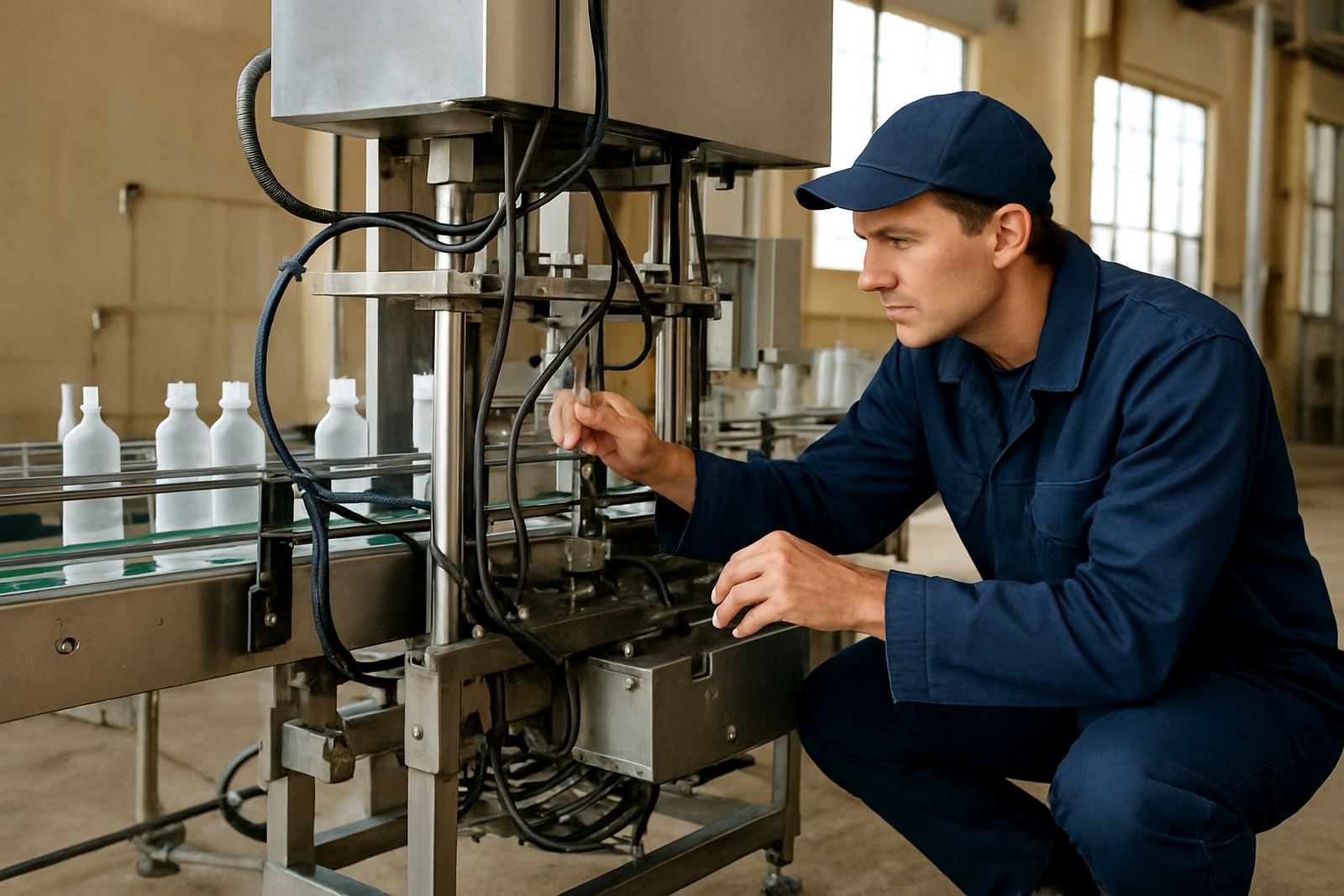
- Look for worn belts, damaged sensors, loose guards and unstable machine stands
- Test emergency stops and safety covers before the line is released
In coastal areas like Jacobs, Prospecton and Richards Bay, humidity can affect liners, cartons and storage conditions more than many teams expect. If sealed components are left open to the air overnight, they can pick up moisture and behave differently during start-up. That means the morning inspection must include the stock around the machine too, not only the machine itself.
The fault patterns that usually show up first
When a line starts rejecting packs, the cause is often visible before the actual defect appears. Operators may notice a change in sound, a slight smell of overheated liner material, or a bottle that feels warmer than normal after sealing. Those clues matter.
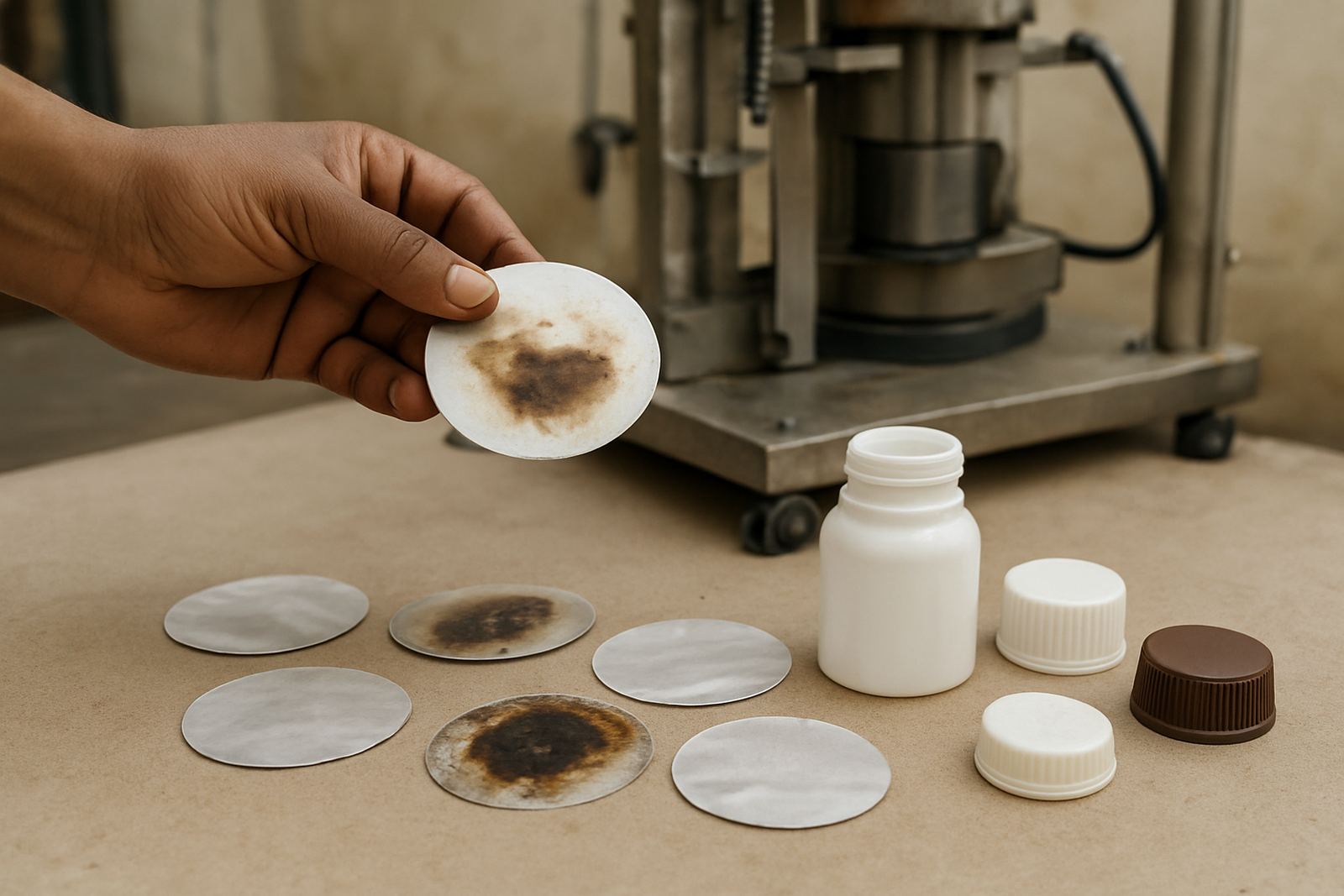
Common warning signs include partial seals, liner burn marks, capping torque variation, lifted foil edges and bottles that fail the leak test only after packing. If the line handles pharmaceutical liquids or chemical products, that kind of failure carries extra risk because the customer may not see the issue until the container is already in the field.
It helps to track the same three points every day: cap application, seal formation and final pack condition. Once the team has a baseline, any change stands out faster. A good supervisor can often tell within minutes whether the line is behaving normally or needs attention, and that kind of practical judgement is worth a lot.
How daily inspections reduce reject rates and unplanned downtime
A reject is never just one rejected bottle. It is product, packaging, labour, changeover time and sometimes transport costs all going into waste. On high volume lines, a small error left unchecked for two hours can create a pile of returns that takes the rest of the shift to sort out. Daily inspections reduce that risk by catching drift early.
They also help teams plan maintenance instead of reacting to breakdowns. If the same fault keeps appearing on a Monday morning, or after power interruptions, then there is a pattern worth fixing. Maybe the sealing head needs alignment after the last cleaning cycle. Maybe the conveyor needs a guide adjustment. Maybe the line is being restarted too quickly after load shedding and the first packs are going through before conditions settle.
- Less product waste from repeated seal failures
- Fewer emergency callouts and overtime hours
- Better traceability when complaints come back from customers
- Cleaner handover between shifts and fewer arguments about where the fault started
That final point may sound small but it makes a real difference on busy factory floors, especially where production, quality and maintenance teams all need to act fast.
A Durban example: what changed after one shift started checking properly
A packing line in Jacobs was running induction sealed bottles for a chemical product that had to leave site the same day. The team kept seeing occasional leaks after palletising, but nothing showed up during the first quick visual check. Once the line started doing a proper daily inspection, the cause became clear. The cap feed was drifting slightly after cleaning, and one guide rail was letting bottles sit off centre by just enough to weaken the seal.
The fix was not complicated. The rail was reset, the cap feed was marked for position reference, and the operators were trained to check those points before start-up. Within a week, reject rates dropped and the team had fewer stoppages during packing. It was not a major machine change, just better control of the basics. That is usually where the savings are.
For plants in Durban, Pinetown, Prospecton and Pietermaritzburg, this kind of discipline matters because many lines run under pressure from tight dispatch windows and changing shift patterns. A line that starts clean and gets checked every day has a much better chance of finishing the week without surprises. And when a line does need support, the fault is easier to trace.
Build the inspection into the shift, not after the problem
Daily line inspections only work when they become part of the shift routine. The same person should not have to remember a new checklist every day. Keep it short, practical and tied to the actual machine sequence. If operators know exactly what to look for before start-up, after changeover and after any stoppage, they will pick up faults sooner and with less confusion.
For facilities that run multiple product types, liner matching and seal validation should be checked whenever a new cap, bottle or formulation is introduced. That matters in food, pharmaceutical and chemical packing where container material, product residue and heat settings can all affect the final seal. If there is any doubt, stop and verify before the whole batch is affected.
At Bottle Sealers, the focus is on keeping sealing lines dependable through practical support, inspections, line commissioning, maintenance and operator training. A few minutes each day can protect a whole shift's output and prevent a lot of unnecessary waste.