Why splash control matters on induction sealing lines
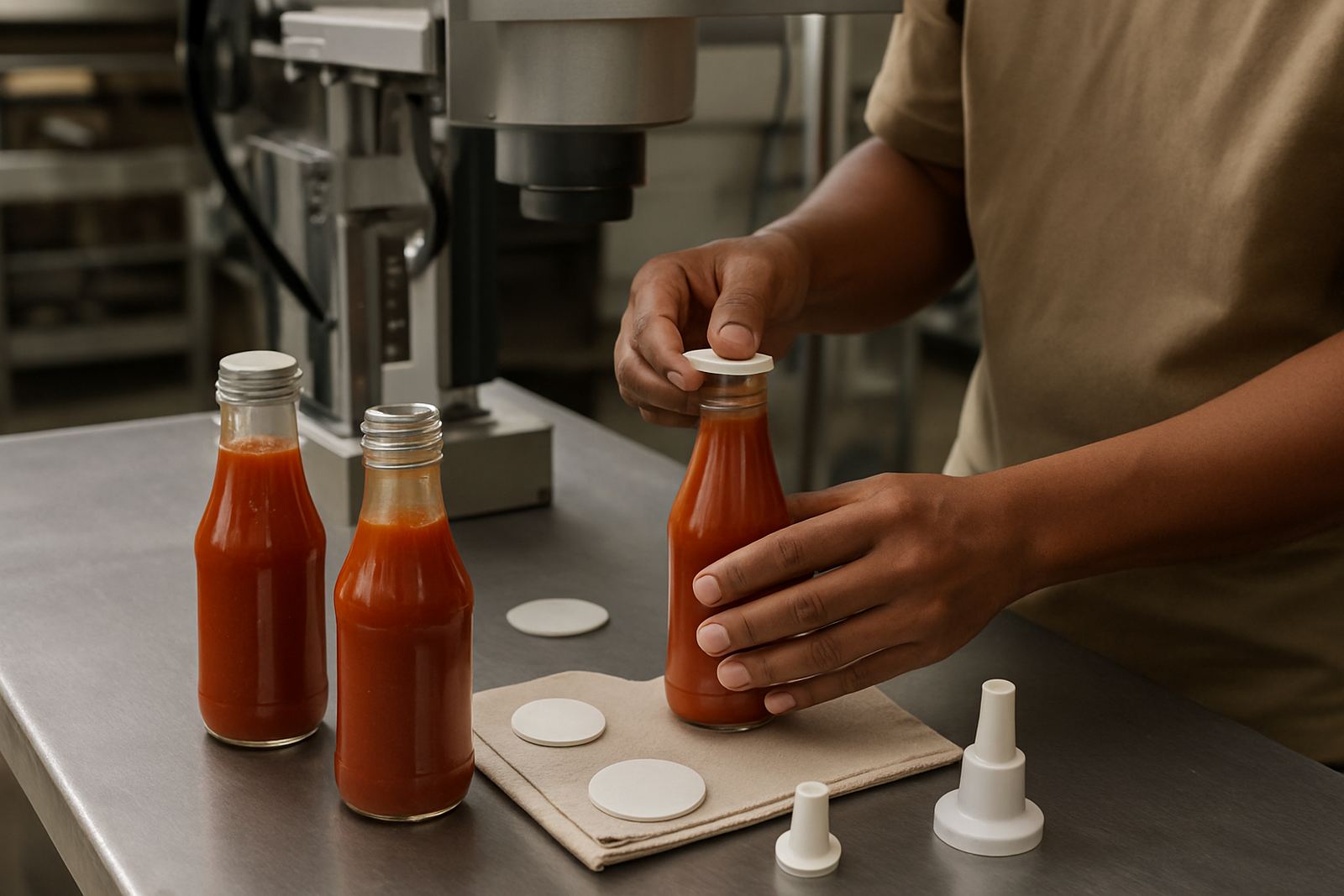
Induction sealing depends on a clean, dry contact point between the container finish and the foil liner. When product splashes onto the rim, threads or inside shoulder, the heat from the sealing head may still activate the liner but the bond to the bottle is weak or uneven. That is where leaks start, especially on bottles that travel through capping, coding and packing before anyone notices a problem.
For liquid products, the risk rises when the fill point is too high, the filling speed is aggressive or the product has foam, surfactants or low surface tension. In Durban and other coastal centres, humidity can add another layer of difficulty because wet containers do not dry as quickly. The result is not only product loss, but also complaints, returns and extra cleaning on the line.
In practical terms, splash management is not just about keeping things tidy. It protects seal integrity, reduces foil rejects and helps maintain consistent output across shifts. For pharmaceutical, food and chemical plants, that consistency matters because a good seal is part of product safety, not just presentation.
Common causes of drips and splash on filler stations
Most splash problems are mechanical or process related, and they usually show up in the same places. A filler that lifts too quickly, a nozzle that dribbles after shutoff, or a container that is under the spout for too long can all put liquid where it should not be. Some products foam lightly and then settle on the rim, while others leave a thin film that looks harmless but blocks foil bonding.
Another cause is container movement. If the bottle wobbles on the conveyor or arrives off-centre under the fill head, the liquid can strike the neck. On higher speed lines, even a small vibration from a worn guide rail or uneven floor can make the problem worse. In areas like Jacobs, Pinetown and Prospecton, we often see this after line changes where one bottle size is running on guides set for another.
- Overfilled bottles that leave no headspace for product movement
- Nozzles that drip after each fill cycle
- Foaming liquids entering too fast
- Misaligned conveyors or unstable container handling
- Caps applied before the neck is fully clean and dry
Keeping the bottle neck dry before foil application
The simplest fix is often the best one: keep liquid away from the sealing zone. That may mean changing the fill height, adjusting the nozzle drop, adding anti-drip control or slowing the fill stroke just enough to stop splash without hurting throughput. If the product is prone to foaming, the inlet angle and fill rate should be checked first, then the container dwell time after filling.
Where wet necks remain a problem, a short drip control section or air management point can help. Some lines benefit from a brief settling stage before capping and induction sealing, especially on lighter bottles or tall containers that sway on the conveyor. The aim is to let liquid settle and remove visible moisture before the liner is exposed to heat.
In chemical and food plants, operator discipline makes a major difference. Fillers and packers should watch for splash patterns during the first 15 to 20 minutes after start-up, after cleaning, and after any product change. That is when incorrect settings usually show themselves, and quick correction saves a lot of rejected packs later.
Matching liner performance to real product behaviour
Not every foil liner reacts the same way when a bottle neck has a small amount of residue. The product chemistry, container material and cap design all affect how well the liner bonds. High-acid liquids, oils, alcohol-based products and some cleaners can challenge the sealing window if there is splash on the mouth or thread. That is why liner selection has to match the actual pack condition, not only the nominal bottle size.
For liquid packs that are difficult to keep perfectly dry, a sealing test should be done using bottles straight off the line. The test should confirm what happens when there is light splash, a thin film or a slightly damp rim. A good result in the workshop means little if the line at Richards Bay or Pietermaritzburg is behaving differently under live production conditions.
- Check liner compatibility with product type and container material
- Test on bottles taken directly from the line
- Review seal strength after normal handling and transport
- Confirm performance after warm, humid or cold room conditions
How line setup affects leak-free sealing
Line setup has a direct effect on splash management. Conveyor height, guide width, capping pressure and induction head alignment all need to support a clean seal zone. If the cap is applied too soon, trapped product may be pushed into the liner area. If the induction head is too far off centre, the seal may be uneven even where the bottle looks clean.
A proper setup should also account for loading and packing flow. Bottles that are handled too early after sealing can shift before the liner has fully stabilised, particularly where temperatures are high inside the plant. On some lines in Durban, we have seen leaks caused not by the sealer itself but by rough transfer from filler to capper to pack table, with splashes already present before the induction point.
Preventive maintenance helps here as much as sealing equipment checks do. Worn filler seals, loose nozzles, tired guides and contaminated conveyor parts all add up. Regular service intervals, operator checks and line optimisation can keep the process steady, even during long shifts and load-shedding recovery when start-stop operation tends to expose weak points.
A practical Durban example from a busy liquid packing line
A Jacobs-based liquid packer running on a two shift pattern had repeated foil failures on a medium-viscosity product. The packs looked acceptable at first glance, but leak tests showed weak seals around the bottle shoulder. On inspection, the issue came from light splash during filling, plus a slight delay before caps were applied. The product had a tendency to cling to the nozzle tip and then drip onto the neck of the bottle.
After adjusting the fill timing, correcting the nozzle shutoff and tightening the conveyor guides, the number of wet necks dropped sharply. A short operator training session followed, focused on spotting splash during start-up and after washdown. With the line cleaner and the liner matched to the product, seal failures reduced and the client stopped losing cartons to rework. Small changes, but they made a noticeable difference on the floor.
That sort of result is common when the line is looked at as a complete system. Seal quality improves when filling, capping, heat application and handling are all working together. It is never only one machine.
},{