Start with the bottle and closure, not just the machine
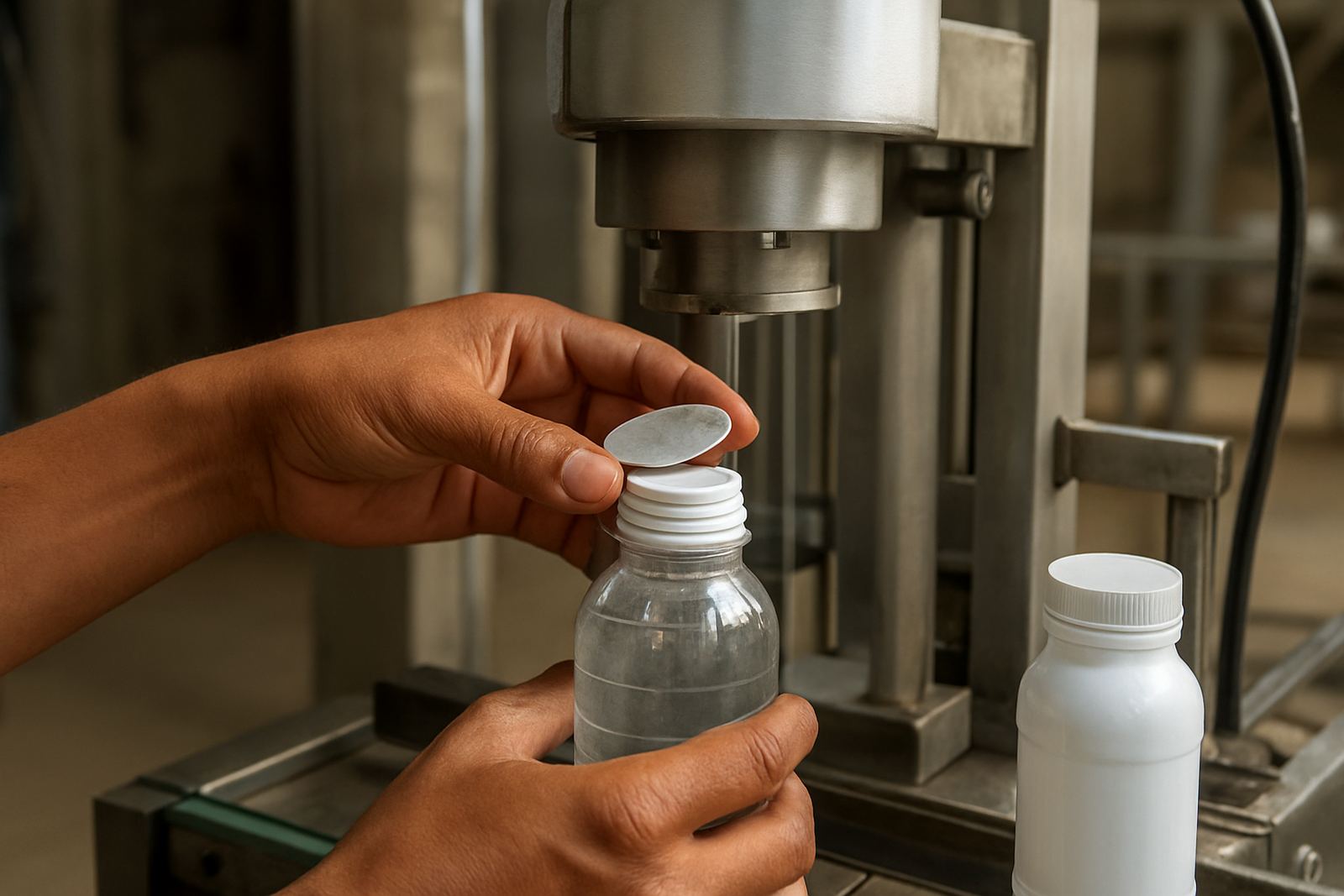
Weak seals are often blamed on the sealer first, but the bottle neck and cap matter just as much. If the rim is uneven, contaminated with powder, oil, moisture or chemical residue, the induction liner will not bond properly. On round bottles it is fairly easy to spot, but on square or narrow-neck containers the issue can be hidden until the seal starts peeling in transit.
Check whether the closure is sitting squarely and whether the neck finish matches the liner size. A liner that is too small may only touch part of the rim, while one that is too large can wrinkle and leave gaps. For Durban sites handling liquid products in humid conditions, even a small amount of condensation can weaken adhesion. Clean, dry, consistent surfaces are the first line of defence.
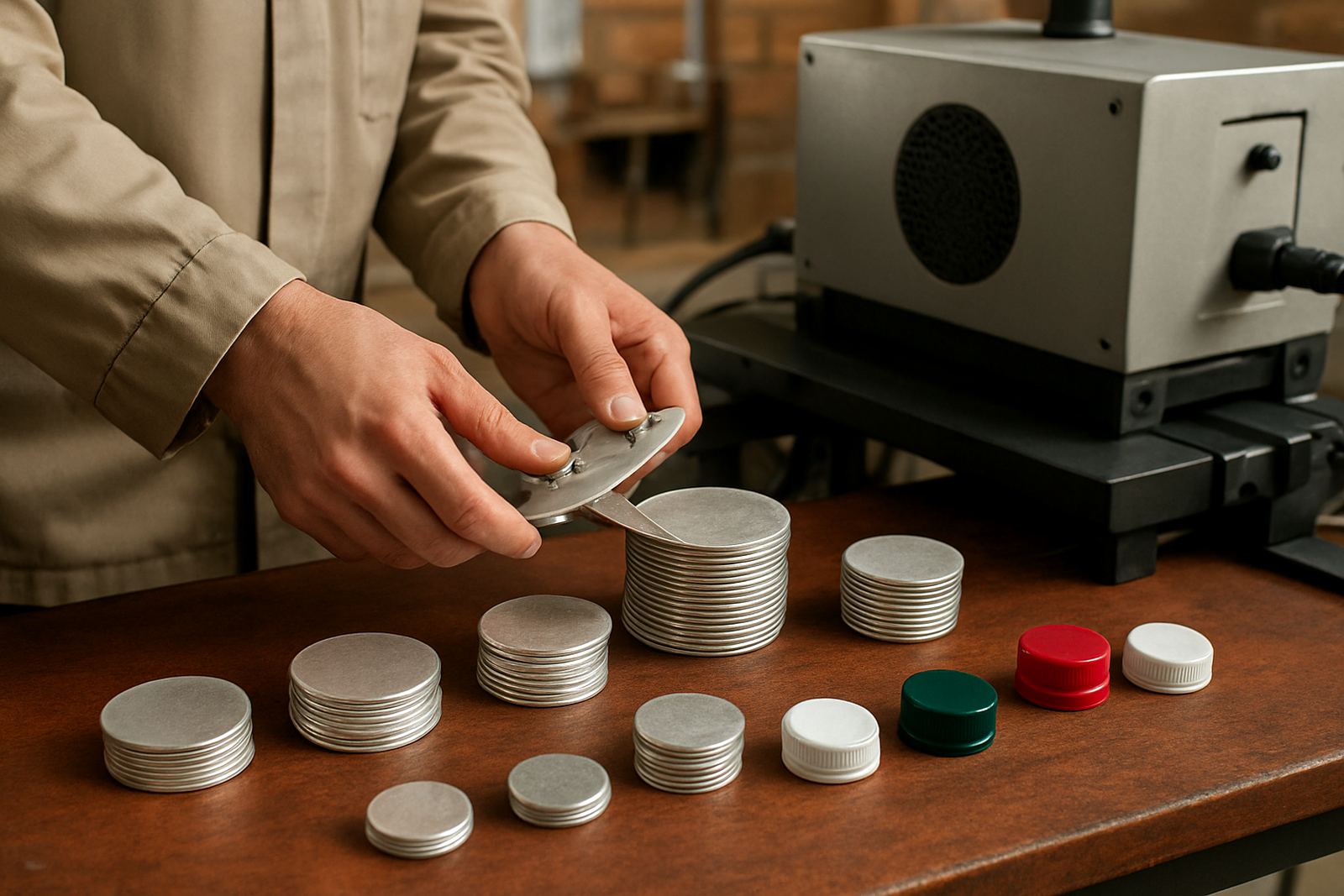
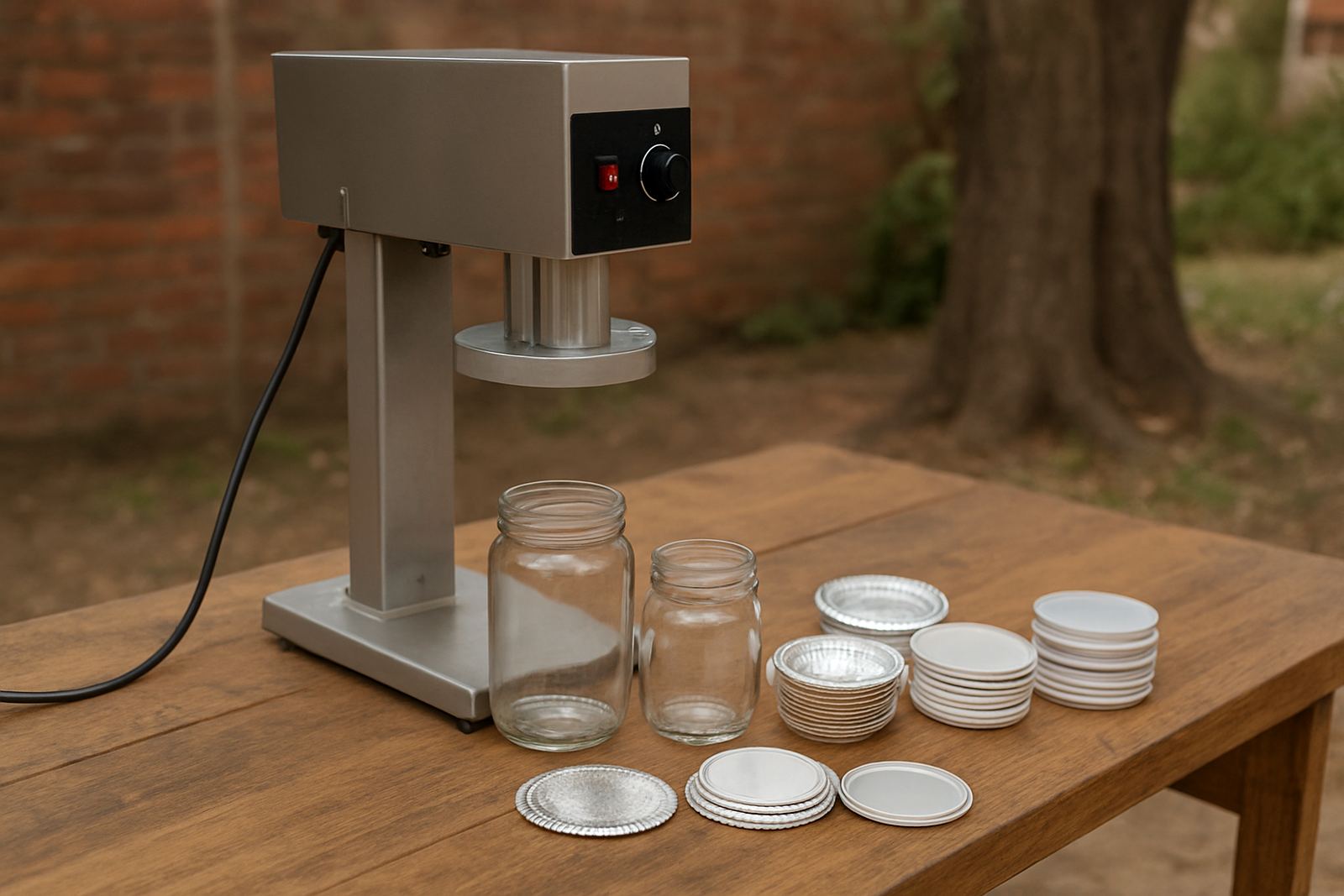
Match the liner to the product and pack type
Not every induction liner suits every fill. Pharmaceutical powders, edible oils, cleaning chemicals and dry foods all behave differently under heat and pressure. Some products give off vapour, some leave residue at the neck, and some require a stronger peel strength for customer convenience. The wrong foil liner can seal in the factory yet fail during storage or transport.
- Check whether the liner is intended for dry, liquid or oily products.
- Confirm the liner thickness and foam layer suit the bottle material.
- Review whether the product can attack the seal from inside over time.
- Test for clean peel versus full bond depending on how the pack is opened.
If a client in Pinetown says seals are lifting after a week, the issue may be compatibility rather than machine fault. Liner matching is a practical step that saves time and avoids product returns.
Heat settings that are too low or too aggressive
Induction sealing depends on the right balance of power, time and conveyor speed. Too little heat and the liner bonds weakly. Too much heat and the foil can scorch, the wax layer can overrun, or the seal can become brittle and fail early. This is where many lines get caught out after a change in bottle size or cap supplier.
During load-shedding recovery, operators sometimes restart lines at previous settings without checking the warm-up sequence. That can lead to inconsistent output for the first few batches. It is better to log the exact settings for each pack format and confirm them after any power interruption, maintenance stop or line speed change. A short test run with peel checks can save a full shift of rejects.
Watch for line speed, cap torque and conveyor variation
Even a correctly set sealer will struggle if the line is moving unevenly. If bottles are wobbling, capping torque is inconsistent, or the conveyor has surging gaps, the induction head may not deliver the same result from pack to pack. Weak bonds often show up as random failures rather than a complete run issue.
- Keep the bottle height and cap torque consistent.
- Check conveyor guides so containers stay centred under the head.
- Make sure the sealer head height is set for the actual closure profile.
- Look for slippage on the belt or skipped containers after stops and starts.
In Richards Bay, where heat and humidity can shift through the day, small line changes can quickly become bigger sealing faults. Operators should be trained to notice these small shifts early and report them before the batch moves into packing.
Storage and handling can damage a good seal later
A seal that passes at the machine can still fail in a warehouse or during delivery. High stack pressure, direct sun, hot trucks, wet floors and rough handling all place stress on the closure. If packs are stored in a warm storeroom or near chemicals that give off fumes, the liner may soften or lose grip over time.
This is especially important for food and pharma products moving through KwaZulu-Natal where coastal humidity and summer temperatures can be harsh. Keep finished packs in a controlled area where possible, and avoid stacking that crushes the cap area. If seals fail only after distribution, the line may be fine and the problem may sit with storage conditions instead.
Use a simple test routine before failures spread
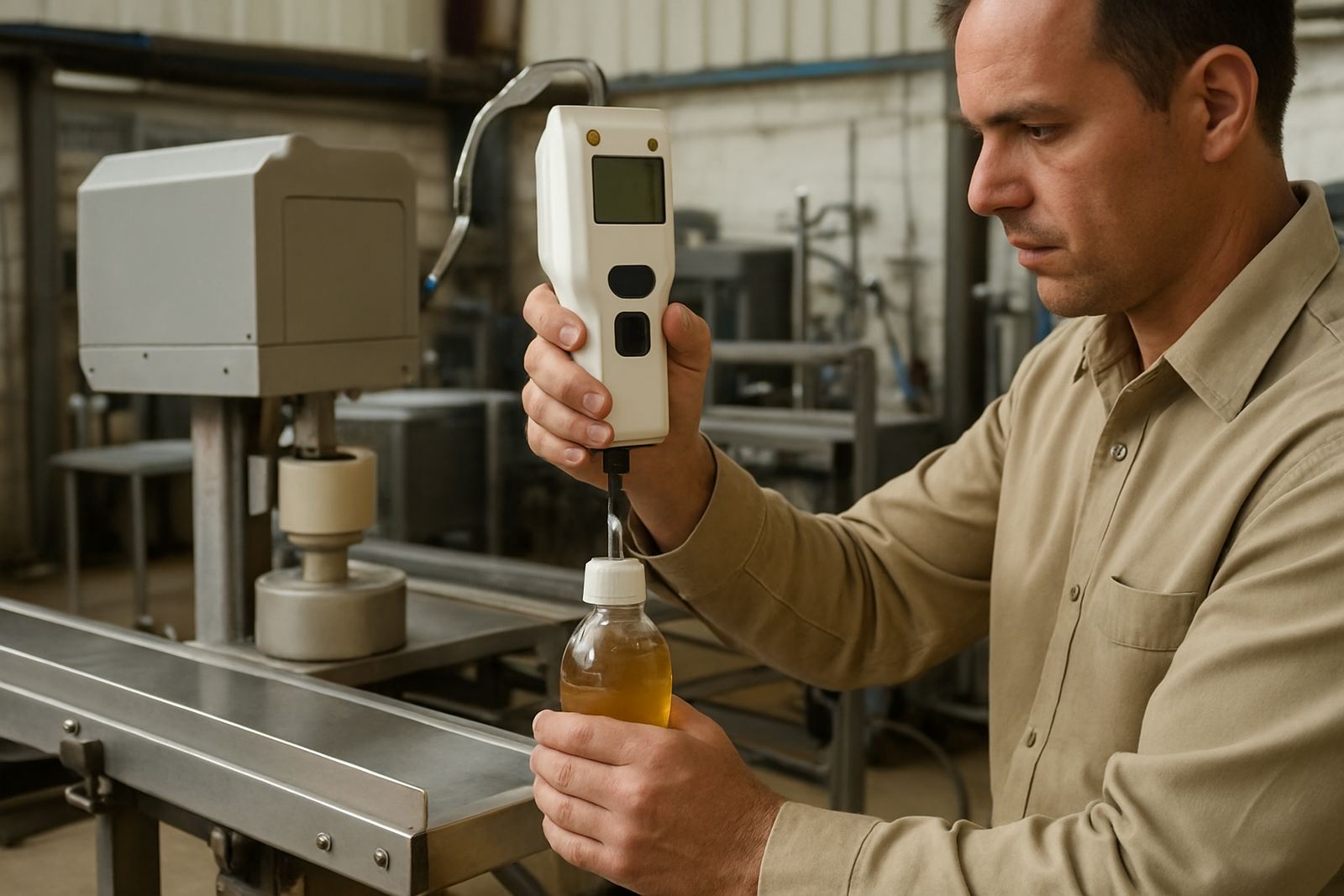
When weak bonds start showing up, a short routine helps isolate the cause. Test a sample from the start, middle and end of the run. Compare the peel force by hand and check whether the liner tears evenly or lifts in patches. Keep notes on the bottle batch, cap batch, product fill temperature and line settings so patterns become visible.
- Run a seal validation check after liner changes.
- Record any breakdown repairs or power interruptions before the fault started.
- Inspect spare liners for storage damage, dust or moisture.
- Use the same sample method across all shifts so results can be compared.
For plants in Jacobs, Prospecton and Pietermaritzburg, this kind of routine is often the difference between a small adjustment and repeated rejects. It also gives maintenance and production teams something factual to work from instead of guesswork.
When to call in support and recheck the line
If the same seal fault keeps returning after normal checks, the line may need a full commissioning review or preventive maintenance visit. The problem could be head alignment, worn parts, poor liner supply, or a bottle change that was never fully matched to the closure spec. Remote support can help with initial diagnosis, but some faults need hands-on testing at the site.
At Bottle Sealers, the practical response is to check the full sealing process from liner matching to operator handling, then work through the settings until the bond holds as it should. A weak seal is not just a packaging issue. It is a product integrity risk, and it should be treated like one.