Why liner size is not just a catalogue choice
When a cap is sealed by induction, the liner must sit correctly inside the closure and cover the bottle finish fully. If the diameter is too small, the seal ring may miss the shoulder or leave a weak edge. If it is too large, the liner can buckle, wrinkle or press against the cap wall in a way that affects both sealing and appearance.
In South African packing lines this matters across pharmaceutical bottles, food jars and chemical containers. A clean seal is not only about leak prevention. It also helps with tamper evidence, traceability and how the pack presents after capping. A container that leaves the line with a tilted seal or burnt foil usually points to a sizing issue somewhere in the cap and liner combination.
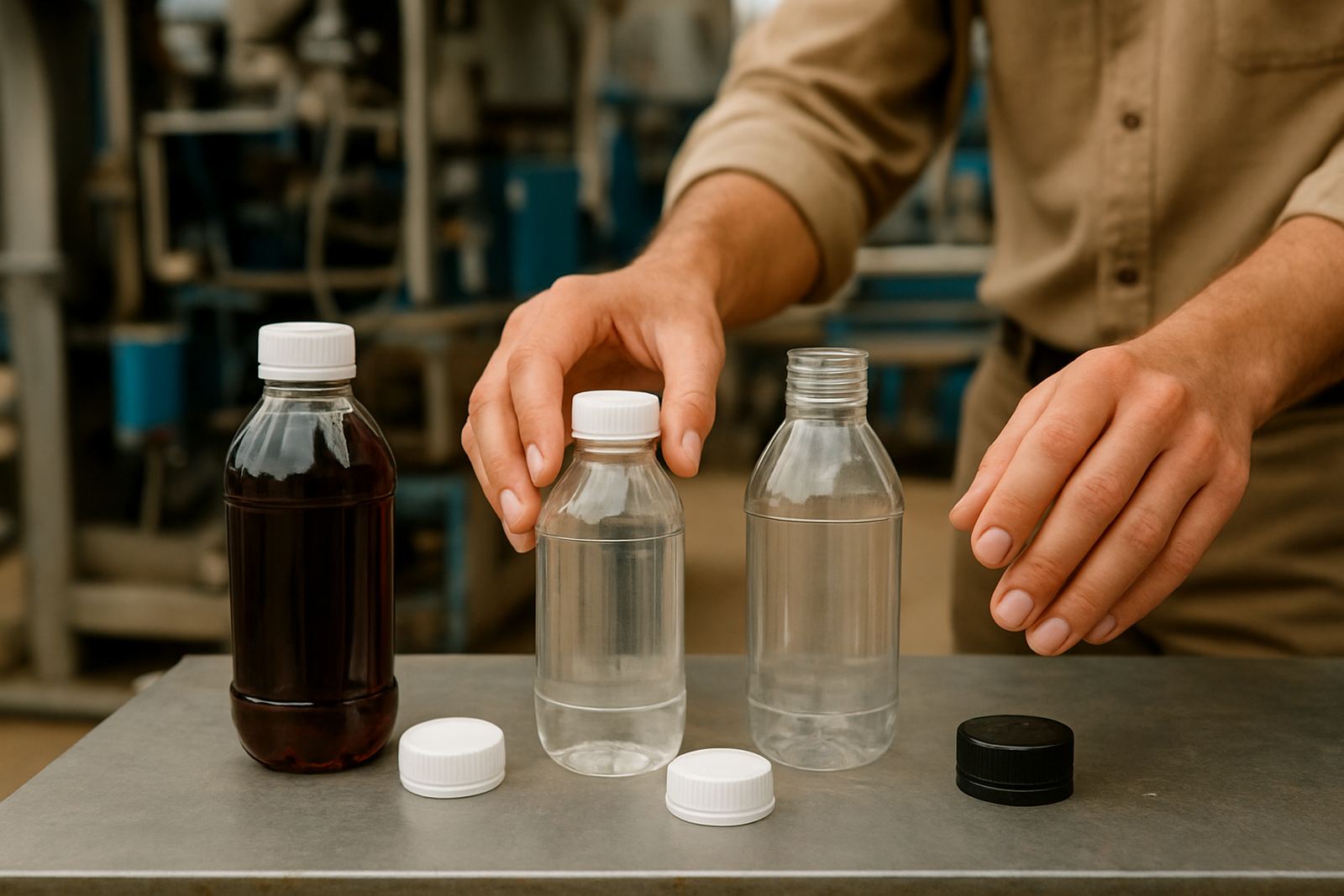
The best starting point is the bottle neck finish, the cap internal diameter and the liner construction itself. A liner may suit one closure style but not another, even if both caps look similar from the outside.
How diameter affects the seal ring and the final look
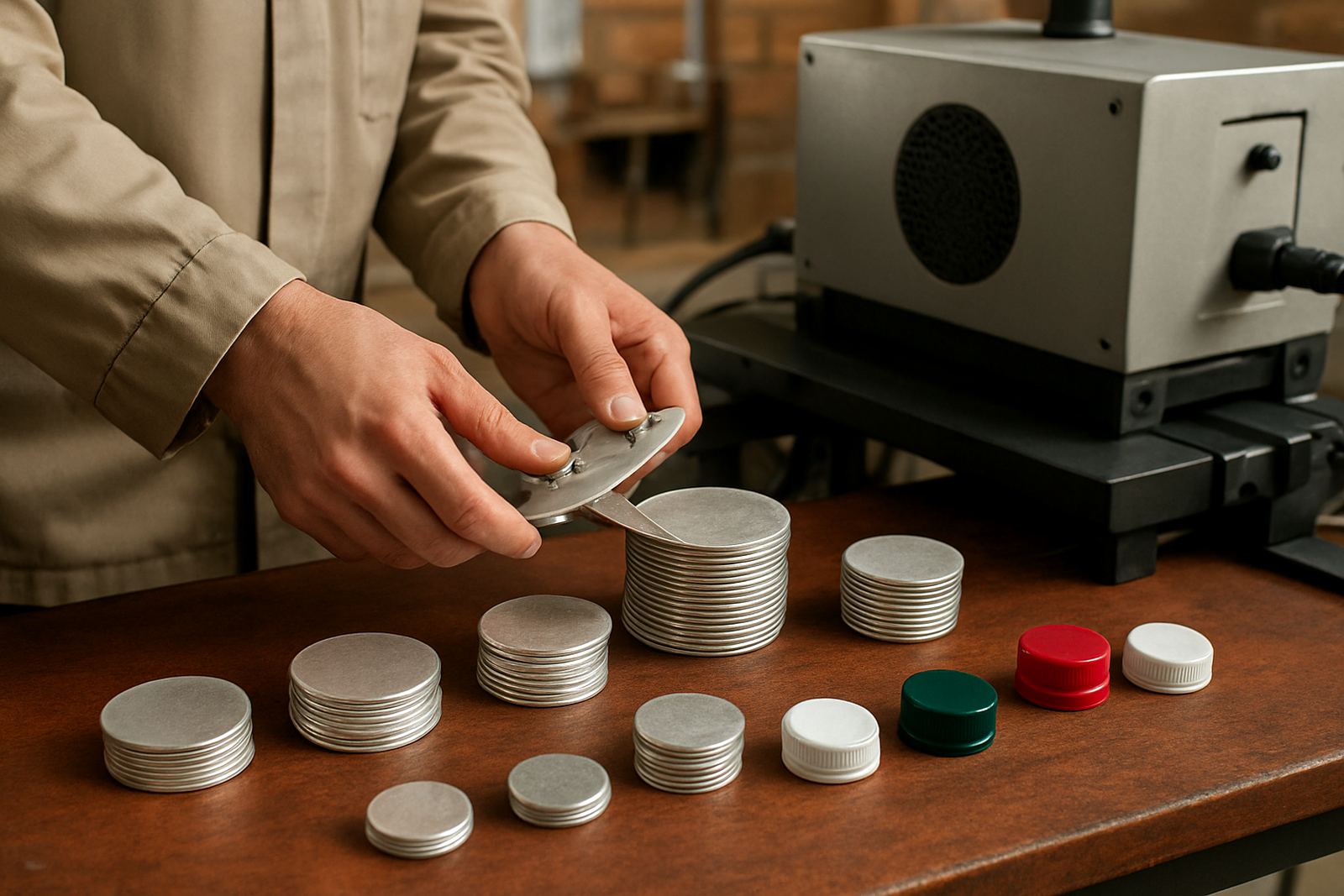
Diameter is the first measurement to get right. The liner has to cover enough of the sealing land inside the cap and also match the container opening closely enough to form an even bond. On narrow pharmaceutical containers, a liner that is too wide can fold at the edge and leave a neat looking cap but a poor seal underneath. On wider food jars, a liner that is undersized may seal in the middle and leave the perimeter exposed.
Cap fit also affects how the liner sits before sealing. A loose cap can allow the liner to shift during handling, while an overly tight cap can distort the liner before the induction head even does its job. That is why liner matching has to consider the full closure set, not the liner on its own.
- Measure the bottle neck finish and the cap internal seating area, not only the outside diameter.
- Check whether the cap has a flat seat, a ribbed seat or a recessed shoulder.
- Confirm the liner height, thickness and layer structure for the product type.
- Allow for normal line speed, since fast lines can expose fit problems sooner.
Matching liners to product type and container material
Different products need different liner behaviour. A dry powder in a pharmaceutical bottle does not need the same liner response as a viscous sauce, solvent, or liquid chemical. Heat transfer, moisture resistance and product vapour all play a part. In coastal areas like Durban and Richards Bay, high humidity can also affect how liners behave in storage and on the line, especially when packs are held in an open staging area before sealing.
Plastic bottles, glass jars and speciality containers each place their own demands on the liner. Some finishes need more tolerance at the edge, while others need a firmer seal area to avoid leaks during transport. If the container has a narrow neck or a deep thread profile, the liner must support that shape without creasing.
- For pharmaceuticals, prioritise seal consistency and tamper evidence.
- For food products, check for clean peel behaviour where required.
- For chemical packs, confirm resistance to the product and any fumes.
- For humid storage areas, keep liners sealed and dry before use.
What goes wrong when the liner is the wrong size
Most sealing faults show up as symptoms long before the pack fails outright. You may see scorch marks, poor pull-up, a dull ring, lifted edges or seals that look uneven from one cap to the next. Sometimes the closure appears correct but the liner has sealed only partially because the head energy was spread across a poor fit. That is expensive on a busy line and can lead to rejects that were avoidable.
It is also common for operators to chase the fault at the induction head when the real issue is liner size. They may increase power, slow the line or change dwell settings, but if the liner does not fit the closure properly, those changes only mask the problem. In some cases the cap supplier, bottle supplier and sealing team each see only part of the picture, so a proper match review saves time.
When we check a line, we look for repeat patterns. If the same fault appears on one cap size, one product family or one batch of liners, the issue is usually dimensional not random.
A practical matching process for South African packing lines
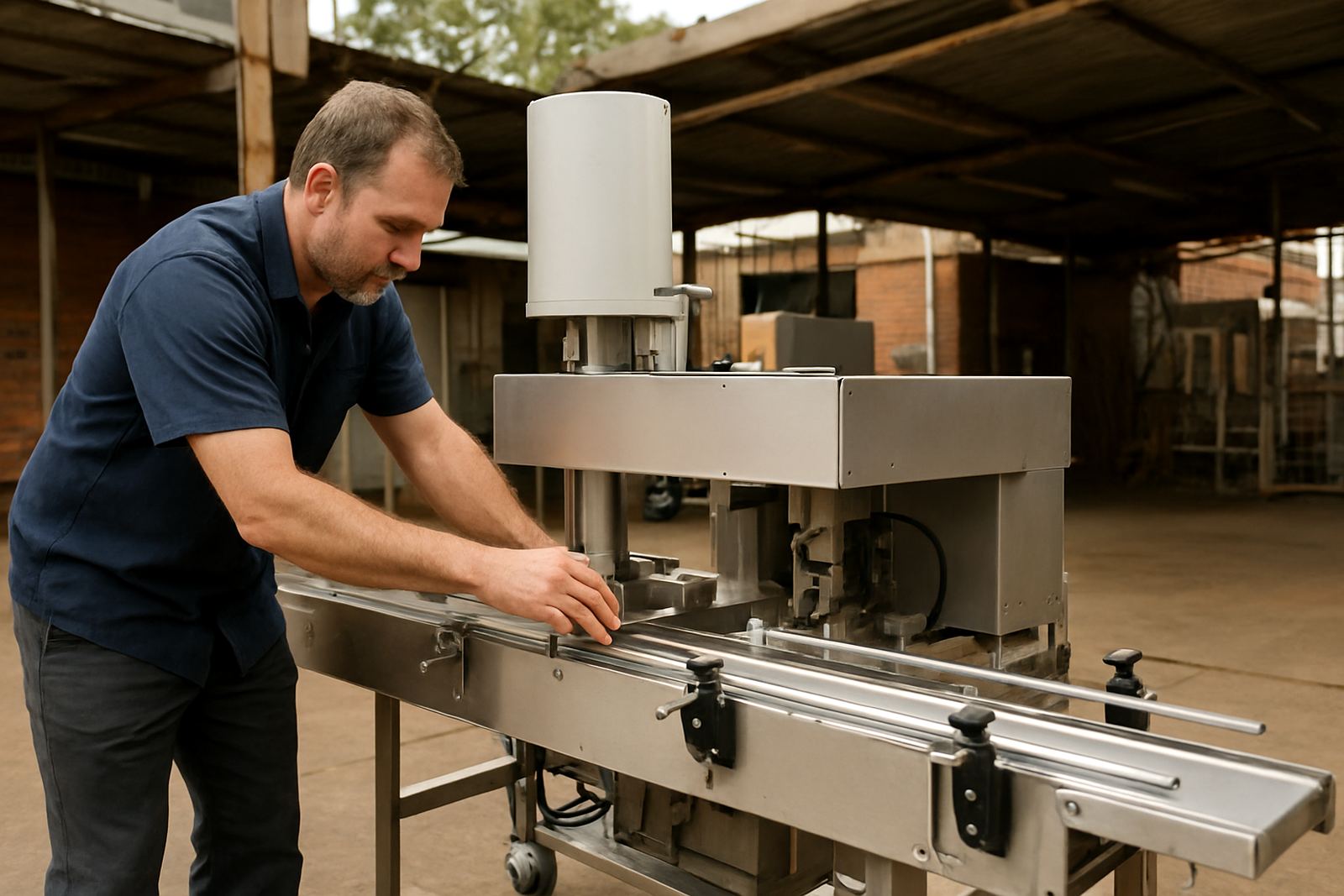
For a reliable setup, liner matching should be treated as a simple technical process, not a guess. Start with sample caps and bottles from the actual production run. Measure the neck finish, cap seat and liner cavity. Then test the liner under normal line speed, the usual fill level and the same product conditions that apply in production. A liner that works at a bench test may behave differently once the line is moving at full rate.
In Durban and Pinetown we often see issues after a product changeover where the new container has a slightly different neck profile. It may only be a fraction larger or smaller, but that is enough to change the seal pattern. The same applies when one plant in Prospecton runs the same product as a site in Pietermaritzburg, but the closure tooling is not identical.
- Test with real production bottles, caps and product.
- Record seal appearance, leak results and removal force where relevant.
- Keep a written match record for each pack size.
- Recheck after any supplier change or tooling repair.
Why matched liners support cleaner operations and fewer stoppages
Once the liner size is right, the whole line runs with less interruption. Operators spend less time adjusting settings, maintenance teams get fewer callouts for seal faults and quality checks become more predictable. That matters on shifts where load-shedding already forces careful planning around production windows and backup power. If you have a short run after a power cut, you want the first packs off the line to seal properly, not after ten trial adjustments.
A proper match also helps the pack look better. Caps sit straighter, seals look even and the end product gives a more professional impression to pharmacies, wholesalers and end users. For food and chemical packs, that appearance supports confidence in the product before the container is even opened.
At Bottle Sealers in Jacobs, Durban, the focus is on helping plants choose liner sizes that suit the actual container and closure, not only the drawing on paper. That practical step protects product integrity and reduces waste. When the fit is correct, the seal does its job quietly, which is exactly how it should be.
When to review your liner match
It is worth reviewing liner size whenever there is a packaging change, a new supplier, a shift in cap tooling, or repeated complaints about seal appearance. If a line starts to show inconsistent pull-up, edge lift or leaks after storage, the liner match should be part of the investigation. A quick recheck can prevent a larger stock issue later.
The best time to fix a sizing problem is before a full production batch is packed. Once cartons have moved through warehousing and distribution, even a small mismatch can become a costly return. In real terms, liner matching is one of the simplest ways to protect both product and margin.