Why peel force tests matter on a packing line
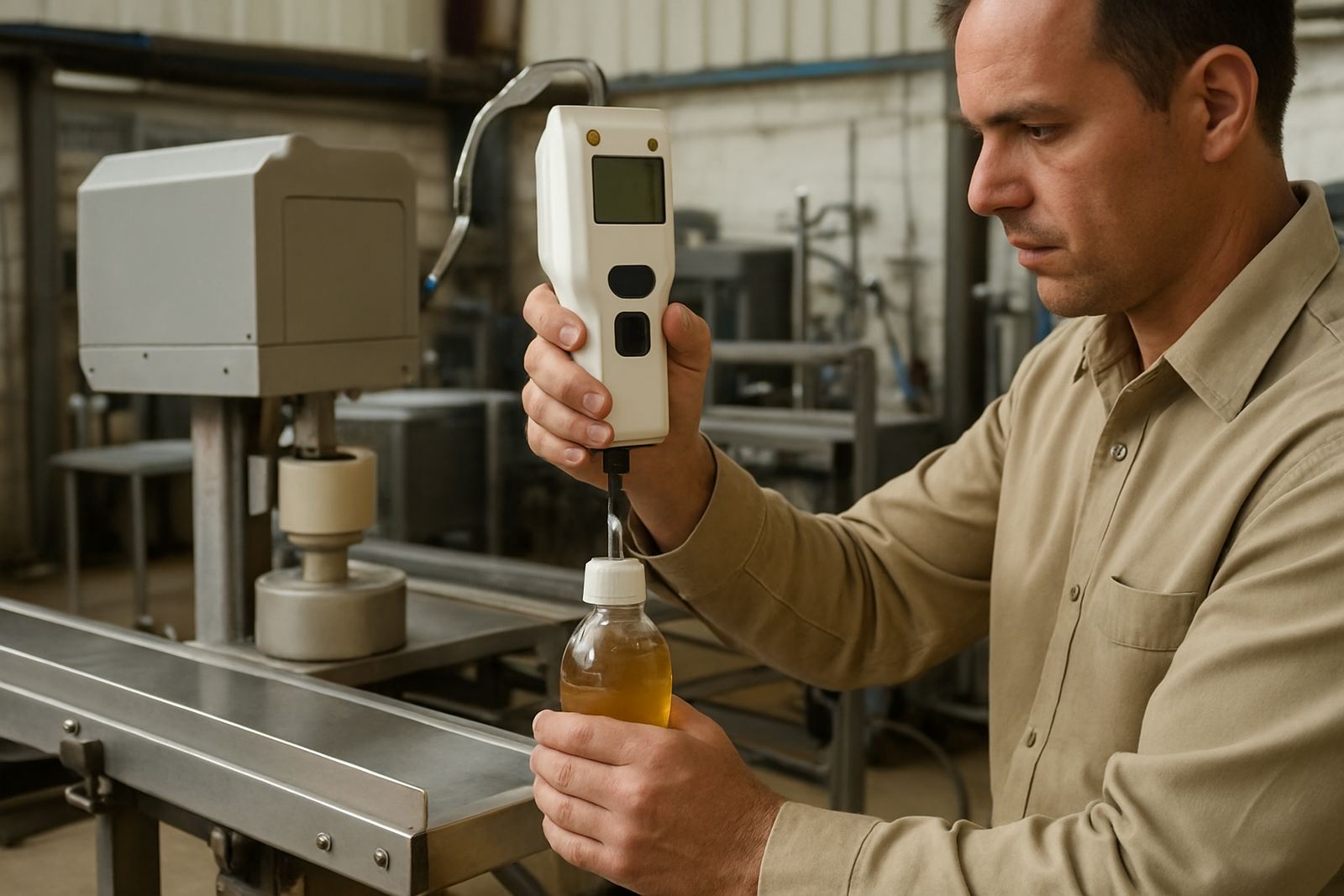
A foil seal can look fine from the outside and still be weak under the cap. Peel force testing measures how much force it takes to lift the liner away from the container finish, which gives a clear picture of seal consistency during trials.
That matters for pharmaceutical, food and chemical packs because a weak seal can lead to leaks, contamination or short shelf life. A seal that is too strong can also create trouble, especially when customers need easy opening without tearing the neck finish or leaving foil fragments behind.
For teams comparing trial settings, peel force numbers help separate a lucky batch from a repeatable process. It is much easier to justify a change in temperature, dwell time or pressure when the results are measured properly and recorded against the same pack format.
What changes the peel force result
Peel force does not depend on one setting alone. It is affected by the cap, the liner material, the container finish, the product inside the pack and even the storage conditions before testing. In Durban and other humid coastal areas, moisture can alter trial behaviour if samples are left open too long before sealing.
Common factors that change results include:
- Seal head temperature
- Application pressure
- Line speed and dwell time
- Container neck finish and closure fit
- Liner thickness and foil construction
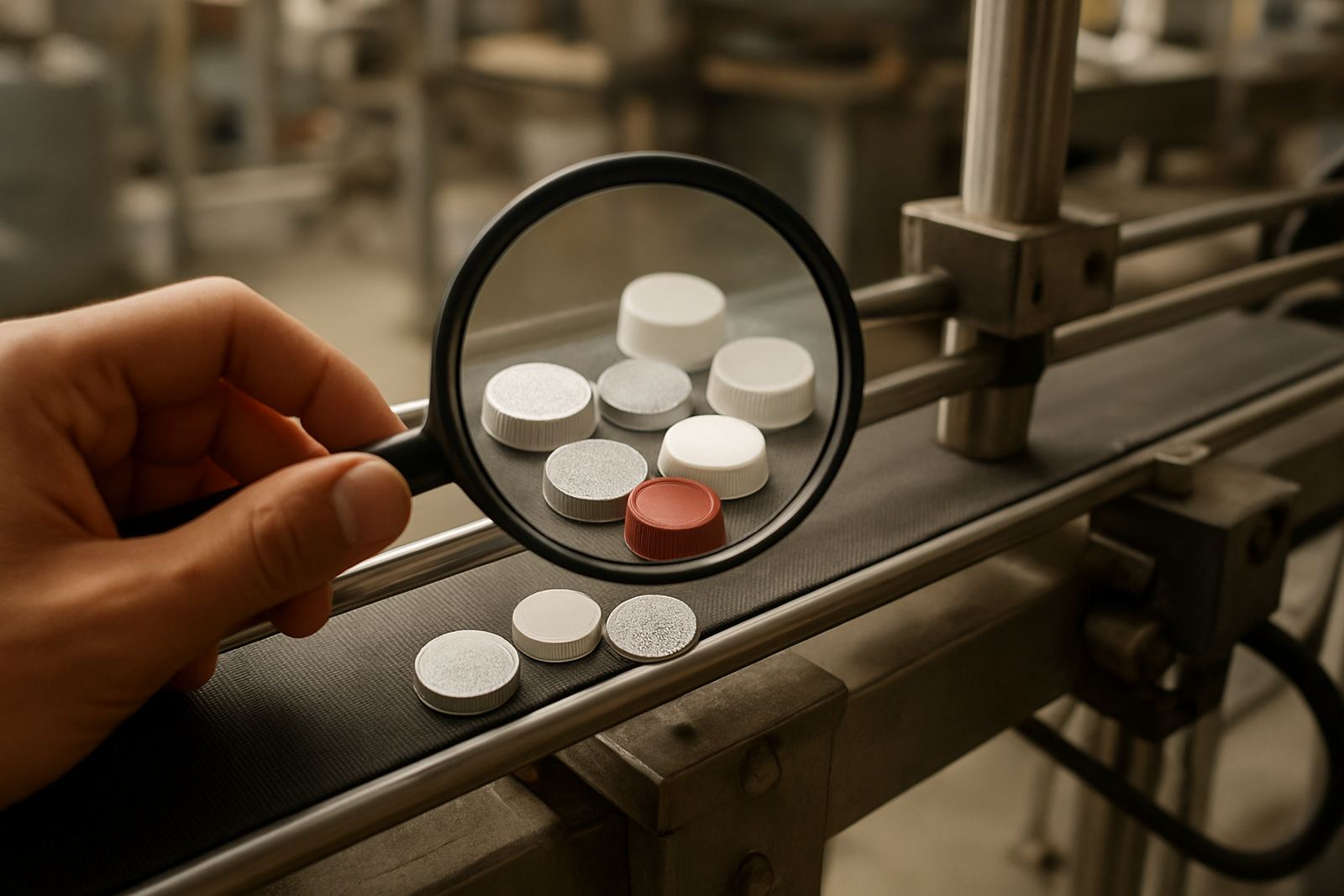
- Product splash, powder or residue on the rim
- Ambient heat and humidity on the day
On a hot afternoon in Jacobs, a trial that looked stable in the morning can drift if the line has been running for hours and the pack tops are warmer than planned. That is why one set of readings should never be treated as the full answer.
How to run a practical trial test
A good trial starts with consistency. Use the same bottle, same cap and same filling level for each set of samples, then only change one variable at a time. If you change liner type, keep the temperature and pressure fixed. If you change temperature, keep the liner and speed the same.
For a useful test run, collect enough samples to show a pattern, not just one or two packs. Many teams test at least 10 to 20 containers per trial setting so the average and spread can be compared properly. The key is to note every condition, including time of day and any interruptions from load-shedding or a line stop.
- Label each sample with the exact trial setting
- Keep samples away from dust and direct sun
- Test as soon as practical after sealing
- Record the force reading and any visual defects
- Compare like with like, not mixed product runs
Reading the results without overcomplicating it
Peel force values are most useful when they are compared against the customer’s pack requirement and the real behaviour of the line. A result that is slightly lower than expected may still be acceptable if it is repeatable and the packs pass leak checks. A very high result may look impressive, but if operators need to fight the cap or the liner tears unevenly, the setting is not right.
Look for three things. First, does the reading stay close from sample to sample. Second, does the seal open in a clean, even peel. Third, does the result still hold after the pack has been cooled, stored or moved through distribution. Those points matter for roads between Durban, Pietermaritzburg and Richards Bay, where vibration and heat can expose a weak seal fast.
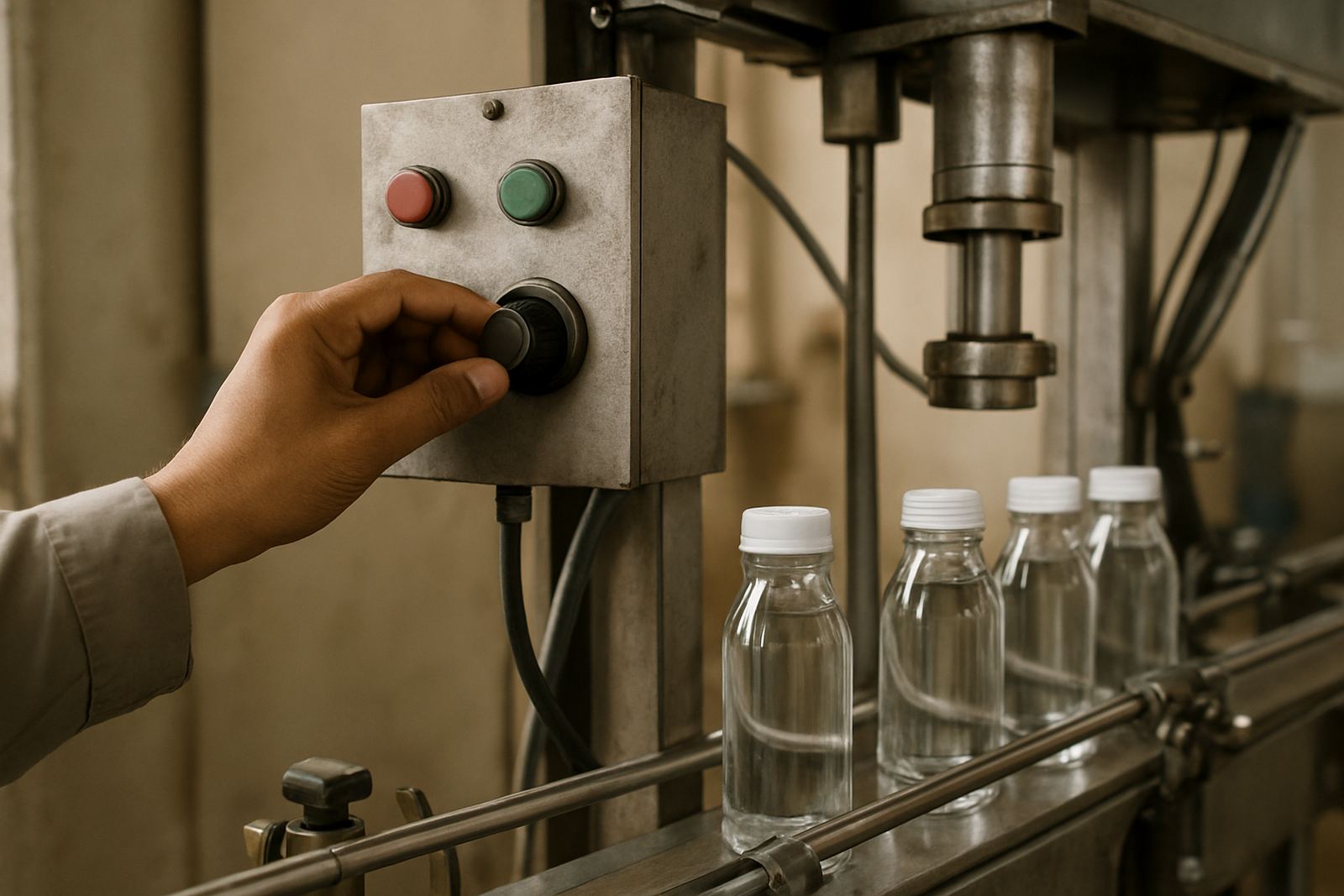
When the spread is wide, the line may need better control on torque, temperature or liner positioning. That is usually more valuable than chasing the highest number on the sheet.
Using peel force tests to compare liner options
Trial work often happens when a business is choosing between liner formats for a new product or trying to solve a current leak issue. Peel force tests make it easier to compare different options under the same conditions and see which one suits the pack and filling process best.
In many cases, the best liner is not the one with the highest seal force. It is the one that seals properly, opens cleanly, handles product splash, and stays stable through the full supply chain. For chemical packs, that can mean better resistance to fumes and rough handling. For food and pharmaceutical packs, it can mean cleaner presentation and less risk of tampering.
- Test the liner on the exact container finish used in production
- Check performance after a realistic storage period
- Review the seal after transport or handling movement
- Confirm that the result suits the end user opening method
If a line in Pinetown keeps showing uneven results, a liner swap plus a small change in head pressure can often give a better outcome than a major equipment change.
Why local support helps trial work stay useful
Trial data only helps if it is linked to practical line action. When a business in Jacobs, Prospecton or elsewhere in KwaZulu-Natal is testing seal strength, the real value comes from turning the readings into a stable setting operators can keep day after day.
That is where on-site setup, seal validation, operator training and preventive maintenance all work together. If the head is worn, the cap feed is uneven or the pack finish is out of tolerance, peel force results will keep moving around. Spares supply and breakdown repairs also matter when production cannot wait for a small fault to become a major stoppage.
At Bottle Sealers, the focus is on helping lines hold a dependable seal across real South African conditions, from humid coastal sites to warmer inland plants. The numbers should make sense on the sheet, but more importantly they should make sense on the floor.