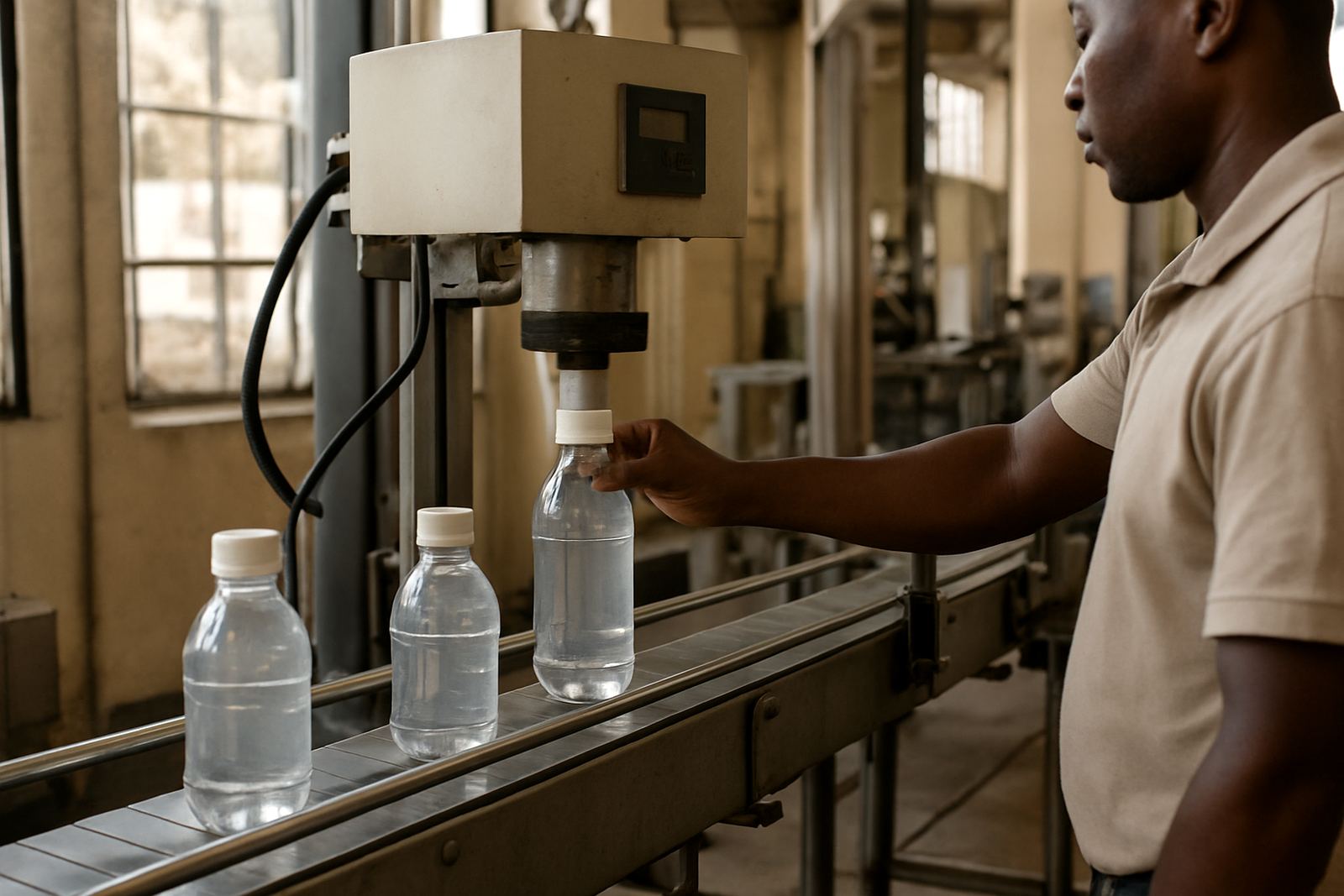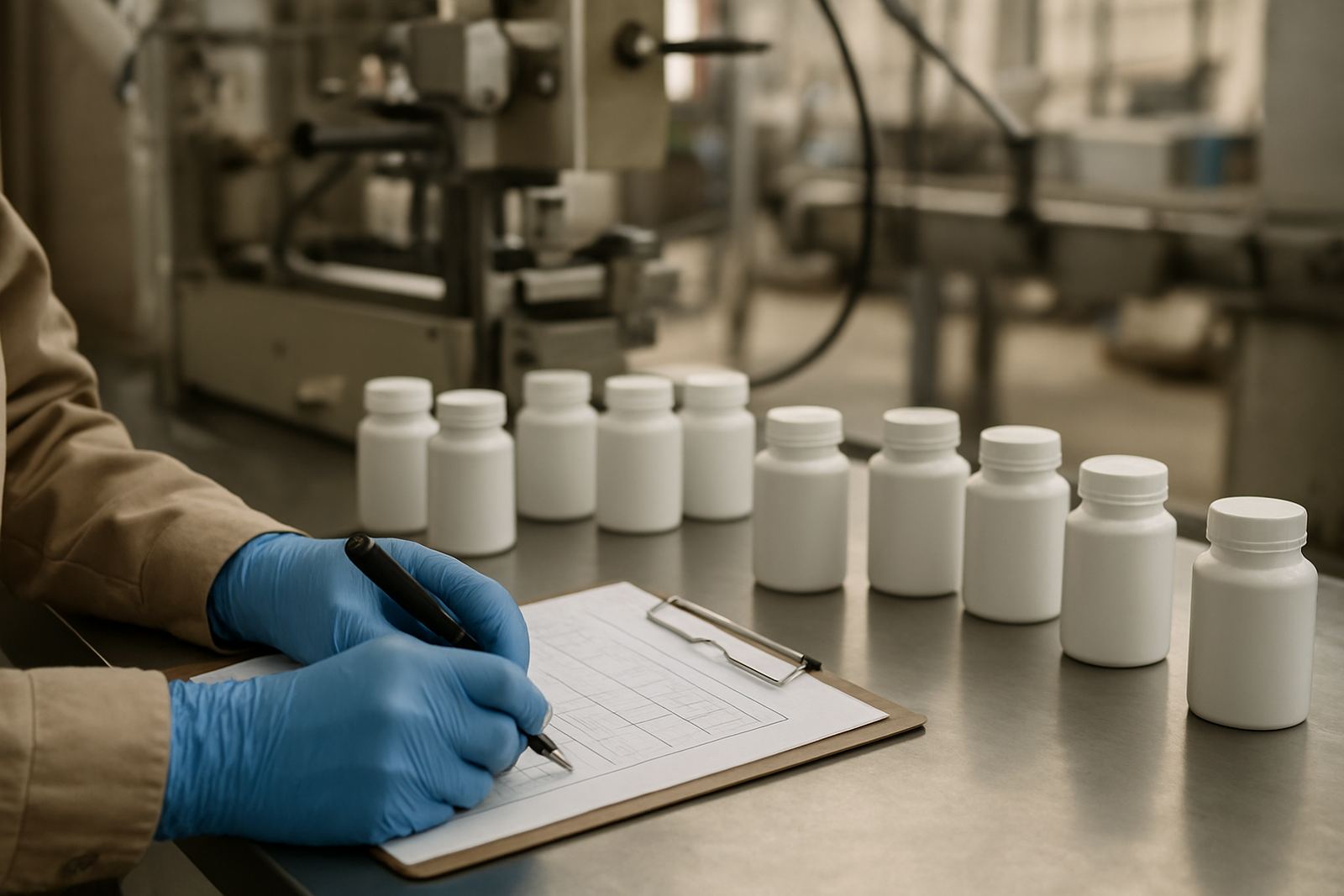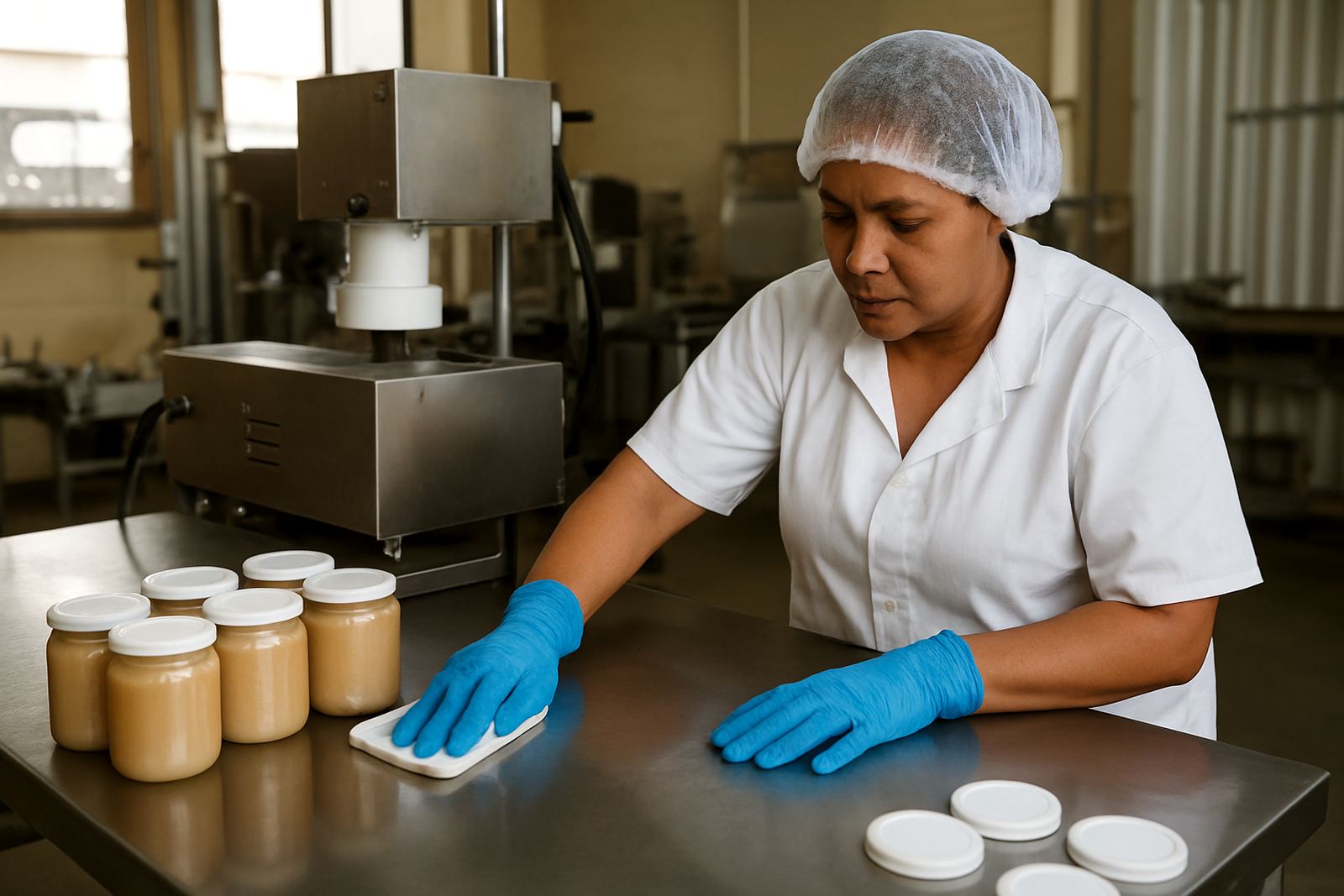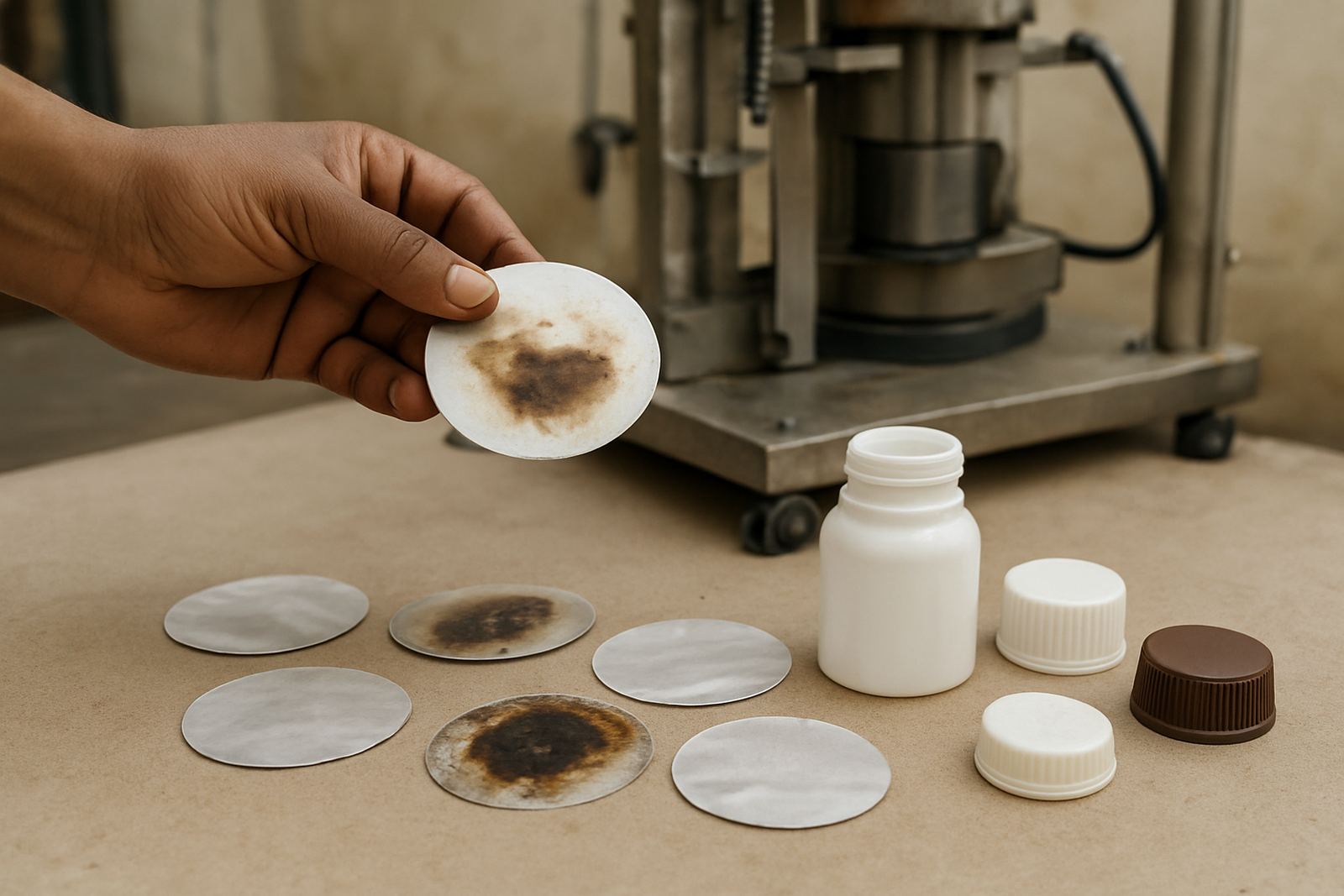
The first thing to check is the container finish
Many sealing problems start at the bottle neck, not at the sealing head. If the finish is uneven, cracked, dirty or out of round, the liner cannot make full contact and the seal will be weak or patchy. This is common on PET, HDPE and glass containers that have changed supplier, or where mould wear has crept in over time.
Before you blame the induction sealer, inspect the neck finish under good light. Look for plastic flash, moulding rings, damage from handling, and contamination from product splash or powder. On some chemical packs the neck can also pick up residue from aggressive contents which affects bonding. A quick wipe test often tells a lot.
In Durban and Pinetown we often see this after a supplier switch. A plant may keep the same cap and liner but the new bottle has a slightly different land width or thread height. That small change can cause repeated failures and it is easy to miss if no one measures it.
Heat and dwell time must match the liner construction
Foil liners are not all built the same. Some need more energy to activate the sealing layer, while others bond too fast and can scorch if the machine is set too high. If the foil, backing and sealing layer do not suit the container and cap combination, the result is poor bond strength or a seal that peels away in spots.
Induction sealing depends on the correct balance of power, coil position and conveyor speed. If the line is running faster after a production increase, the dwell time may be too short. If the line keeps stopping because of load-shedding or upstream delays, the operator may tweak settings to compensate, then forget to return them to the correct range. That is where trouble starts.
- Check whether the liner is intended for PET, PP, glass or HDPE.
- Confirm the sealing head height and centring over the cap.
- Measure conveyor speed and compare it with the validated setting.
- Inspect the cap torque, because over-tightening can crush the liner before sealing.
Moisture, dust and product contamination break the bond
Bonding failures are often caused by what is on the bottle or inside the cap at the moment of sealing. A thin film of liquid, powder, oil or dust can prevent the sealing layer from gripping properly. In food plants this can happen on sauce, spice and powdered product lines. In chemical and pharma packing areas, even a small spill or vapour can affect the seal area.
Coastal humidity adds another layer of risk. In Jacobs, Prospecton and Richards Bay the air can be sticky, and cartons or caps stored too long in a warm area can absorb moisture. That can interfere with sealing, especially when foil liners are kept open near the line. Keep liners in their packaging until needed and avoid storing them close to wash-down zones.
- Check for product splash on the bottle rim.
- Make sure caps are clean and dry before application.
- Keep liners away from water, steam and forklift dust.
- Watch for condensation when moving stock from a cool store to a hot line.
If the cap and liner fit is wrong, the seal will not hold
A liner can only perform if the cap provides even pressure across the sealing area. Too much torque can deform the liner before heat is applied. Too little torque leaves gaps and weak spots. Some failures show up only after standing for a few hours, which is why a fresh pack may look fine but fail later in transit.
It is also important to match the liner diameter to the cap and container. A liner that is slightly too small may not cover the full land area, while one that is too large can wrinkle and trap air. The problem gets worse on lines running mixed pack sizes. One setting might work for a 38 mm closure but fail on a 45 mm closure, even though the sealer itself is operating normally.
We often advise plants to keep a simple sample board with the approved cap, liner and bottle combinations for each pack size. It saves time during shift changes and helps operators spot the wrong combination before a whole batch is affected.
Electrical variation and worn parts can create random failures
When a seal fails only now and again, the cause may be hidden in the machine rather than the packaging. Loose connections, worn coils, ageing electronics or poor earthing can all lead to inconsistent output. In some plants, voltage swings during load-shedding recovery can also disturb settings if the machine is not protected properly.
If the line was sealing well and then slowly drifted, check the mechanical and electrical condition of the unit before changing liner type. A worn conveyor belt, bent guide rail or misaligned sensor can alter bottle position enough to affect the seal. If the machine head is too high or too low, the energy pattern changes and the liner may not activate evenly.
On a recent line in Pietermaritzburg, the issue looked like a liner fault but the real cause was a loose earth and a worn pressure pad. Once those were corrected, seal tests returned to spec without changing the liner grade.
What to inspect first before you change the liner spec
Before moving to a new liner, run a short fault check so you do not mask the real issue. This is the quickest way to protect stock and avoid unnecessary cost. A good first inspection can usually be done on the floor in a few minutes.
- Inspect the bottle finish for chips, mould lines and dirt.
- Check cap torque and confirm the cap size matches the liner.
- Review sealing head height, speed and recent setting changes.
- Test a few samples from the start, middle and end of the run.
- Look at storage conditions for liners, caps and filled bottles.
- Confirm whether any maintenance, cleaning or power interruption happened before the failures started.
If the same fault keeps repeating, do not keep running the line and hoping it clears. Stop, isolate the cause and test again. That is the point where a proper seal validation check saves a great deal of product loss and rework.
A Durban example shows how small changes create big losses
A packing line in Jacobs was sending out food containers with intermittent seal failures after a minor increase in conveyor speed. The team first suspected the foil liners, but the real issue was a combination of faster throughput, a slightly higher fill level and a sealing head that had moved out by only a few millimetres. The plant was also dealing with humid coastal conditions and the caps had been stored open near a wash area. It was not one big fault, it was several small ones working together.
After the line was reset, the bottle necks were dried properly and the liner match was confirmed, the failures stopped. That kind of result is common in Durban, Pinetown and Prospecton, where production teams are often running at pace and any change can ripple through the whole line. Foil liners are reliable, but only when the whole system supports them.
If you are seeing weak seals, patchy bonding or liners lifting after filling, start with the bottle, the cap and the operating settings. In most cases the answer is there before it is in the liner box.