1. Start with the area around the sealer
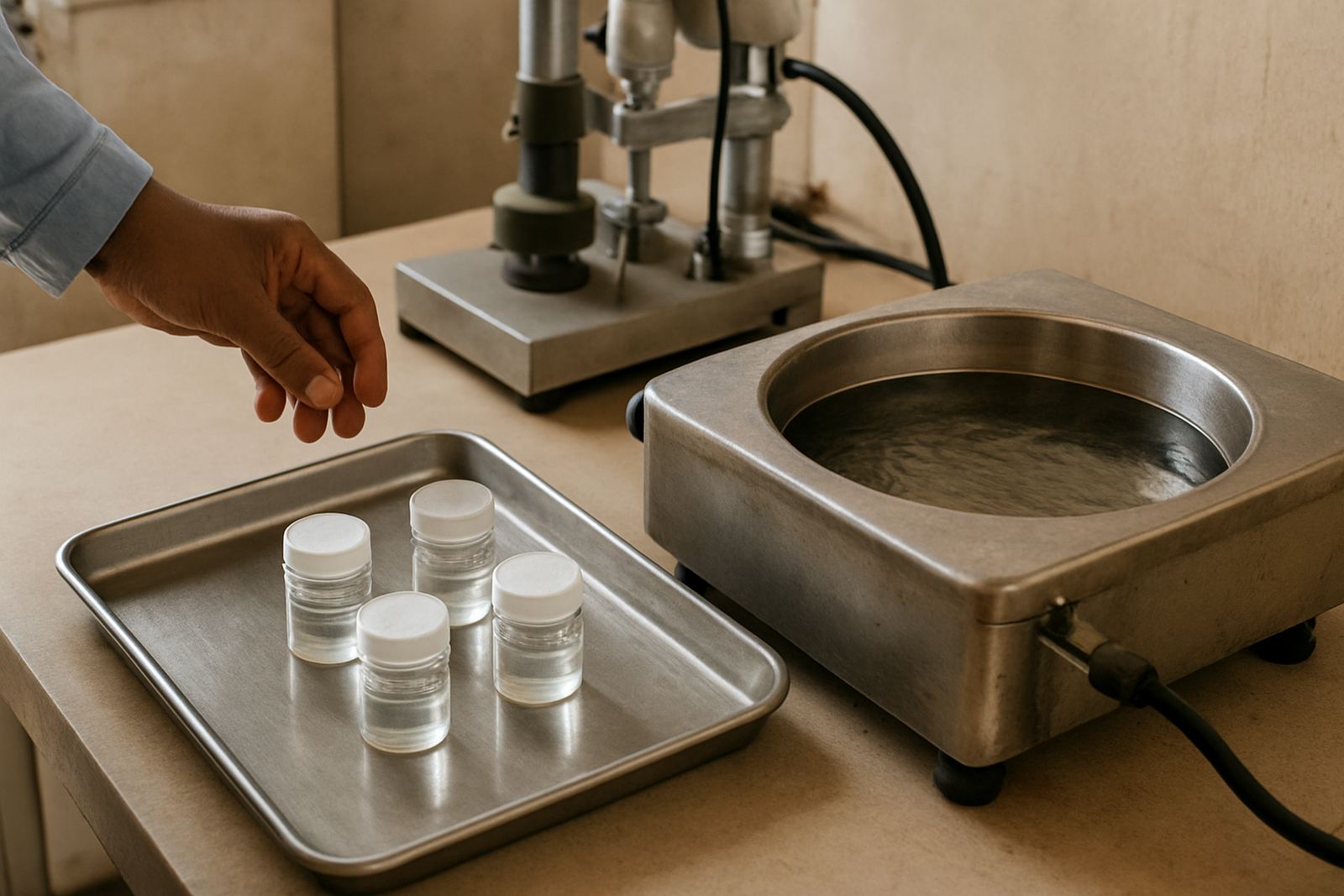
Before power is switched on, walk the area and clear anything that can catch, block airflow, or lead to a spill near the sealing head. In a Jacobs or Pinetown plant, floor dust, shrink wrap offcuts, and empty liner cartons can build up fast, so a 2 minute clean-up saves time later.
Check that the machine is on a level surface and that the infeed and outfeed paths are open. If the floor has been washed overnight, make sure there is no standing water near the unit. Induction equipment and wet floors do not mix, especially on busy lines where operators are moving quickly.
- Remove loose film, caps, liner scraps, and cleaning cloths from the line
- Check that the sealing head is clear of packaging debris
- Make sure guards are in place and access paths are open
- Confirm the machine is dry and stable before switching on
2. Check power, settings, and changeover parts
On many South African sites, the biggest startup problem is not the sealer itself, it is a small setting left from the last run. Confirm the power supply is stable, the cable is not damaged, and the controller settings match the current bottle size, cap type, and liner specification.
Where load-shedding or generator switchover is part of daily life, operators should wait for a stable supply before starting the line. After a power interruption, it is worth checking the unit display, timer, and conveyor speed again. A quick reset is better than wasting product on a poor seal.
- Confirm mains or backup power is stable before startup
- Check timer, power level, and conveyor speed settings
- Verify that the correct change parts are fitted
- Inspect cables, plugs, and sockets for damage
3. Match the liner to the container and cap
Not every liner suits every bottle. A good startup routine includes checking that the liner matches the cap, bottle neck finish, and product type. That matters in pharmaceutical, food, and chemical packing where product integrity is non negotiable.
Look at the liner before production begins. It should be clean, flat, and free from warping or contamination. In humid areas like Durban and Richards Bay, stored liners can pick up moisture if cartons are left open, so keep them sealed and away from direct heat. If the liner supplier or specification has changed, stop and verify it before the line runs.
- Match liner size to cap diameter and bottle finish
- Check the liner is dry, clean, and not damaged
- Confirm the product and container are compatible with the liner type
- Store spare liners in a dry, closed area
4. Run the bottle, cap, and conveyor checks before full speed
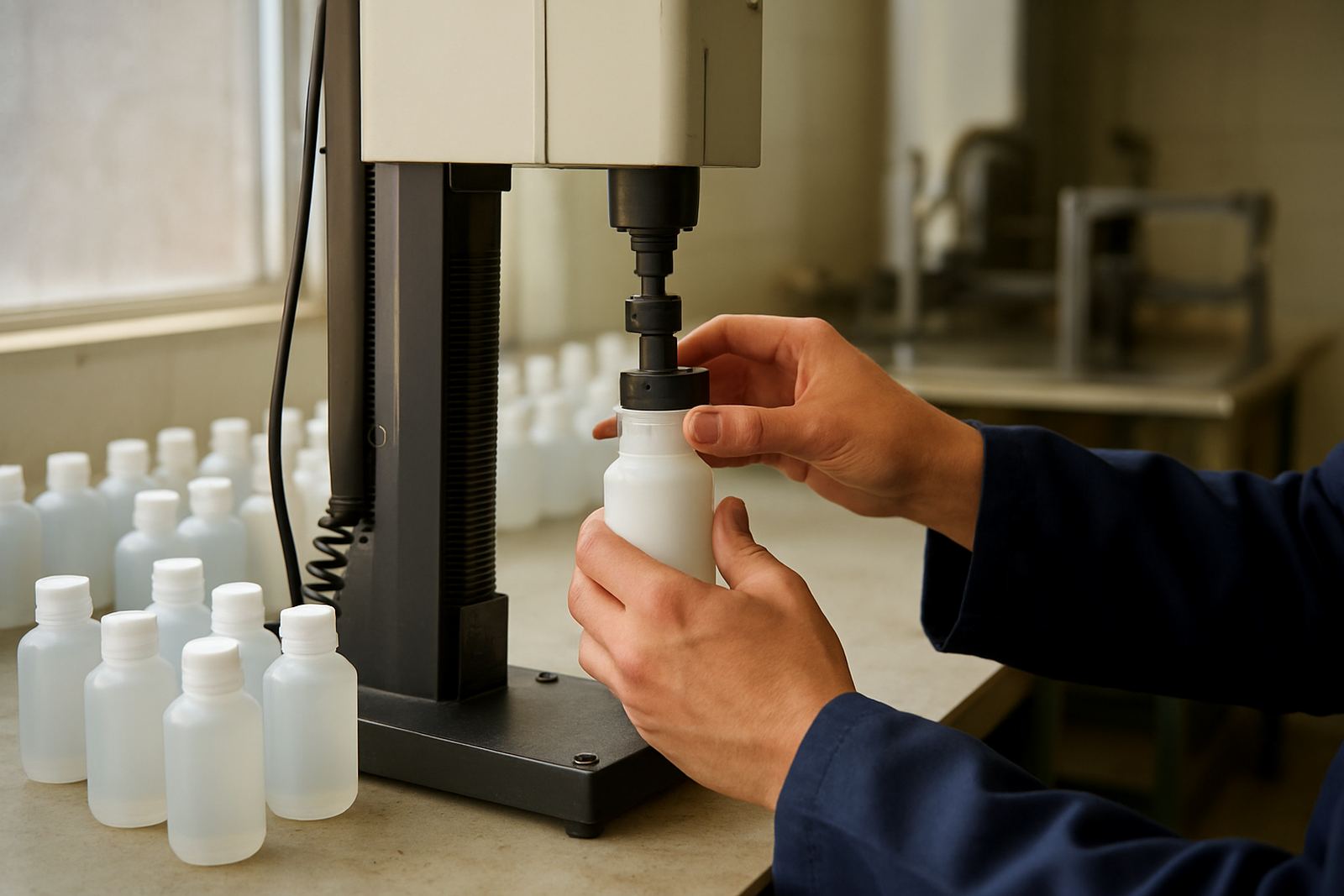
Operators should start with a small sample run, not full production. Place a few filled containers on the conveyor, fit the caps correctly, and watch how the bottles move under the sealing head. The aim is to see straight travel, correct head alignment, and a seal that forms evenly across the top.
If bottles wobble, jam, or pass under the head at the wrong height, the seal may be weak on one side. That can happen after a line changeover, or when a guide rail has shifted slightly. A minor adjustment early on prevents a pile of rejects later on.
- Run 3 to 5 sample bottles first
- Check bottle height, cap fit, and conveyor alignment
- Watch for jamming, leaning bottles, or cap skew
- Confirm the sealing head sits at the right position over the cap
5. Confirm seal quality before releasing product
Do not assume the first sealed bottle is good because it looks neat from the outside. Inspect the seal properly. Depending on the product and line setup, this may include peel checks, visual checks, and any site specific validation steps set by the quality team.
For food and chemical operations, seals should be consistent across the full batch start. For pharmaceutical sites, records matter as much as the seal itself. Keep the first samples aside where required and log the checks before the line goes into full production. If a seal fails, stop and adjust, dont hope it will improve by itself.
- Inspect seal appearance, placement, and consistency
- Carry out the required validation or peel check
- Set aside start-up samples where your process requires it
- Record the result before the line is cleared for production
6. Use one clean handover sheet for the shift
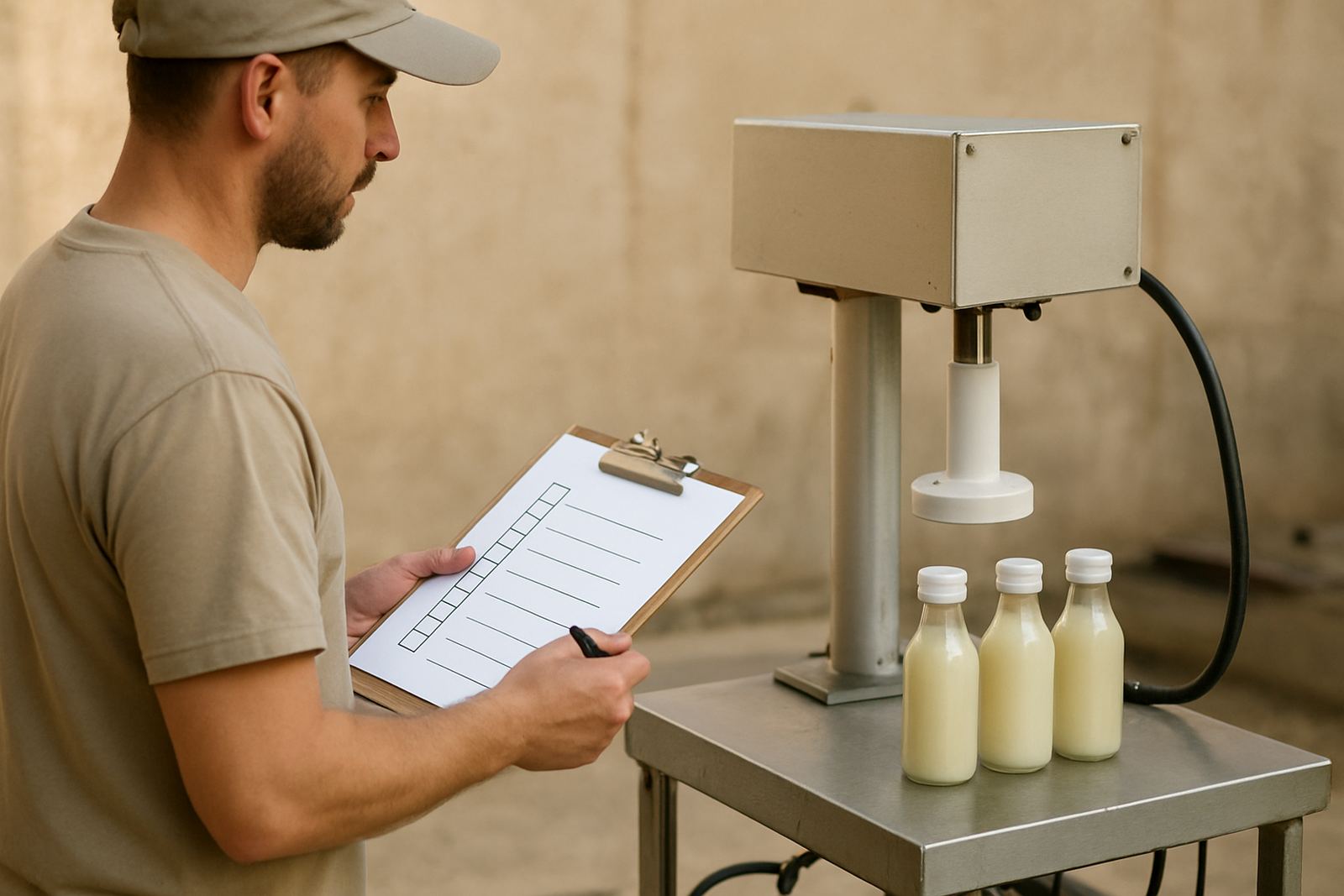
A startup checklist only works if the next operator can see what was checked and what still needs attention. A simple handover sheet should note the bottle size, cap type, liner batch, settings used, and any faults from the previous shift. That is especially useful on multi shift sites in Pietermaritzburg, Prospecton, and Richards Bay.
Include notes about breakdown repairs, preventive maintenance, and any parts due for replacement. If the machine needed extra heat or a slower conveyor speed to get the seal right, write it down. The next team then starts with facts, not guesswork.
- Record settings used at startup
- Note any faults, delays, or adjustments made
- Capture liner batch details and product run notes
- Pass the sheet to the next shift before changeover
A Durban example that saves product every morning
At a packing line in Jacobs, a team running liquid product had repeated early shift seal failures after weekend shutdowns. The issue was not the sealer itself. Moisture had built up in stored liners, and the conveyor height had drifted a few millimetres after cleaning. Once the operators added a basic startup check for liner condition, head height, and sample seals, the rejects dropped straight away.
That is the value of a practical checklist. It does not need to be fancy. It needs to be used the same way every morning, by every operator, whether the line is in Durban, Pinetown, or on a site further inland. If your team needs help with operator training, seal validation, or line commissioning, Bottle Sealers supports sealing lines nationwide from Jacobs in Durban. Send a message through our contact form for direct assistance.