Why a good seal starts with the bottle neck
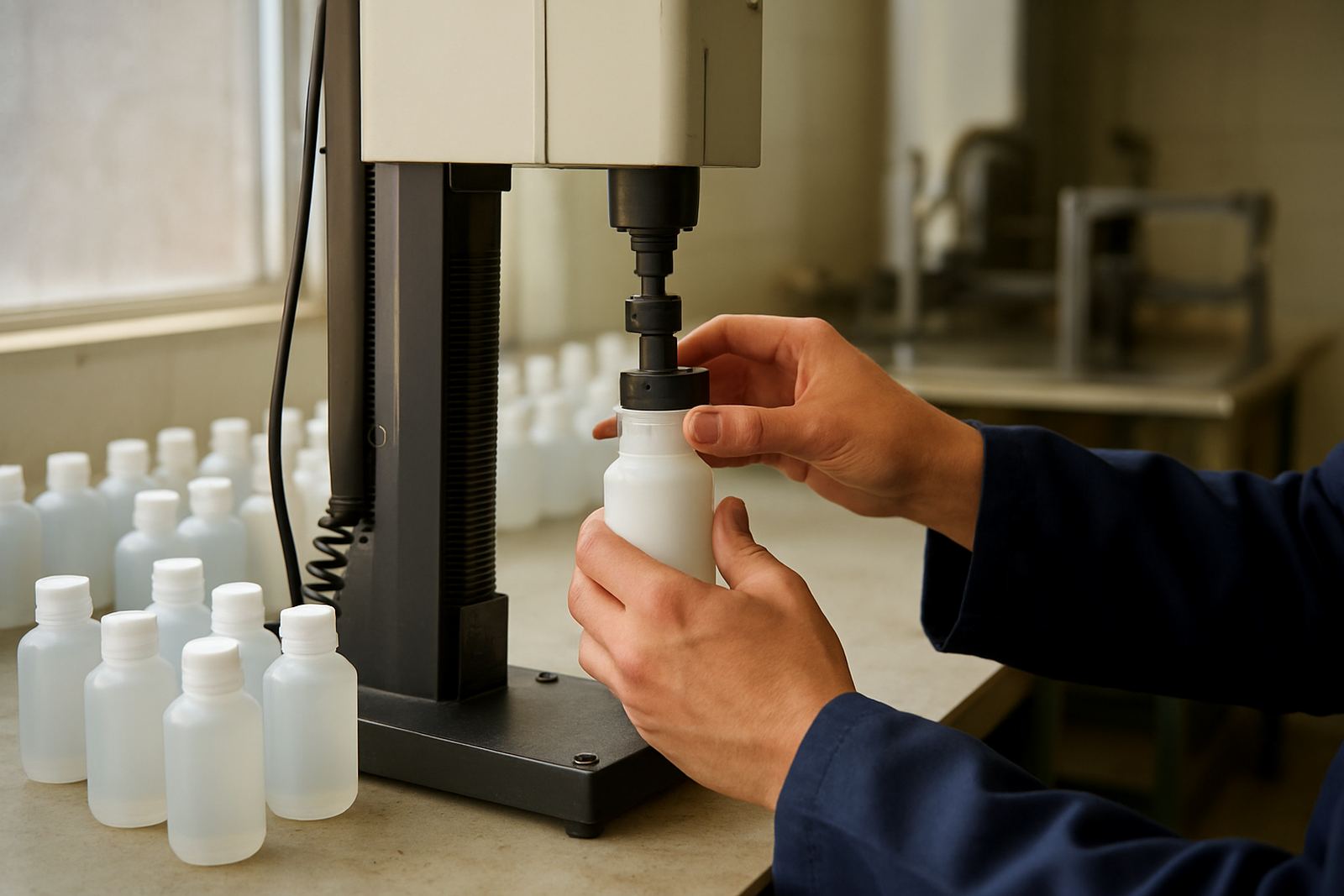
People often focus on the sealing machine first, but the bottle neck and cap finish do a lot of the work before the machine even comes into play. The closure has to sit squarely on the bottle, grip the finish evenly and give the liner enough contact pressure for the induction heat to do its job. If the cap rocks, cross threads or stops short, the liner will not bond the way it should.
In practice, that means checking the thread style, neck diameter, finish height and sealing surface before you order liners or set up a line. A bottle used for a chemical product may have a different neck profile from one used for food or tablets, even if the bottle size looks the same. Small differences matter. A 38 mm cap that feels close enough by eye can still leak if the neck bead, liner depth or tamper ring is not suited to the bottle.
On busy lines in Jacobs or Pinetown, a poor match shows up quickly: loose caps, burnt liners, incomplete seals and rejected cartons. When the fit is right, operators get steadier output and fewer interruptions, which matters when load-shedding already cuts into production time.
What usually goes wrong when closures are mismatched
Most sealing faults that look like machine trouble are actually fit trouble. The cap might be too shallow, the liner too hard, or the bottle finish slightly out of spec. That can lead to weak seal rings, liner pull-through, or a seal that seems fine but fails during transport. In humid coastal conditions around Durban, a marginal fit can become a real problem because moisture and heat affect how closures sit and how liners respond.
Watch for these common signs:
- Caps tighten unevenly or feel gritty during application
- Liners wrinkle, shift or show burn marks after sealing
- Bottles leak after standing overnight or after a hot delivery run
- Tamper evidence tears before the seal is fully formed
- Operators keep turning the induction settings up to compensate
Turning up power does not fix a bad match. It can make things worse by overheating the foil or damaging the cap. The better fix is to confirm the closure spec and test the liner against the actual bottle, not just a sample on paper.
How to check bottle and cap compatibility before production
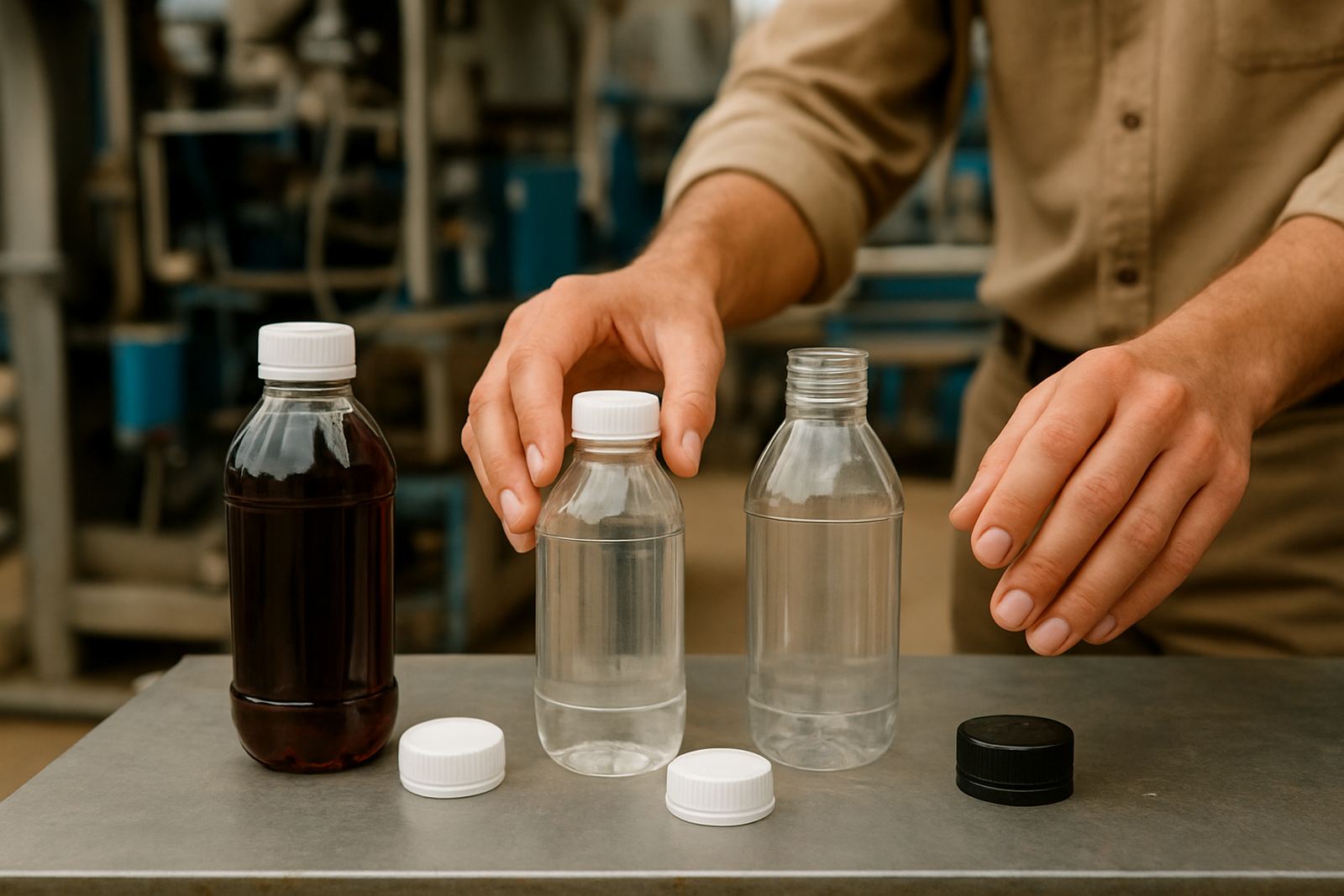
A proper compatibility check saves time and product losses later. Start with the bottle finish drawing if you have one, then verify the actual containers on site. Measure the neck diameter, thread count, sealing lip and closure height. Then confirm that the cap has enough thread engagement and that the liner sits flat with even compression once torqued.
For new product runs, Bottle Sealers usually recommends testing a small batch before full line release. That is especially useful for pharmaceutical packs, sauce bottles, powders and cleaning chemicals where seal integrity is not just about presentation, it is about safety and compliance too.
- Check bottle finish dimensions against the closure spec
- Confirm whether the liner needs to seal to the lip or the shoulder area
- Test torque so the cap is tight but not overstressed
- Run a sample seal test under normal line speed
- Inspect for leaks after cooling and after standing for several hours
If the bottle supplier changes moulds or the cap supplier changes resin, repeat the test. A tiny change in the finish can affect how the induction field performs, and that is the kind of issue that costs time on the shop floor.
Why liner choice must match the product, not just the cap
The liner has to suit the product inside the bottle as well as the bottle itself. Food products, pharmaceuticals and chemical goods all place different demands on the seal. Some products give off vapour, some are oily, and some are sensitive to heat. The wrong liner may hold for a while and then fail after storage, transport or temperature changes.
A liner that works well for a dry powder may not be right for a liquid chemical with aggressive fumes. Likewise, a foil structure that performs in a cool warehouse can behave differently in a hot dispatch area in Prospecton. Matching the liner to the product helps maintain the seal and reduces nuisance leaks and customer returns.
It also helps to think about the full pack system. If the cap is stiff, the bottle is thin-walled, and the liner is over-spec for the product, the operator may need higher torque and more heat than the pack can handle. That is where line trials and practical support make a difference. The best result is usually the simplest one: a cap and bottle pair that works with the product, not against it.
A Durban example: what happens when the fit is nearly right
A filling line in Jacobs started seeing odd seal failures on a medium-viscosity chemical product. The induction unit was operating normally, but some bottles passed leak checks while others failed after packing. The caps looked correct at a glance, and the liner material had been used on other packs before. The issue was the bottle finish. The neck profile had a slight variation from the previous supplier, just enough to reduce liner contact on certain bottles.
Once the bottle finish was measured properly, the problem became clear. The team adjusted the cap spec, matched the liner more closely to the new neck shape, and checked the torque at the capping head. Seal consistency improved straight away. That saved the customer from repeated line stoppages and stopped a lot of product being set aside for rework.
This is common on South African lines where packaging inputs can change without much warning. A carton label change is visible, but a small neck finish variation is easy to miss. That is why a proper fit check should be part of any new product launch or supplier change.
Practical checks that keep sealing lines running
Once the pack is approved, the next step is to keep it steady. Good matching is not a one-time task. Heat, dust, vibration and long shifts can shift the process over time. On sites running through power cuts, operators may restart after interruptions and find that settings have drifted a little. A quick check at the capper and sealer can prevent a bad batch.
These are the basics worth keeping on the shift checklist:
- Inspect cap supply for deformed or mixed closures
- Check bottle necks for mould flash, cracks or dirt
- Confirm torque after any change in liner or bottle source
- Watch for seal drift after load-shedding restarts
- Record leak test results so trends are easy to spot
Where needed, Bottle Sealers can assist with liner matching, seal validation, line optimisation and preventive maintenance. That support is useful for sites in Durban, Pietermaritzburg and Richards Bay where production teams often need fast turnarounds and practical advice, not theory.
The right match cuts waste and protects product integrity
Induction sealing is reliable when the full closure system is matched properly. That means the bottle finish, cap design, liner material and sealing settings all working together. If one part is off, the seal can still look acceptable while failing in use. For food, chemical and pharmaceutical packs, that is too risky.
The safest approach is simple: test the actual bottle, not a close substitute; confirm the cap spec; and check the liner under real production conditions. Do that early, and the line is more likely to run cleanly with fewer rejects, fewer complaints and less rework. It also makes life easier for operators who need a process that holds up on long shifts and in warm, humid conditions.
When the closure fit is right, induction sealing becomes a controlled part of the pack process, not a daily problem.