Why sealing checks matter on medicine bottles
In pharmaceutical packing, the induction seal is not just a closure detail. It is part of the product's protection against leakage, contamination and tampering, and it helps keep a bottle stable through storage, transport and shelf handling. When the seal is weak or inconsistent, the problem often only shows up later in the chain, which is expensive and hard to control.
For medicine lines in Durban, Pinetown and Pietermaritzburg, the checks need to work in real factory conditions, not only during setup. Heat, humidity and dust can shift how foil liners bond to the container neck. On some lines the issue is simple, such as a worn liner or wrong cap torque, but on others it may be a mismatch between bottle material, cap design and sealing head output.
A proper checking routine gives the team a clear picture of whether each bottle is sealed for the full journey from fill to dispatch. It also helps reduce rejects, customer complaints and unnecessary rework.
Start with the bottle, cap and liner combination
Before anyone blames the sealer, the full packaging set should be confirmed. The container finish, cap size, liner type and product fill level all affect performance. A liner that works on one bottle neck may not perform well on another with a slightly different finish or wall profile. This is common when plants run more than one SKU on the same line.
Check the following before a production run starts:
- Bottle neck finish is consistent across the batch
- Cap thread is clean and free of damage
- Liner matches the bottle material and application temperature
- Fill level leaves enough headspace for proper sealing
- Cap is applied squarely, not cross-threaded
On medicine lines, even a small mismatch can cause a partial seal or a liner that looks bonded but peels away under pressure. That is why liner matching is worth doing properly and not by guesswork. In humid coastal conditions around Jacobs and Prospecton, storage time before capping can also affect how components behave, so stock handling matters as much as machine setup.
Watch the seal pattern, bond and peel results
The easiest check is visual, but it should never be the only one. A good induction seal normally shows even bonding across the full contact area. Scorch marks, cold spots, wrinkling or a lifted edge often point to poor alignment or incorrect energy transfer. If the seal looks uneven, it should be tested rather than accepted because it appears tidy from the outside.
Operators and supervisors should use a simple inspection routine during start-up and throughout the run. The aim is to catch small drift before it becomes a batch issue. A few bottles pulled at intervals can reveal a lot about line condition and operator handling.
- Check for complete foil transfer around the neck
- Inspect for leakage after inversion or squeeze tests
- Test peel strength where product specs require it
- Look for liner damage after capping and sealing
- Confirm that tamper evidence remains intact
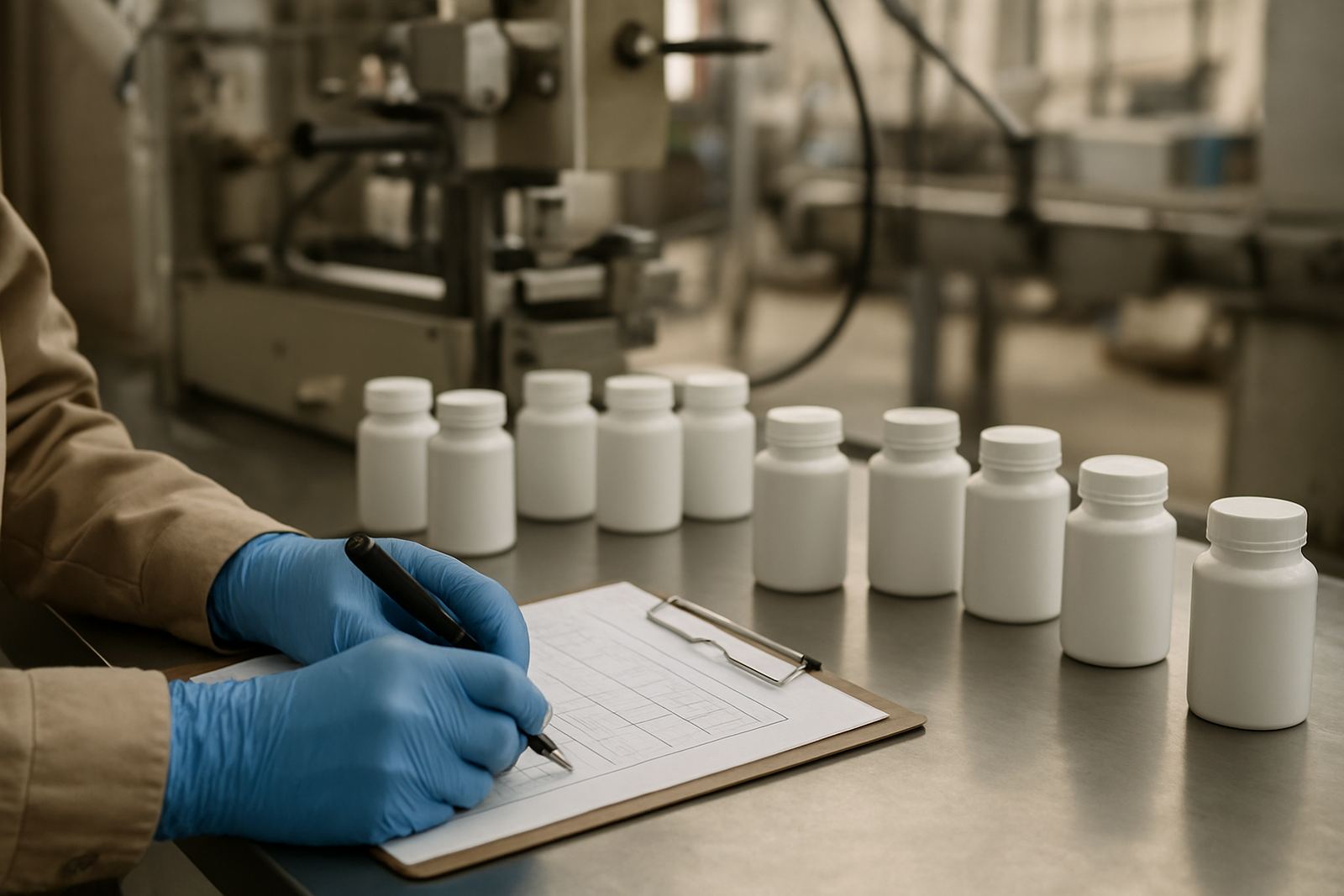
Where medicine bottles are packed in high volume, these checks should be recorded by line and time. That makes it easier to spot whether the issue starts after a changeover, after lunch or when the line speeds up. Little trends like that are often where the answer lies.
Confirm sealing head setup and conveyor alignment
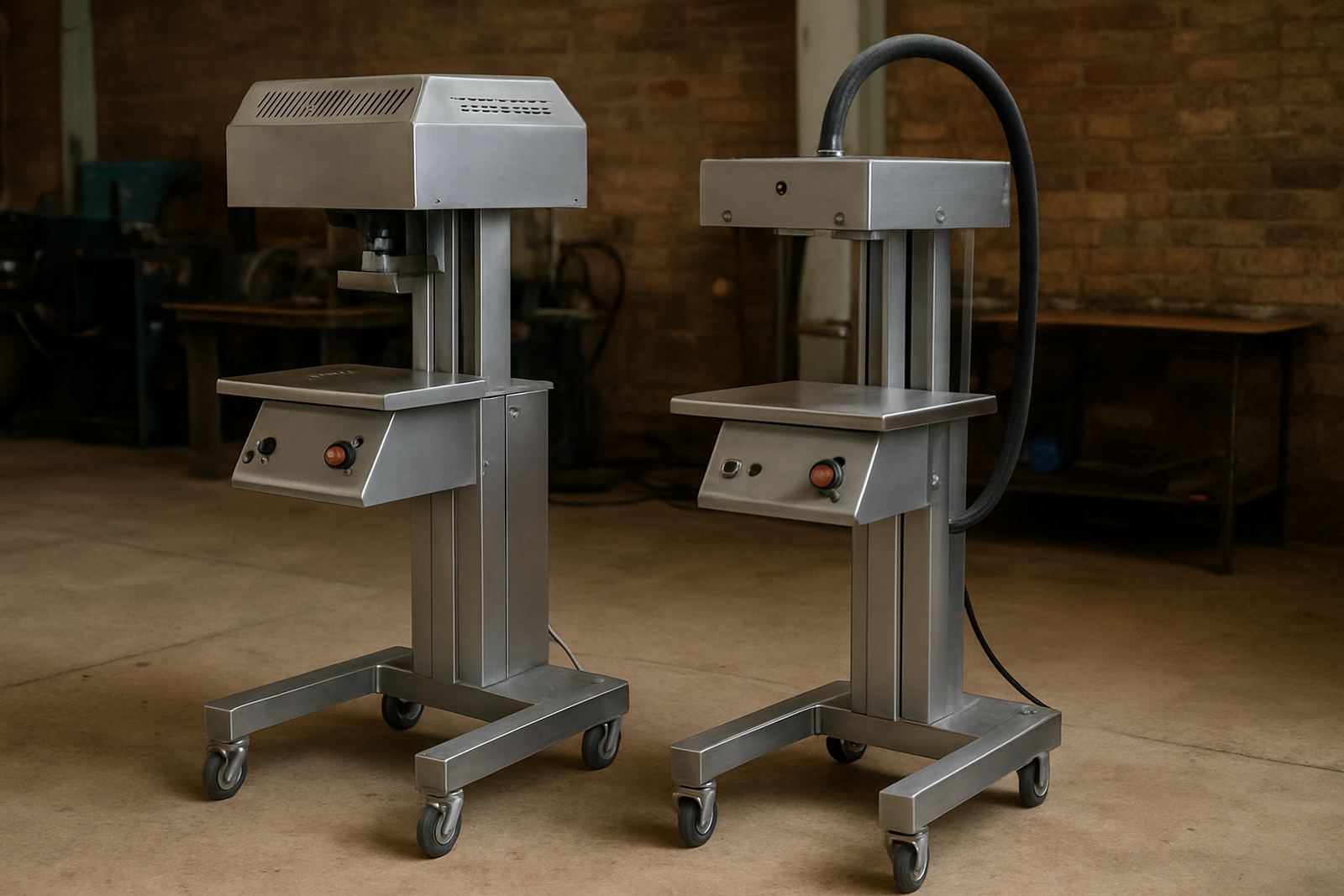
The induction head must sit at the right height and position above the bottle path. If the gap changes, the seal can become inconsistent even though the machine is still running. Conveyor guides should keep the bottle upright and centred so the cap passes cleanly under the head. A bottle wobble of just a few millimetres can affect results, especially on narrower medicine containers.
It also helps to check the line speed against the sealer output. Running faster than the system can handle may produce seals that look acceptable at first but fail under later inspection. That risk is higher when teams adjust speed to recover time after stoppages or load shedding.
For sites in Richards Bay or along the coast, moisture and corrosion can also affect fittings, brackets and electrical contacts. Regular inspection keeps minor wear from turning into repeated downtime. If a machine is fitted after a move or line change, commissioning should include a full alignment check, not only a power on test.
Use preventive maintenance before the line slips
Most sealing faults give early warning if the team knows where to look. Dust build-up, worn belts, loose cable connections and tired cooling parts can all reduce consistency. Preventive maintenance gives the plant a chance to fix those issues on plan instead of during a production rush.
A practical maintenance schedule for pharma sealing lines often includes:
- Cleaning the head area and conveyor path
- Checking electrical connections and safety isolators
- Inspecting cooling fans and ventilation openings
- Testing output consistency at set intervals
- Replacing worn parts before failure
In South African factories, power interruptions add extra strain because machines are stopped and restarted more often. That is when weak connections, poor earthing or damaged controls show up. A short maintenance check after a restart can prevent a full shift of bad seals, and it usually takes less time than sorting a rejected batch.
Keep validation and records close to the line
For medicine packaging, it is not enough to know that the machine is working today. The business also needs proof that the seal stayed within the required range. That is why seal validation, batch notes and operator records are part of normal control on regulated lines. The records should be simple enough for the team to use properly, but detailed enough to support audits and internal traceability.
Where possible, record the bottle type, cap type, liner code, machine settings, operator name and the time of the check. If a problem appears, those details help narrow the cause quickly. This is especially useful on multi-shift sites where handovers can be rushed and small setting changes get forgotten.
Good records also help during line optimisation. If one setting gives better results on a certain bottle style, the team can repeat it instead of starting again from zero. Over time, that reduces waste and supports steadier output.
A Durban line example: small checks, fewer rejects
A Jacobs site packing medicine bottles for regional distribution had a repeat issue with seals lifting after transit. The line was running well at the machine, but cartons were arriving with a few failed bottles mixed into each pallet. The team first checked the bottle finish, then the cap and liner match, and found that the line had been running slightly off-centre after a changeover. The sealing head height was also drifting because of a loose bracket.
Once the setup was corrected, the operator team was shown how to test every start-up shift with a simple pull check and a quick visual inspection of the first ten bottles. After that, the reject rate dropped and the line became easier to manage. The real gain was not only in fewer bad bottles, but in better confidence that the seals were holding under normal handling. That kind of routine works just as well in Pinetown as it does in Prospecton.
Pharma sealing checks do not need to be complicated. They need to be steady, documented and tied to the way the line actually runs. When the checks are done well, the sealer becomes one less thing to worry about.