Why seal hygiene matters on a food packing line
In food packing, the seal is the last barrier between your product and the outside world. If powder, oil, sauce splash, or loose granules sit on the container rim, the liner may not bond evenly and that can lead to leaks, spoilage, or swelling in transit. Good hygiene around the sealing station helps the induction head do its job properly and gives a repeatable result from the first bottle to the last.
It also protects the packer’s reputation. A weak seal on a jar of spice or a bottle of sauce can travel from Jacobs to Durban North, then back as a complaint from a retailer or distributor. That is expensive, and often avoidable with simple cleaning discipline and a clear line routine.
For food producers in humid coastal areas, the challenge is not just dirt. Moisture in the air can affect caps, liners, cartons, and changeover timing. If the sealing area is not kept clean and dry, the line will work harder than it needs to.
Keep the sealing zone clean, dry, and predictable
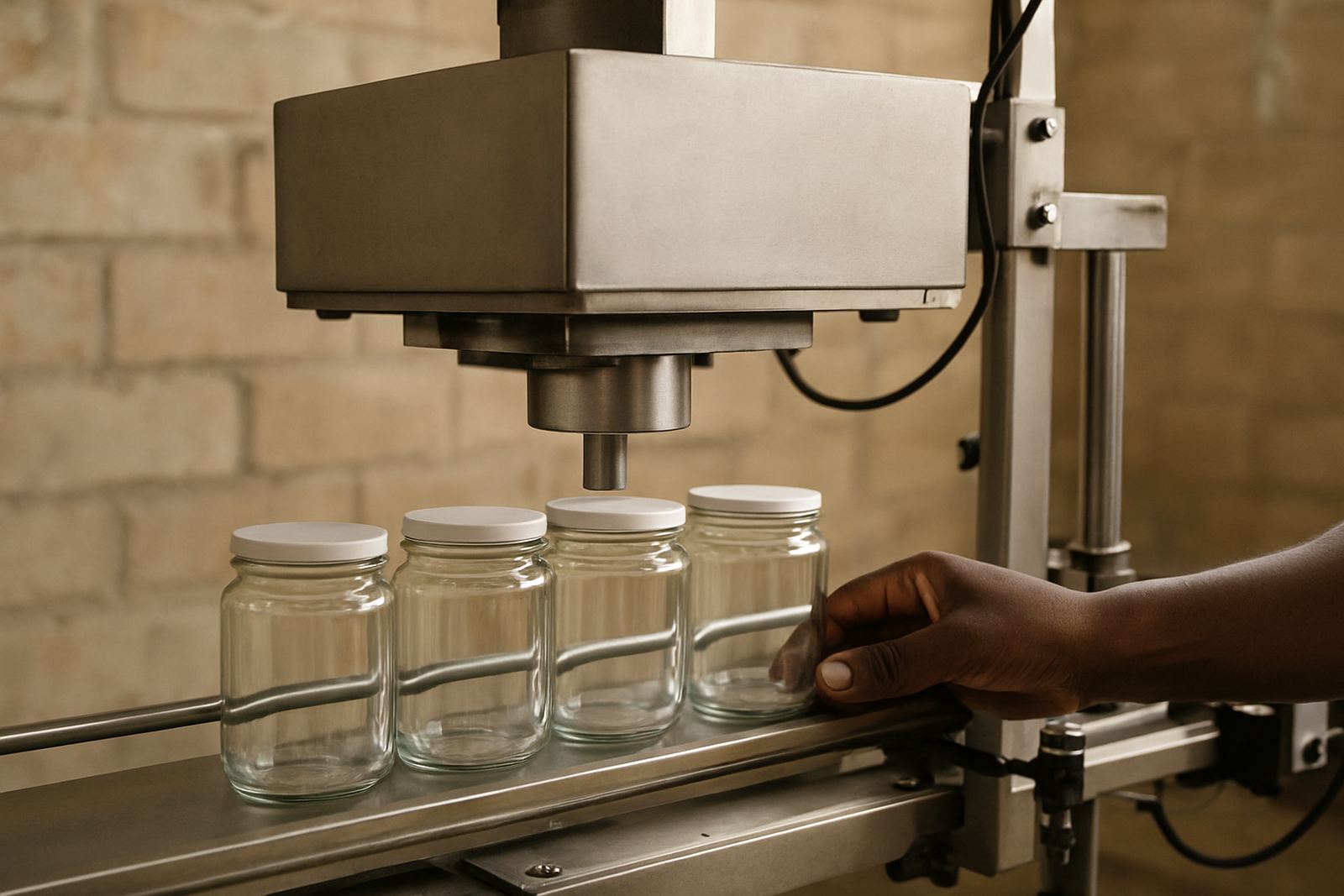
The sealing station should be treated as a controlled area, even on a busy production floor. That means no open ingredient tubs nearby, no loose tools on the conveyor, and no cardboard dust drifting into the cap feed. The cleaner the area, the fewer random faults you will chase later.
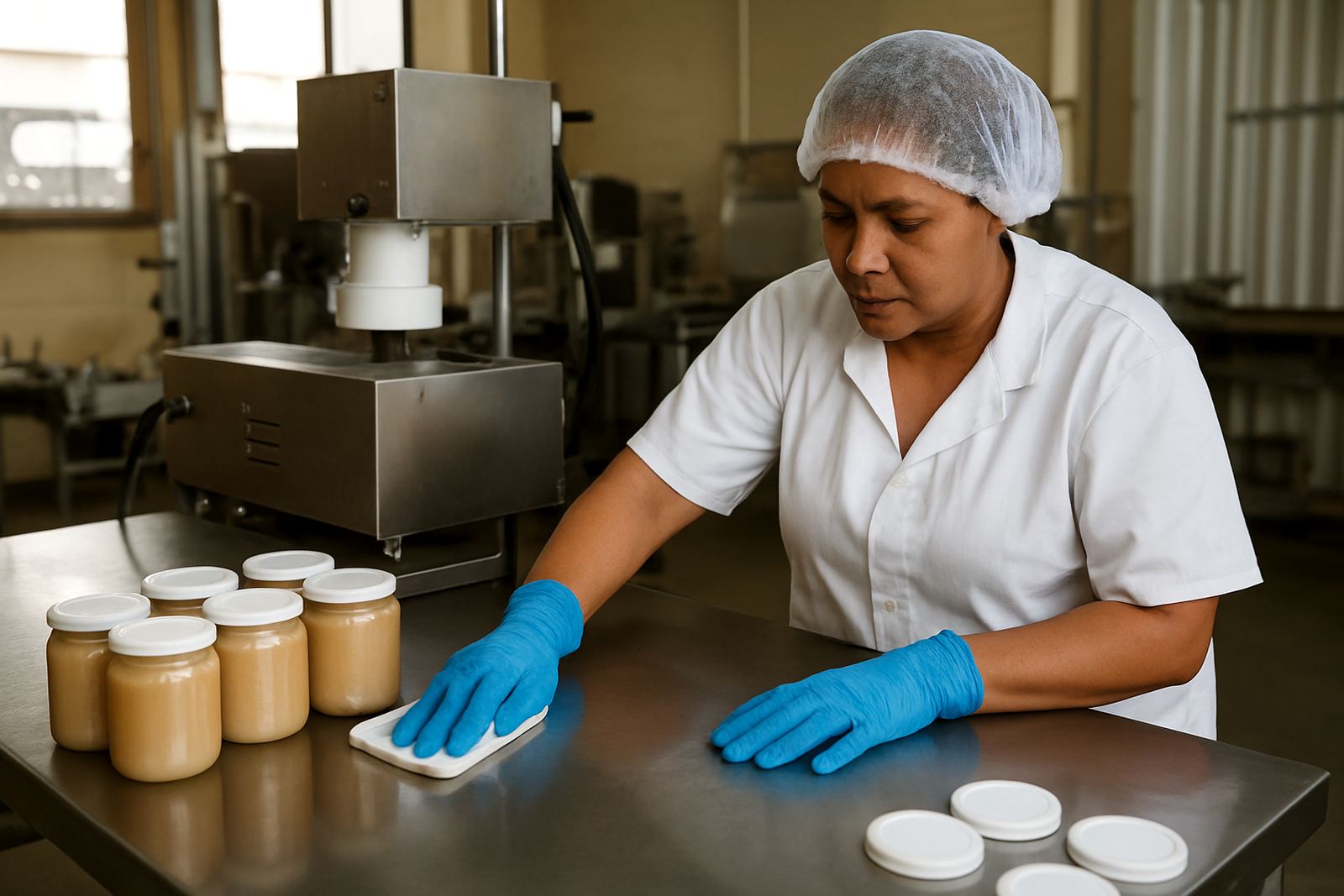
- Wipe the container rim before capping if the product can leave residue.
- Keep cap hoppers and liner storage closed when not in use.
- Use dry cloths or food safe wipes for spill clean-up, not wet mops near the conveyor.
- Remove broken caps, bent liners, and damaged bottles as soon as they appear.
- Check the sealing head area at the start of every shift and after any stoppage.
In many plants, small habits make the biggest difference. A cap dropped on the floor and put back into service may look harmless, but it can carry grit or moisture into the seal zone. That kind of contamination is often small enough to miss, yet serious enough to weaken the seal.
Match liners to the product, not just the bottle
Food seal hygiene starts before the cap even reaches the line. The liner has to suit the product, the container neck, the cap size, and the way the pack is handled after sealing. A powder product, a dry ingredient, and a wet sauce do not all need the same liner behaviour.
If the liner is the wrong type or thickness, operators may overheat the seal head or slow the line to try to force a result. That is not a hygiene fix, it is a process problem. Better to match the liner properly and set the machine to a stable, repeatable range.
- Check whether the product can splash, foam, or leave oily residue on the finish.
- Confirm the bottle neck is consistent across batches and moulds.
- Test the liner on a small run before full production starts.
- Keep a record of successful settings for each pack format.
In Durban, where afternoon humidity can rise quickly, a line that was running well in the morning may start giving inconsistent results by lunchtime. A properly matched liner and clear settings help reduce that drift.
Train operators to spot contamination before it becomes a reject
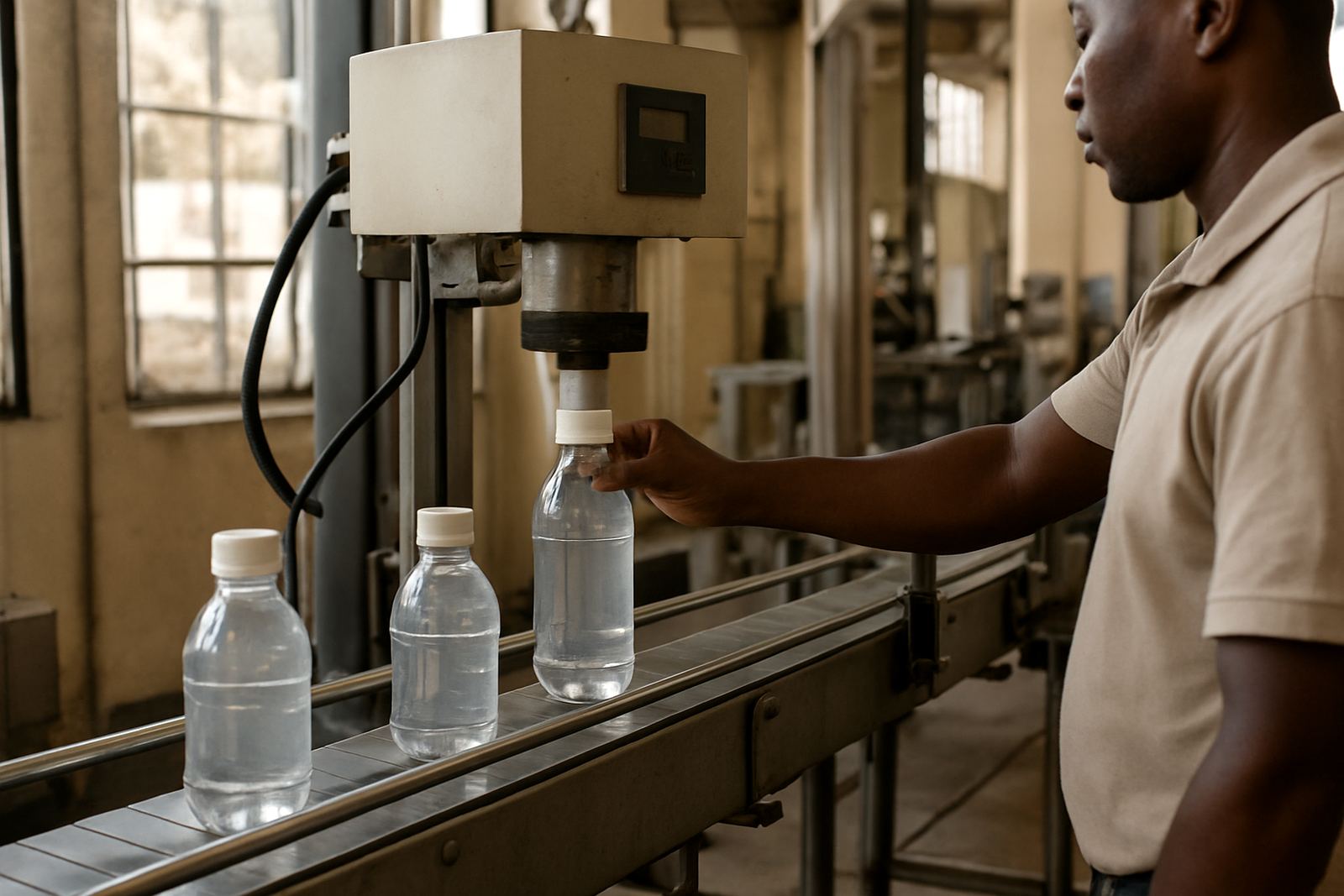
Operator training is part of seal hygiene, not just machine operation. The person loading caps or watching the conveyor is usually the first to notice a fault. If they know what a clean rim looks like, what residue is acceptable, and when to stop the line, problems get caught early.
A few practical points help keep standards high:
- Teach operators to inspect the bottle finish before capping.
- Explain the difference between cosmetic marks and seal-critical contamination.
- Use a simple reject tray for doubtful containers so they are not mixed back into good stock.
- Record every repeat fault, even if it seems minor.
This matters most on fast-moving food lines where staff changes are frequent. A new operator may not notice that a small bead of sauce around the neck is enough to prevent a proper seal. Clear instructions and short checks at the line are better than relying on memory alone.
Plan for load-shedding, humidity, and stop-start production
South African food packers work with real interruptions. Load-shedding can stop a line in the middle of a run, while coastal humidity can affect caps and liners during downtime. When the power comes back, the first few packs after restart need close attention.
After any stop, check the sealing head, verify the conveyor speed, and inspect the first sealed containers before restarting full output. If products sat open during the outage, wipe the rim again and confirm there was no condensation inside the cap or on the bottle lip. A little moisture can be enough to spoil the bond.
For plants in places like Prospecton, Pinetown, and Richards Bay, the combination of heat, dust, and moisture can change through the day. That is why a fixed checklist is more useful than relying on someone’s judgement under pressure.
A Jacobs example: cleaner habits, fewer seal complaints
On a food packing line in Jacobs, a team was seeing occasional leaks on bottled sauces after long morning runs. The machine itself was not the only issue. The real causes were residue around the bottle finish, open liner stock near the conveyor, and inconsistent restart checks after short stoppages.
Once the packers tightened their cleaning routine, moved liner handling into a closed storage bin, and added a quick inspection at each restart, reject rates dropped and the sealing results became more stable. The change was not dramatic on day one, but over a few weeks it made the line easier to run and the output more dependable.
That is the point of seal hygiene. It is not extra admin, it is the everyday discipline that keeps packaging safe, predictable, and ready for the next pallet out of Durban or up to Pietermaritzburg.
Simple checks that keep foil seals food-safe
A practical seal hygiene routine does not need to be complicated. What it needs is consistency. If the same checks happen every shift, the line becomes easier to control and product risk goes down.
- Inspect caps, liners, and bottle rims before each changeover.
- Keep the sealing area free of food debris and condensation.
- Store foil liners in a dry, closed space away from heat and splash.
- Log every seal fault with time, product, and operator notes.
- Arrange preventive maintenance before the line starts drifting.
When food packers treat cleanliness as part of the sealing process, not a separate task, the results are better. The seals hold more reliably, the product looks better, and the line wastes less time on avoidable rework.