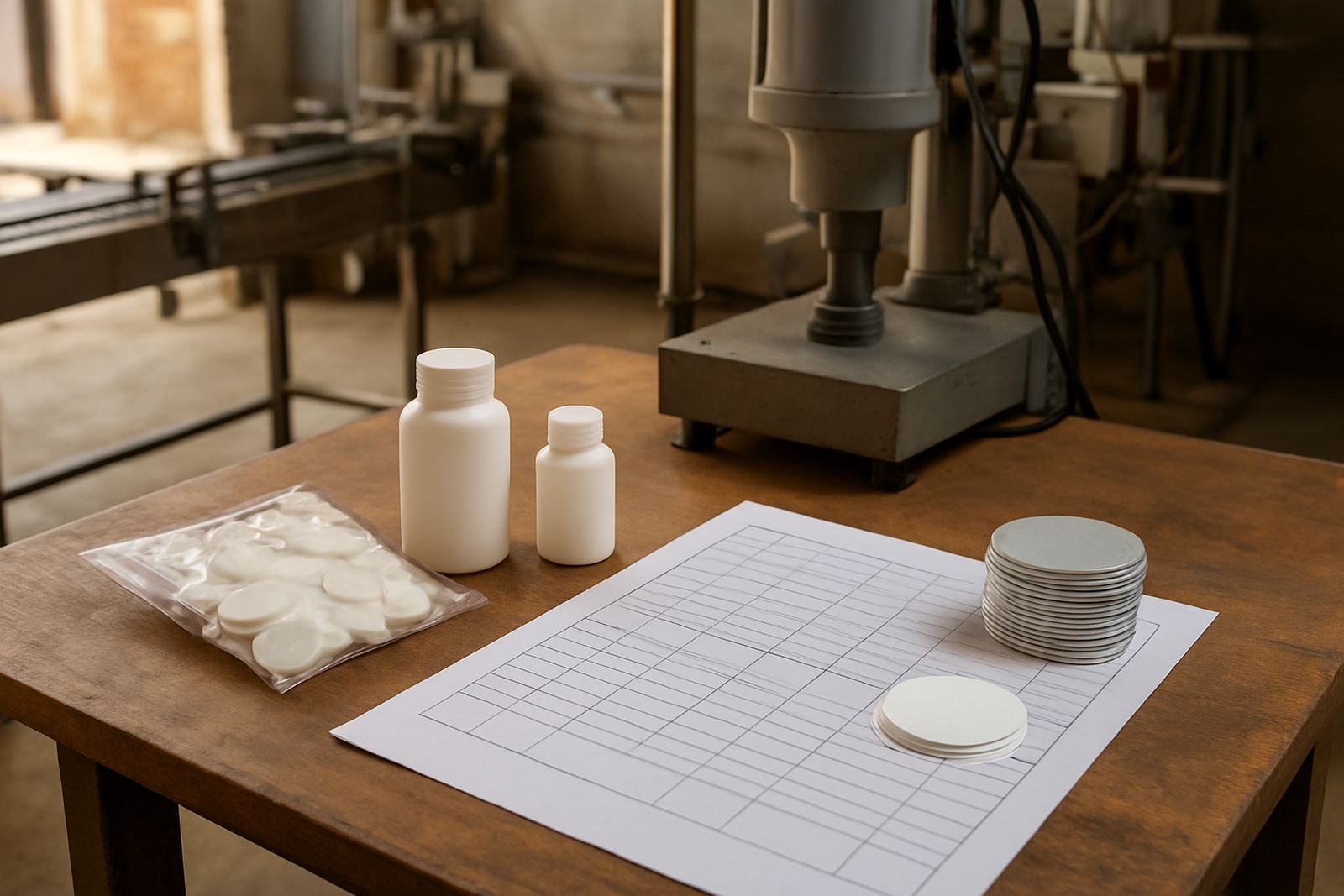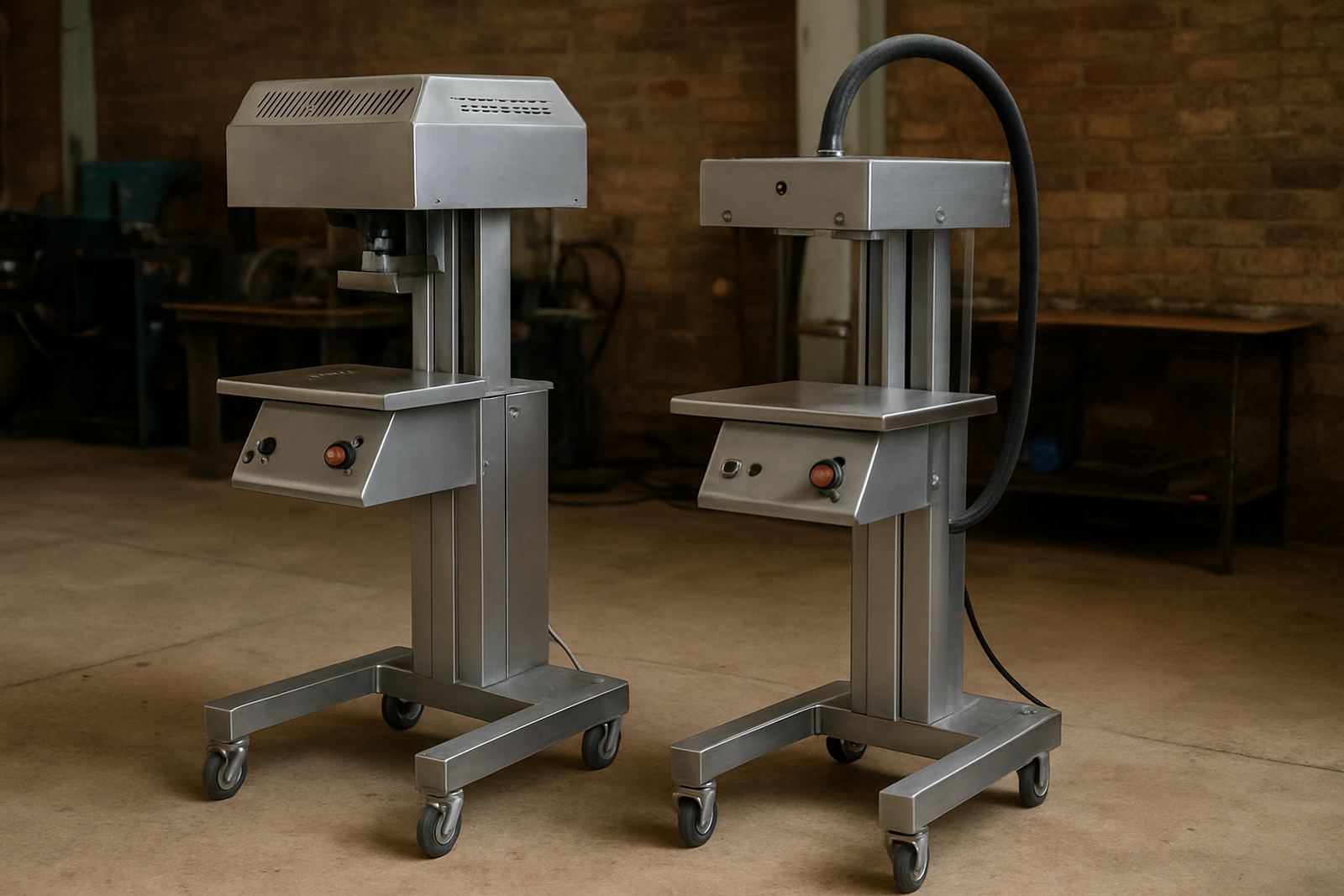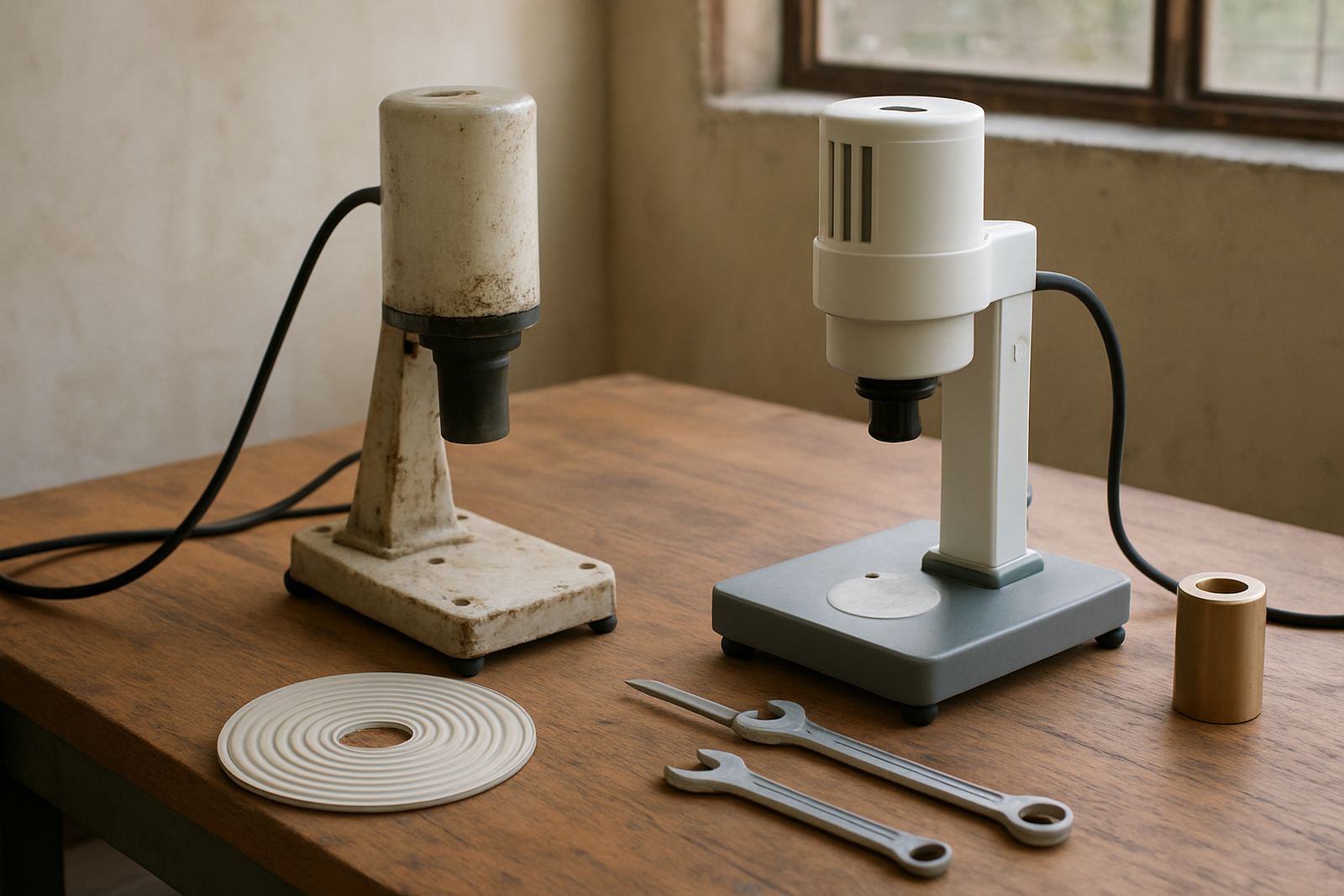
What the coil is doing in the sealing head
The coil creates the magnetic field that heats the foil liner inside the cap. That heat is what bonds the liner to the bottle mouth, so the coil has a direct effect on seal strength, consistency, and line speed. If the coil output drops, the whole sealing process starts to feel less predictable, even when the cap and liner are correct.
In South African filling rooms, coils take a fair amount of strain. You have dust, humidity, cleaning chemicals, vibration from the conveyor, and long production runs that can go on after load-shedding interruptions. Over time, the coil can lose efficiency, develop hot spots, or become physically damaged from repeated adjustment and handling.
Signs the coil is nearing the end of its service life
Most coil problems show up before total failure. The challenge is that teams often blame the liner, cap torque, or bottle finish first. That is understandable, but a worn coil often leaves a clear pattern once you know what to look for.
- Seals that pass one hour and fail the next without any setting change
- Uneven bond strength across the liner face
- More rejected bottles after a clean start-up than before
- A need to run the machine hotter than usual to get the same result
- Visible damage, dark marks, loose fittings, or cracked insulation on the coil assembly
- Intermittent alarm messages or unstable readings during operation
If your operators are constantly making small adjustments just to hold a decent seal, the coil may already be past its best. A good coil should support stable output without needing constant correction.
Why waiting too long costs more than the coil itself
Holding on to a worn coil can look cheaper in the short term, but the hidden costs build quickly. Poor seals mean product losses, rework, stoppages, and complaints from customers or auditors. In food, pharma, and chemical packing, a weak seal can also create shelf-life problems or contamination risks, which is where the real cost starts.
There is also the risk of damaging other parts. A struggling coil can make the sealer work harder, which puts extra strain on the head, electrical connections, and the rest of the line. That can turn a straightforward replacement into a larger repair job. On busy lines, one breakdown in the wrong shift can hold up palletising, dispatch, and even despatch to Durban port schedules.
Timely replacement helps keep the output steady and the operator workload manageable. It also makes preventative maintenance easier because you are replacing the part on plan instead of under pressure, usually on a Friday afternoon when the plant really cannot afford a stop.
When replacement is better than another repair
Some coils can be repaired or reterminated, but that is not always the right call. If the coil has repeated faults, heat damage, or obvious wear from years of service, replacement is usually the safer and more cost-effective route. The same applies if the part is no longer holding correct performance even after a proper setup check.
A replacement should be considered when:
- the same fault keeps returning after adjustment
- the coil has visible physical wear or burnt sections
- seal quality drops on more than one pack size
- the line runs in a damp or corrosive area and the coil is showing deterioration
- the machine has had several years of heavy daily use
In Jacobs and Prospecton, where many plants run close to the coast, moisture can speed up corrosion on exposed parts. That makes regular inspection even more important. A coil that looks fine from a distance can still be underperforming once the head heats up.
A Durban example from a busy production floor
A packing line in Durban South was seeing inconsistent seal tests after a series of power interruptions. Operators kept checking cap torque and liner stock, but the issue stayed random. On inspection, the coil showed signs of ageing and slight damage where repeated adjustments had stressed the assembly. The line was not failing every bottle, just enough to create a steady stream of rejects and rework.
After the coil was replaced and the head rechecked, the line settled down within the same shift. Seal testing became predictable again and the team no longer had to keep nudging settings to chase a moving target. That is the practical value of replacing a tired coil before it becomes a full stop.
It is often easier to spot this kind of problem on a line than on a spec sheet. The machine may still run, but the evidence shows up in production counts, test failures, and operator frustration.
How to keep coil life longer in South African conditions
You can extend coil life with a few plain habits. Clean around the sealing head regularly, keep cables secured, and avoid forcing the head into misalignment during changeovers. If the line has frequent start-stop cycles, make sure the settings are stable before full production resumes. Small faults at low speed often turn into bigger faults at full speed.
Good maintenance also includes checking that the head is not overheating, that the bottle and cap format matches the liner spec, and that the coil is not working harder than necessary. In plants with load-shedding, it helps to inspect the equipment after power comes back on, because surges and abrupt shutdowns can expose weak points.
- Keep the sealing area dry and free of residue
- Check for loose connectors during scheduled shutdowns
- Record seal-test trends instead of relying on memory
- Replace worn parts before peak season or major contract runs
- Book service support before a breakdown shuts the line down
As a rule, if a coil is no longer giving stable, repeatable seals, it is already costing money. Replacing it on time is better for the line, better for compliance, and better for the team running the shift.
Choosing the right time for replacement
The best time to replace a coil is before production starts slipping. That usually means acting when the warning signs first appear, not after a failed audit or a complaint from dispatch. For plants in Durban, Pinetown, Pietermaritzburg, Richards Bay and surrounding areas, it is worth aligning coil checks with planned maintenance so the swap does not interrupt trading hours or weekend production.
If you are unsure whether the issue is the coil, the liner, or the machine setup, a proper site check will save a lot of guessing. The main point is simple: a coil should support consistent sealing, not force the operators to chase the same fault every day.