Start the next run before the current one ends
The biggest time saver is planning the changeover while the line is still running. If the last cartons are moving out and the next pack format has not been confirmed yet, operators end up searching for caps, liners, guides and tools under pressure. That is where small delays turn into half an hour or more.
Keep the next job card visible and make sure the bottle size, cap type, liner spec and target fill volume are all signed off before shutdown. In Durban, where humidity can soften cartons and affect loose liners, it also helps to bring sealed spare parts indoors rather than leaving them on a loading bay floor.
- Confirm the next bottle height, neck finish and cap diameter early.
- Stage the correct induction foil liners and spare closures at the line.
- Check whether the new pack needs a different cap torque or seal dwell time.
- Assign one person to gather change parts while the run is still ending.
Use a written changeover sheet for each product family
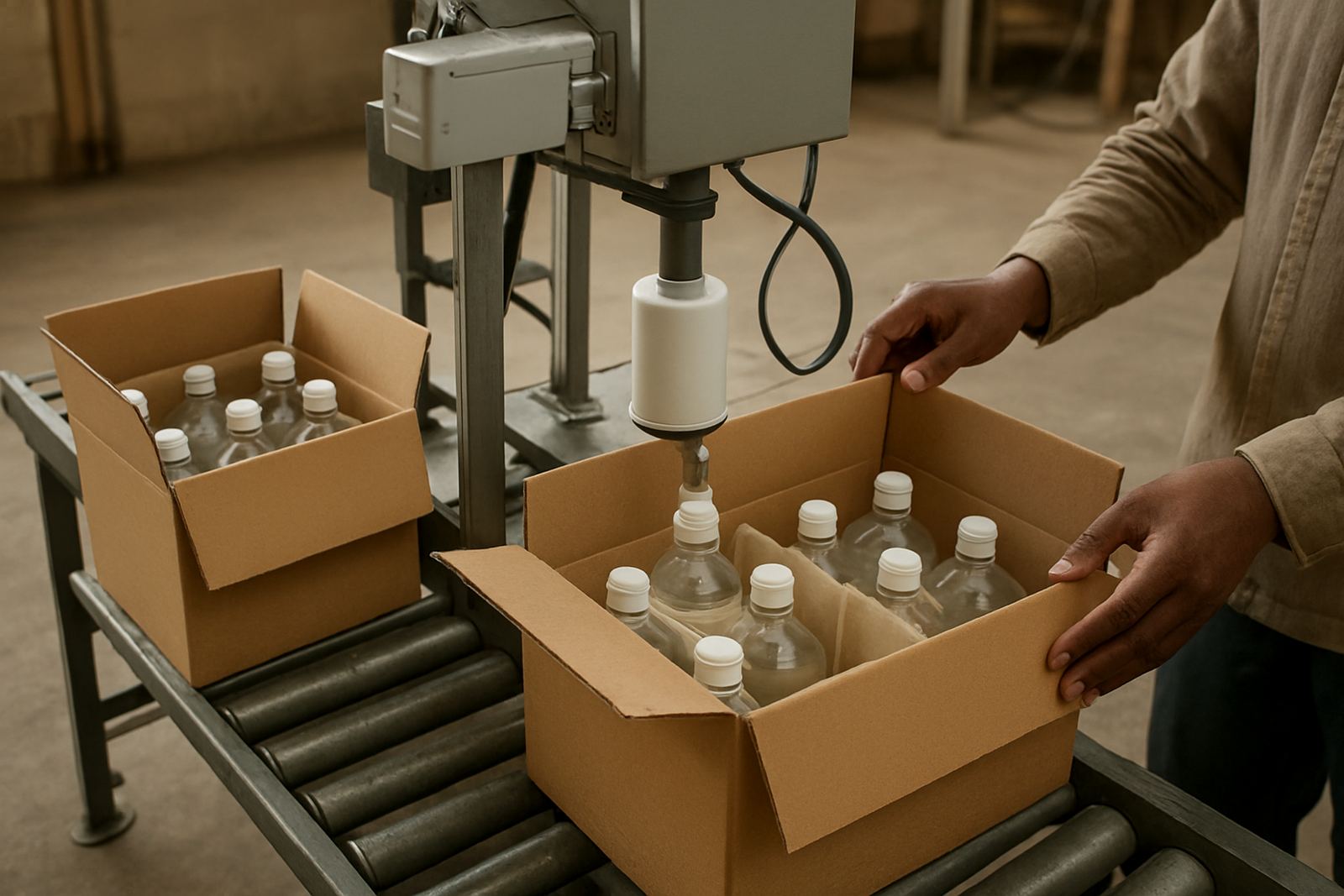
Operators can remember a lot, but a written sheet saves time and reduces guesswork. Keep one sheet for each product family and list the exact adjustments needed for that format. A line that runs 250 ml medicine bottles in the morning and 1 litre chemical containers after lunch will need different guide settings, head height positions and sealing checks.
The best sheets are plain and specific. They should show where the capper needs adjustment, which guide rails move, what torque range to aim for and which inspection points must be checked after the first ten units. If a site in Pinetown is struggling with frequent size swaps, the problem is often not the equipment, it is the lack of a repeatable set up routine.
- Record head height, guide rail position and conveyor spacing.
- Note the first article check points for cap fit and seal quality.
- Include the order in which settings should be changed.
- Keep one copy at the line and one in the maintenance file.
Keep the right change parts close to the filler
Nothing slows a changeover like hunting through stores for the correct star wheel, guide insert or cap feed part. Change parts should be labelled by product code and stored in a way that matches how the line is actually used. If the team runs one size every Monday and another size for the rest of the week, those parts should be on a trolley near the machine, not in a lockup across the plant.
At plants in Prospecton and Jacobs, where shift time is often tight and loading bays can get busy, a clean change part system makes a real difference. It also reduces wear because operators are less likely to force the wrong part into place. A spare set of common wear items should be kept with the line too, especially guides, belts, sensors and seal heads.
- Label parts by bottle size, cap size and line number.
- Store fast-moving items in a dedicated changeover trolley.
- Keep spares for the components that wear most often.
- Return each part to the same location after use.
Make first article checks part of the changeover, not the end of it
Many teams lose time because they wait too long before checking the first sealed bottle. The new format may run for several minutes before anyone spots a loose cap, a crooked liner or a seal that is too weak. That means extra waste and another round of setting adjustments.
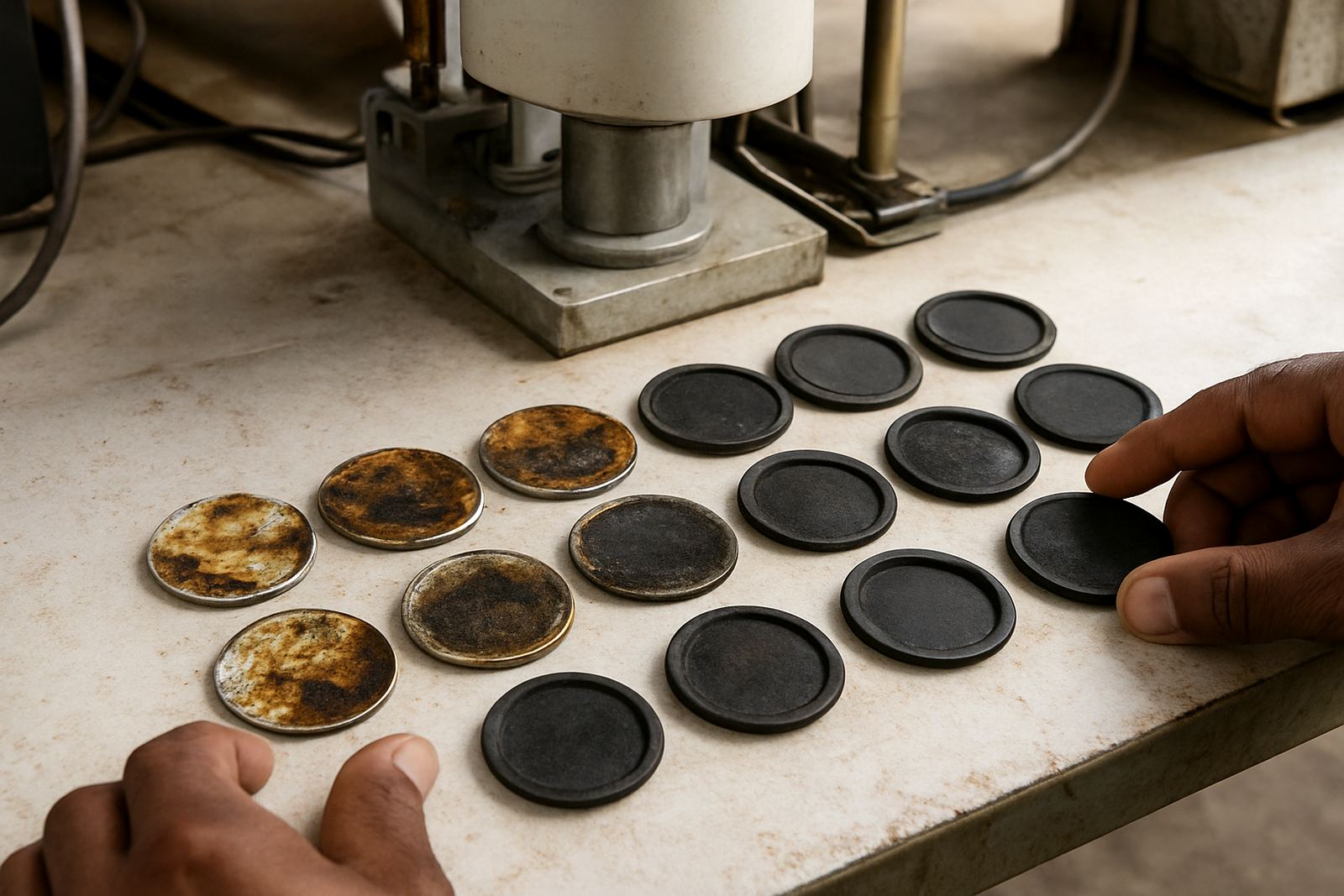
A better approach is to stop early, inspect the first few pieces and correct the settings while the batch is still small. Check cap alignment, torque, liner contact and whether the induction seal is centred properly. For food and pharma packs, it also helps to confirm that the mouth of the bottle is clean and dry because product splash or moisture can spoil the seal. This step is simple but it saves a lot of rework.
- Inspect the first 5 to 10 units before releasing the run.
- Check for cap cross-threading and uneven liner contact.
- Confirm the induction seal ring is even and fully bonded.
- Record the final settings once the pack is approved.
Plan around load shedding and power recovery
Changeovers stretch when a line loses power partway through setup. After load shedding, operators may need to restart controls, rehome equipment and confirm that sealing temperatures or timing have not shifted. That makes preparation even more important for South African plants.
Where outages are common, the team should know which settings must be rechecked after power returns. If the capper, conveyor or induction sealer has electronic controls, save the approved settings in writing as well as on the screen. In Richards Bay, where some sites also deal with coastal moisture and dusty storage areas, keeping electrical cabinets clean and dry can prevent nuisance faults during a switch over.
It also helps to schedule the most sensitive changeovers away from known outage windows where possible. If that is not possible, make sure the line can be brought back to the last approved set point without starting from scratch.
Use commissioning support to remove repeated faults
If one size takes twice as long to set up as the others, there is usually a mechanical or process reason. Repeated faults such as liner misfeeds, poor bottle alignment, cap jams or inconsistent seal strength often point to a setup issue that can be corrected permanently. That is where a proper line check pays for itself.
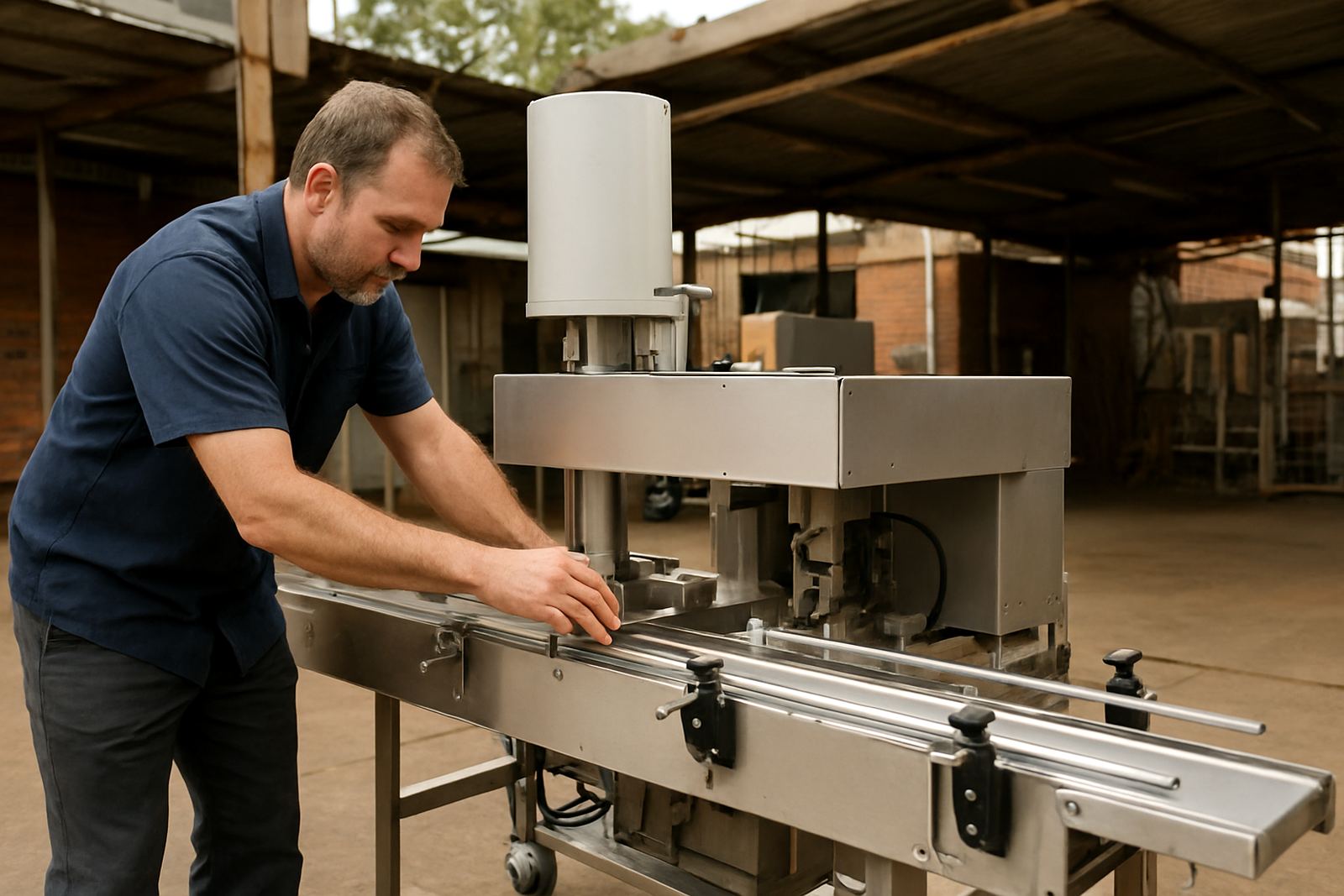
A good commissioning visit looks at the whole changeover path, not only the sealing unit. Conveyor height, guide spacing, cap feed angle, bottle stability and operator reach all affect how quickly the line can be changed. On some sites in Pietermaritzburg, a small guide rail adjustment has cut changeover time enough to recover a full shift over the month.
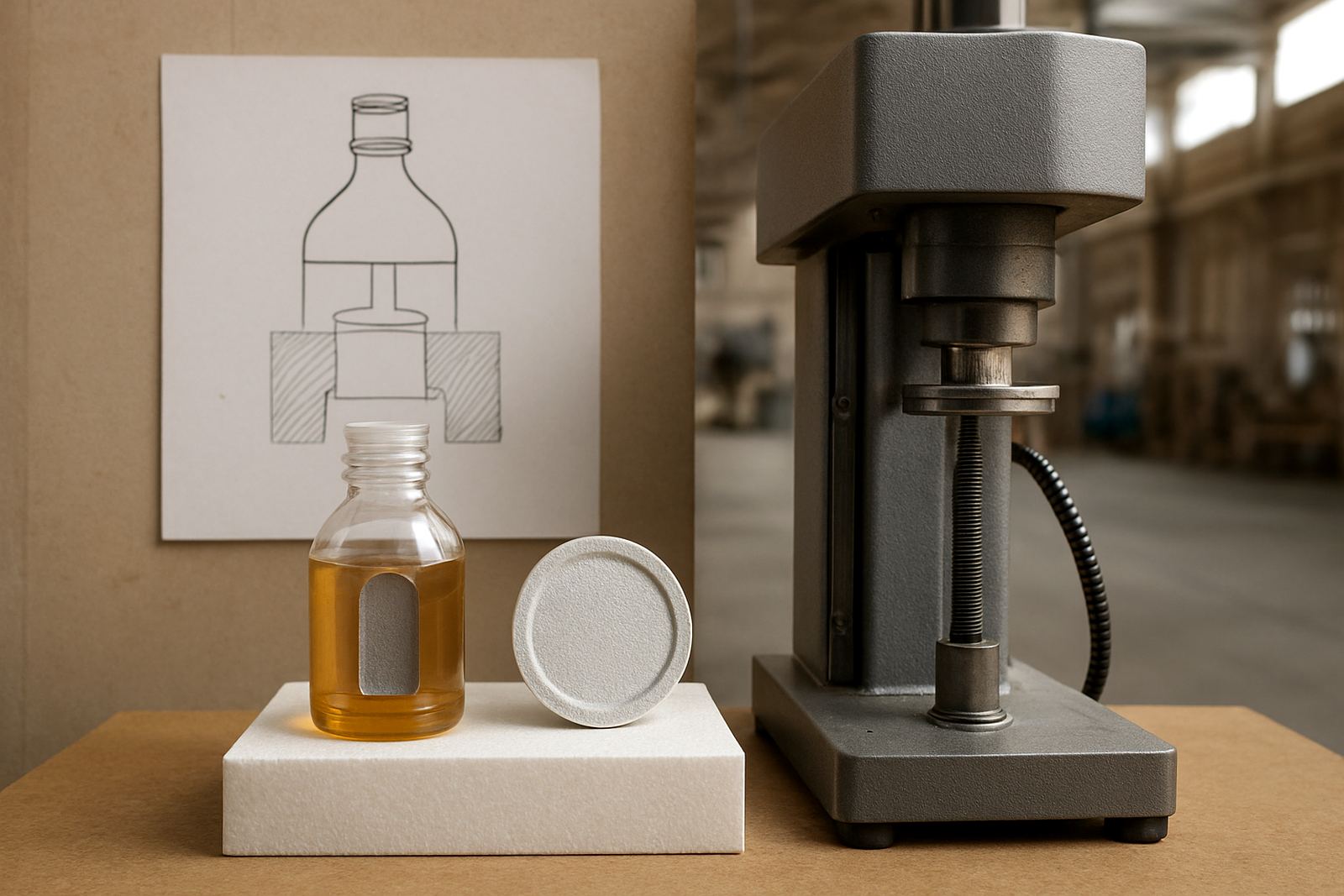
For plants with multiple pack sizes, preventive maintenance and liner matching should be built into the changeover plan. When the right foil liner is matched to the right closure and bottle finish, the line spends less time correcting rejects and more time producing acceptable packs.
A simple Durban example that saves real time
One Jacobs-based packer running food containers was losing nearly 20 minutes every time it switched from a short bottle to a taller one. The issue was not the sealer itself, it was a mix of loose change parts, unclear settings and no early first article check. After the team started staging parts before shutdown, marking the rail positions and checking the first sealed pack immediately, the changeover dropped to under 8 minutes. That kind of saving adds up fast across a week.
The lesson is straightforward. Fast changeovers are usually built from ordinary habits, not special tricks. When the next format is ready, the parts are close by and the checks are done early, the line stays productive and the seals stay consistent.
For sites that want support with line setup, operator training, seal validation or breakdown repairs, it is worth getting outside eyes on the process. A small adjustment on one machine can save a lot of time across every batch that follows.