When solvent packs need more than a standard liner
Solvent packaging brings its own set of issues. Many products give off vapour, some attack certain liner materials, and others are packed in bottles that need extra care during filling, capping and sealing. In Jacobs or on a plant in Pinetown, the main question is not just whether the cap closes, but whether the liner stays compatible with the contents over the full shelf life.
For this reason, solvent packs often need a proper liner match and a sealing method that can cope with line speed and bottle variation. If the line is running all day, even a small fault can mean leaks, odour complaints, rework, or product loss. For chemical fillers, that is money out the door and extra risk on the floor.
Typical sealing equipment used on solvent lines
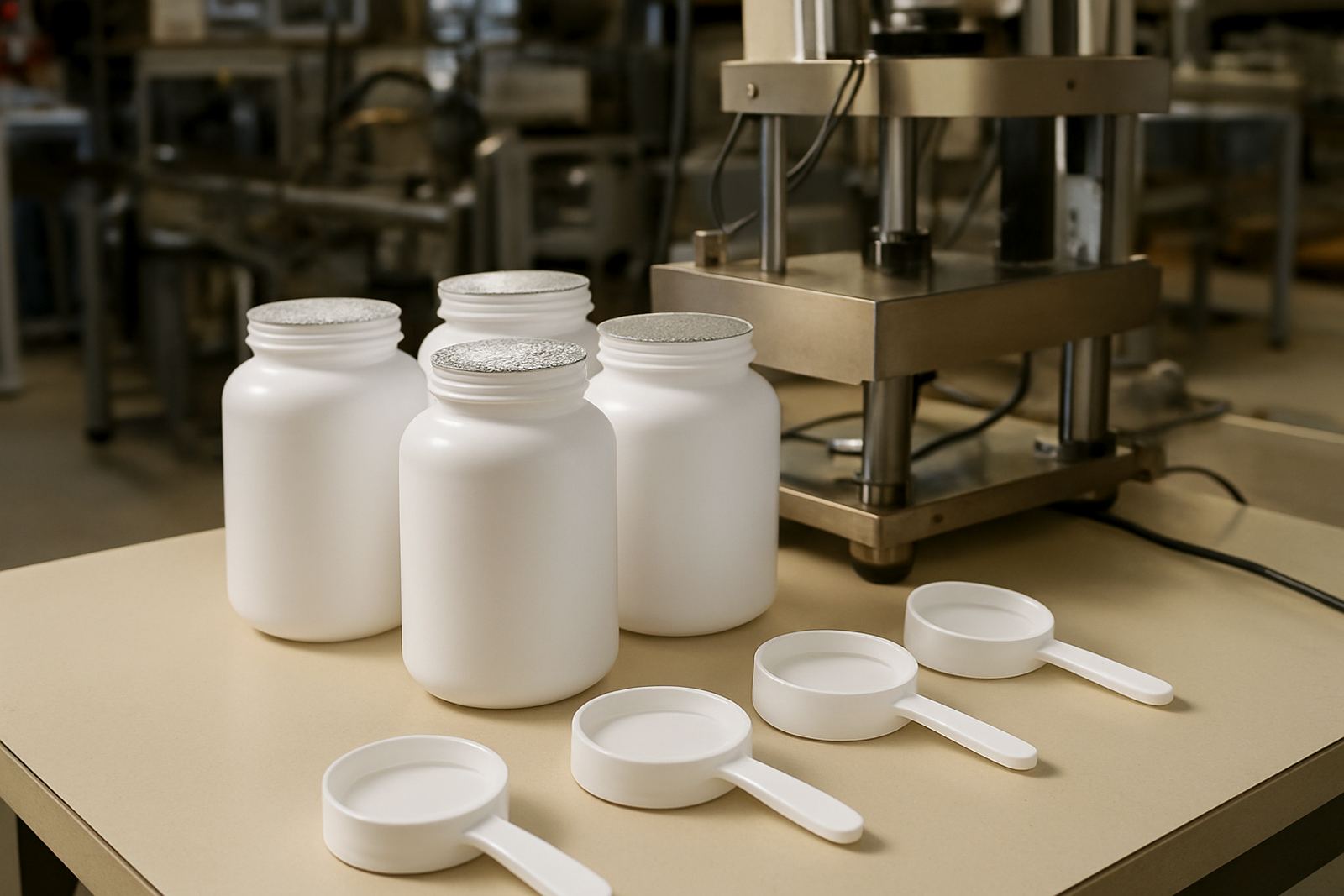
Most solvent pack lines use a capper followed by an induction cap sealer, with the foil liner seated inside the closure. The bottle may be glass or a compatible plastic container, and the cap is usually fitted before the pack passes under the sealing head. On higher speed lines, the sealing unit is tied into the conveyor so the timing stays consistent.
A proper setup may include:
- An induction sealing head matched to container size and line speed
- Foil liners selected for the solvent type and bottle material
- Cap tightening controls so the seal is formed evenly
- Conveyor guides to keep bottles upright and centred
- Inspection points for seal quality, cap fit and product residue
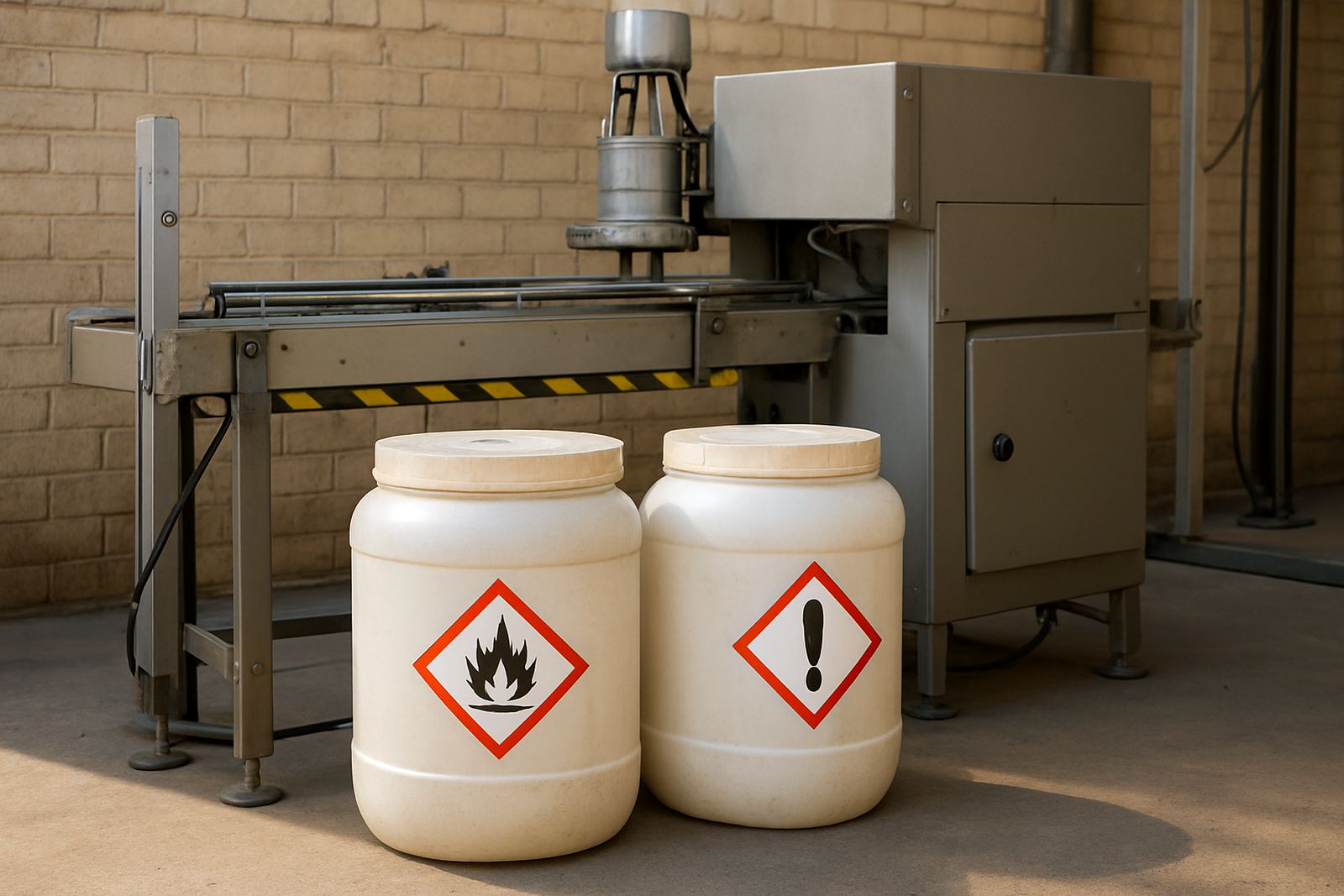
Where solvent fumes are present, good extraction and sensible spacing matter as well. Heat sources, sparks and poor housekeeping should be kept away from the area. A tidy line is not only neater, it is safer.
Layout and planning for safe operation
Before any sealing equipment is installed, the pack format, bottle neck finish and expected throughput need to be checked. A 500 ml pack at low speed has very different needs from a 5 litre chemical container running on a semi-automatic line. Bottle height, cap depth and conveyor alignment all affect the final seal.
In coastal areas such as Durban and Richards Bay, humidity can change how cartons, labels and liners behave during storage. In hot inland stores, the problem may be heat and softening of some plastics. For that reason, we often look at the whole packing area, not only the sealer itself. If pallets are stored too near the filling line or solvent packs are left open too long before capping, the process becomes harder to control.
- Allow enough straight conveyor length before and after the sealer
- Keep the sealing head height adjustable for multiple container sizes
- Plan for power backup if load-shedding could stop the line mid shift
- Keep the operator area clear for checks, cleaning and quick intervention
Common mistakes we see on solvent packing lines
The biggest mistake is assuming one liner suits every solvent product. That is rarely true. Another common issue is over-tightening caps, which can distort the liner before induction even happens. We also see lines where the conveyor speed changes from shift to shift, so the seal looks fine in the morning and fails later in the day, which causes avoidable call-backs.
Other problems include using worn cap chucks, poor bottle spacing and sealing heads set too high above the pack. Sometimes the issue is not the sealer at all, but dirty bottle threads or product splash on the neck. Those small faults add up fast. A line can look busy and still be leaking packs by the end of the shift, so routine checks are worth the time.
Budget ranges for sealing solvent packs
Budget depends on the pack size, the line speed, how much automation is needed and whether the site needs full installation or only supply of equipment and liners. For a small solvent filling room, a basic induction sealing solution may start from around R45 000 to R85 000. Mid-range setups with conveyor integration, controls and commissioning can fall between R90 000 and R180 000. Larger production lines with special bottle handling, validation support and spares planning can run from R200 000 upwards.
Ongoing costs should also be planned. Liners, spare parts, operator training and preventive maintenance are part of the real picture. A low first price can become expensive if seals fail and product is written off. It is better to budget for a line that works properly from the start than to chase repairs after every bad batch.
Support for sites in Durban and nationwide
Bottle Sealers supports solvent packaging plants from our Jacobs base in Durban, with service across Pinetown, Prospecton, Pietermaritzburg, Richards Bay and other industrial areas nationwide. We handle site installation, line commissioning, operator training, seal validation, preventive maintenance, breakdown repairs, spares supply, liner matching, line optimisation and remote support.
Our approach is practical. We look at the bottle, the closure, the product and the pace of the line, then recommend the sealing setup that suits the job. If the site needs help after startup, we can return for adjustments, checks and fault finding. That gives plant managers a clearer path to steady output and fewer leaks, even when the line is under pressure.