Why cosmetic jars need a tidy, dependable seal
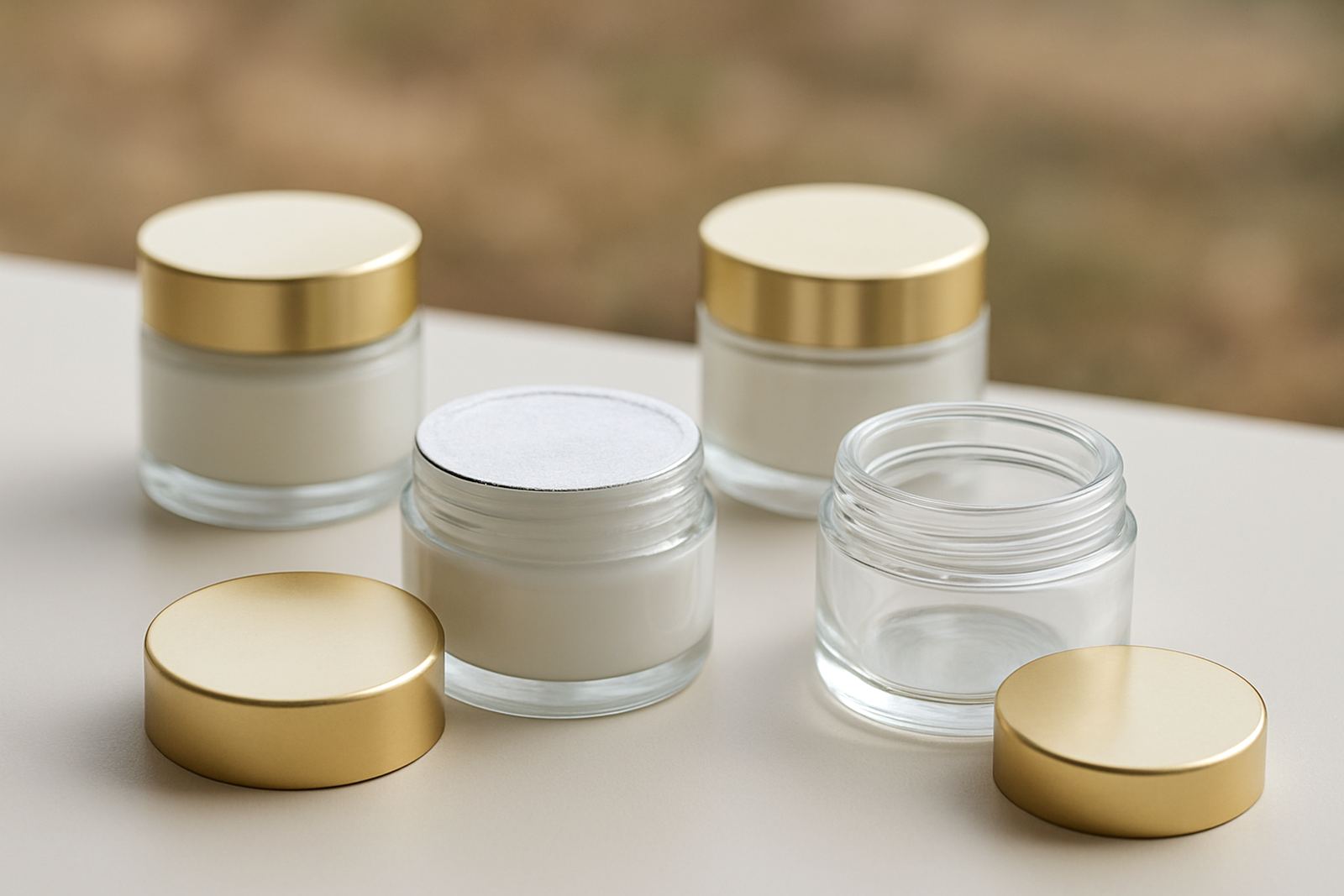
Cosmetic products are often judged before they are opened. If a cream jar arrives with powder dusting on the cap, a loose lid or a liner that lifts at the edge, the customer notices straight away. For retail packs, salons and online orders, the seal has to protect the product and still look clean when the lid is removed.
Peelable foil liners are a practical choice for tubs and jars filled with face creams, body butter, hair treatments, gels and exfoliating products. They help reduce spills during courier transport, limit contamination and give the buyer confidence that the contents have not been tampered with. In humid areas like Durban and Richards Bay, the liner also helps where jars may stand in warm stock rooms before dispatch. For larger runs, induction sealing gives a consistent result from jar to jar, which matters when you are filling by hand or on a small packing line.
Typical equipment set for cosmetic jar lines
Most cosmetic operations use a filling and capping line with a sealing head added after closure. The exact setup depends on jar size, cap material and output. A basic manual setup may suit a start-up packaging around 20 to 40 jars a minute, while a semi automatic line can support much higher volumes with better repeatability.
- Induction cap sealer sized to suit jar neck diameter and cap height
- Peelable foil liners matched to plastic jars and closures
- Cap tightening control so the liner contacts evenly
- Inline or bench mounted unit for short runs
- Spare sealing heads, cooling parts and wear items for planned maintenance
For cosmetic jars, the liner specification matters as much as the machine. A liner that is too aggressive can leave product stringing or a rough peel. One that is too light may lift in transit. The team usually checks jar material, closure type, fill temperature and whether the product is oil based, water based or alcohol rich before recommending a set-up. That saves time later and avoids sealing faults that keep showing up on the line.
Planning the layout around filling, capping and carton packing
Cosmetic filling areas are usually tighter than people expect. If the sealer is placed too far from the capper, jars get handled more and contamination risk goes up. If it is pushed too close to the carton station, operators have less space to reject a bad seal or clear a jam. A good layout keeps the jar movement short and simple.
For most sites, the best approach is to place the sealer directly after capping, then allow a short cooling and inspection point before packing. If the product is sensitive to heat, the line speed and sealing power should be checked against the jar wall thickness and the label placement. On smaller premises in Jacobs or Pinetown, power supply and floor space need attention too, especially where load-shedding backup is limited. The machine should be easy to reach for daily cleaning, because cosmetic products can leave residue around the neck and cap threads.
- Keep jar transfer points short to reduce knocks and spills
- Allow one operator to inspect seals before boxing
- Leave access for cleaning, liner changeover and fault checks
- Plan around power cuts if production runs into evening hours
Common sealing mistakes on creams and treatments
Most sealing problems on cosmetic jars come from small setup issues rather than the product itself. The cap may be tightened unevenly, the liner may not suit the jar material, or the induction head may be too high or too low. Sometimes the fill level is the problem, because product sitting too near the rim can stop proper liner contact.
Another common mistake is choosing a liner only by price. A cheap liner may seem fine on dry shelf stock, then start lifting when the jars move through a hot distribution vehicle or sit in coastal humidity. Some fillers also forget to test the same cap and liner after a label change or jar mould change, which can alter the sealing result. We see this often in small contract packing jobs where one product range uses several jar sizes and the settings are copied over without checking.
If the line is having trouble, the first checks are usually simple: cap torque, jar cleanliness, liner fit, product splash on the rim and whether the induction unit is sitting square over the cap. Small faults can waste a lot of stock, so it helps to catch them early.
Budget ranges for cosmetic jar sealing in Rand
Costs vary by output, jar size and whether the line is hand fed or partly automated. For a small cosmetic operation, a basic induction sealing package can start in the lower tens of thousands of Rand, while more capable units with stronger controls and better throughput move higher. If you need matched liners, commissioning and training, the total project cost should include those items from the start rather than treating them as extras later.
Typical budget planning often falls into these bands:
- Entry level bench sealing for small runs: about R18 000 to R45 000
- Mid range semi automatic work for regular production: about R45 000 to R120 000
- Higher output line integration and support items: from about R120 000 upward
Budgeting should also allow for liner stock, spare parts and planned servicing. A cheaper unit that needs frequent attention can cost more over a year than a better matched machine. For Durban and inland sites alike, it is worth balancing purchase price with power use, downtime risk and the cost of rejected batches.
Support for Durban and nationwide cosmetic packers
Bottle Sealers works from Jacobs in Durban and supports sealing lines across South Africa, including Pinetown, Prospecton, Pietermaritzburg and Richards Bay. The work usually covers site installation, line commissioning, operator training, seal validation, preventive maintenance, breakdown repairs, spares supply, liner matching, line optimisation and remote support.
That support is useful for cosmetic businesses that run more than one jar size or pack on shared lines. The machine settings, liner grade and cap application method can be checked during commissioning so the line behaves the same in week one and week twelve. Where needed, the team can help with field visits, service follow-up and practical fault finding after a stoppage. For a busy packing room, that can save a day of lost production and a stack of rejected jars.
For advice on cosmetic jars, foil liners or sealing line setup, contact the team at our contact form. A short discussion about your jar size, fill type and daily output is usually enough to narrow down the right option.