What Sauce Bottle Sealing Has To Handle On A Live Line
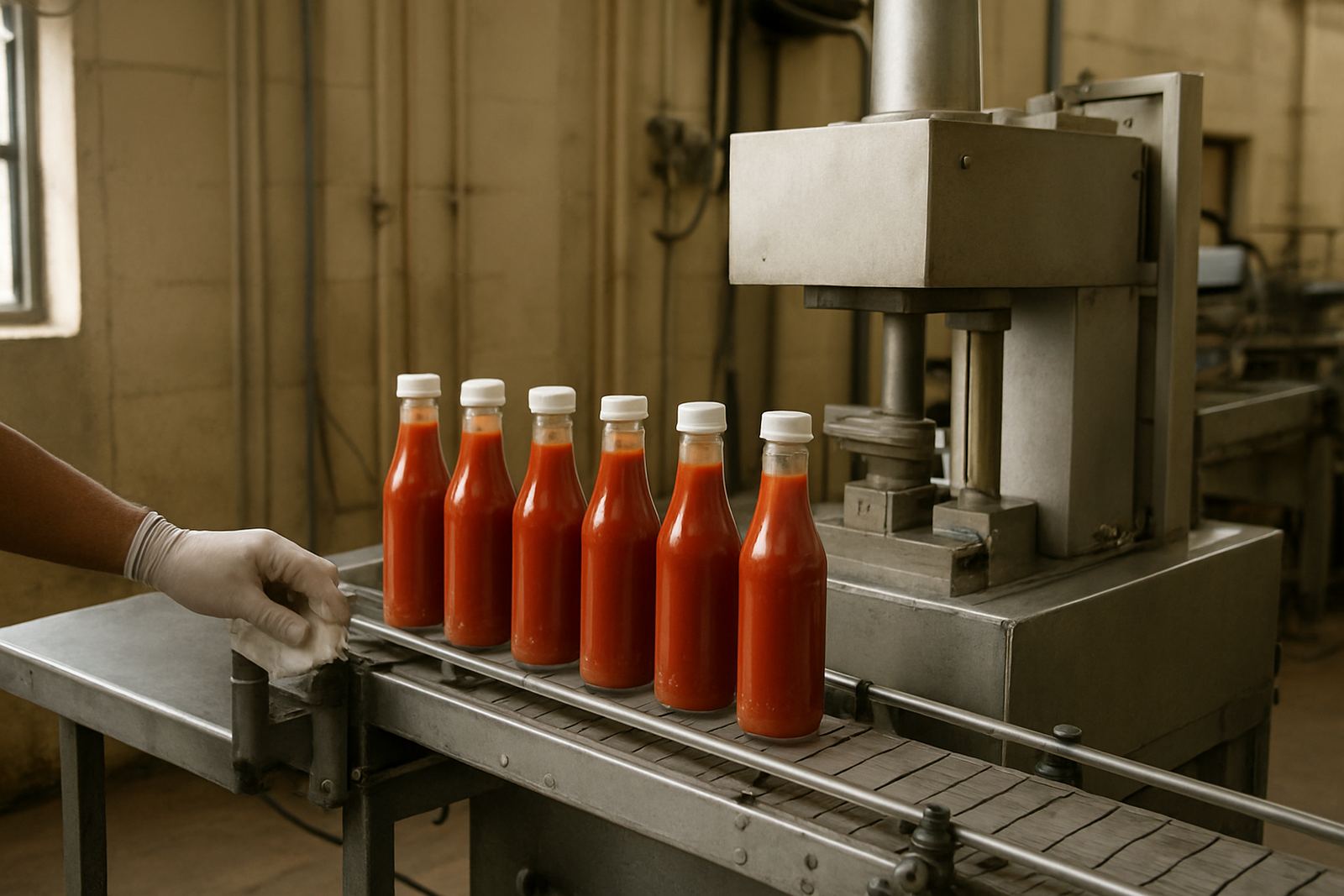
Sauces bring a few headaches that other liquids do not always create. Some products splash into the neck during filling, some leave an oily film on the rim, and some create light foaming that can upset the seal area. If the cap sits slightly off centre, the liner may look fine but the pack can still leak in transit or at pallet height.
For tomato sauce, chilli sauce, peri-peri, mayonnaise-style dressings and table condiments, the seal has to cope with real factory conditions in Durban humidity, inland dust and the knock about that happens in distribution. A good sealing set-up keeps the product inside the bottle and the brand out of trouble. It also helps when your line stops and starts during load-shedding or municipal supply interruptions, because the seal needs to recover quickly once production is back on.
We work with plants that need simple, repeatable sealing on plastic and glass bottles from small retail packs through to family sizes. In many cases the issue is not the cap alone, but the full chain: fill level, neck finish, liner type and the speed at which the bottle moves under the sealer.
Typical Equipment For Condiment And Sauce Packaging
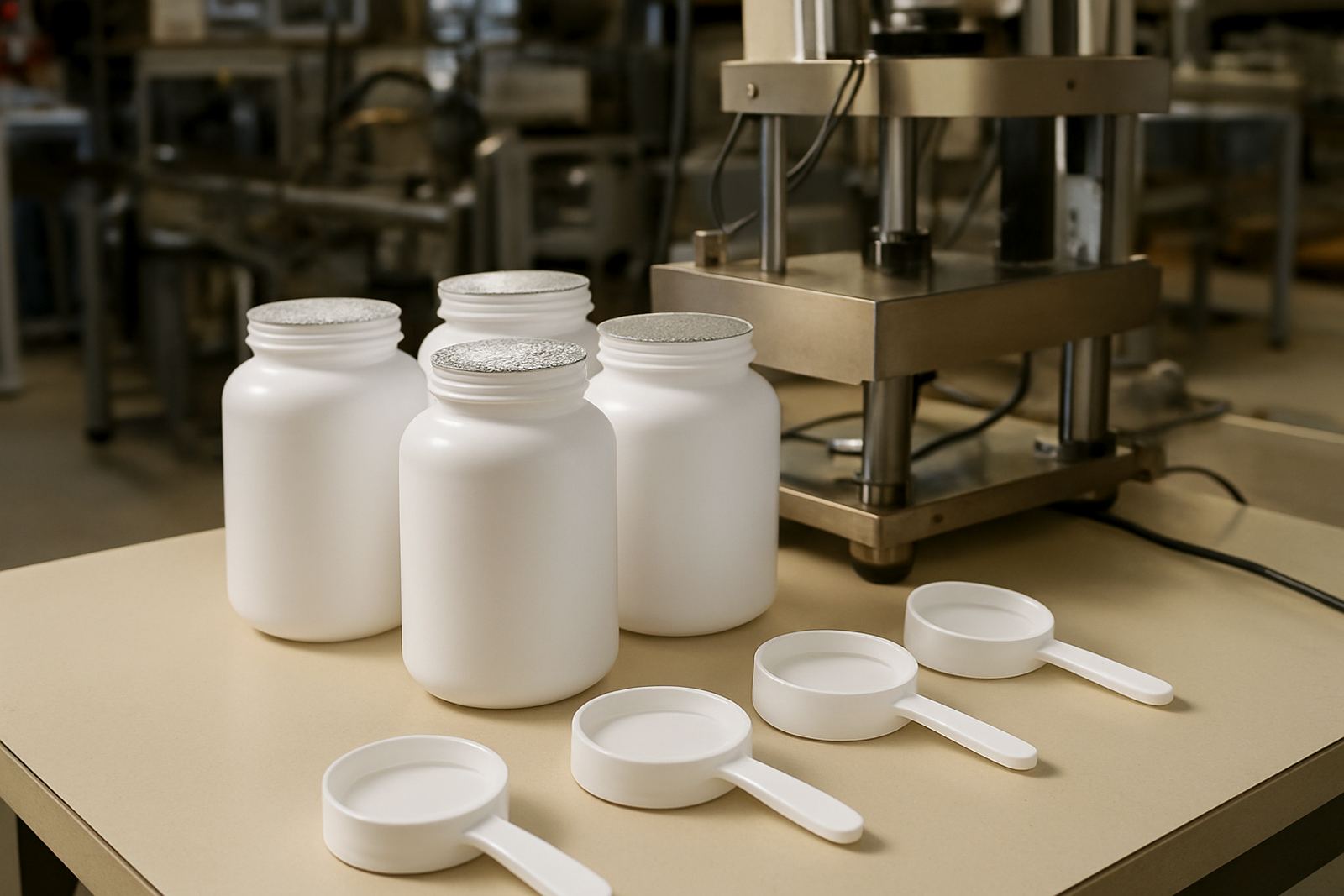
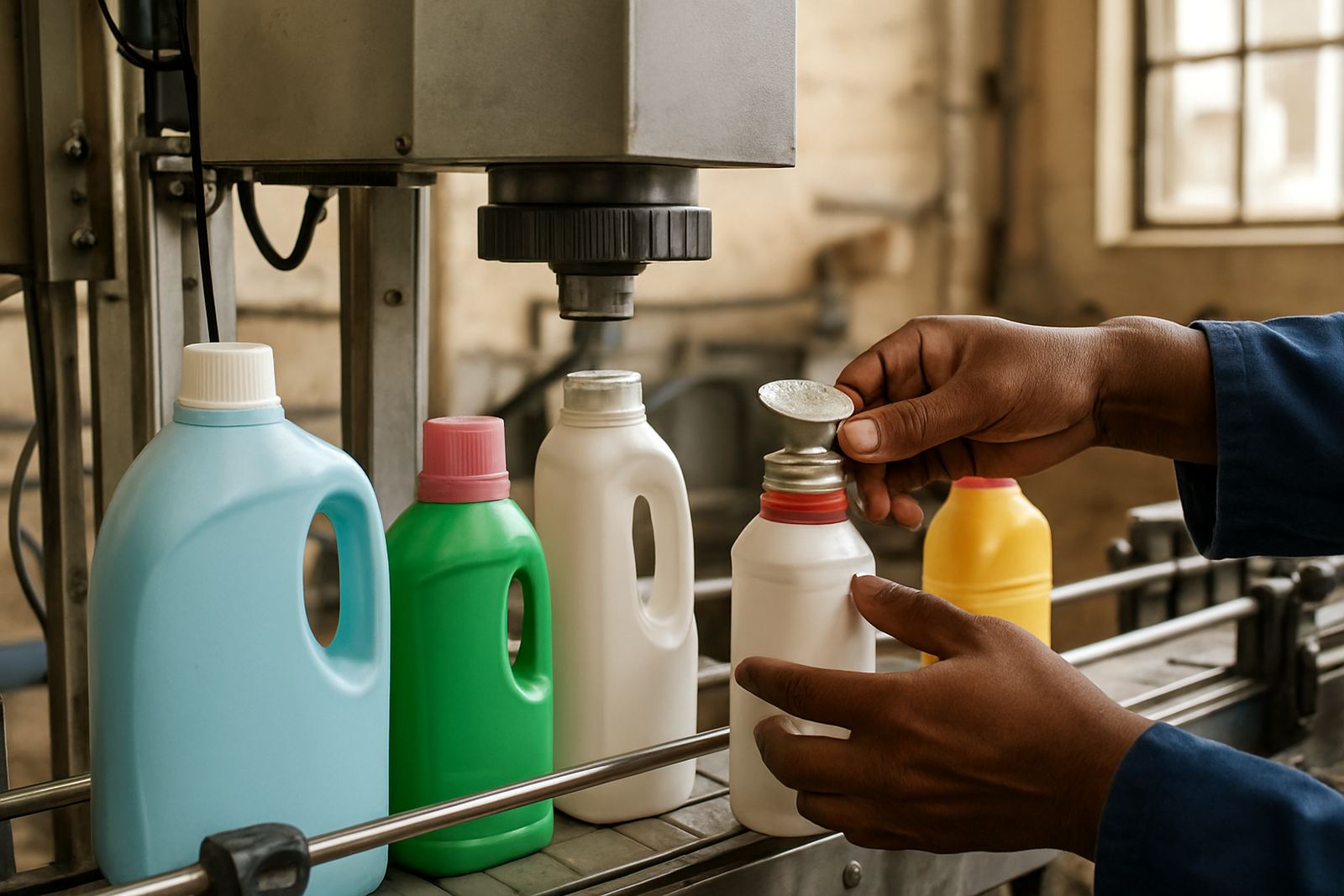
Most sauce lines use induction cap sealing with foil liners placed inside the closure. The liner creates a tamper evident seal after capping, provided the cap, bottle neck and sealing head are matched properly. Bottle Sealers supplies induction cap sealers and liner matching support for sauces packed in PET, HDPE and glass containers. We also help when a line uses different cap diameters across one range, because one setting does not suit every format.
- Induction cap sealing head matched to cap diameter
- Foil liners selected for hot fill, cold fill or oily product contact
- Conveyor check points for cap alignment and bottle spacing
- Hold-downs or guides where lightweight bottles wobble under the coil
- Leak testing and seal validation at start-up and after changeovers
In smaller plants a benchtop or semi-automatic sealer may be enough for low volume condiment runs. Higher output sauce lines often need an in-line system with proper power supply, cooling allowance and safe access for the operator. For factories in Jacobs, Pinetown or Prospecton, we usually factor in floor space, cable routes and washdown areas before any install date is confirmed.
Layout And Planning Advice Before You Buy
Sauce bottle sealing works best when the sealer is planned around the filler, capper and conveyor rather than added later as an afterthought. If the line is too crowded, operators will bump bottles, miss caps, or rush the changeover and create scrap. If the conveyor is too fast for the bottle weight, the neck can shift under the sealing head and the liner will not bond evenly.
Before choosing equipment, it helps to check a few points on site:
- Bottle material, neck finish and cap diameter
- Fill temperature and whether the product is oily or acidic
- Line speed in bottles per minute
- Available electrical supply and backup power during outages
- Washdown method and cleaning chemicals used on the floor
We also look at local conditions. A factory close to the coast may battle moisture and corrosion, while inland plants may have more dust around the cap feed. In both cases the sealer needs a stable position and regular checks. If the line runs multiple sauce types, plan space for quick liner changes and clear labelling so the wrong liner does not end up on the wrong SKU, which happens more often than people admit.
Common Mistakes That Cause Leaks Or Lifted Liners
Most sauce sealing faults are not dramatic, they start small. The cap may be slightly loose, the liner may not suit the neck material, or the operator may set the head height too high after a changeover. On hot fill products, trapped vapour can lift a weak liner. On thicker sauces, residue on the bottle mouth can block a proper bond. It looks minor on the line but turns into sticky trays and customer complaints later.
Another common problem is treating every bottle as the same. A 250 ml chilli sauce bottle and a 750 ml cooking sauce bottle may use different cap torque and different liner performance. If one setting is carried across the range, the seal on one size can be too tight and the other too loose. That is why seal validation matters, not just a quick run at the start of shift.
We also see avoidable issues when operators are not trained on warm-up time, product changeovers or cleaning the sealing face. If the head is dirty or out of position by a few millimetres, the seal quality can drift. Small error, big mess.
What A Sauce Sealing Project Usually Costs
Budget depends on the line speed, bottle size range and whether you need a simple unit or a fully integrated installation. For small sauce producers and contract packers, a basic sealing setup can start around R35 000 to R85 000. Mid-range in-line systems with proper controls, matched liners and commissioning often sit between R90 000 and R220 000. Larger production lines with site installation, validation and training can move above that depending on capacity and layout.
It is worth budgeting for more than the machine price alone. A proper project may also include spares, mounting hardware, conveyor adjustments, electrical work and operator training. If your plant works with narrow margins, a slightly better liner or better initial setup can save far more than it costs by cutting rework and returns.
For businesses in Durban, Pietermaritzburg, Richards Bay and surrounding areas, we can plan around production windows so the line is not down longer than necessary. Where travel or shutdown timing matters, we quote the practical scope not just the equipment. That keeps the numbers honest.
Support For Sauce Plants In Durban And Nationwide
Bottle Sealers supports sauce and condiment producers from our Jacobs base in Durban, with service across Pinetown, Prospecton, Pietermaritzburg, Richards Bay and other manufacturing centres nationwide. We handle site installation, line commissioning, operator training, seal validation, preventive maintenance, breakdown repairs, spares supply, remote support and line optimisation.
Our team includes Sibusiso Mthembu, Nokuthula Dlamini, Jared Naidoo, Lindokuhle Khumalo, Megan Govender and Themba Zulu, so the person who plans the job is not the same person who ignores it later. If you need help matching liners to a specific cap, or you are trying to stop splash contamination around the bottle mouth, we can work through the issue with your production staff and maintenance team.
For sauce bottles the goal is straightforward: clean seals, steady output and fewer call-backs. Get the fit right at the start and the rest of the packaging line has an easier day.
- Contact: our contact form
- Base: Jacobs, Durban
- Support area: South Africa wide