What powder packs need from a seal
Powers, powders and fine granules can create a few headaches at the cap line. Dust on the neck, product on the rim, and light bottles that move under the head all affect the bond. For food powders, pharma blends, and chemical powders, the goal is a tidy container mouth and a foil seal that holds through handling, transport, and storage.
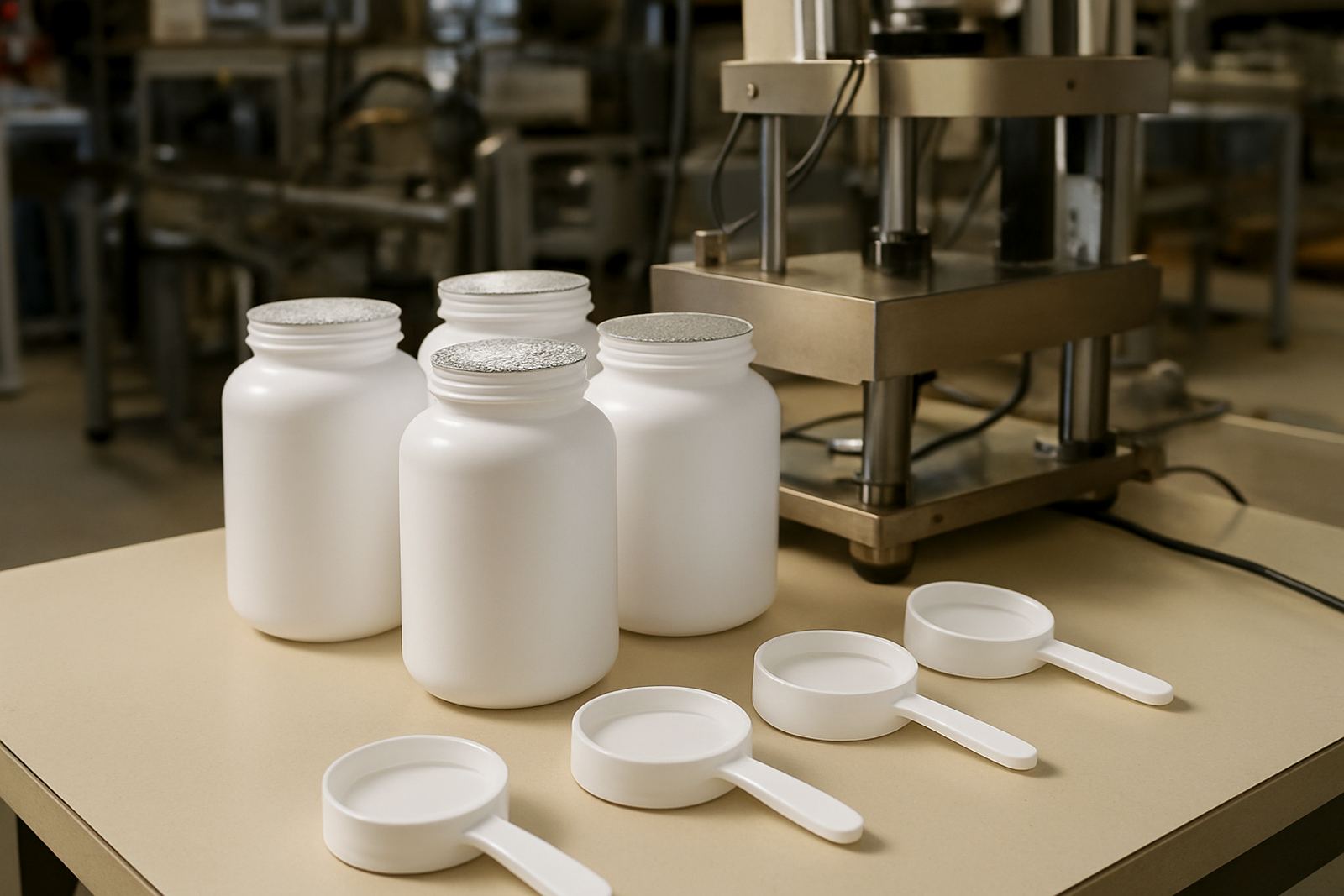
In practice, a powder container usually needs more than a cap on top. It needs the right liner material, the correct cap torque, and an induction setup that closes the seal without overheating the rim. When those three parts are matched properly, the pack feels neat, the seal peels cleanly when it should, and the product stays protected from moisture and contamination.
Typical equipment used on powder lines
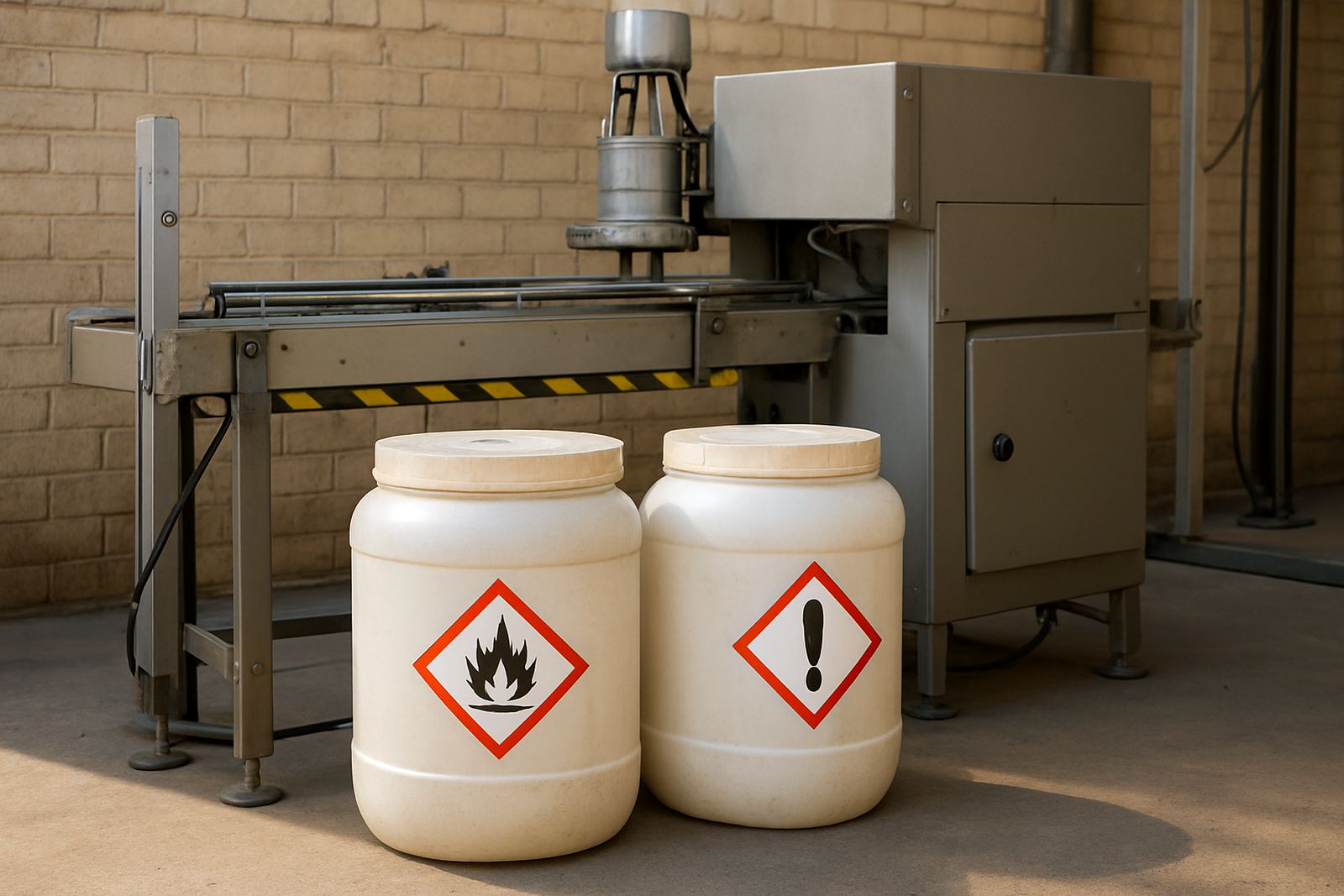
Most powder filling lines in South Africa use a simple combination of filling, capping, and induction sealing equipment. The exact set depends on whether the line handles tubs, jars, HDPE bottles, PET bottles, or wider neck containers. For smaller operations in Jacobs or Pinetown, a semi automatic filler and capper may be enough. Larger plants in Prospecton, Pietermaritzburg, or Richards Bay often need fully integrated conveying and automatic cap handling.
- Filling machine suited to the powder flow and dust control needs
- Capper or cap tightening station with steady torque control
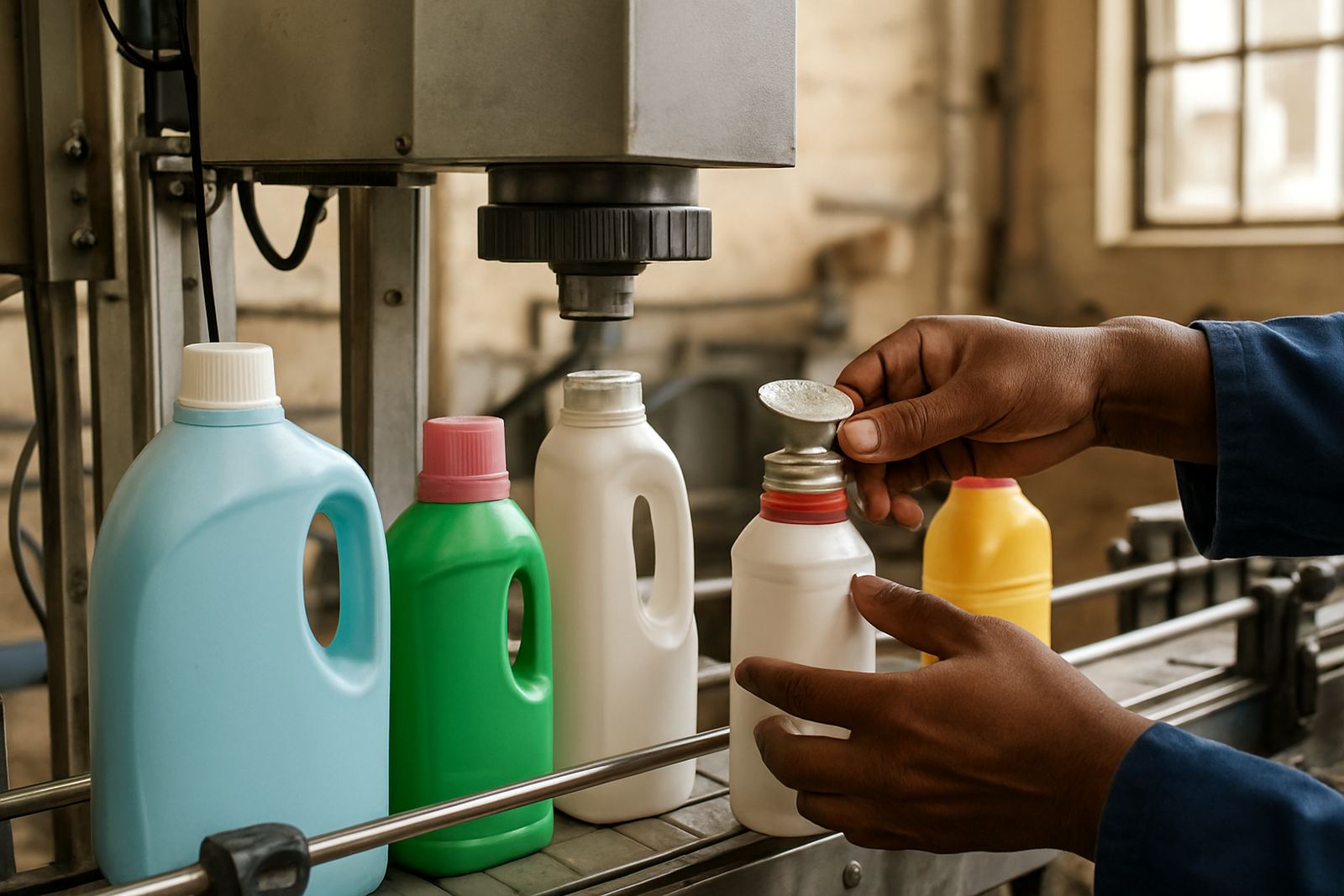
- Induction cap sealer matched to cap size and line speed
- Foil liner selected for the container material and product type
- Conveyor with stable height and minimal vibration
- Check area for seal inspection, weight checks, and coding
For hygroscopic powders, the sealing step matters even more because moisture pickup can shorten shelf life. A good liner choice helps keep the pack dry and stable, especially on routes where stock may sit in warm warehouses or coastal depots. Durban humidity can be hard on weak seals, so the equipment and liner spec must suit local conditions.
Liner matching for clean neck finishes
The liner is doing the real work once the cap is applied. Powder products often need a liner that gives a clean neck finish and a dependable foil bond, without leaving bits of material on the bottle mouth. Liner matching is where Bottle Sealers helps most, because the wrong liner can look fine on day one but fail after a few heat cycles or a bumpy trip on the N3.
For powder containers, the choice usually depends on the product sensitivity, the bottle material, and whether the pack must show tamper evidence. Some products need a simple induction foil liner. Others need a liner that tolerates slight dust contamination on the mouth, or one that seals well on low shoulder containers where alignment is tight. A practical test run on your actual container is worth more than a guess from a sample cap.
- Choose liner material that bonds well to the bottle resin
- Check whether powder dust can be controlled at fill point
- Make sure cap thread engagement is consistent before induction
- Test seal peel strength after cooling, not only straight off the line
Planning the line layout before you buy
Layout decisions affect seal quality more than many buyers expect. If the capper sits too far from the filler, fine powder can settle on the rim and interfere with the bond. If the conveyor flexes or shakes, the induction head may see uneven container spacing and heat the wrong spot. Even the position of the operator can change how often caps are cross threaded or under tightened.
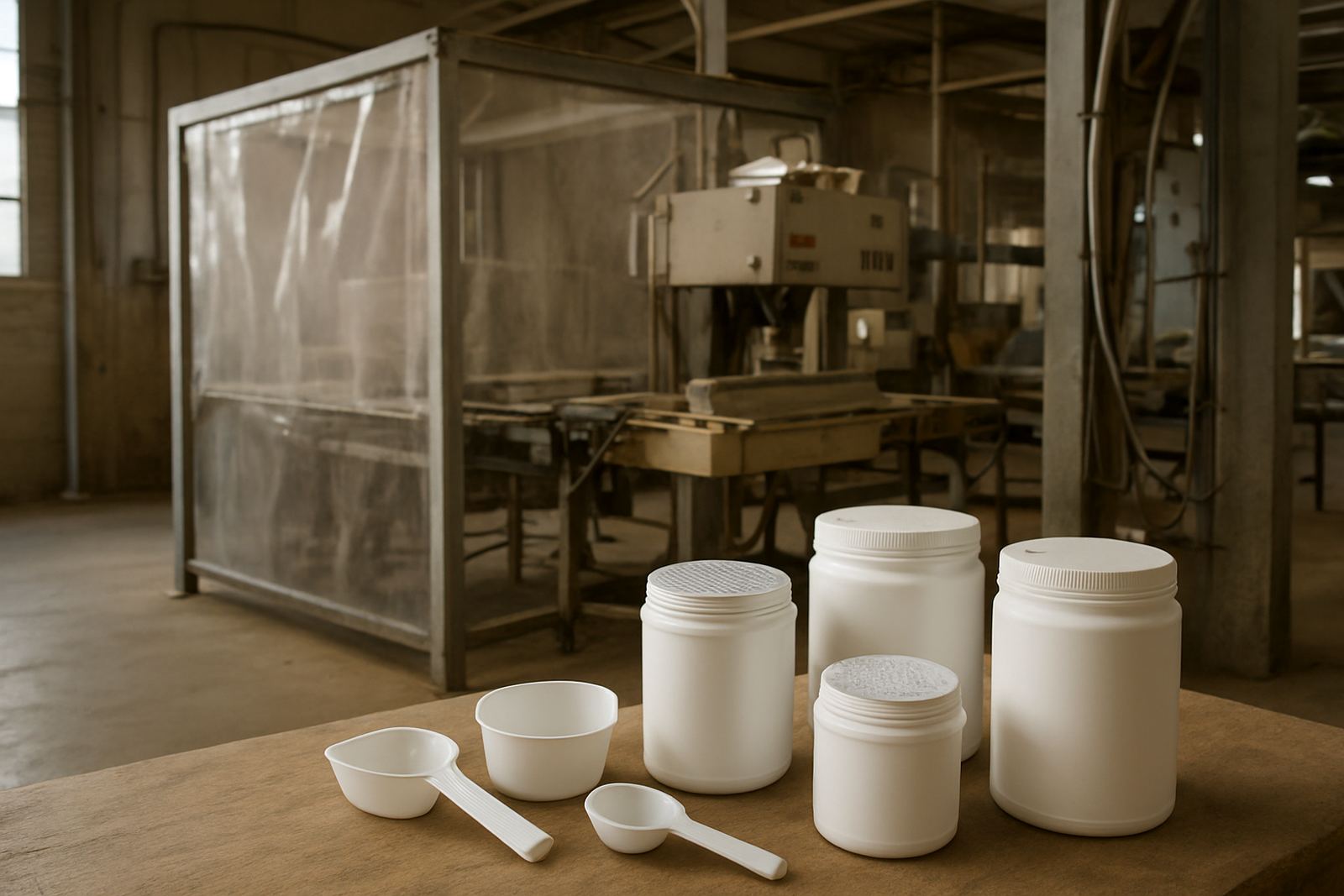
Before installation, it helps to map the full flow from fill to cap to seal to pack-out. Allow space for rejects, sample checks, and maintenance access. If the site runs on backup power or has load shedding, think through how the line restarts after a stop. Some powder lines also need dust extraction and local cleaning points so the neck area stays tidy through the shift.
- Keep the capper close enough to the filler to limit powder fall-back
- Allow clear access around the induction head for setup and service
- Plan for bottle height changes if multiple pack sizes will run
- Leave space for seal checks, coding, and final carton packing
Common mistakes that lead to weak seals
A lot of sealing trouble comes from small, avoidable issues. Dust on the neck, caps fitted too loosely, and liners that are too sensitive to heat are all common. Another problem is trying to run one seal setting across several bottle sizes. A 250 ml jar and a 1 kg powder tub do not behave the same, even if the cap looks similar.
Another mistake is skipping validation after a change in bottle supplier or liner batch. Container material can vary slightly, and that changes the bond. In humid coastal areas, operators may also underestimate how much moisture in the air affects the product and the foil. A short test run after start-up can catch a weak seal before a full pallet is packed and shipped.
- Do not seal over visible powder on the rim
- Do not reuse settings from a different bottle or cap size
- Do not ignore small dents or oval necks on incoming containers
- Do not skip operator training after maintenance or line changes
What businesses usually budget in Rand
Budget depends on output speed, container size, and how much automation is needed. A small operation sealing powder jars with a basic induction unit may spend in the lower range, while a higher output line with conveyors, automatic capping, and commissioning support sits much higher. The real cost is not only the sealer, but the matching liner, installation, and time saved when the line runs properly from the start.
As a working guide, a manual or bench style induction setup may start around R18,000 to R45,000. A more complete line package for a growing powder packer can fall between R75,000 and R220,000 depending on cap size, output, and integration work. Larger plant projects with installation, validation, and training can exceed that. If you are packing for pharmacy or export, it is worth allowing budget for seal testing and preventive maintenance too, not just the purchase itself.
Support for Durban plants and national sealing lines
Bottle Sealers works from Jacobs in Durban and supports sealing lines nationwide. For powder containers, that usually means site installation, line commissioning, operator training, seal validation, preventive maintenance, breakdown repairs, spares supply, liner matching, line optimisation, and remote support when a line needs fast help. The team also supports plants in Pinetown, Prospecton, Pietermaritzburg, and Richards Bay, with field work arranged to suit production schedules.
That kind of support matters when a packing room is running tight shifts or when a customer needs the line back up after a fault. A powder packer cannot afford long stops when orders are due. With the right setup, a seal problem is usually sorted by checking the liner match, cap application, heat settings, and container movement before bigger losses build up.
For advice on powder containers, it helps to start with your actual bottle, cap, and product sample. From there, the sealing spec can be matched properly instead of guessed. Small changes at the neck often make a big difference, and in packing that saves time later, quite a lot.