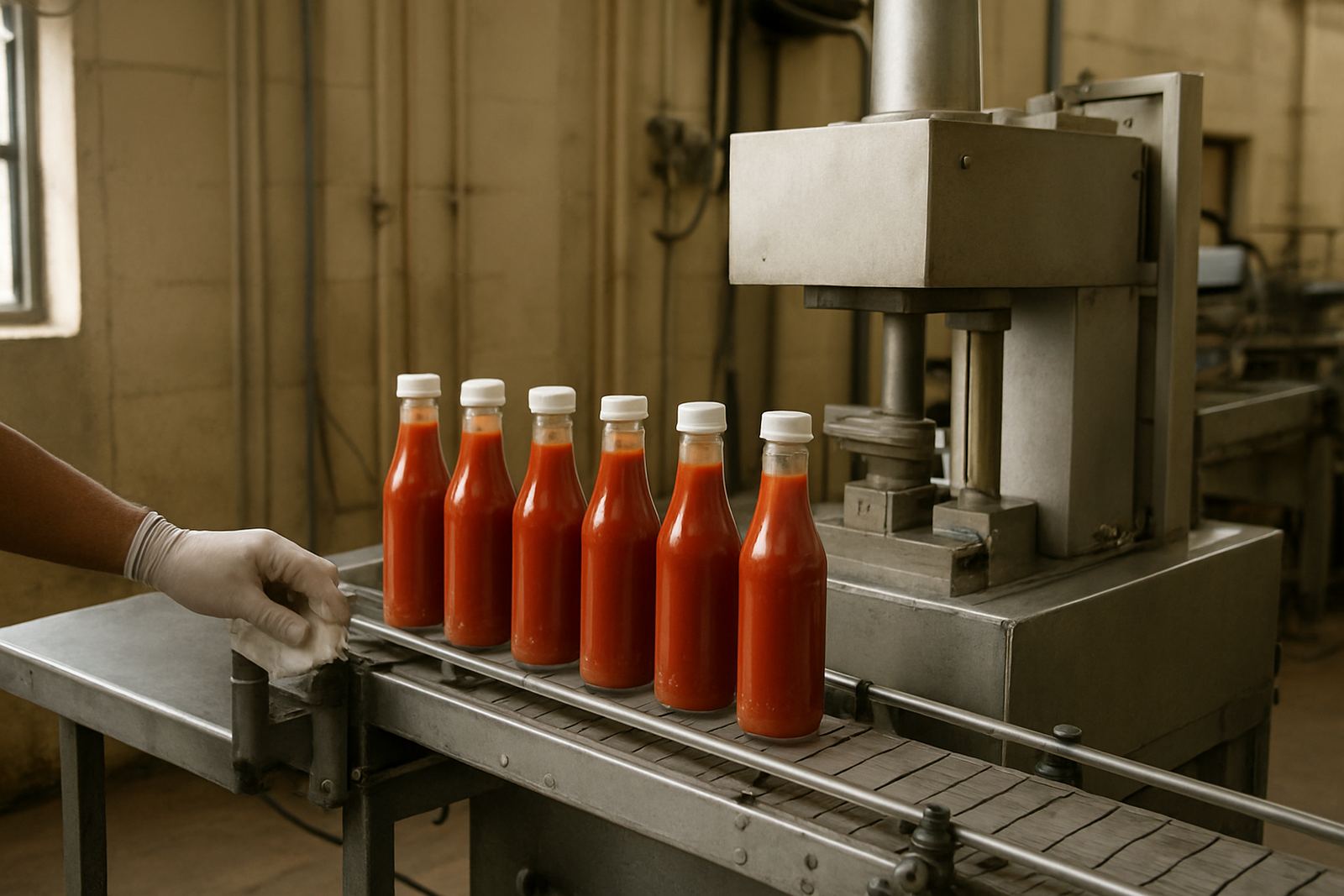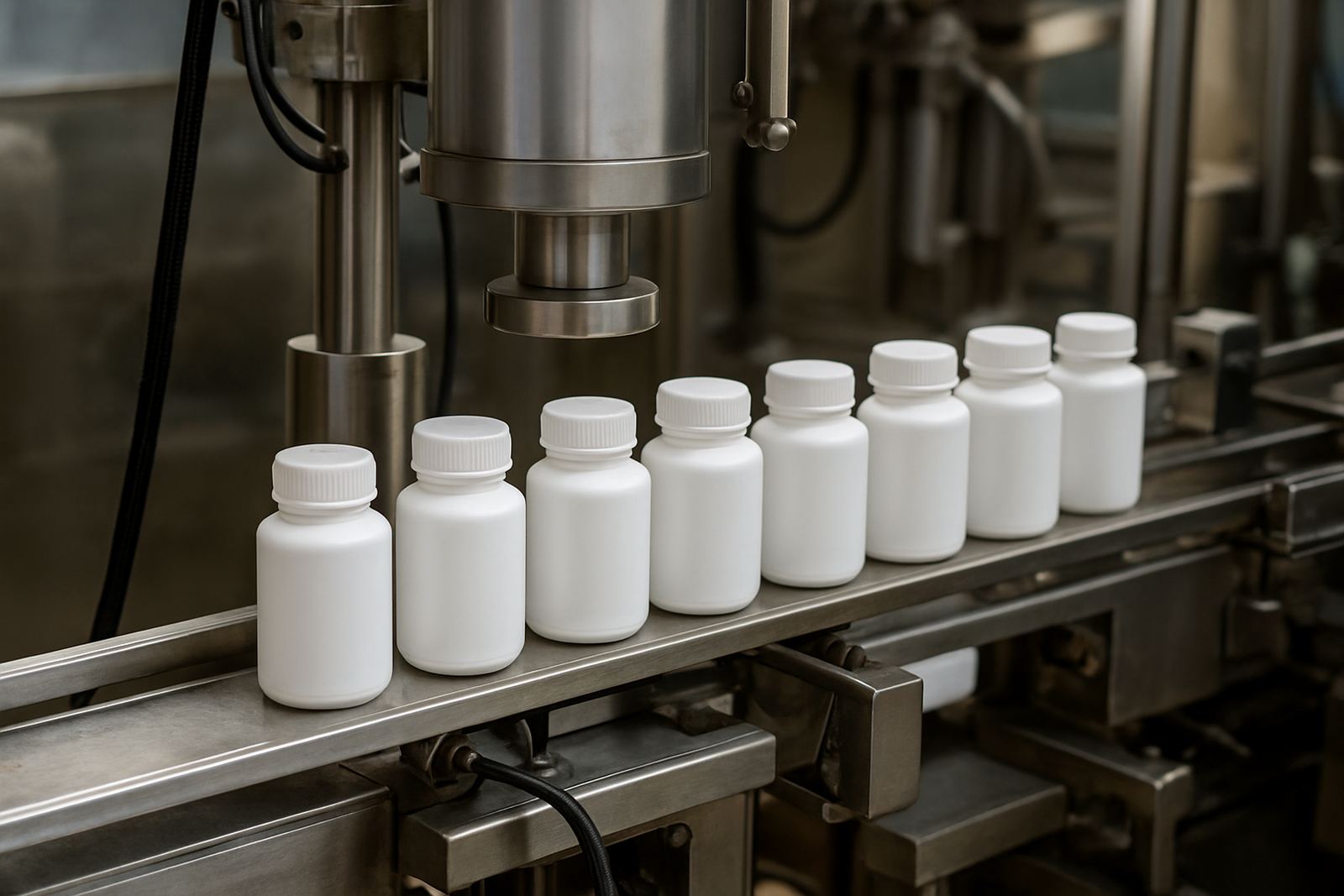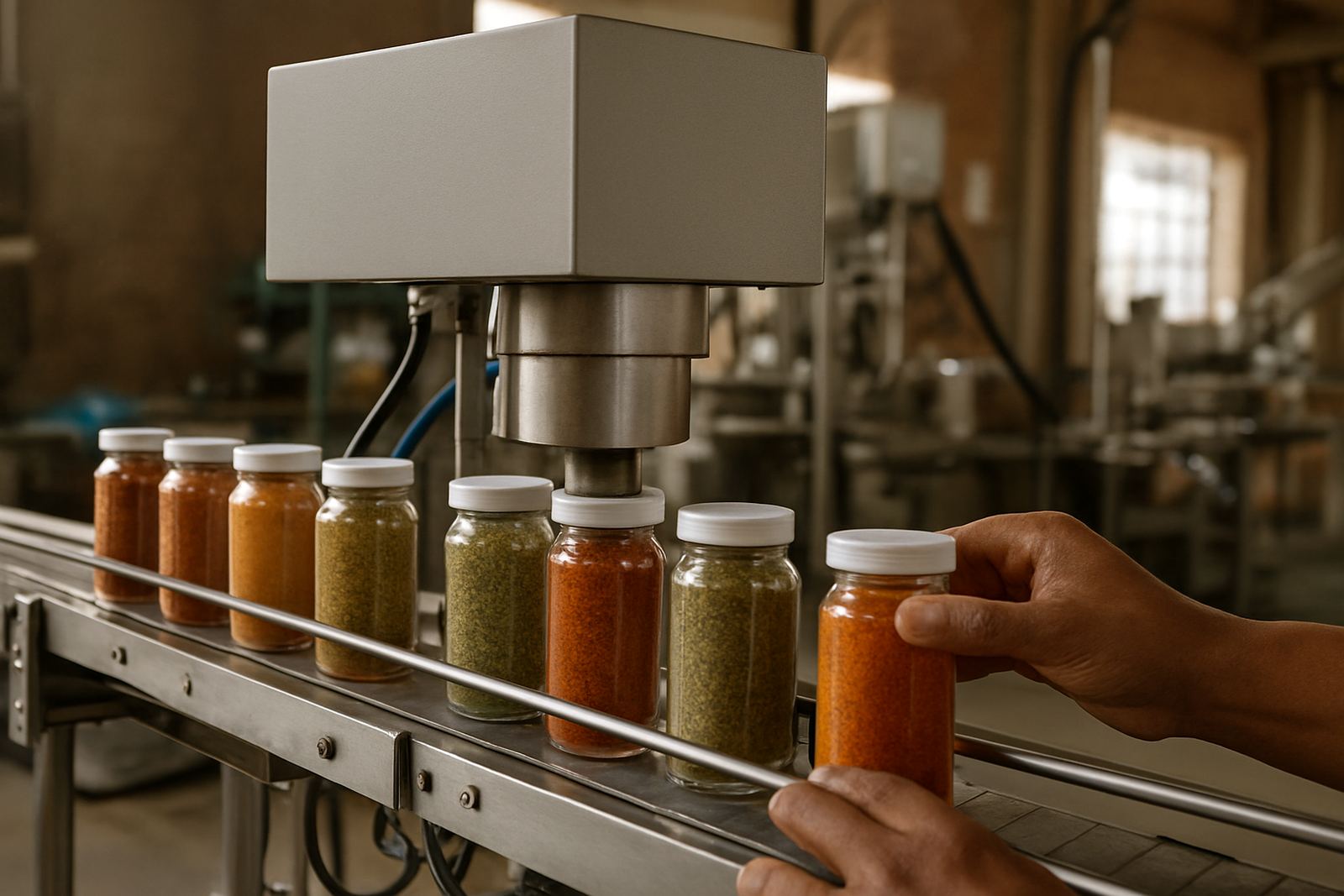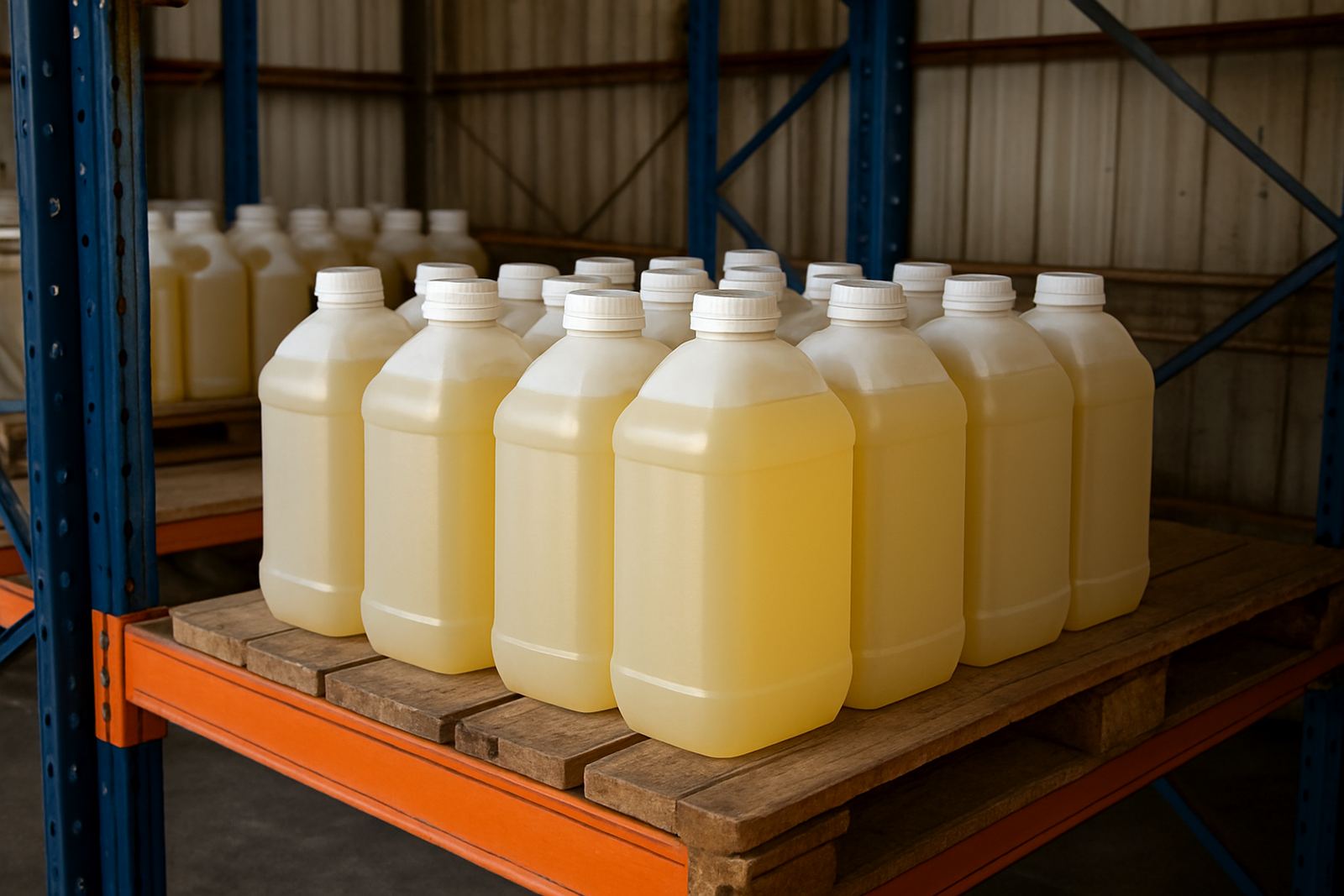
Why agrochemical bottles need more than a basic cap
Agrochemical products move through rough handling, hot packrooms, farm stores, and long distribution runs. A simple cap is not enough when the bottle may stand in a truck, sit in a yard in Richards Bay humidity, or travel from Jacobs to inland depots. Induction sealing gives a clean first line of defence against leaks and unauthorised opening, while helping the pack look professional on shelf and in store rooms.
For liquid concentrates, soluble packs, and smaller dose bottles, a good seal also helps reduce complaints from distributors and end users. If a cap loosens slightly, the liner still needs to stay bonded and flat. That matters for safety, stock control, and keeping packaging within internal quality checks. On sites with shift work and load-shedding, a stable sealing process is worth planning properly from the start.
Typical sealing setups for chemical bottle lines
The right set up depends on bottle size, cap type, line speed, and whether filling is manual, semi-automatic, or fully automatic. Many agrochemical packers use round HDPE bottles from 250 ml through to 5 L, with screw caps that need a liner matched to the closure and product. Bottle Sealers works with induction cap sealing heads, foil liners, hand-held sealers for smaller runs, and line-mounted units for higher output.
- Manual or semi-automatic filling lines for small packhouses and contract packers
- Inline conveyors with a sealing head after capping
- Standalone cap sealing stations for batch filling
- Spare liners matched to bottle neck size, cap material, and product compatibility
- Validation checks for seal strength, continuity, and repeatability
In many cases the cap, bottle neck finish, and liner material need to be tested together. A liner that looks fine on one chemical blend may fail on another, especially where solvents, surface tension, or product residue are involved.
Planning the layout before you buy equipment
Good sealing starts with the bottle flow, not the machine alone. The filler, capper, sealing head, coder, and packing table must work as one sequence. If the bottle is too wet on the neck or the cap is applied unevenly, the seal can fail even when the induction unit is correctly set. This is where line planning saves money later.
For Durban and coastal plants, humidity is another factor. Moisture on the cap or neck can affect adhesion, so the product needs proper handling between filling and sealing. Leave enough space for maintenance access, operator movement, and a safe route for stock trolleys. It also helps to allow for power backup if the site runs on a generator or changes over during load-shedding.
- Keep the sealing head close to the capper to reduce delays between capping and sealing
- Allow space for a reject point and manual inspection
- Check conveyor height so bottles do not tip or rub
- Plan for easy access to liner stock and changeovers
- Build in clear operator steps for start-up, shutdown, and cleaning
Common mistakes that lead to leaks and downtime
Most seal problems come from small process issues. One common mistake is using the wrong liner size for the cap, which can give a seal that looks complete but lifts at the edge. Another is running the line too fast before the heat and dwell settings have been tested. If the product is filled hot or the bottle carries residue on the neck, the bond can also suffer.
Sites sometimes mix bottle suppliers without rechecking the finish, and that creates trouble with the cap fit. Some chemicals also react differently over time, so a seal that passed on day one may need revalidation after a formula change. Preventive checks and operator training are not extra luxuries, they are part of keeping the line steady and keeping losses low. A small issue left too long becomes a bigger one and expensive quickly.
Budget ranges for agrochemical sealing in Rand
Budgets depend on output, automation level, and whether the project includes installation, testing, and training. For smaller packers, a basic hand-held or bench sealing arrangement may start from about R18 000 to R45 000. A more complete semi-automatic set-up with conveyor integration and commissioning can range from around R65 000 to R180 000.
For higher output lines, especially where a full seal validation and line optimisation visit is needed, projects can run from R180 000 upwards depending on throughput and site conditions. Ongoing costs usually include liners, spare parts, periodic maintenance, and call-out support. It is better to budget for the whole sealing process, not only the equipment price. That way the line does not end up sitting idle because of a missing spare or a liner mismatch.
Support for plants in Durban and nationwide
Bottle Sealers works from Jacobs in Durban and supports sealing lines across South Africa, including Pinetown, Prospecton, Pietermaritzburg, and Richards Bay. That local base helps when a line needs installation, commissioning, or breakdown repairs without long delays. For agrochemical packers, fast response matters because missed production windows can affect dispatch and contract deadlines.
The team also assists with operator training, seal validation, liner matching, preventive maintenance, spares supply, and remote support. Whether the line is new or already in production, the aim is to keep seals consistent and the process practical for everyday use. Sibusiso Mthembu leads the business with a team that understands packaging pressure points, and how a line needs to work on an ordinary Tuesday not only on the day of testing.
- Site installation for new and relocated lines
- Line commissioning and operator handover
- Seal validation for quality checks and internal records
- Breakdown repairs and spares supply
- Remote support when a site needs quick guidance