Start with your output per shift, not the machine price
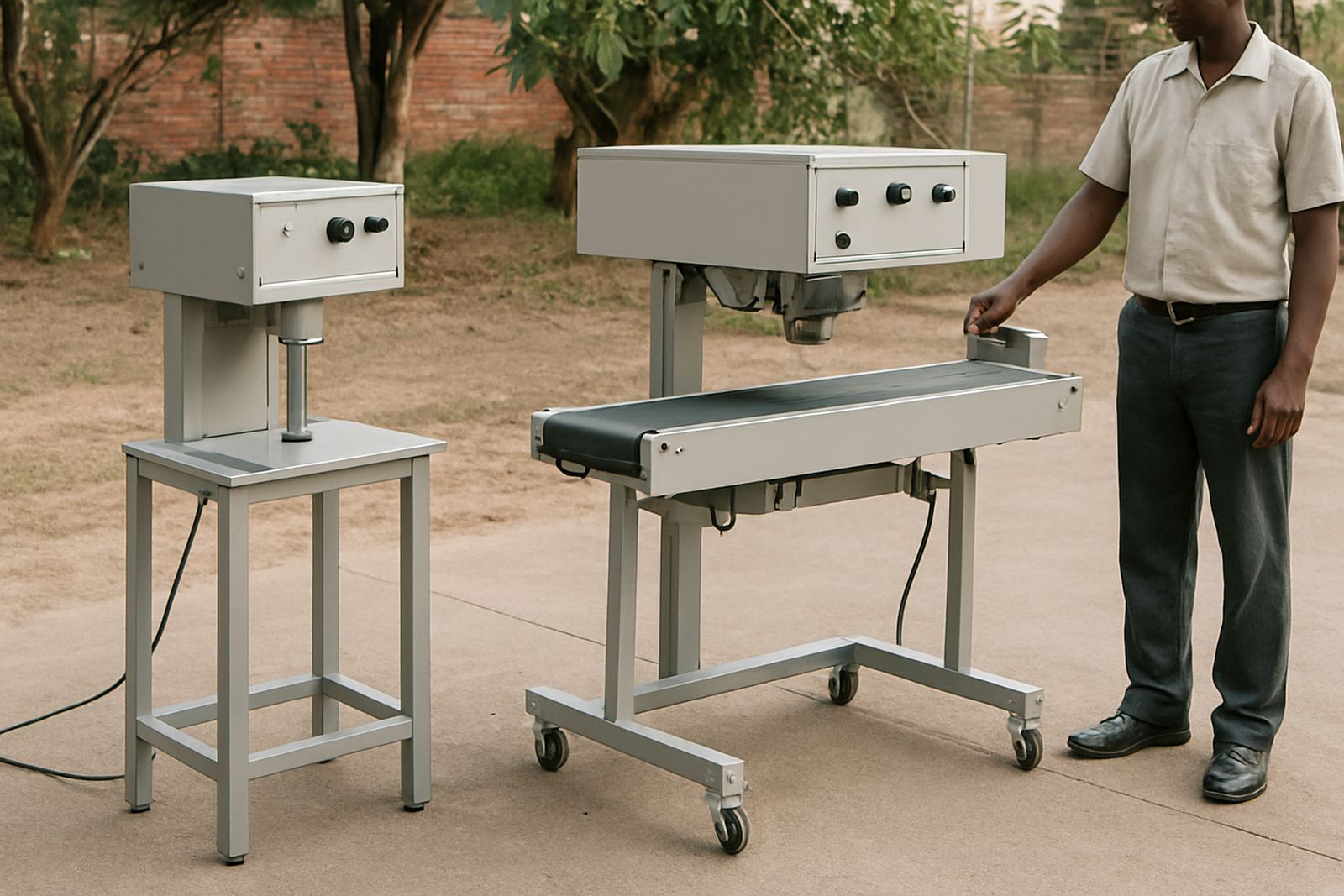
The right choice starts with your real production numbers. If you are sealing 300 to 1 500 bottles a day on mixed products, a bench unit often gives better control and lower upfront cost. If your line is running steady from 25 to 120 bottles a minute, an inline system usually saves time and keeps the bottle flow moving.
Look at what happens during a normal shift in Jacobs, Pinetown or Pietermaritzburg. Do operators stop often to change cap sizes, clear jams, or check liner placement? Batch sealing can suit small runs and frequent product changeovers. Continuous conveyor sealing suits repeat packs, fixed neck finishes and sites where the filler, capper and sealer must keep pace with the same output all day.
- Count bottles per hour, not just per day
- Note how many pack sizes you run in a week
- Check whether manual handling slows the line
- Include lunch breaks, changeovers and clean-down time
When a bench sealer is the better fit
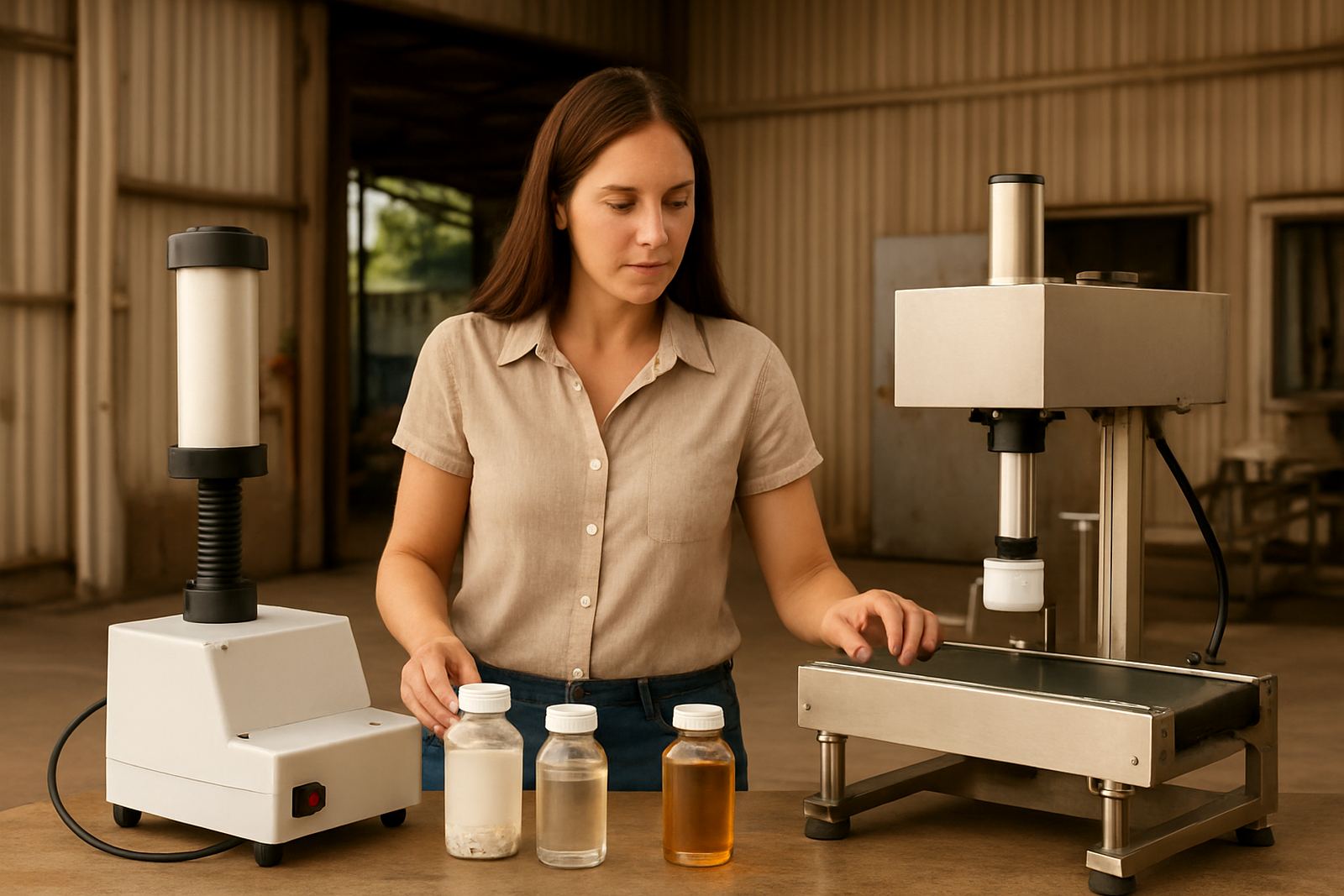
A bench sealer works well where flexibility matters more than sheer speed. It is a good fit for smaller pharmaceutical runs, pilot batches, contract packing, and sites testing new cap sizes or liner types. It also suits businesses that need a simple setup with one operator and a smaller footprint.
For operations in Durban or Richards Bay, a bench unit can be easier to place in a controlled room away from heavy traffic, dust and humidity. It is also useful where load-shedding is part of the day, because a smaller sealing station is easier to manage with backup power than a full conveyor line. The operator can stop, inspect and restart without risking a long run of unsealed packs.
- Best for short runs and frequent changeovers
- Useful where space is limited
- Easier to train new staff on
- Lower risk when batch sizes vary a lot
Bench sealing also helps where you need more hands-on quality checks. You can verify every cap type, test seal placement and confirm liner performance before sending product to filling, carton packing or dispatch.
When inline conveyor sealing makes more sense
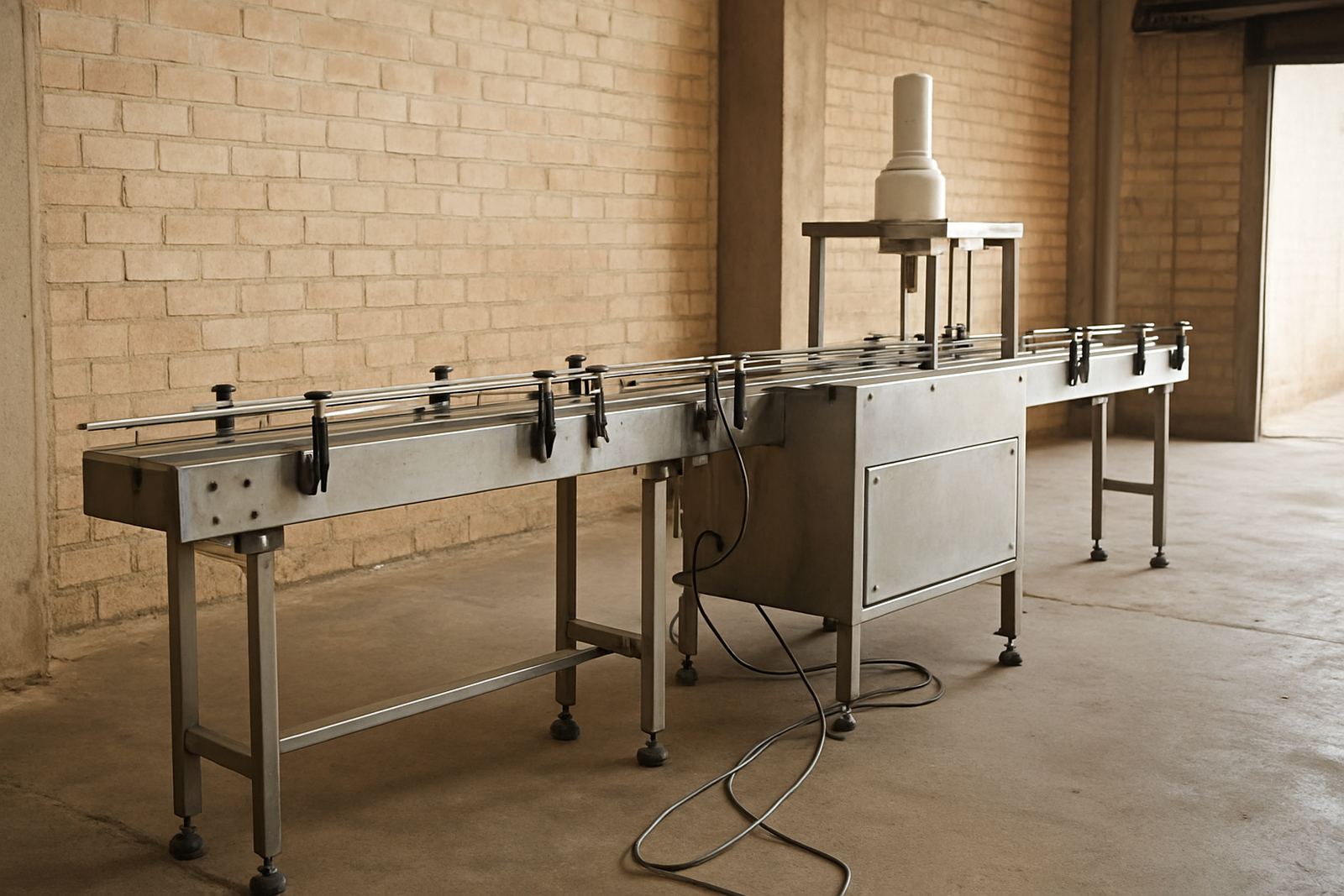
An inline system suits businesses that want a steady packaging flow with less manual handling. If your line fills, caps and seals in one movement, inline sealing helps reduce bottle queuing and keeps throughput predictable. It is usually the better choice for higher-volume food, chemical and pharmaceutical packaging where consistency matters shift after shift.
In busy plants, the big advantage is timing. Once the conveyor speed, head height and cap presentation are set properly, the sealer can work with the rest of the line rather than against it. That matters in larger Durban and Prospecton operations, where one stoppage can back up the whole pack area.
- Good for high and repeat volumes
- Reduces manual handling and bottle movement
- Supports tighter production planning
- Works well with line sensors and reject systems
Inline sealing does need better preparation. Your conveyor, guides, capping unit and sealing head must match bottle height, neck finish and line speed. If the line is badly aligned, the sealer will not solve the problem, it will only expose it faster.
A simple selection checklist for South African plants
Before you decide, walk the line and answer these questions in order. The answers will usually point to one option very quickly.
- How many bottles do we seal per hour on average?
- How often do we change pack sizes or cap types?
- Do we have steady power, or do we rely on generators and inverter backup?
- Is the product sensitive to contamination, moisture or tampering?
- How much floor space do we have near the filler and capper?
- Do operators need to inspect each bottle, or can the process run continuously?
If you answer high volume, fixed pack, limited handling and a stable line layout, inline is usually the better path. If you answer mixed packs, short runs, small team and frequent checks, a bench machine is often the more practical choice.
Also think about the environment. Coastal humidity in Durban can affect pack storage and liner handling. In hot inland areas, keep induction equipment away from direct heat and dust. Where municipal water is used for washdown, follow local sanitation rules so the sealing area stays clean and dry.
Set up, training and validation before full production
Whatever option you choose, start with a proper setup and a clear validation process. Site installation should confirm bottle height, cap fit, foil liner selection, conveyor speed and head alignment. After that, run seal tests on the actual production bottle, not only on samples.
Training matters just as much as the equipment itself. Operators need to know how to check seal strength, watch for misfeeds, confirm cap position and spot damaged liners before product leaves the line. In a busy plant, a few minutes of focused training can prevent a full day of rejects.
- Check cap and neck compatibility on every pack size
- Record seal test results for each new setup
- Set maintenance intervals for heads, belts and guards
- Keep a simple fault log for repeat issues
For sites with shift changes or multiple lines, written settings help keep results consistent. That is especially useful where different teams share the same sealer and one group may only use it a few times a week.
Choosing between batch and inline without overbuying
It is easy to overbuy when a line is expected to grow. A bigger machine is not automatically better if the product range is still changing. The safer approach is to match the sealer to current output, then plan for upgrades in stages.
Ask whether your next bottleneck is sealing, filling, capping or labelling. If sealing is only one part of a wider speed problem, buying a faster machine may not help much. On the other hand, if seal failures are causing complaints, returns or rework, the sealing step needs proper attention now.
For many South African operations, the best answer is the one that balances speed, control and support. A bench unit is often right for flexibility and smaller teams. An inline system is often right for continuous output and line efficiency. The better choice is the one that fits your bottles, your staff and your daily production reality.