Start with the production target, not the machine price
The first number to work out is your line speed. A small filling line in Jacobs or Pinetown will budget differently to a higher volume plant in Prospecton or Richards Bay, so count bottles per hour, bottle sizes and how many shifts you run. If the line stops often for changeovers, you may need a simpler sealer and stronger support plan rather than a bigger unit on paper.
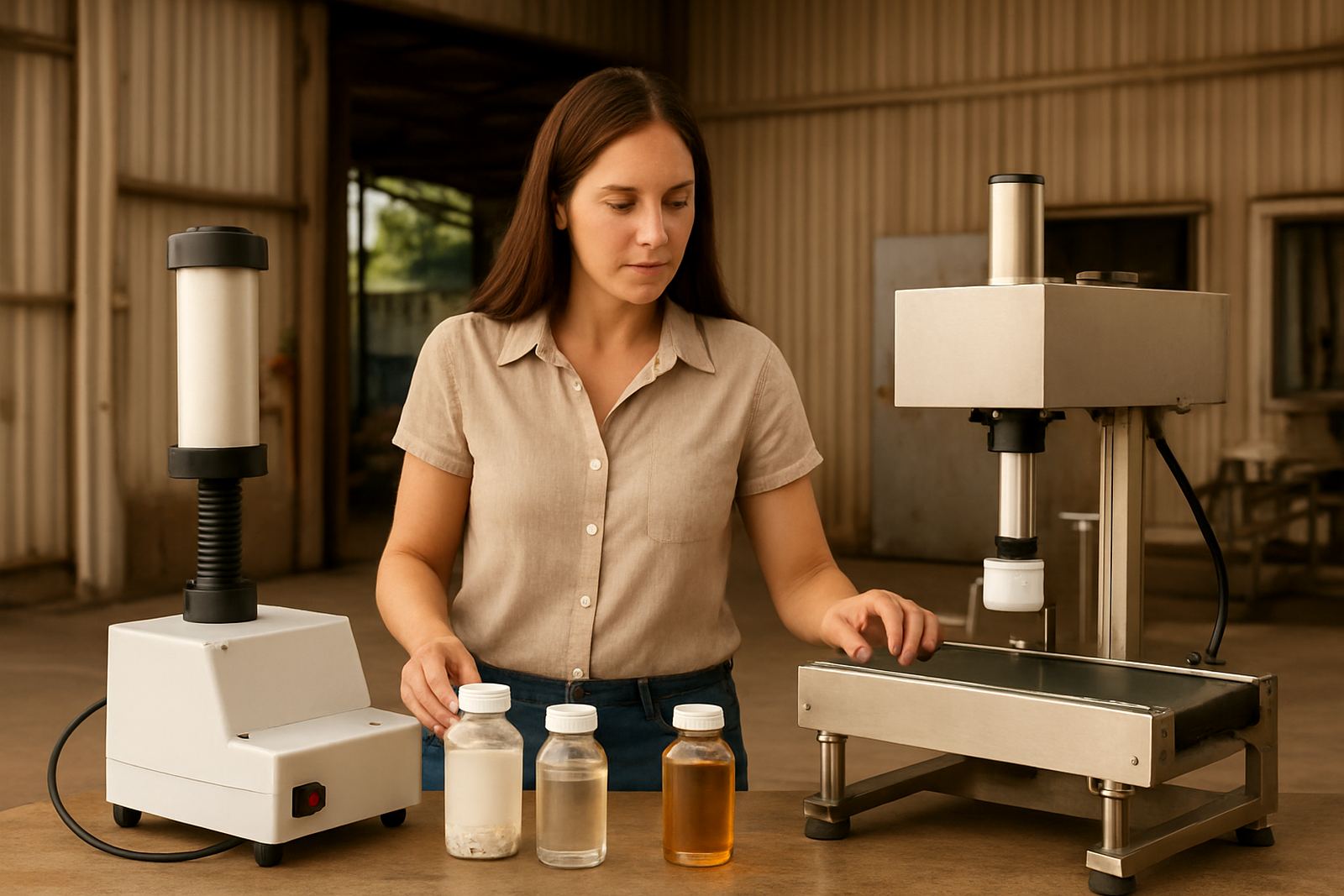
It also helps to list the pack types you seal. Flat caps, ribbed caps, different neck finishes and product types can all affect liner choice and sealing settings. If you are running pharmaceuticals, food or chemicals, budget for the seal standard you need, because a cheap liner that does not suit the cap or container can cost more in rejects and rework.
- Planned output per hour
- Number of shifts per day
- Cap sizes and container types
- Product sensitivity to heat, moisture or powder dust
- Any compliance or customer specification for tamper evidence
Allow for the full equipment package and the fitting work
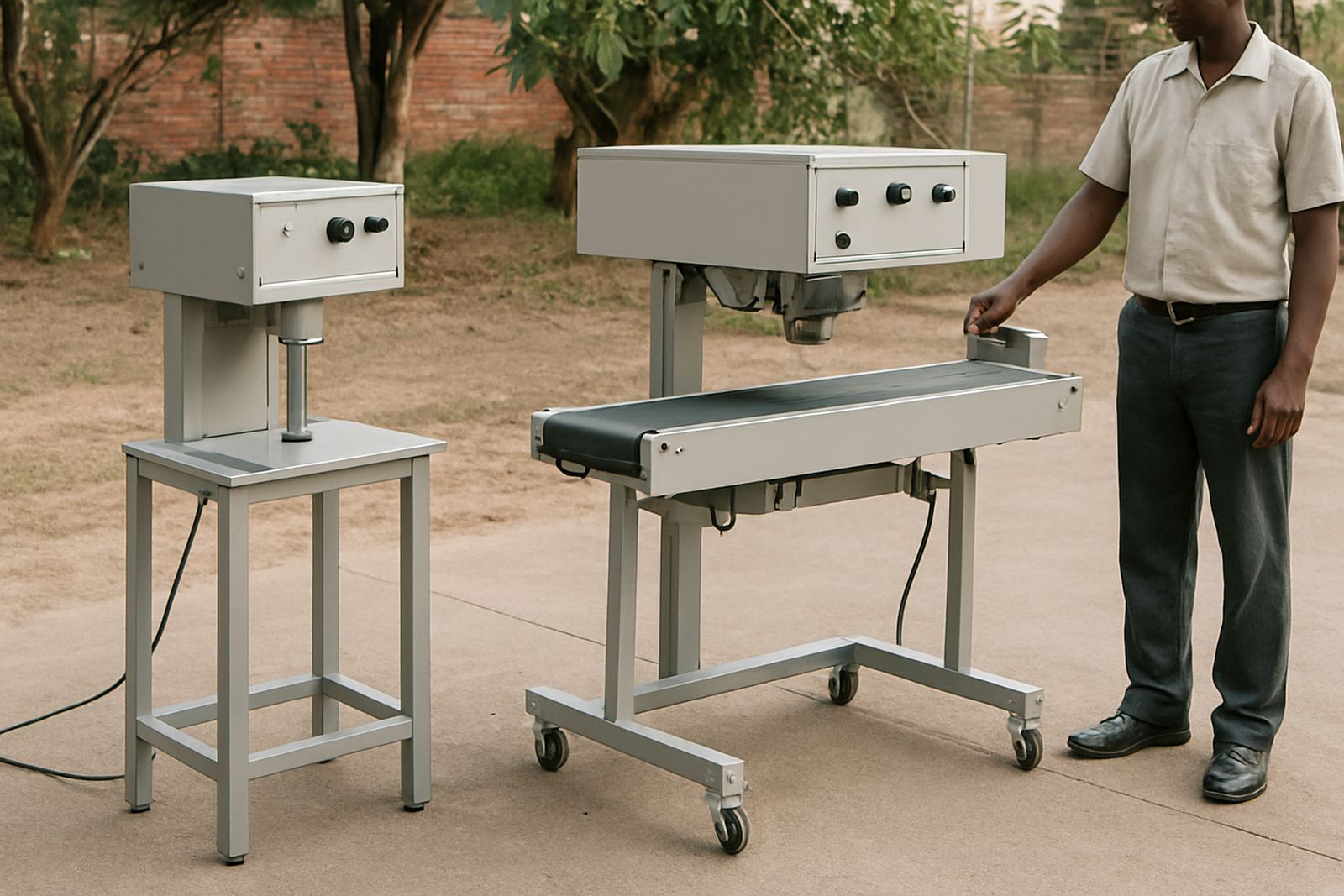
A proper budget should include more than the sealer itself. You may need a conveyor section, sensor brackets, mounting hardware, electrical connection work and line guards so the equipment fits safely into the existing pack area. In older plants, especially where space is tight, installation can take longer because the line has to be adapted around existing fillers, cappers and labellers.
Budget for commissioning as a separate item. Line set-up, trial runs and sealing validation take time, and that time has value. If your site has unstable power or load shedding risks, ask what backup protection is needed for the control side and whether the line needs restart checks after every outage. Near the coast, humidity can also affect storage of liners and finished packs, so a dry storage area may be part of the real cost.
- Sealing unit and any line integration parts
- Installation labour and travel to site
- Electrical connection and safety checks
- Commissioning, setup and performance testing
- Any site preparation or conveyor adjustments
Count liners, caps and seal-related consumables every month
Many buyers focus on the machine and forget the consumables that keep it running. Foil liners are a recurring cost and they should be matched to the cap material, neck finish and product. If a liner is wrong for the container, you can end up with poor seals, leaks or customer complaints, so matching matters as much as unit price.
Set a monthly allowance for liner stock, spare caps for trials and a safety buffer for order delays. This is especially useful if your supply chain crosses provinces or if you send product to branches in Pietermaritzburg, Richards Bay and beyond. Keep an eye on storage conditions too, because heat and moisture can affect some liner stock and packaging materials over time.
- Foil liners in the correct spec
- Trial stock for new bottle or cap changes
- Packaging waste from start-up and adjustment runs
- Spare caps used during seal validation
- Safe stock to cover delayed deliveries
Set aside money for training and operator control
Even a well fitted sealer will underperform if operators are not trained to set it up correctly. Budget for hands-on training on start-up, cap and bottle checks, sealing height, line speed and what to do when a seal fails. On busy shifts, one trained supervisor can save hours of stoppage because they know which settings to check first.
Training should cover practical points such as liner orientation, cap torque checks, bottle fill level and what to do when the line starts throwing inconsistent seals. In many plants the biggest losses come from small mistakes, not big breakdowns. A good training budget also helps with staff changes, because new operators need the same standard, not a rushed handover.
- Operator start-up and shutdown steps
- Basic fault finding and safe reset procedures
- How to spot poor seal formation early
- Record keeping for batch control
- Refresher training for new staff or new products
Plan for maintenance, spares and breakdown time
Any production line should include a maintenance allowance. Sealing heads, electronic parts, belts, sensors and wear items do not last forever, and a failed component can stop packing for the rest of the shift. In Durban conditions, with heat and humidity, regular cleaning and inspections become even more important, especially in food and chemical plants.
A sensible budget includes preventive maintenance visits, basic spares and a plan for breakdown repairs. Keep a small stock of the parts that would stop the line if they failed. If your production runs to tight delivery dates, the cost of one hour of downtime can be higher than the annual service allowance, so do not leave it out.
- Service visits at planned intervals
- Common wear parts and sensors
- Emergency repair call-out allowance
- Cleaning materials and inspection tools
- Record sheets for fault tracking and service history
Use a simple budgeting checklist before you place the order
Before committing, put all the items into one page and check them against your site conditions. That includes your electricity supply, floor space, product range, storage conditions and whether the line runs one shift or three. If your business has sites in Jacobs, Pinetown or Prospecton, it also helps to confirm who will manage spares, who calls for service and who signs off a validation run.
The best budgets are practical. They allow for the machine, the fitment, the liners, the training, the service and a reserve for the unexpected. That way the project does not stall after delivery because one small item was missed. It also makes internal approval easier because the full cost is clear from day one.
- Equipment cost
- Installation and commissioning
- Liner and consumable allowance
- Training and validation
- Maintenance, spares and repairs reserve
- Power, space and storage checks