Start with the product risk, not just the cap
Before you compare liner types, define what the seal must protect against. A lotion, acid cleaner, syrup or tablet bottle does not all face the same challenge. Some products need leak resistance only, while others need tamper evidence, oxygen control or protection against dust and moisture during storage and distribution. In Durban and Richards Bay, humid conditions can also affect how reliably a seal holds after filling and capping.
A simple way to start is to match the liner to the risk. If the main concern is leakage in transit, you need consistent closure pressure and a liner that beds down evenly. If the concern is product freshness, check whether the liner and bottle finish can support a stronger barrier. If the concern is customer safety, make sure the seal is visible and easy to inspect at packing line speed.
Match the liner to the bottle material and finish
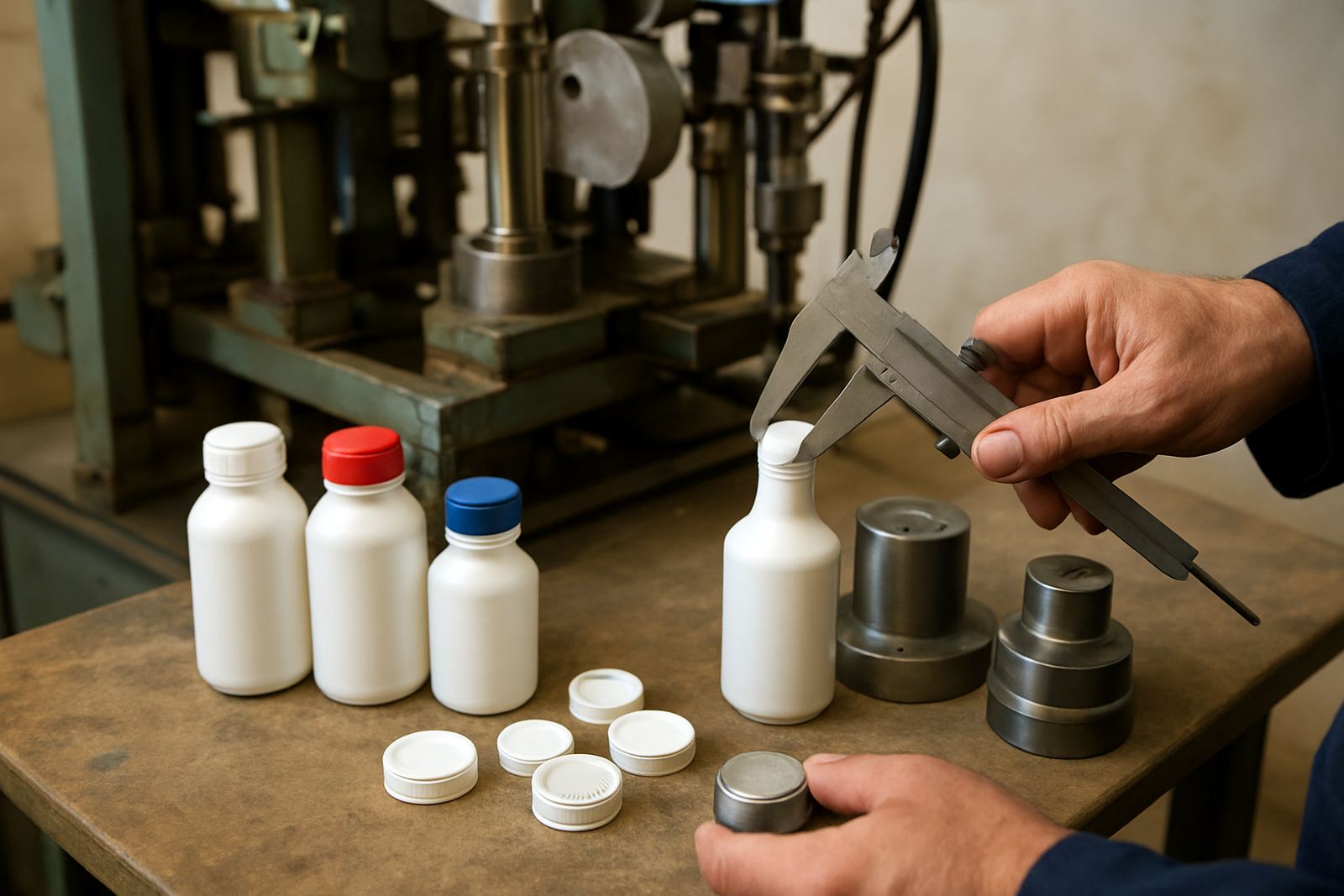
Bottle material matters because liners react differently on glass, PET, HDPE and other common pack types. A liner that works well on a rigid glass bottle may not perform the same way on a lighter plastic container that flexes slightly under cap torque. Neck finish also matters. Thread depth, land width and the flat sealing surface all affect contact.
- Check the bottle material first: glass, PET, HDPE or another plastic
- Confirm the neck finish size and thread style
- Look at the sealing land for scratches, mould marks or unevenness
- Test whether the bottle flexes when hand pressure is applied
- Make sure the liner can tolerate the product temperature at fill
If the bottle is supplied by more than one mould or source, ask for samples from each one. Small changes in neck height or ovality can cause weak spots in the seal, and that only shows up after the carton leaves the site.
Choose the right cap and closure setup
Foil liners must suit the cap material and the way the closure is applied. Plastic caps are common because they allow simple induction sealing, but the thread condition, liner retention and cap stiffness still need to be checked. A cap that feels fine by hand can still be inconsistent on a fast line if the torque varies or the thread slips.
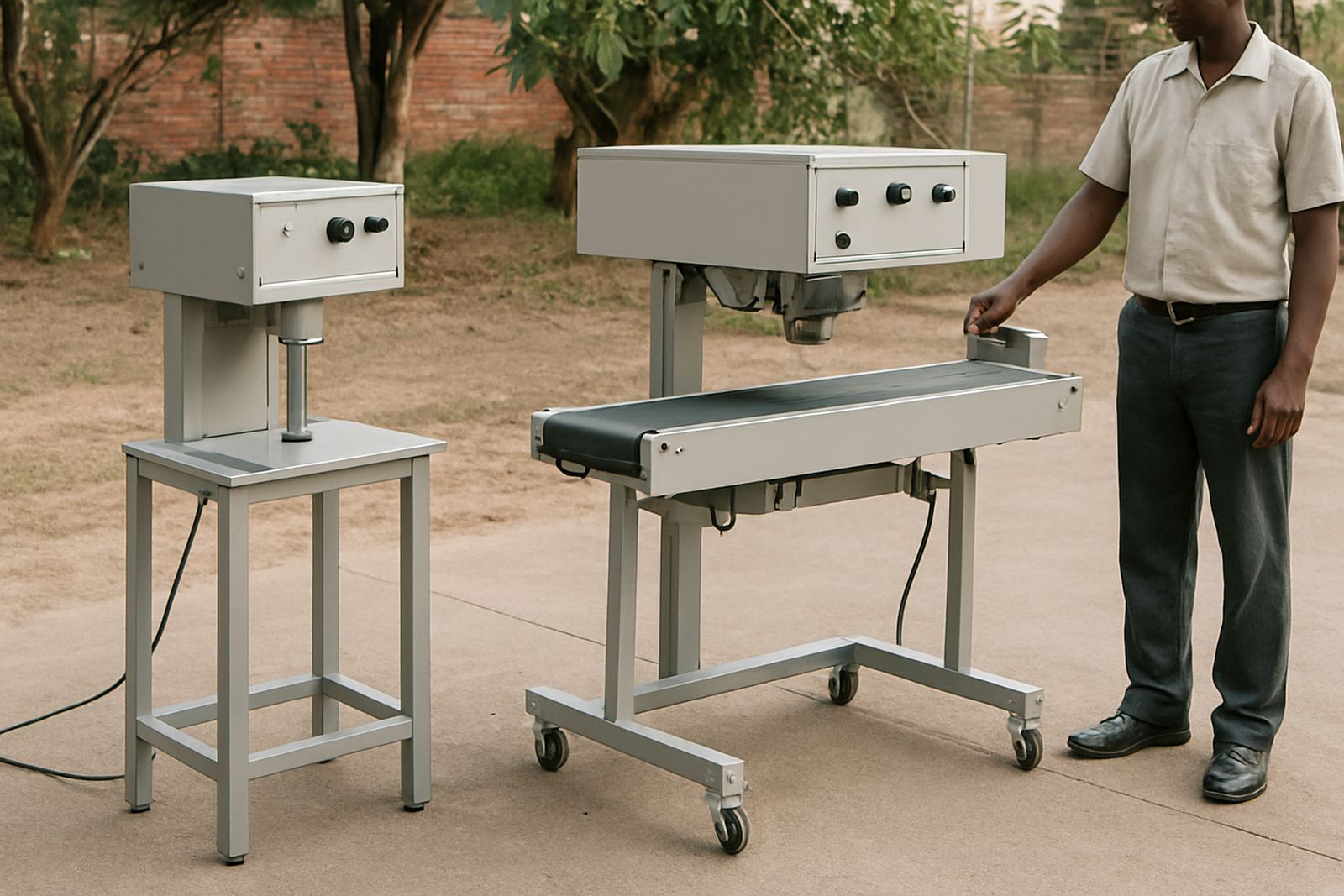
When choosing a liner, look at the full closure system, not only the liner sheet itself. The cap should sit squarely on the bottle, the liner should stay in position before sealing, and the induction head should be aligned to the cap size. If you change cap colour, resin, thickness or supplier, recheck seal results. A small change can alter heat transfer and seal pull strength.
- Confirm cap diameter and thread compatibility
- Check whether the cap holds the liner centrally
- Review cap torque on the filling line
- Inspect for distortion after capping
- Test at actual line speed, not only on a bench sample
Decide what kind of protection the liner must give
Different foil liners are used for different jobs. Some are designed mainly for tamper evidence, others for leak prevention, and some for better barrier performance. In food and pharmaceutical packaging, the liner choice can also affect shelf life, odour retention and the ease of opening at the point of use. Chemical products may need stronger resistance to product vapour and more careful liner matching.
Ask three questions: Will the product touch the liner directly? Does the product give off vapour? Must the seal remain intact after long truck runs, stacking or warehouse heat? If the answer is yes to any of these, the liner specification should be checked before production starts. It is cheaper to test early than to deal with returns, rework or broken seals after dispatch.
Use a simple trial method before full production
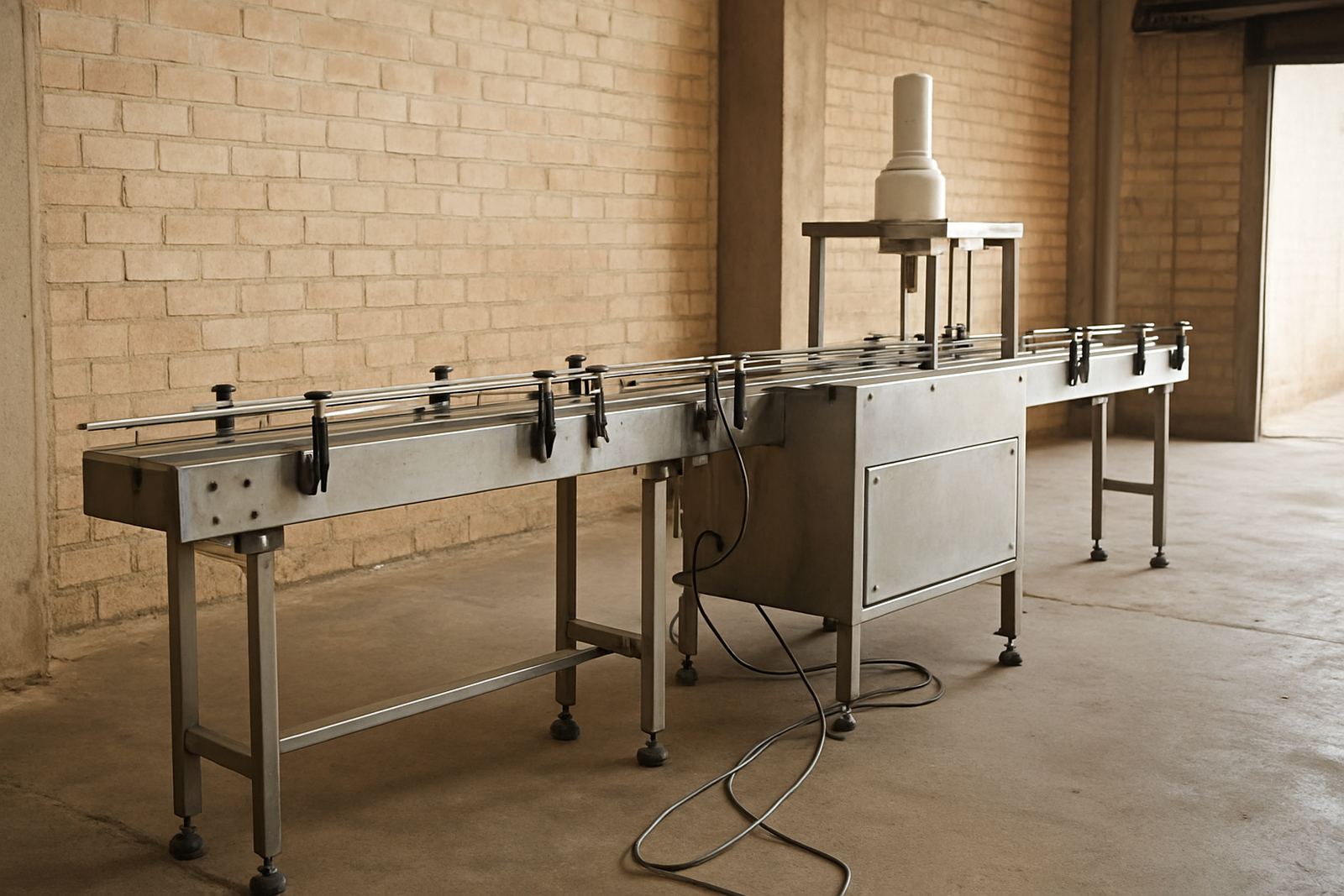
A proper liner trial should include the real bottle, the real cap and the actual filling conditions. Do not rely on a single hand-tightened sample. Set the cap torque to the normal production value, run the induction sealer at the intended conveyor speed and check the first, middle and last bottles from the trial batch. If your line runs through load-shedding recovery periods, also test after power interruptions because start-up conditions can shift alignment and heat consistency.
- Run at least 20 to 30 bottles per trial batch
- Check for full seal transfer around the neck
- Invert bottles where product safety allows it
- Inspect for wrinkles, scorch marks or partial seals
- Record torque, speed, cap type and fill level
A good result on one shift does not guarantee the same outcome all week. Keep the trial record and use it when ordering repeat stock or when new operators take over the line.
Keep seal quality stable after installation
Once the liner is selected, the work is not finished. Seal quality depends on machine setting, operator handling and routine checks. In our Jacobs, Durban base we often see good liner choices let down by poor cap storage, dust on the sealing head or worn parts on the line. Along the coast, moisture can also affect storage cartons and liner condition if they are kept in open areas.
A practical maintenance routine helps protect output. Store liners dry and flat, keep caps clean, verify head height after cleaning, and inspect seals at the start of each shift. If you are sealing at multiple sites in Durban, Pinetown, Prospecton or Pietermaritzburg, use the same check sheet at every line so faults are picked up early and corrected before product leaves the site.
Buyer checklist for the next order
When you are ready to order foil liners, use a simple checklist so the right specification is supplied the first time. This saves time for procurement, production and quality control, and it also helps when you need a replacement liner after a product change.
- Bottle material and neck finish confirmed
- Cap size, thread and closure material checked
- Product type and required barrier level noted
- Line speed and sealing method recorded
- Trial result approved by production and QA
- Storage conditions for liners agreed
If you are unsure, ask for liner matching before you place a full order. A short site check can prevent waste, reduce stoppages and keep the filling line running properly. For South African packers, that matters just as much as the liner itself.