Start with your bottle, cap and product details
Before you compare machines, write down exactly what you are sealing. The bottle material, neck finish, cap type, fill level and product chemistry all affect seal quality. A line that packs 1 litre plastic bottles for chemicals will need a different setup from a small pharmaceutical pack or a food jar. If the cap height varies a lot, or if the bottle top is uneven, the sealer must cope with that without burning the liner or missing the seal.
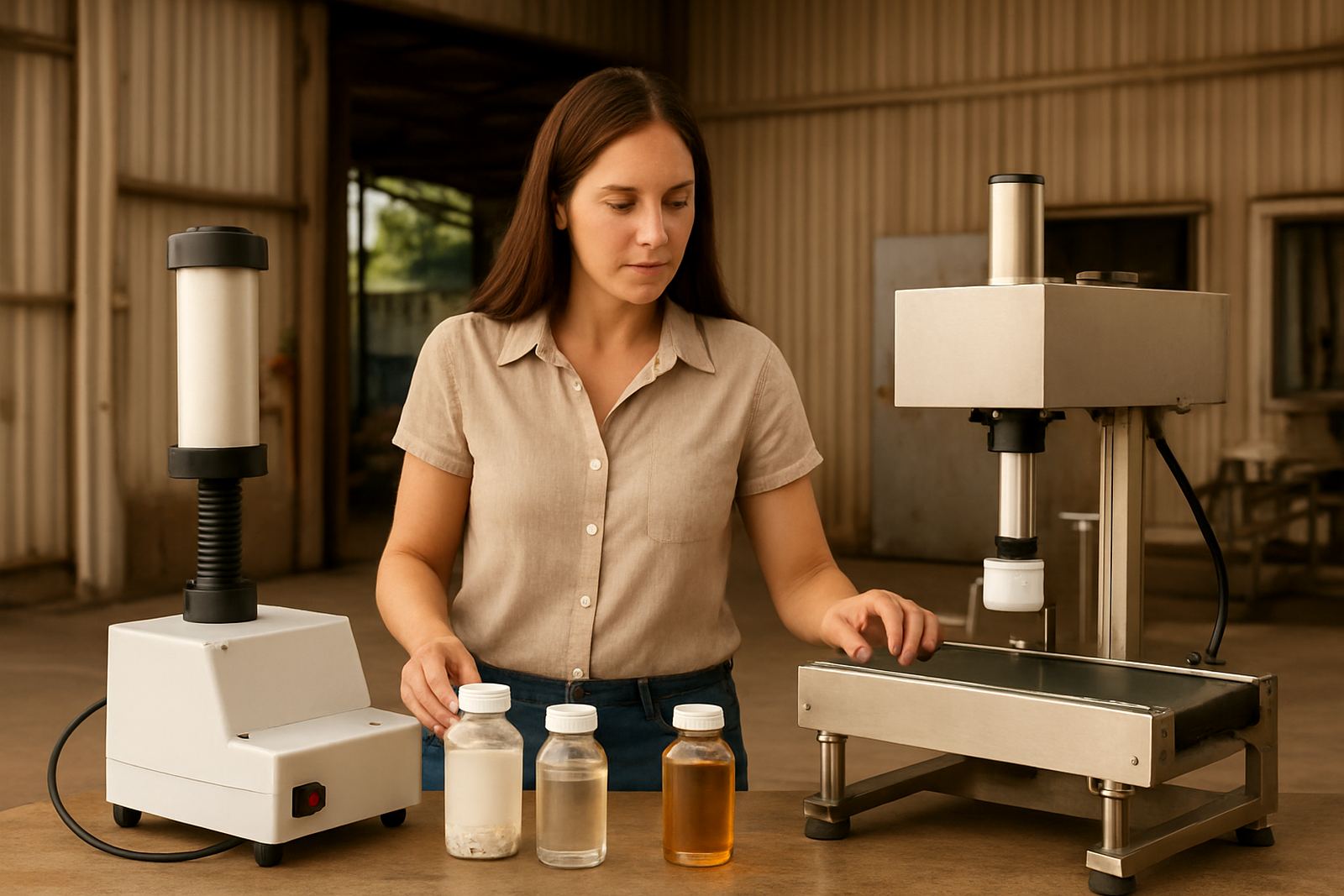
Ask your supplier to check samples, not only drawings. In practice, a live sample tells you more than a spec sheet. On first buy projects, we often see issues from a cap that is slightly too deep, a foil liner that is wrong for the container, or a bottle shoulder that sits too close to the induction head.
- Bottle material: PET, HDPE, glass, or other
- Neck size and finish: for example 28 mm, 38 mm, or larger
- Cap style: screw cap, child resistant, or tamper evident
- Product type: powder, liquid, acidic, solvent based, or oily
- Fill speed and pack size on the line
Check liner compatibility before you commit
The machine does not seal by itself. The foil liner must match the cap, the bottle and the product. For food and pharma packs, the wrong liner can cause poor peel, weak bond, or product interaction. For chemical packs, heat and resistance matter even more. A good supplier will help with liner matching so the seal is strong without damaging the container or product.
Ask what happens if you change bottle supplier later. Some liners work well on one resin and poorly on another. If you pack into bottles from more than one mould or one supplier, test all of them. It is also worth checking storage conditions, because liners can be affected by dust, humidity and rough handling in warehouse areas around Durban and the coast.
- Confirm liner type for each product range
- Ask for seal trials on your actual bottles
- Check shelf life and storage needs for liners
- Find out whether the liner is suitable for your cap torque
- Make sure tamper evidence is clear to the end user
Match the machine to your line speed and power supply
Many first-time buyers focus on output, but the real question is whether the sealer can keep up with your filling and capping line. If the line stops for long periods, or if the induction head is too slow, your production target will slip. At the same time, South African sites still deal with load shedding and voltage swings, so power quality must be part of the decision.
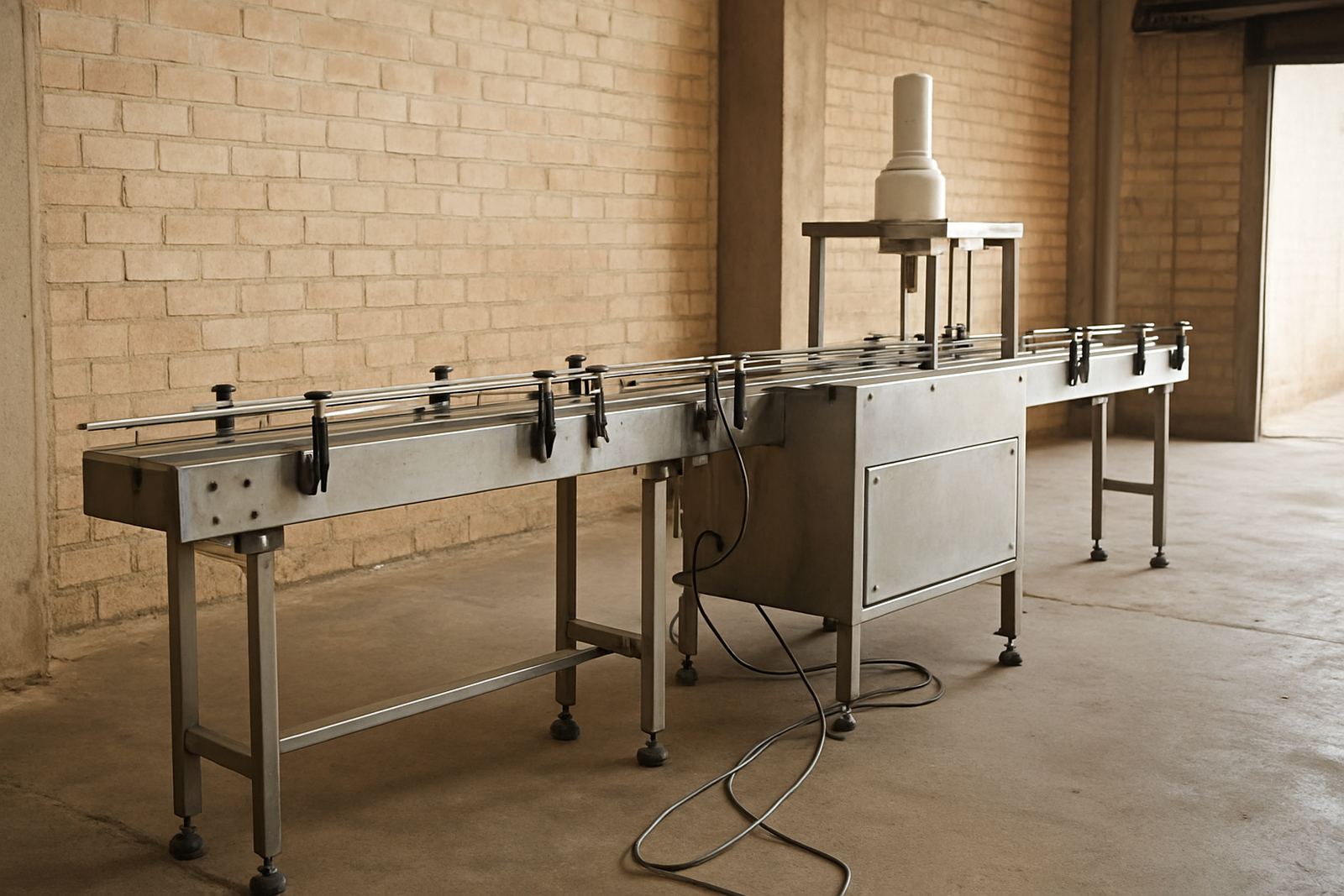
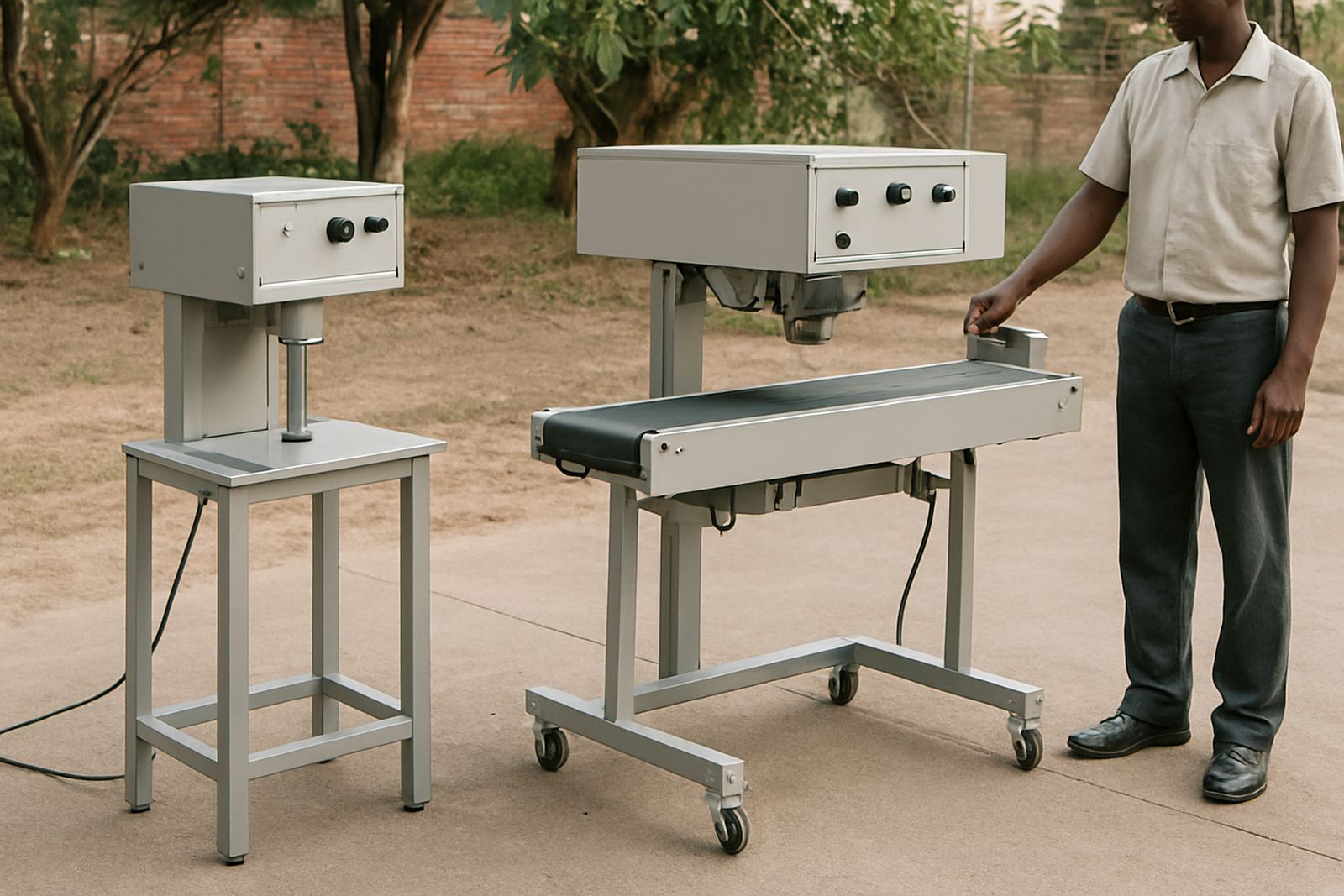
Ask whether the machine is suited to manual, semi-automatic or inline use. For smaller operations, a compact unit may be enough. For higher volume sites in Jacobs, Pinetown or Prospecton, a line mounted system with proper controls and alignment usually makes more sense. Check if the machine needs single phase or three phase power, what backup support is needed, and whether it can restart safely after an outage.
- Current line speed in bottles per minute
- Available power at site, including backup power
- Space around the capping and sealing point
- Operator access for loading and clearing jams
- Expected growth in the next 12 to 24 months
Look at operator training and day to day controls
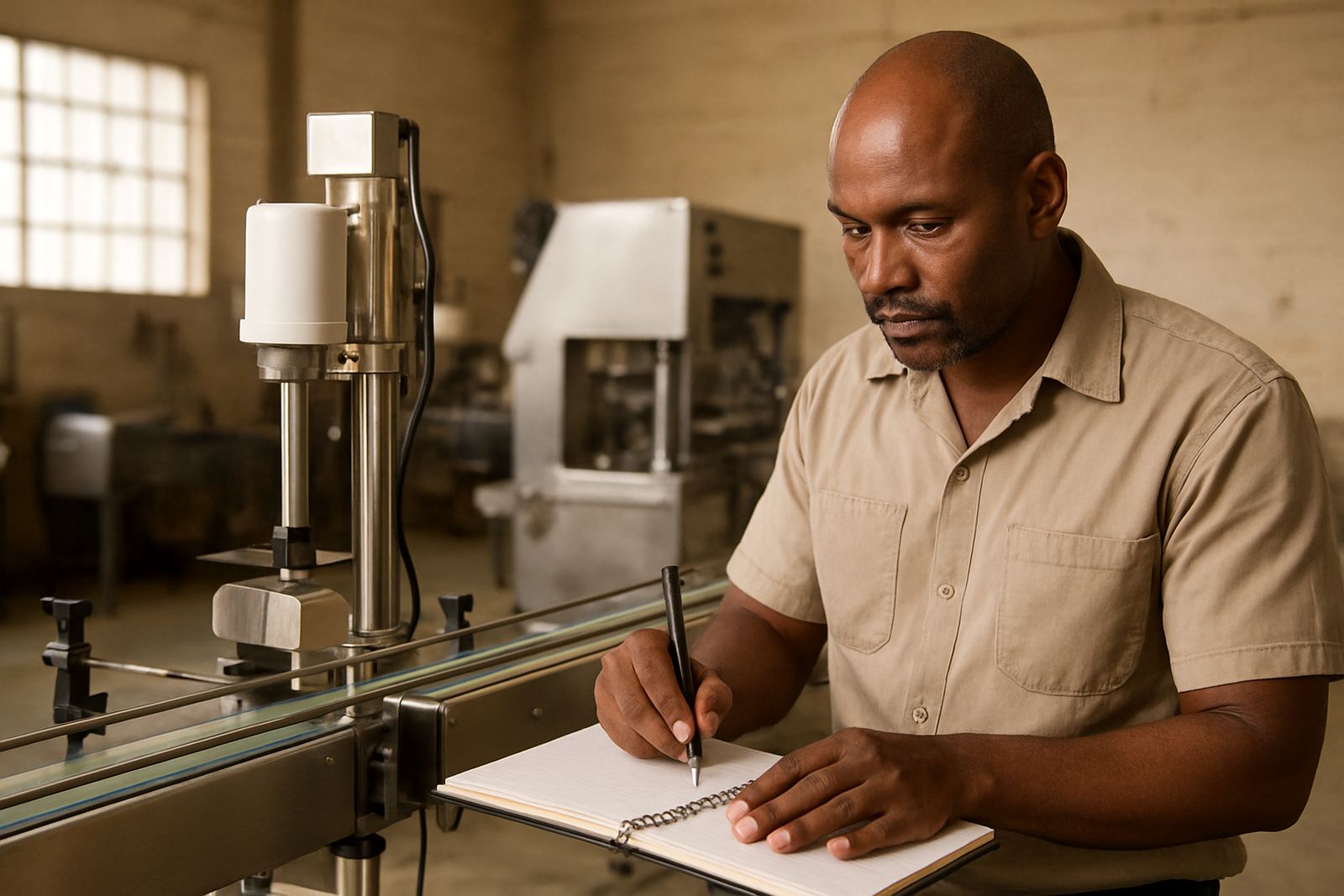
Even a well selected machine can underperform if operators do not understand setup, height adjustment and fault checking. Before you buy, ask what training is included and who will train your team. A practical handover should cover setup, liner feed, head height, seal checking and what to do when seals look uneven. That helps prevent wasted packs and reduces downtime.
Simple controls matter. If the machine is difficult to adjust, your team may leave it on the wrong setting after a changeover. In a busy plant that leads to weak seals or foil damage. Good training also helps supervisors spot small problems early, before they turn into batch rework or complaints from customers.
- Can operators set up the machine without calling for help every time?
- Are settings clearly marked and easy to repeat?
- Is there a quick method for checking seal quality during a shift?
- Will the supplier train both operators and supervisors?
Plan for installation, maintenance and spares from day one
Your first sealer should come with a support plan, not just a delivery date. Ask who installs the unit, who commissions the line and how repairs are handled if something fails. In Durban and other coastal areas, moisture and dust can affect electrical parts and moving components, so preventive maintenance is not optional. It is cheaper to service a unit before trouble starts than to wait for a breakdown on a packed production day.
Check which spares are kept locally and how quickly they can be supplied. If a critical part takes weeks to arrive, your packing schedule is exposed. It also helps to ask whether remote support is available for setup questions and minor faults. That can save time when a line is stopped and you need a quick answer, not a long wait.
- Installation and commissioning support
- Preventive maintenance intervals
- Local spares for wear parts and consumables
- Breakdown response times
- Remote support for troubleshooting
Use a simple buying checklist before you sign
When the quotes start arriving, compare them on more than just the Rand amount. A lower price can become expensive if the machine is undersized, hard to maintain, or not suitable for your bottles. Use a short checklist and score each option on fit, support and future use. That keeps the decision practical and stops you buying a unit that looks fine on paper but struggles on the floor.
If possible, ask for a trial seal on your own container before placing the order. Check the seal after normal handling, storage and transport. If the pack is meant for pharmacy shelves or chemical dispatch, test it under the same conditions your customers will see. One good trial can save a lot of trouble later.
- Does the machine suit your product and bottle range?
- Have liner samples been tested on actual packs?
- Is the power supply suitable for your site?
- Are training, spares and maintenance included?
- Can the supplier support you in Jacobs, Durban, Pinetown, Pietermaritzburg or further afield?
Once those boxes are ticked, you are in a much better position to buy with confidence. The right first sealer should give you repeatable seals, fewer rejects and a line that is easier to run day after day.