Built for larger tub and jar closures
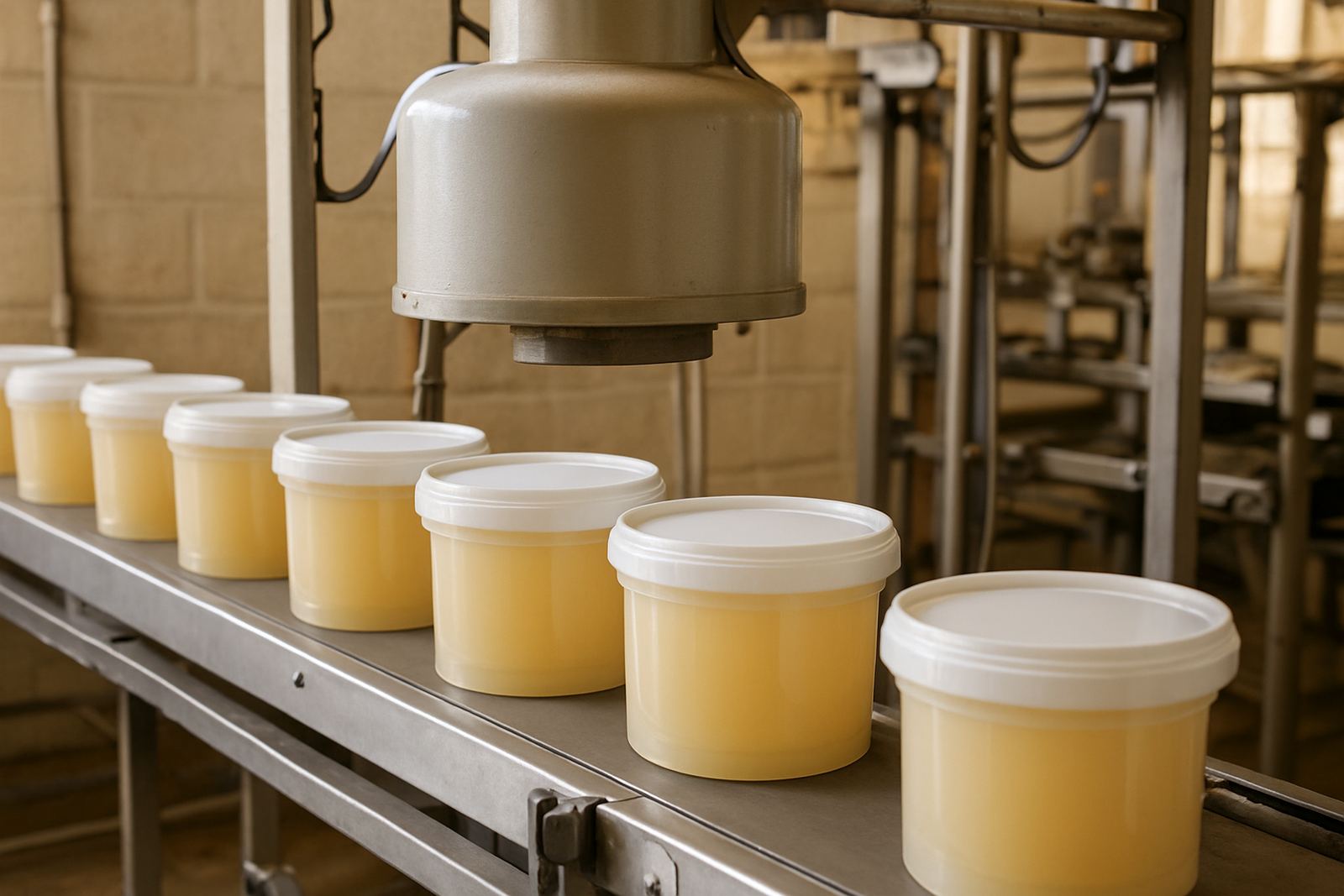
Wide neck sealers are made for containers with bigger mouth openings, usually where product is packed into tubs, jars, wide neck bottles or short-bodied containers. The machine uses induction sealing to bond a foil liner to the container mouth, creating a clean tamper-evident seal without heat from direct contact. That matters on products that need a neat presentation and a dependable closure under transport, warehouse stacking and retail handling.
In South African production lines, this type of sealer is commonly used on food, pharmaceutical and chemical packs where a wider neck needs better coverage than a standard cap sealing head can give. It is practical for factories in humid coastal areas like Durban and Richards Bay, where liner performance and closure consistency can be affected if settings are not matched correctly.
- Suitable for larger cap diameters and wider neck containers
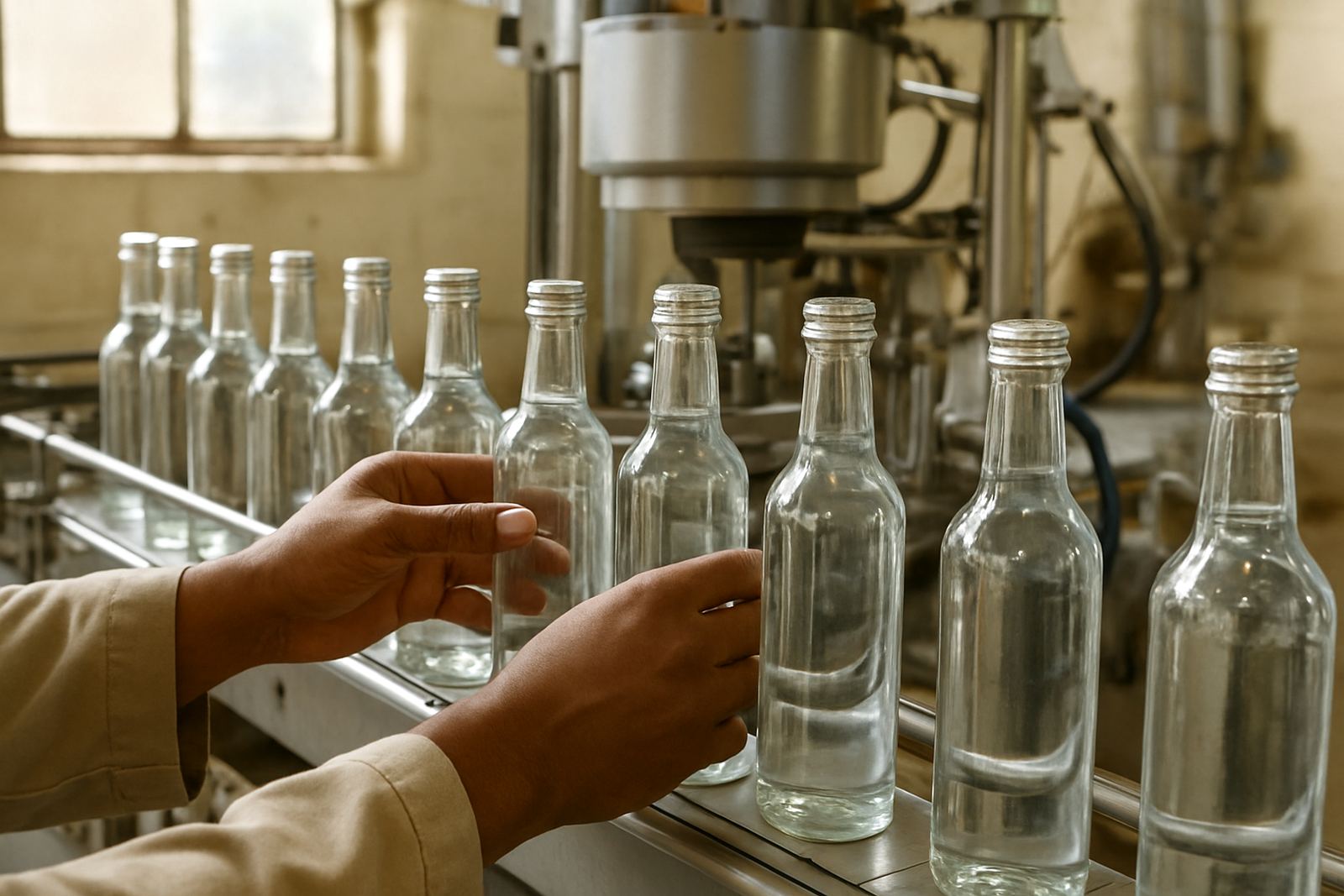
- Works with lined caps on tubs, jars and wide mouth bottles
- Helps reduce leaks, tampering and product spoilage
- Can be integrated into manual, semi-automatic or inline packing lines
Sizes, sealing heads and container options
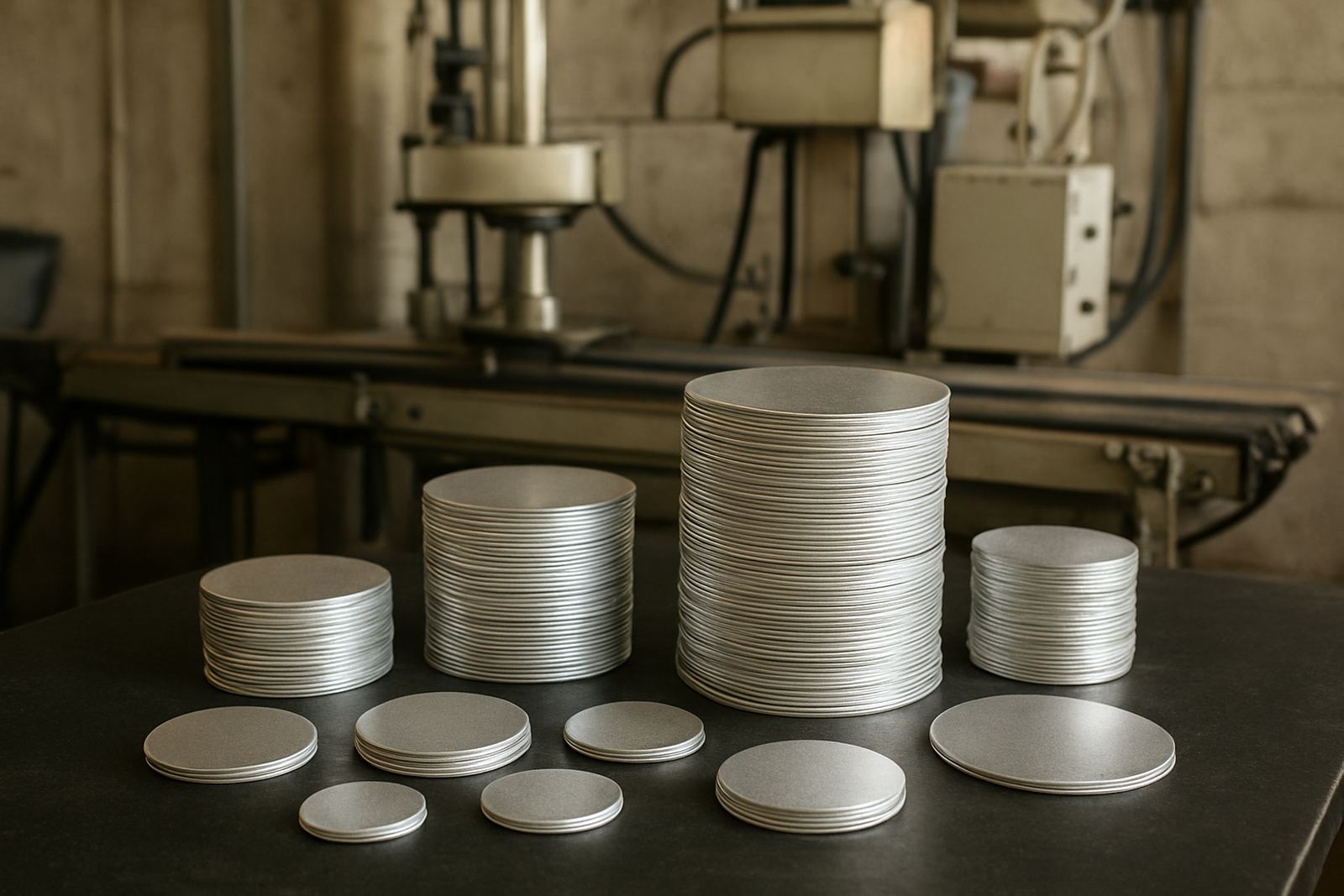
The right wide neck sealer depends on your cap diameter, liner material, line speed and whether the container is plastic, glass or another approved pack type. Seal heads are selected to cover the closure correctly, because poor alignment on a wide mouth can lead to patchy seals or lifted liners. For some packs, a flat head is enough, while others need a deeper or larger diameter head for full coverage.
As a rule, the machine should be matched to the widest closure in your range, then adjusted for the smaller formats if you run more than one pack size. This is common in food plants that pack spreads or dairy-style tubs, and in chemical plants where a larger jar is used for powders or treatment products. If you are changing packs often, a quick-change head or adjustable conveyor guide can save a lot of time, especially when operators are under pressure on a two-shift line and load-shedding already eats into production hours.
- Typical closure range: 38 mm to 120 mm and above, depending on the model
- Container heights can be matched to short tubs or taller jars
- Options for manual, semi-automatic, or conveyor mounted operation
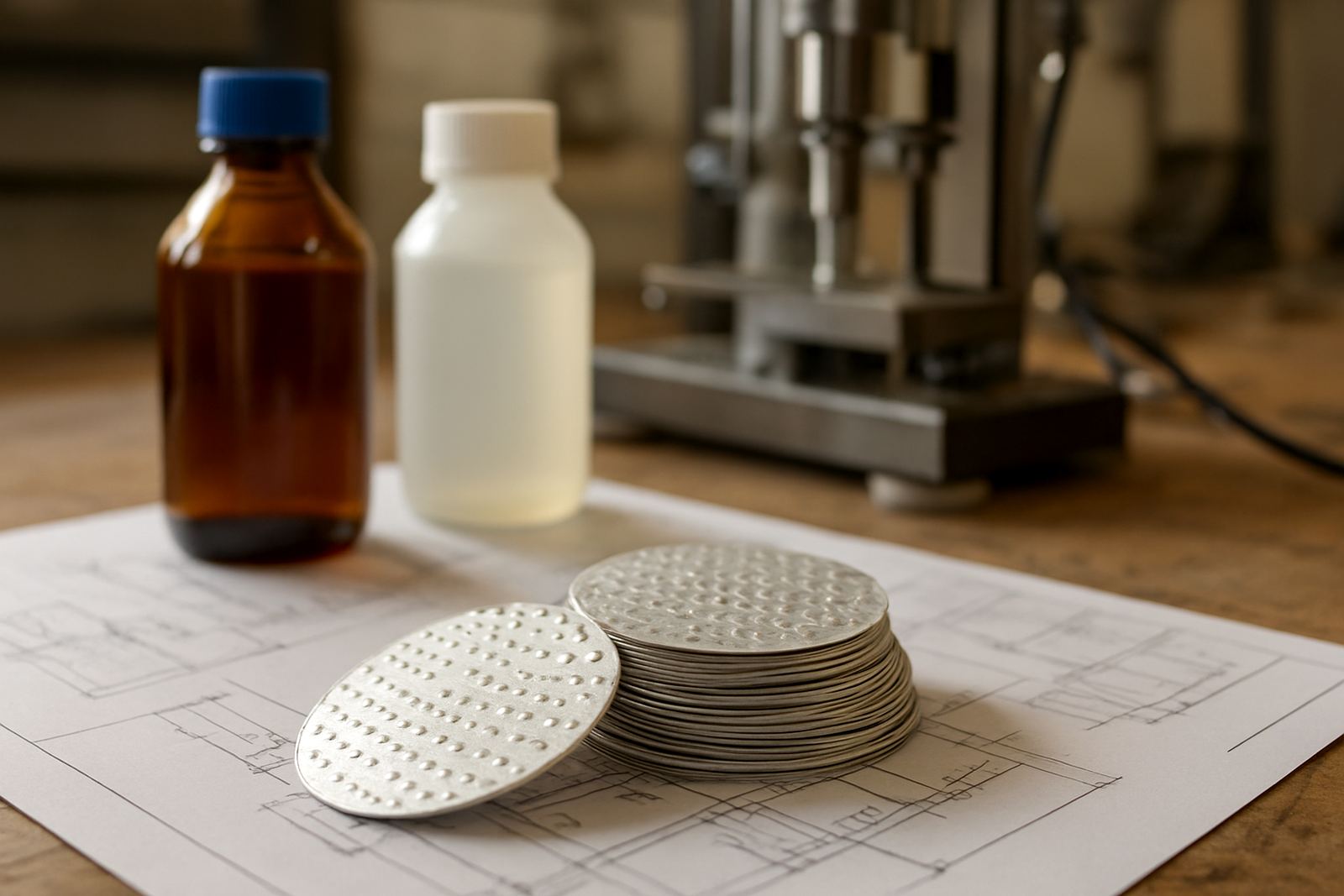
- Suitable for foil liners supplied in heat-seal or induction formats
Where a wide neck sealer suits best
This equipment suits operations that need a secure seal on larger mouths without forcing the cap design into a standard sealer setup. It is widely used in food packing rooms, pharmaceutical filling areas, cosmetic plants, and chemical product lines. In Durban and the surrounding industrial zones, the added benefit is protection against humidity and handling damage during storage before the goods leave for inland depots or coastal distribution.
It is also a sensible choice for businesses that pack in smaller batches but need proper control over quality. That includes contract packers, specialist manufacturers, and factories that run mixed SKUs through one line. Where municipal or customer requirements call for clear tamper evidence, a sealed liner gives a visible sign that the pack has not been opened since filling.
- Food: spreads, sauces, powders, supplements and portion tubs
- Pharmaceutical: creams, ointments, tablets and dry goods
- Chemical: cleaners, additives and industrial treatment products
- Personal care: balms, gels, and wide mouth retail jars
Installation, line setup and power needs
Installation depends on whether the sealer is used as a standalone unit or placed into a conveyor line. Bottle Sealers provides site installation and line commissioning so the machine is set at the correct height, aligned with the cap path and tested on the actual pack. If the line already has a filling machine or capper, the sealing head must sit where the container arrives consistently and the cap is fully applied before induction takes place.
Most wide neck sealers need stable single-phase or three-phase power depending on output and model size, and the electrical supply should be checked before delivery. If your site has frequent power dips or scheduled outages, it is worth planning for surge protection and an orderly shut-down process. Some installations also need compressed air for handling or positioning, although this depends on the machine configuration. On a busy floor in Jacobs or Pinetown, tidy cable routing and simple operator access make a big difference to uptime.
- Power supply to be confirmed before installation, usually 220 V or 380 V depending on model
- May require a clean, level floor and enough space for infeed and discharge
- Compressed air may be needed on certain line configurations
- Commissioning includes test sealing, height checks and operator handover
Care, servicing and seal validation
Like any production machine, a wide neck sealer works best when it is kept clean and checked regularly. The sealing head should be kept free of dust, spilled product and carton debris, and the conveyor or guide rails should be inspected so containers travel square under the head. Where foil liners vary from batch to batch, seal validation should be done after each liner change or material change, not just when there is a failure.
Preventive maintenance helps avoid the common causes of seal trouble such as worn components, loose guides, incorrect head height and unstable power supply. Bottle Sealers supports preventive maintenance, breakdown repairs and remote support nationwide, with service coverage from Durban, Pietermaritzburg and Richards Bay through to inland sites. A good service routine normally includes temperature and timer checks, mechanical inspection, cable and sensor checks, and a test run on live product. Miss one of those and you can lose a full pallet before the fault is spotted.
- Keep sealing area clean and dry between shifts
- Check liner fit and cap application before production starts
- Run seal validation after liner or container changes
- Schedule preventive maintenance to reduce stoppages
What to confirm before you order
To recommend the correct wide neck sealer, Bottle Sealers will usually ask for the container drawing or a sample pack, cap diameter, liner type, target line speed and product category. It also helps to know whether the line is manual or conveyor based, and whether the packs are plastic or glass. For mixed runs, list the smallest and largest container you plan to seal so the head and support settings can be chosen properly.
You should also confirm the available power on site, the space around the machine, and whether the line will be commissioned in Jacobs, Pinetown, Prospecton or another local plant. If you need liner matching, send the cap and container details early so the sealing material can be selected before installation. That saves time and avoids buying the wrong liner spec, which is a common mistake on new pack launches.
- Cap diameter and container neck size
- Container material, fill type and closure style
- Required output per hour and line layout
- Power supply, air supply and floor space available
Key facts
| Machine type | Wide neck induction cap sealer for tubs and jars |
|---|---|
| Closure range | Typically 38 mm to 120 mm+, model dependent |
| Container types | Tubs, jars, wide mouth bottles and specialty packs |
| Operation | Manual, semi-automatic or inline conveyor setups |
| Power | 220 V or 380 V options, confirmed to model and output |
| Support | Site installation, commissioning, training, repairs and spares supply |