What vented liners do in a sealed container
Vented liners are special cap liners made to help manage pressure inside a container without compromising the seal under normal handling. They are used where product temperature changes, altitude shifts, or ongoing gas release can cause a bottle or drum to swell. In the right application, the liner helps reduce container distortion, cap lift and leakage around the closure.
These liners are not a general replacement for every sealing method. They are chosen for specific product behaviours and container formats, and they must match the cap, neck finish and induction sealing setup. For some packs, a vented liner works alongside an induction seal; for others it is part of the overall closure specification from the start.
At Bottle Sealers, we help customers match the liner to the application, whether the site is in Durban, Pinetown, Pietermaritzburg, Richards Bay or further afield. The aim is practical: keep the pack closed, manage pressure and protect the product through storage, transport and everyday use.
Sizes, materials and liner options we supply
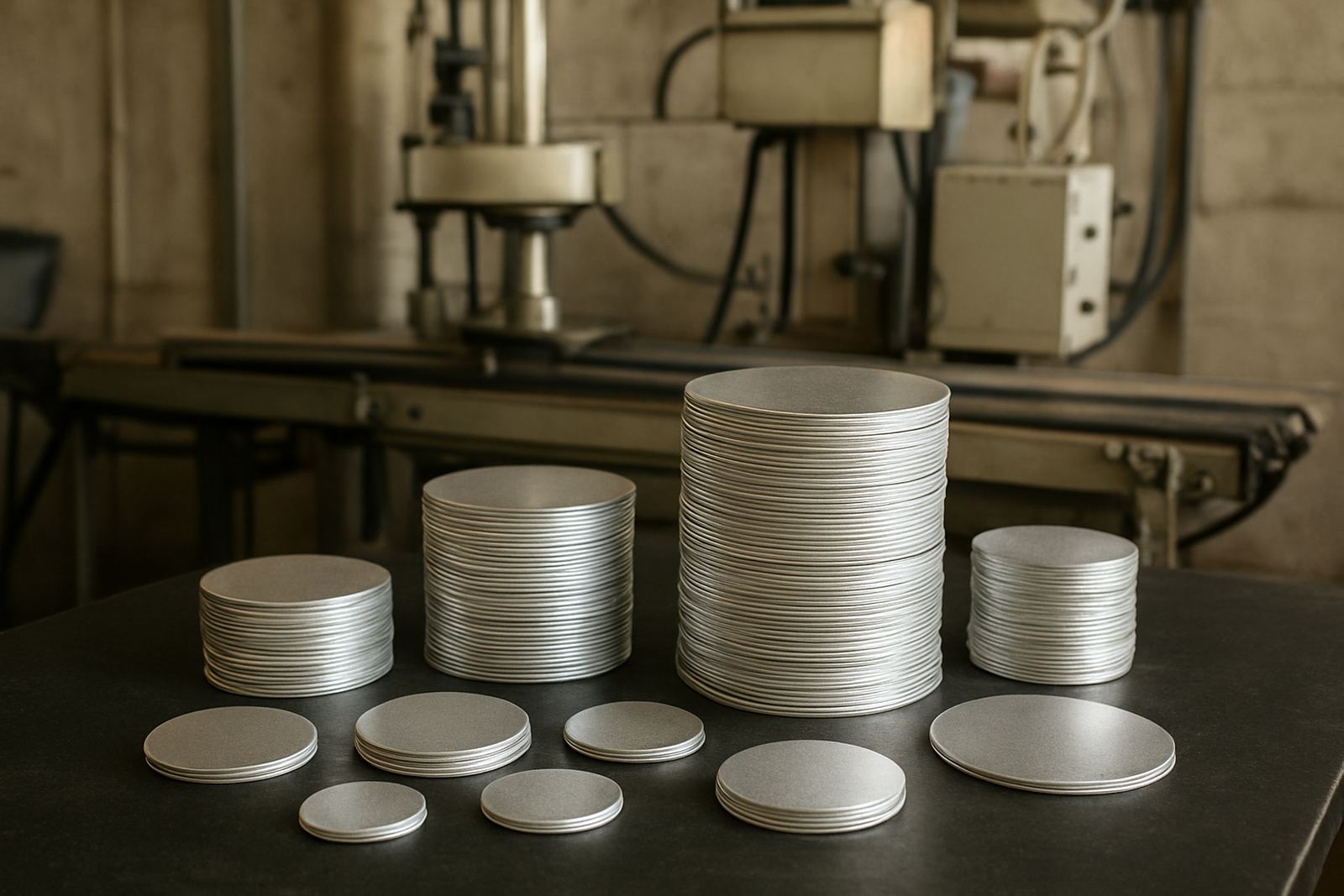
Vented liners are available in a range of diameters and constructions to suit common bottle caps and closures. Selection depends on the neck size, cap type and the behaviour of the packed product. We work with standard round liners as well as liner formats for more specialised caps used in pharmaceutical, food and chemical packaging.
- Common diameters: 20 mm, 22 mm, 24 mm, 28 mm, 30 mm, 38 mm, 48 mm, 53 mm and larger sizes on request
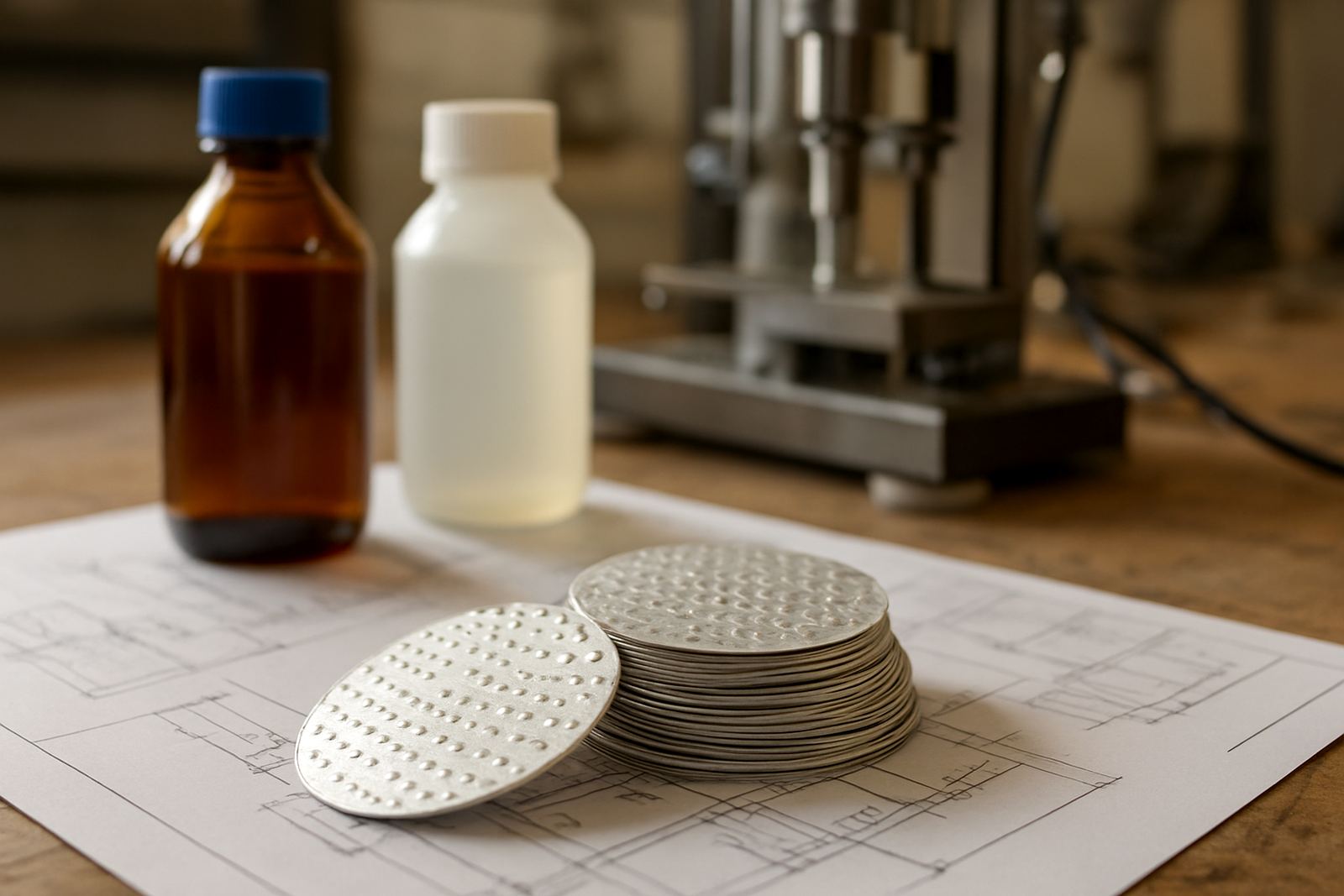
- Typical liner constructions: foamed polymer, laminated foil structures, pressure venting membrane styles and induction-compatible variants
- Closure types: screw caps, tamper-evident caps, lined closures and selected speciality caps
- Format options: single liners, supplied loose, or matched to your cap and sealing line requirement
The correct liner must suit the product chemistry as well as the container. For example, aggressive cleaners, solvents and acidic products may need different liner materials than water-based foods or oral liquid packs. Coastal humidity in Durban can also influence storage and handling, so packaging should be assessed as a full system, not just a cap part.
Where vented liners suit best
These liners are suited to products that can generate pressure after filling or during shelf life. That may include certain food products, cleaning chemicals, agricultural blends, technical liquids and selected pharmaceutical packs. They are also useful where packs are moved between cold rooms, warehouses and hot transport conditions, because temperature change can create pressure inside the container.
They are often specified where a customer has seen one or more of the following issues:
- Caps bulging after filling or transit
- Leakage at the closure during storage
- Pressure build-up after hot filling or temperature swings
- Container deformation on lighter plastic packs
- Packaging complaints linked to transport between inland and coastal areas
Not every product needs a vented liner, and in some cases a different closure arrangement is better. We assist with liner matching so the pack performs correctly without creating unnecessary cost or production stops.
How installation works on your line
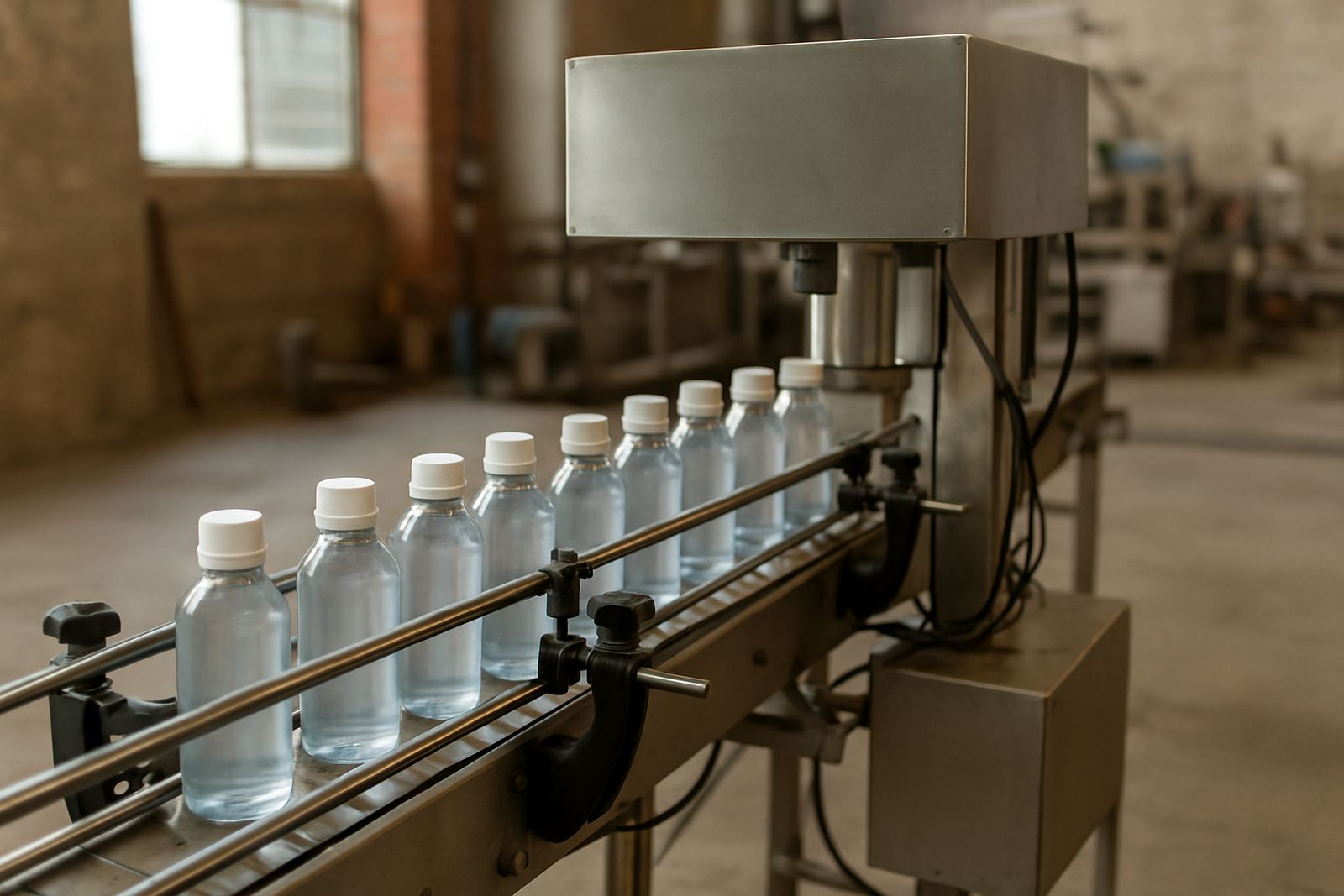
Vented liners can be supplied for manual packing, semi-automatic filling and higher-speed production lines. If the liner is fitted during capping or induction sealing, the equipment settings need to be checked carefully so the closure is not over-tightened or damaged. On induction lines, the heat profile and dwell time must be right for the closure and liner combination.
Our service team supports site installation, line commissioning and operator training from Jacobs, Durban and across the country. That includes checking cap torque, liner placement, sealing head alignment and product fill conditions. We also look at power stability, which matters when load-shedding or voltage dips interrupt a sealing line and cause inconsistent results.
- Site installation and setup
- Line commissioning and seal validation
- Operator training on fitment and fault finding
- Remote support for line issues and process questions
For sites with higher output or multiple pack sizes, we can assess the best way to keep changeovers practical. That helps reduce rejects and keeps the line moving, especially where production windows are tight.
Maintenance, storage and day-to-day care
Vented liners should be stored clean, dry and away from direct heat or contamination. In humid conditions, particularly around the coast, open cartons must be handled carefully so liners do not pick up moisture, dust or odours before use. Liners should be checked before loading to confirm they are clean and flat, with no creases or damage to the vent area.
On the line, operators should confirm that caps are feeding correctly and that liner orientation is consistent if the product uses a directional construction. When a liner or cap is not seated properly, pressure performance can be affected even if the container appears fine at first. A small fault can turn into a leakage complaint later, so routine checks matter.
We also recommend keeping a record of liner batch details, cap supplier details and any process changes. That makes it easier to trace an issue if one appears after a production run, and it helps when you need repeat supply for the same pack later on.
What to confirm before placing an order
Before ordering vented liners, it helps to confirm the pack details and the product behaviour. The more accurate the information, the better the fit and the fewer delays on installation. If you are unsure, our technical sales team can talk through the options and narrow down the right liner for the job.
- Container material and size
- Cap diameter and neck finish
- Product type and any gas release behaviour
- Fill temperature and storage conditions
- Whether the pack is for food, pharma or chemical use
- Line speed and whether induction sealing is already in place
- Any exposure to heat, altitude or transport over long distances
Customers in Jacobs, Prospecton and Pinetown often bring samples for assessment, which is the quickest way to avoid mismatches. For larger national accounts, we can support liner matching across multiple sites so the same pack standard is used consistently.
Supported by a Durban team that understands production pressure
Bottle Sealers has been serving South African packaging operations since 2008 from our Jacobs base in Durban. The team includes Sibusiso Mthembu, Nokuthula Dlamini, Jared Naidoo, Lindokuhle Khumalo, Megan Govender and Themba Zulu, with support available for sealing lines nationwide. We deal with line realities every day, from coastal humidity to power interruptions and fast turnarounds on spares.
We supply vented liners with the practical support many plants need, including preventative maintenance, breakdown repairs, spares supply and line optimisation. If your operation needs a liner that helps manage pressure without slowing the line, we can help you choose and fit the right option. For product checks, ordering and technical questions, use our contact form.
Key facts
| Product type | Vented liners for pressure management in selected packs |
|---|---|
| Common sizes | 20 mm to 53 mm standard, larger sizes on request |
| Suitable closures | Screw caps, tamper-evident caps and selected speciality caps |
| Typical uses | Food, pharmaceutical, chemical and technical liquid packaging |
| Installation support | Site installation, line commissioning, operator training and seal validation |
| Supply area | Jacobs, Durban, Pinetown, Prospecton, Pietermaritzburg, Richards Bay and nationwide |