What foil liner discs do on your line
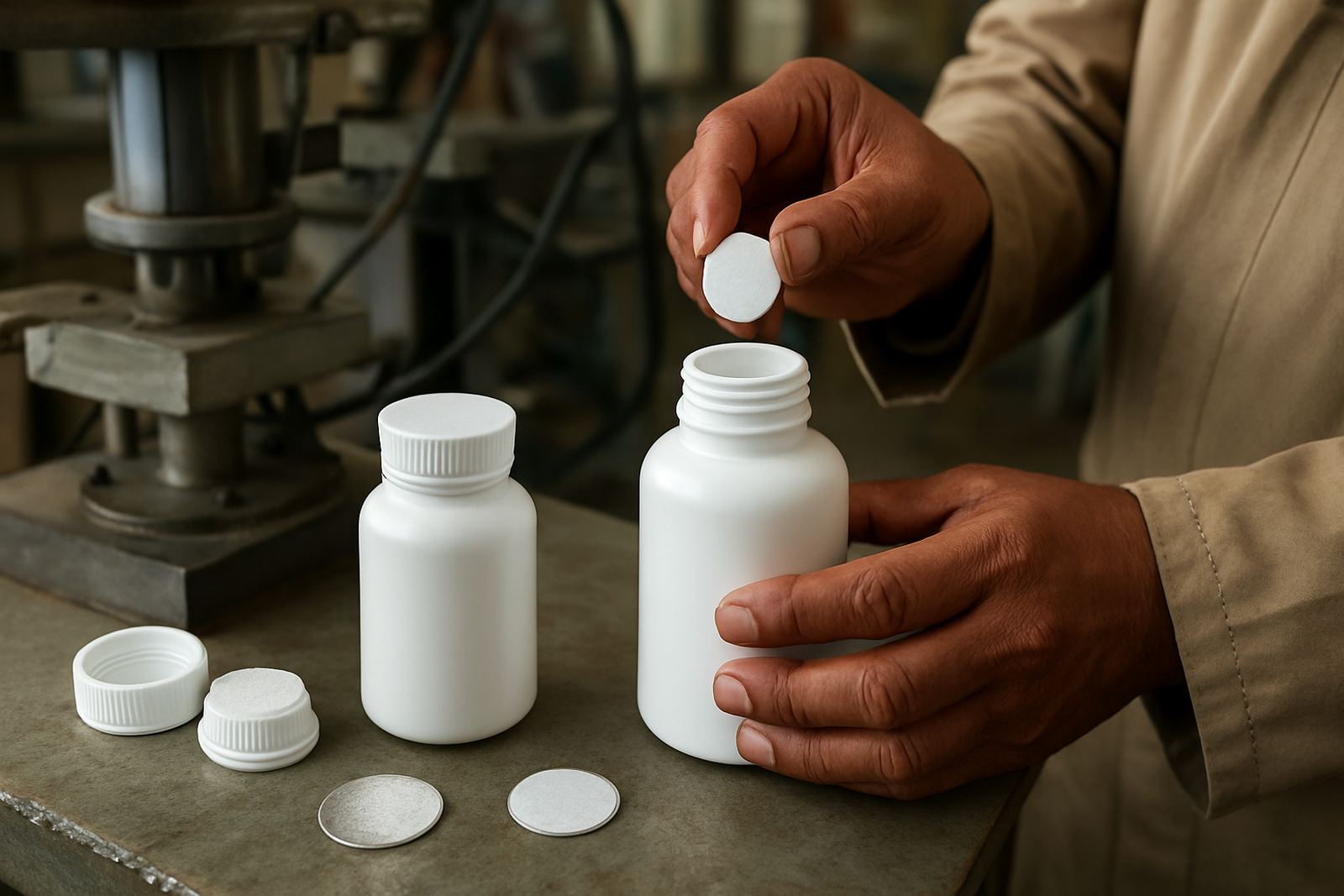
Foil liner discs are pre-cut sealing liners used inside caps to create a tight closure when heat and induction are applied, or when the closure system uses a matched seal format. They help reduce leaks, limit moisture ingress and protect against tampering during distribution. In Durban, where humidity can be high and containers may move through warm storerooms or coastal depots, the right liner makes a real difference to shelf life and product presentation.
These discs are supplied to suit the cap diameter, thread style and pack format you are running. We work with food, pharmaceutical and chemical filling lines across Jacobs, Pinetown, Prospecton, Pietermaritzburg and Richards Bay, as well as site visits nationwide. The aim is simple: a liner that fits properly, seals consistently and holds up in day to day use.
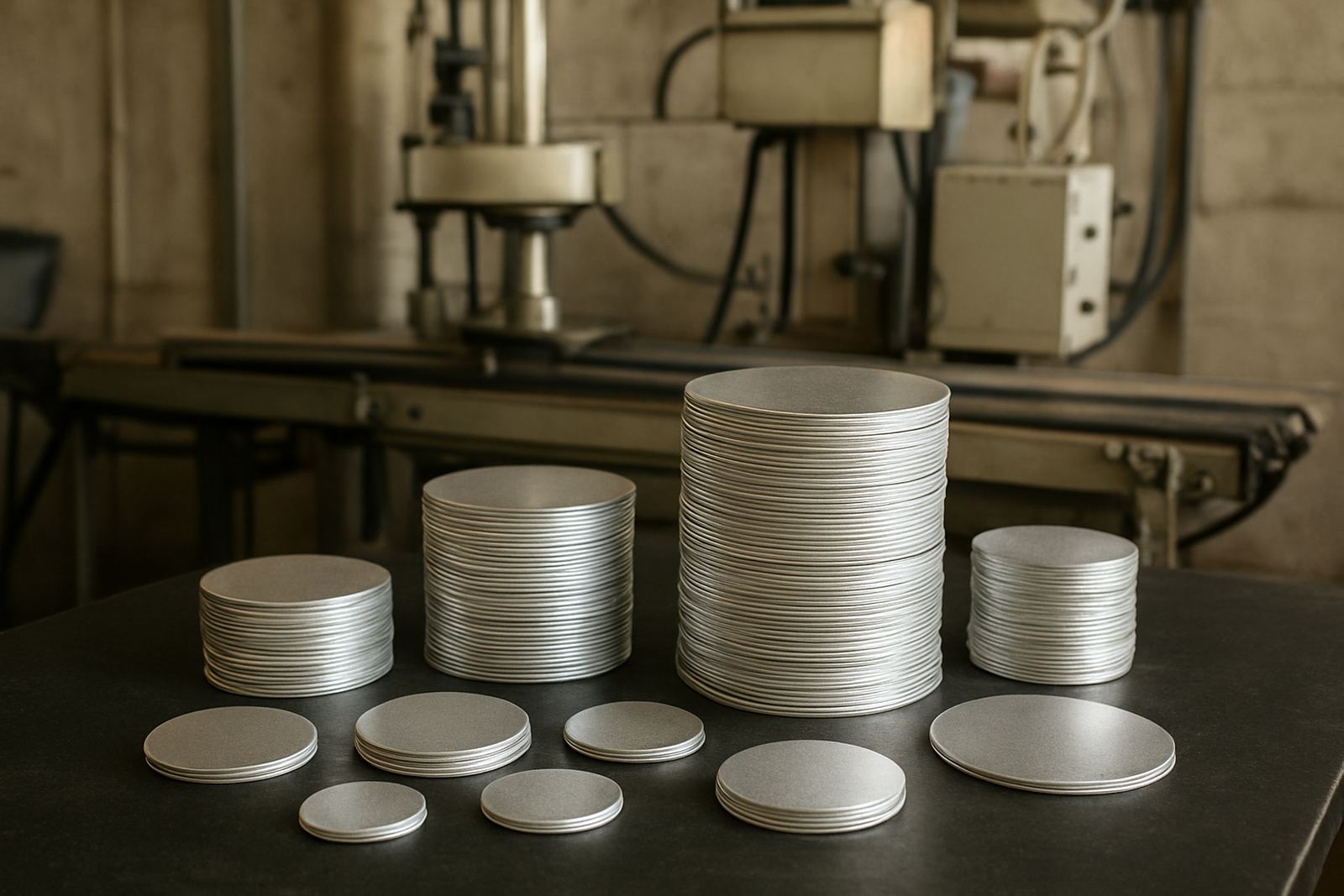
- Pre-cut to the required diameter and format
- Suitable for single use sealing applications
- Helps protect against leakage, contamination and pilferage
- Available for a range of cap sizes and container materials
Sizes, build options and lining materials
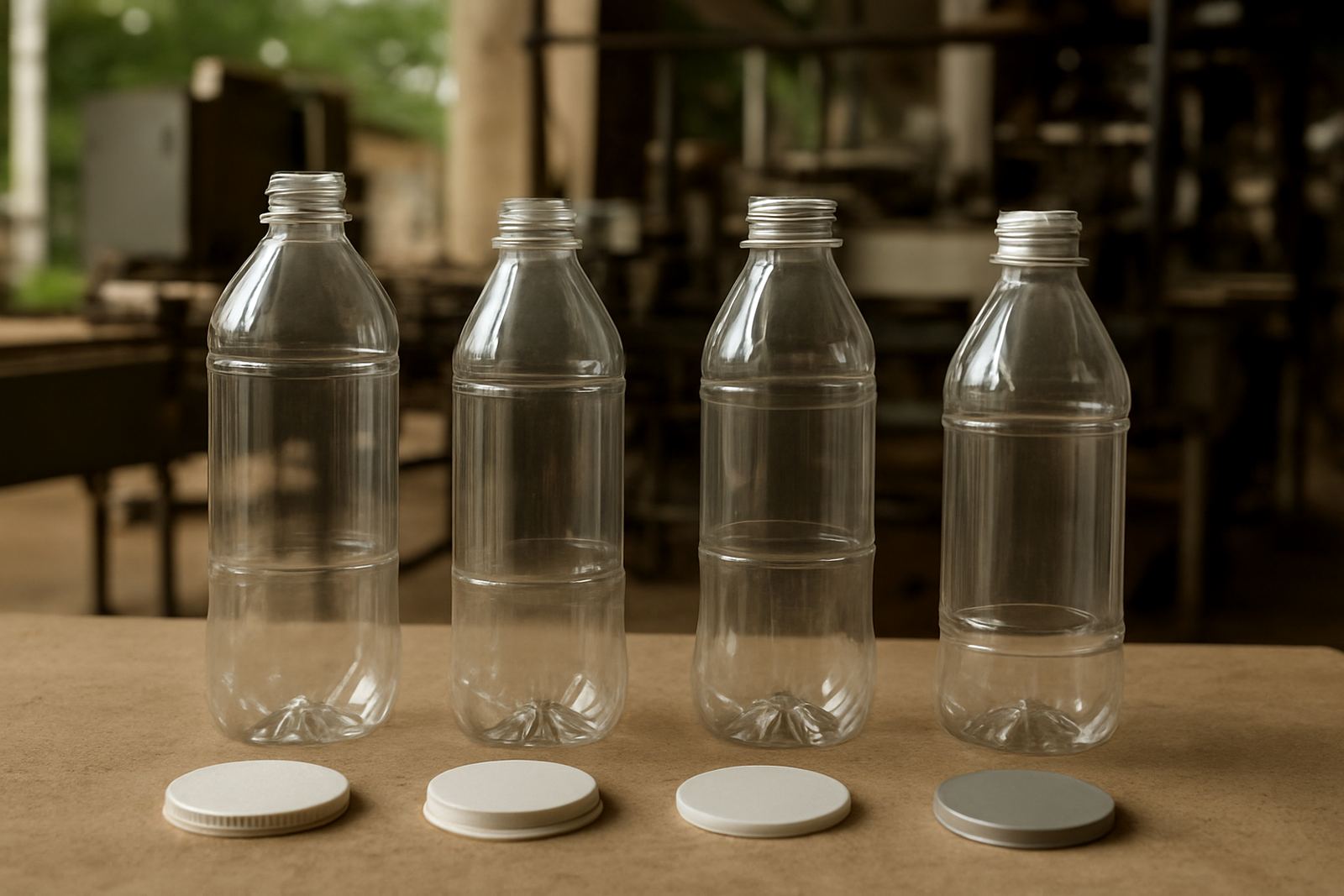
Foil liner discs are not one size fits all. The correct choice depends on the cap size, neck finish, container material and the product inside the bottle or tub. Some products need a liner that seals to PET, others to HDPE, glass or coated containers. The thickness, heat response and inner layer all affect seal quality and how easily the liner releases if your customer has to open it by hand.
We can match discs for standard pack sizes used on South African lines, from smaller pharmaceutical bottles through to larger chemical and food containers. Where required, liners can be selected for better resistance to oils, powders, acids, moisture or temperature changes during storage and transport. If your product runs through a shrink tunnel, induction head or manual cap application point, we can advise on the most practical option.
- Common cap sizes: 20 mm, 28 mm, 30 mm, 38 mm, 45 mm, 53 mm and larger on request
- Container materials: PET, HDPE, glass and selected coated packs
- Seal types: easy-peel, strong bond, tamper evident or product-specific match
- Available in liner disc form for caps supplied in bulk or on filling lines
Where foil liner discs are best suited
Foil liner discs suit any operation where closure integrity matters. In pharmaceuticals, they help protect tablets, syrups, suspensions and topical products from contamination and accidental opening. In food packing, they are commonly used for sauces, condiments, powders, supplements and dry ingredients. In chemical packing, they help contain liquids, concentrates and cleaning products that must remain closed during storage and road freight.
For businesses moving product between Durban and inland depots, a reliable liner helps handle heat, vibration and normal handling. It also supports compliance where customers or regulators expect evidence that a container has not been opened after filling. If you are packing for retail, wholesale or contract filling, the liner has to suit both the product and the way your line runs day after day.
- Pharmaceutical bottles and health supplements
- Food jars, pouches with capped closures and dry goods containers
- Household and industrial chemical packs
- Retail, wholesale and contract packing operations
Installation on filling lines and power requirements
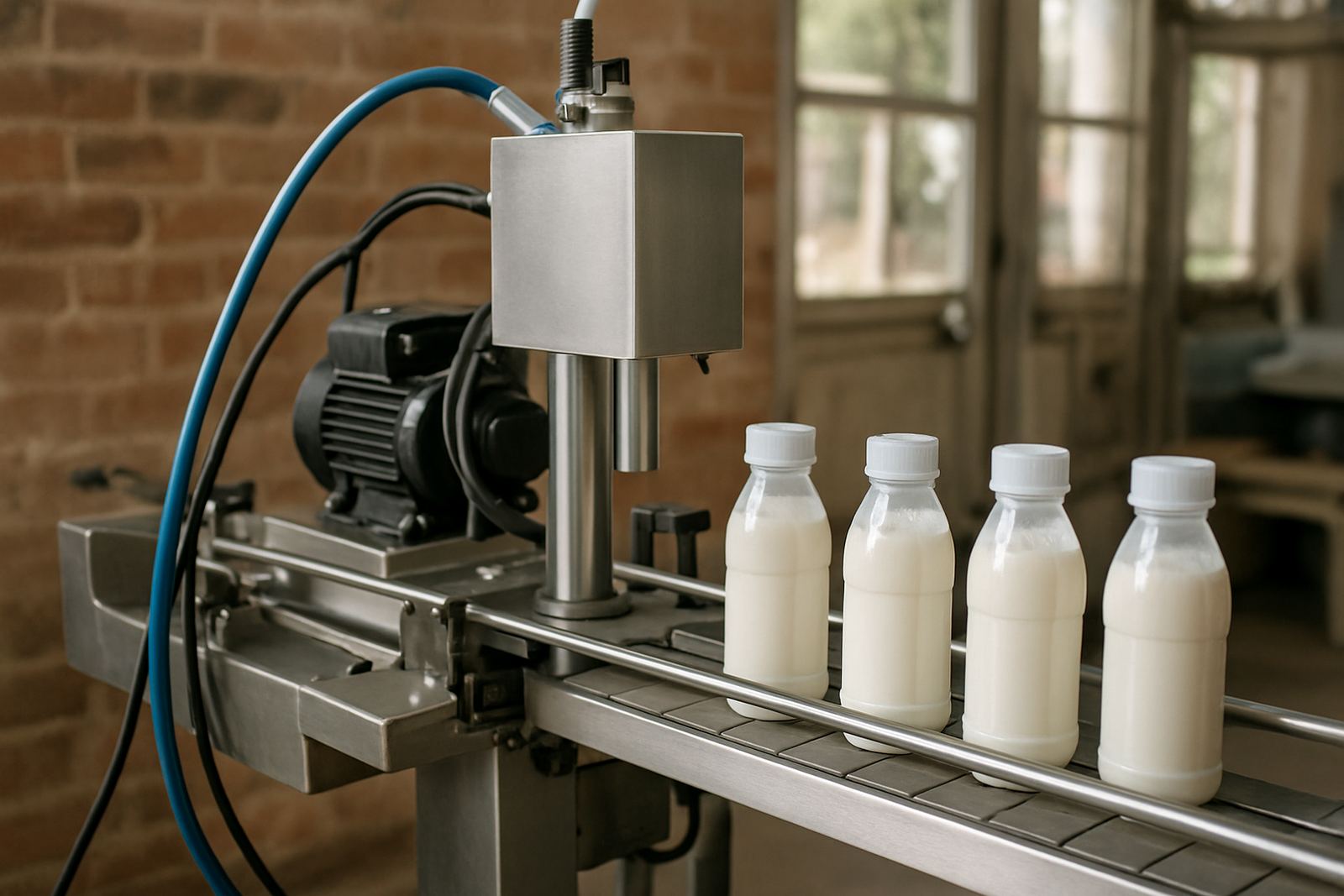
Foil liner discs are fitted inside the cap or closure system before the container is sealed. On automated or semi-automated lines, the disc must sit flat and centred so the sealing head can work properly. If the cap is out of alignment, the seal may be weak on one side or fail completely. That is why liner matching and cap checks matter before full production starts.
Most installations do not need special gas supply, but induction sealing systems do need a stable electrical feed and correct head setup. In areas affected by load-shedding, we often recommend checking backup power capacity so the line can restart cleanly without damaging product or wasting caps. For mobile commissioning or site trials in Jacobs, Pinetown, Prospecton and Pietermaritzburg, we check line speed, conveyor height, cap torque and product flow before sign-off.
- Needs correct cap alignment and liner placement
- Works with manual, semi-automatic and automatic filling lines
- Requires stable electricity for induction sealing equipment
- Compressed air may be needed on some cap feeding or line control setups
Care, storage and line servicing
Foil liner discs should be kept clean, dry and stored away from dust and direct sunlight. Coastal humidity in Durban can affect packing areas if cartons are left open, so storage discipline matters. Keep liners in their original packs until use and avoid handling them with wet hands or oily gloves. If the discs are contaminated before fitting, the seal quality can drop and the fault is often only noticed after cartons have left the site.
For ongoing production, regular line checks help prevent rejects. Our team can assist with preventive maintenance, seal validation, breakdown repairs and remote support if a line starts giving trouble. If you are running multiple pack sizes, it is worth reviewing liner stock every few months so the right disc is always on hand. A small stock hold can save a stoppage when a critical order lands.
- Store in a dry, sealed area away from heat
- Keep packs closed until needed on the line
- Check expiry or batch traceability where required by your process
- Review seal quality after any cap, container or product change
What to check before you place an order
To supply the correct foil liner discs, we need a few practical details from your side. The cap diameter alone is not always enough. We also need to know the container material, product type, target fill volume and whether the closure must be easy to open or extra secure. If you are changing from one pack format to another, bring us a sample cap and bottle so we can match it properly. That saves time and avoids wastage on the line.
It also helps to know your line speed, whether caps are applied manually or by machine, and if the product will be exported, warehoused or distributed into humid coastal areas. That information guides the liner construction and the test method. Our technical team in Jacobs works with businesses across Durban, Richards Bay and Pietermaritzburg, and can help with liner matching before the first full order is placed.
- Cap size and neck finish
- Container material and product type
- Whether the seal must be easy-peel or high security
- Line type, speed and operating conditions
- Storage and distribution conditions after filling
Key facts
| Product type | Pre-cut foil liner discs for closure sealing |
|---|---|
| Typical sizes | 20 mm to 53 mm, with larger sizes on request |
| Compatible containers | PET, HDPE, glass and selected coated packs |
| Applications | Pharmaceutical, food, chemical and household products |
| Installation | Manual, semi-automatic and automatic line use |
| Support | Liner matching, commissioning, training, maintenance and breakdown support |