What glass bottle liners do on an induction line
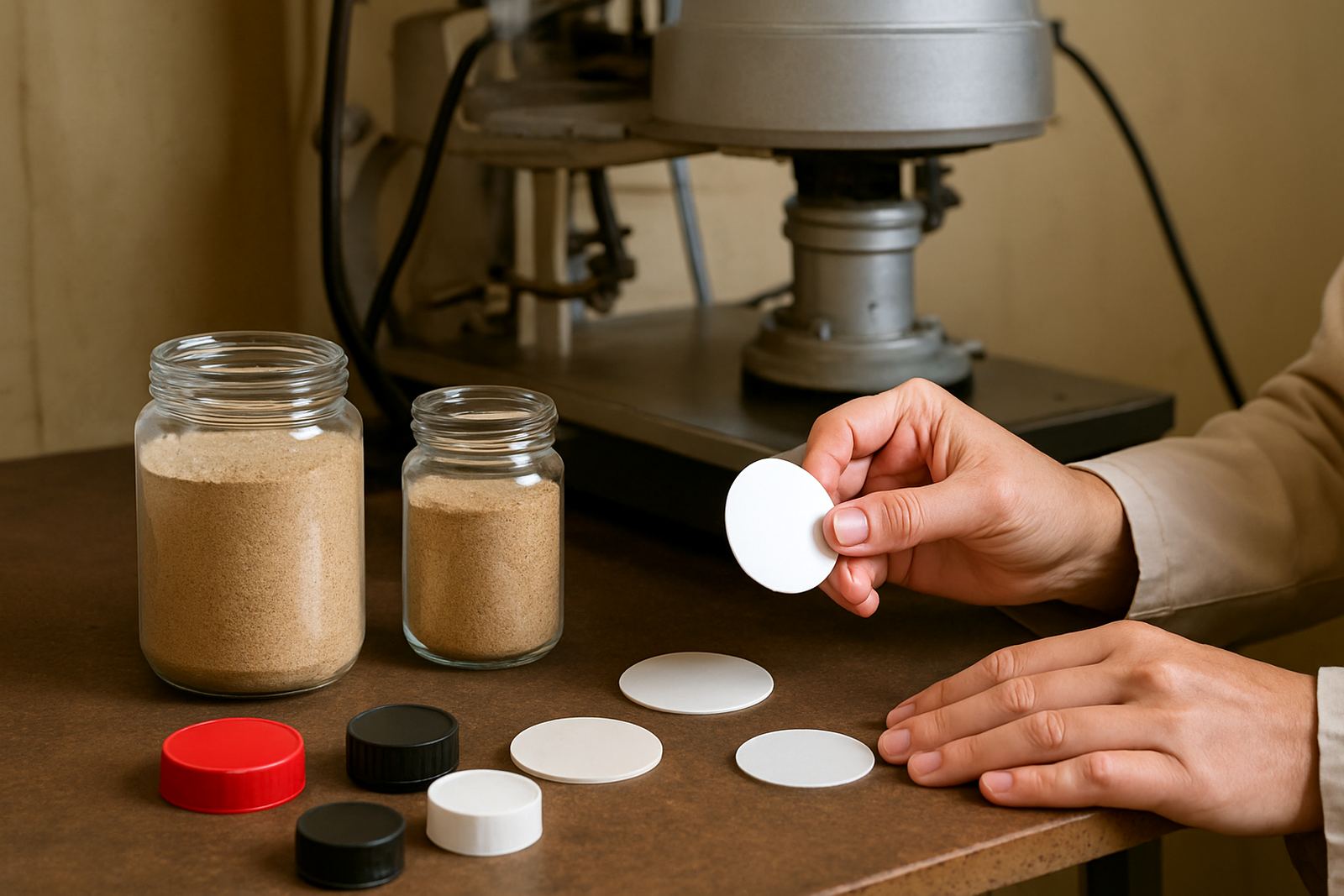
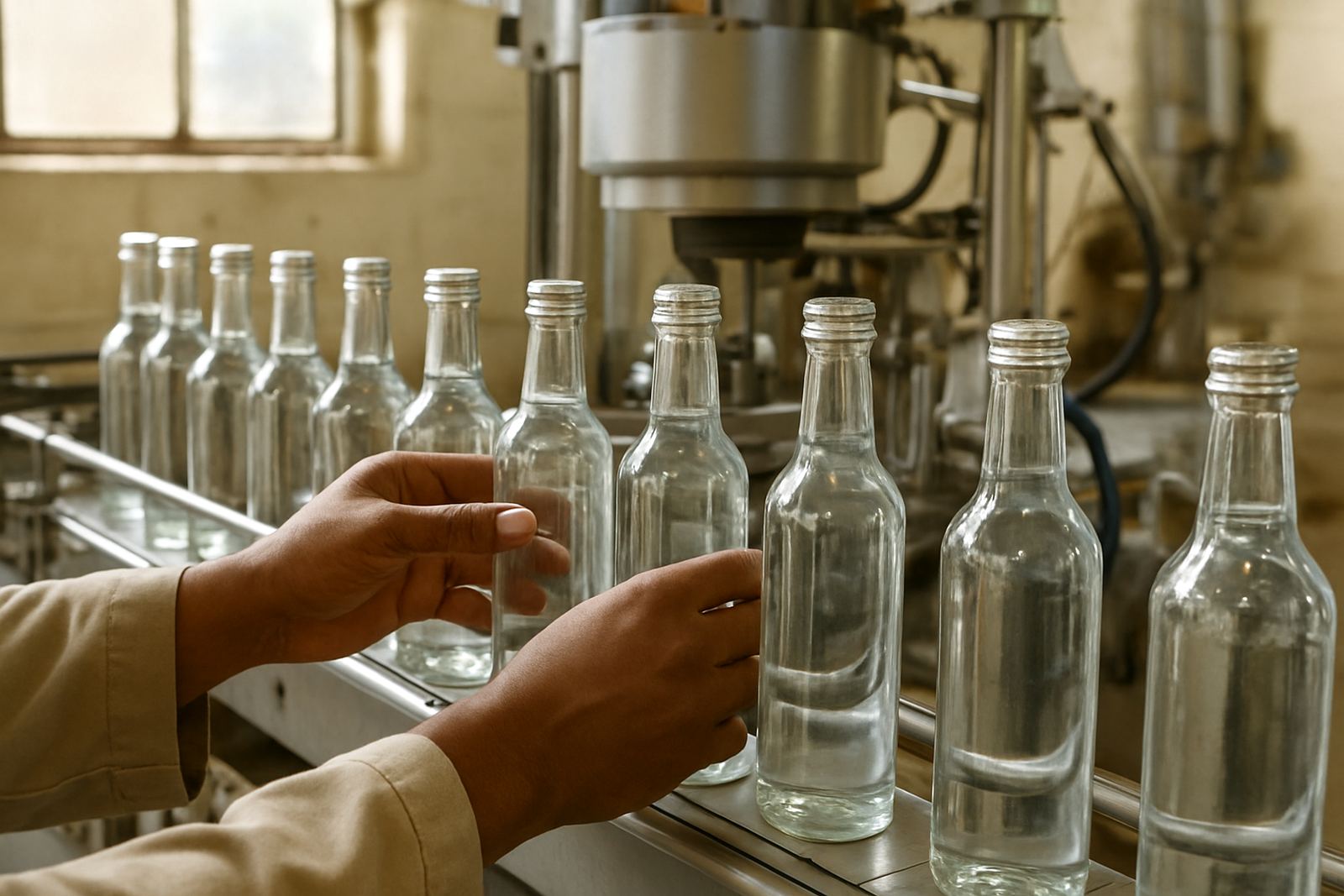
Glass bottle liners are fitted inside the cap and heated by induction to create a bonded seal across the mouth of the bottle. On compatible glass containers this gives a tamper-evident closure, helps limit leakage, and supports product integrity during storage, transport, and retail handling.
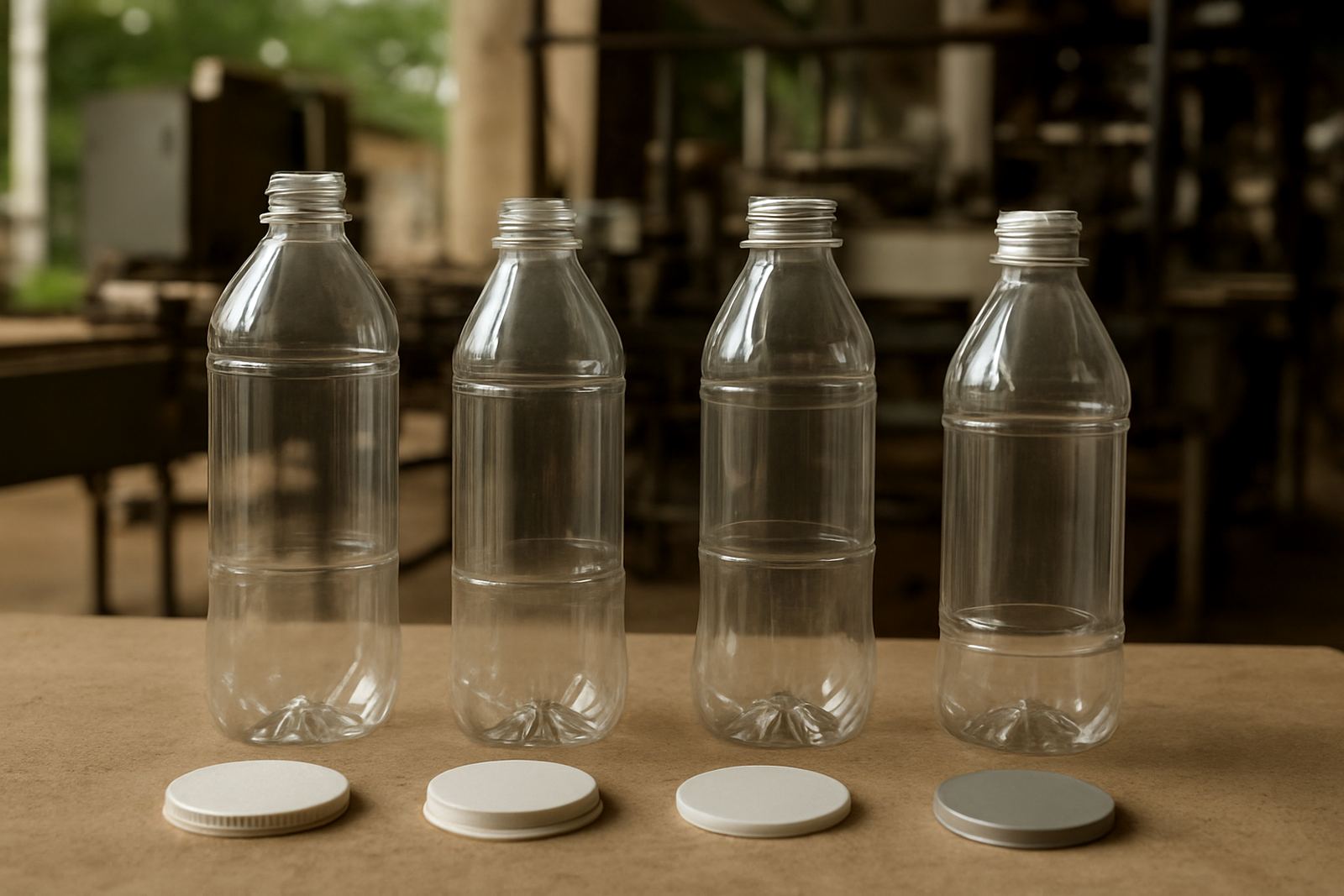
For the right pack, the liner has to match the bottle finish, cap type, filling temperature, product chemistry, and the sealing head settings. A good liner does not just close the bottle, it also has to release cleanly or peel as intended when the end user opens the pack. That matters in food, pharmaceutical, and chemical applications where spoilage, contamination, or odour transfer can cause costly returns.
In practice, glass bottle liners are used where a company wants better control over shelf life and traceability, especially on lines running in Durban, Pinetown, Pietermaritzburg, Richards Bay, and other sites where coastal humidity and dust can affect closures. The key is matching the liner to the container and the line speed, not just choosing a generic cap insert.
Liner options, sizes, and build-up choices
We supply liner options for induction sealing onto compatible glass containers in a range of common diameters and construction types. The exact choice depends on the bottle neck, closure depth, product type, and whether the seal must be easily peelable or more difficult to remove. Some liners suit dry products, while others are better for liquids, oils, powders, or aggressive contents.
Available options typically include single-piece and multi-layer structures, with heat-seal layers selected for specific glass and cap combinations. Thickness, foil gauge, pulp content, and backing materials all affect seal performance. Where needed, liners can be matched to screw caps, tamper-evident closures, and special cap liners for repeat pack runs.
- Common liner sizes for standard bottle necks from small diameter closures through to larger industrial containers
- Options for peelable or non-peelable sealing behaviour
- Liners matched to product pH, fill temperature, and expected storage period
- Formats for manual capping, semi-automatic, and automatic induction lines
Because glass containers often vary slightly between suppliers, we check the finish and closure details before recommending a liner. A liner that works on one bottle may not sit correctly on another even if the neck size looks the same on paper.
Where glass bottle liners suit best
Glass bottle liners are commonly used in product ranges where customers expect a clean, premium pack and where barrier performance matters. They suit pharmaceutical liquids, cough syrups, nutraceuticals, food sauces, condiments, health products, chemical concentrates, and speciality blends. They are also useful for contract packers handling multiple client SKUs with different bottle styles.
For food producers, liners help protect flavour, limit oxygen ingress, and reduce leakage during distribution. In pharmaceuticals, they support tamper evidence and pack confidence on units that move through wholesalers, dispensaries, and clinic supply chains. Chemical packs may need extra attention on resistance to vapours and compatibility with the fill, so the liner choice must be checked carefully.
Durban factories often deal with warmer ambient temperatures and humid conditions, while inland sites may face dusty environments and load-shedding related start-stop cycling. Those conditions can affect sealing consistency, so the liner and induction settings should be selected with the actual production environment in mind, not only the product spec sheet.
Installation, power needs, and line setup
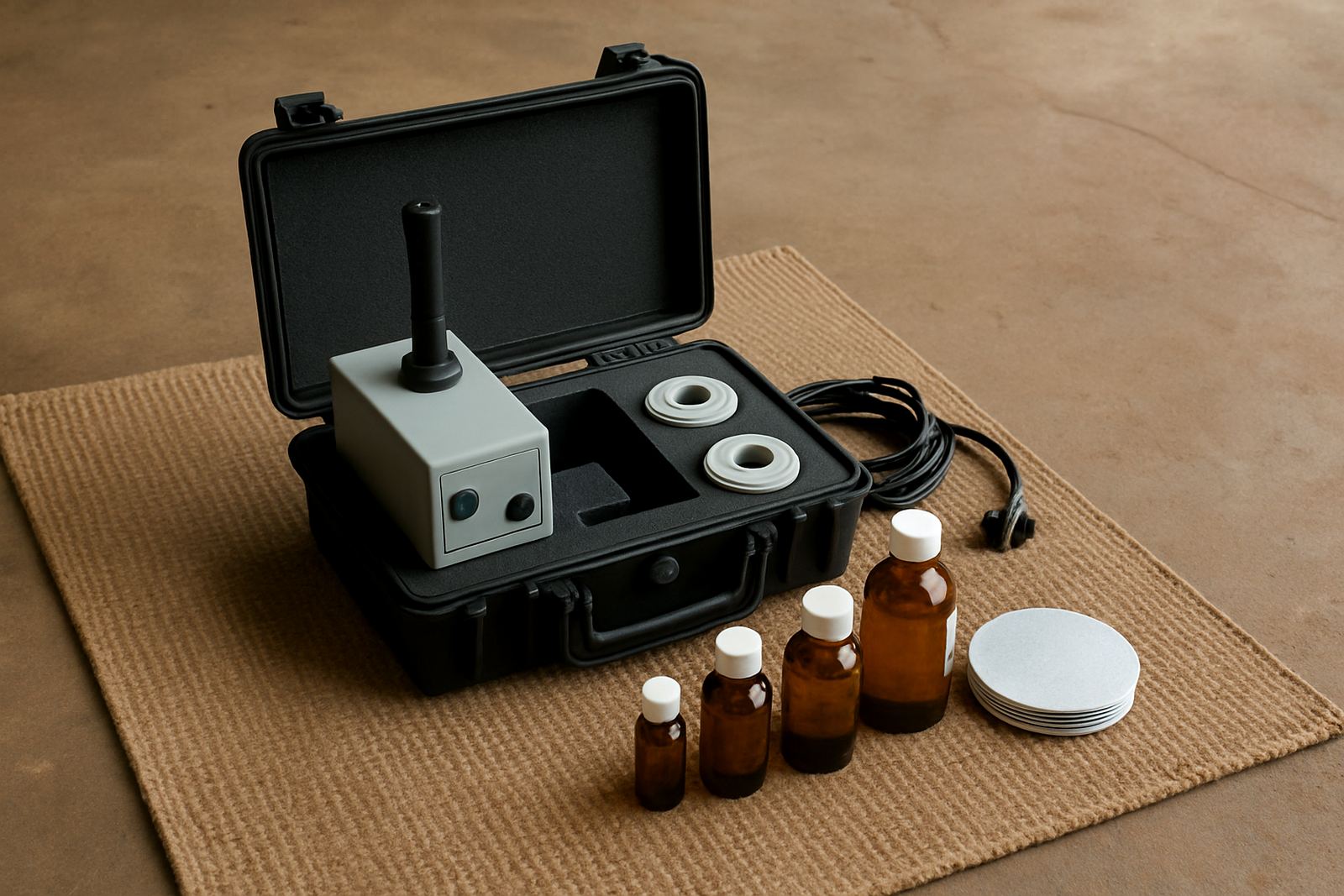
Glass bottle liners are installed as part of the closure system and then sealed using an induction cap sealer sized for the cap diameter and production speed. The induction unit requires a stable power supply, suitable earthing, and enough line space for the sealer head, conveyor height, and cap presentation. Where production is sensitive, a controlled setup helps keep seal results consistent shift after shift.
Most installations need only electrical power, not gas. That makes induction sealing practical for South African plants managing utility costs and service interruptions. For higher output lines, we assess throughput, container height, cap torque, and line speed to avoid underheating or overheating. If the bottle or cap changes, the sealing settings may need to be reset.
- Check available mains supply and earthing before commissioning
- Confirm conveyor height, bottle stability, and cap feed method
- Allow enough dwell time for the liner to bond cleanly
- Test sealing on actual product, not only empty containers
Our team in Jacobs, Durban supports site installation, line commissioning, and operator training nationwide. That includes practical advice on start-up, line balancing, and how to keep the sealer running when shifts change or the product format is adjusted.
Care, maintenance, and seal checks over time
Glass bottle liners are a consumable item, so storage and handling matter. Keep them in a dry area away from direct heat and sunlight, and use stock on a first in, first out basis. If liners absorb moisture or are stored badly, seal quality can drop and you may see poor bonding, scuffing, or inconsistent peel strength.
Regular maintenance of the induction sealer is also important. The sealing head, conveyor section, and controls should be checked for wear, dirt build-up, cable damage, and incorrect positioning. On busy sites, a simple routine inspection each shift can prevent downtime later on. If seals start failing, the cause is often a combination of liner issue, cap fit, or machine setting, not only one factor.
Preventive maintenance, breakdown repairs, and remote support are available for plants that cannot afford long stoppages. We also support seal validation and troubleshooting when a site is launching a new pack or changing from one glass supplier to another. A small fault can become a batch issue pretty quickly if it is not picked up early.
What to check before you order glass bottle liners
Before placing an order, have the bottle and cap details ready so the liner can be matched properly. The main checks are the neck finish, closure diameter, product type, fill temperature, and the type of induction sealer on the line. If you are not sure, send a sample bottle and cap for assessment before ordering bulk stock.
- Bottle finish and neck size in millimetres
- Cap material and closure style
- Product contents, pH, and whether the pack is dry or liquid
- Required seal type, such as peelable or permanent
- Production speed and line environment
- Storage conditions and expected shelf life
For new runs, ask for liner matching before bulk printing or large stock buys. That saves time and avoids holding the wrong material in stores. If your site runs in Jacobs, Prospecton, Pinetown, or further afield in Pietermaritzburg or Richards Bay, we can help you check the pack details and keep the order practical for your line.
},{Local support from Jacobs, Durban to nationwide lines
Bottle Sealers has supported South African sealing lines since 2008 from our Jacobs base in Durban. The team includes Sibusiso Mthembu, Nokuthula Dlamini, Jared Naidoo, Lindokuhle Khumalo, Megan Govender, and Themba Zulu, with work carried out across Durban, Pinetown, Prospecton, Pietermaritzburg, Richards Bay, and other production centres nationwide.
Whether you need a fresh liner recommendation, a line check, or help with seal trouble on glass packs, the aim is practical support and quick response. We work with site installation, line commissioning, operator training, seal validation, preventive maintenance, spares supply, line optimisation, and remote support so your sealing process stays under control. For product enquiries, use our contact form.
Key facts
| Product type | Glass bottle liners for induction sealing |
|---|---|
| Compatible containers | Glass bottles with suitable neck finish and cap system |
| Typical uses | Pharmaceutical, food, chemical and speciality packs |
| Seal styles | Peelable or non-peelable options, subject to pack match |
| Installation requirement | Induction cap sealer, correct power supply and earthing |
| Support area | Jacobs, Durban and nationwide sealing lines |