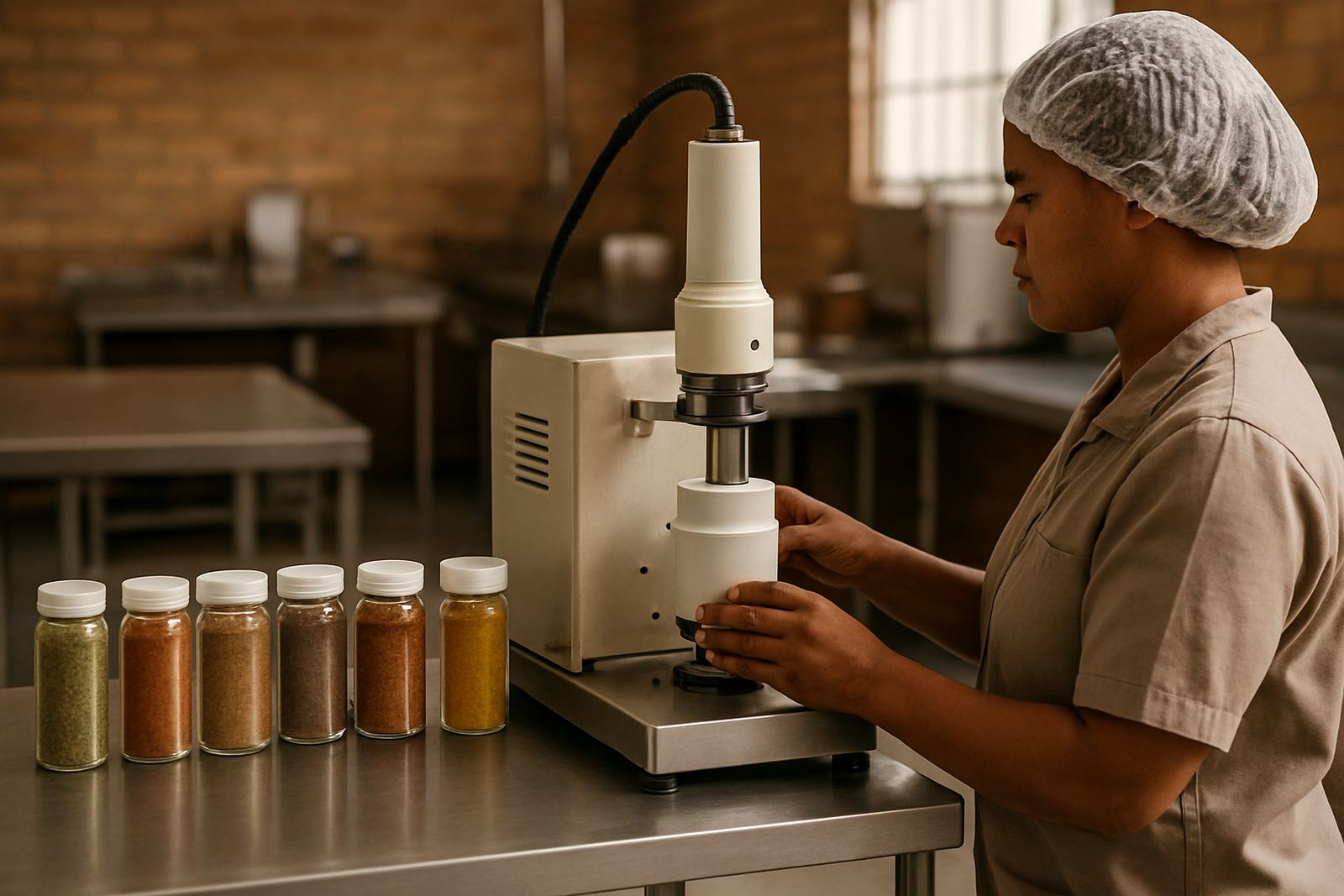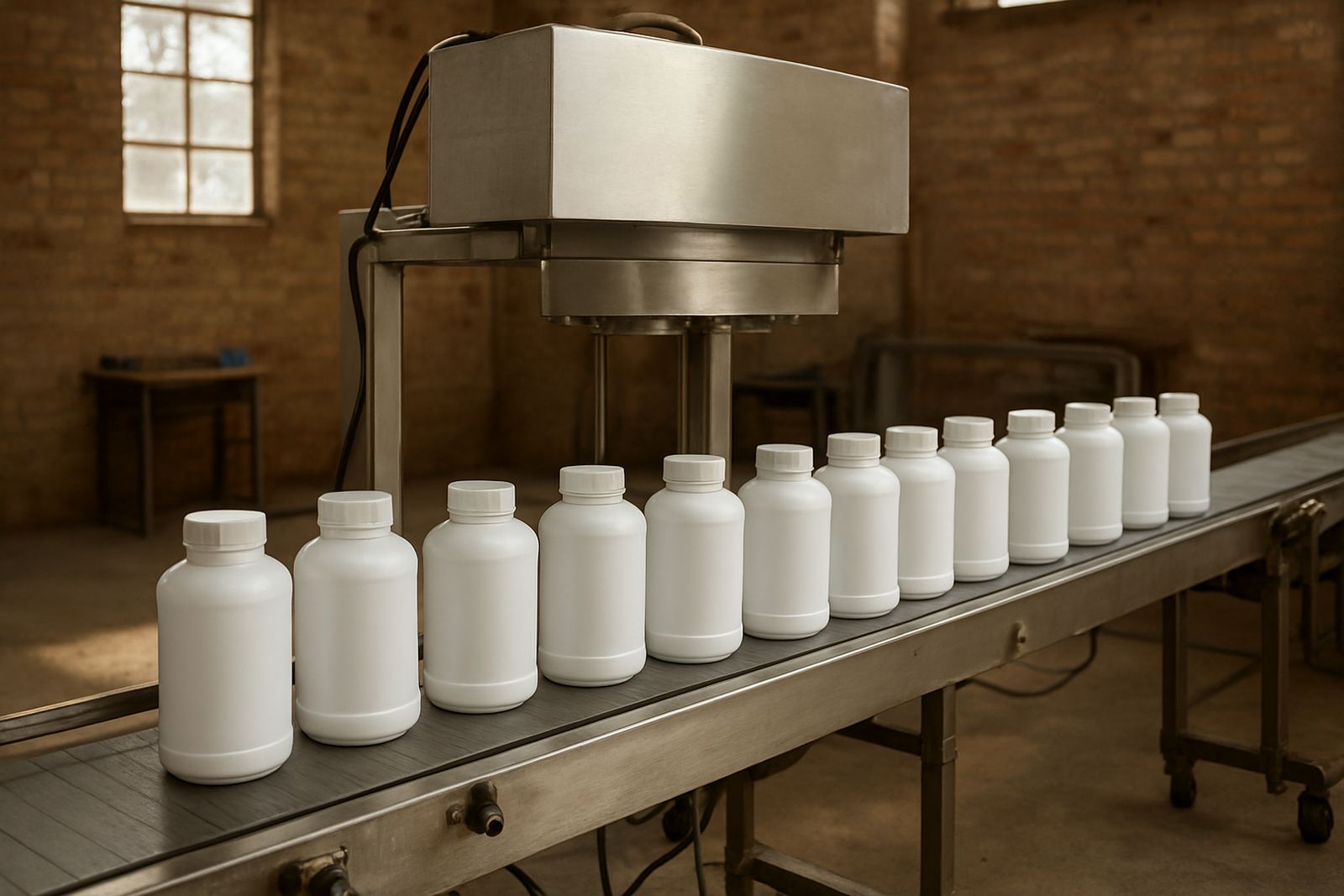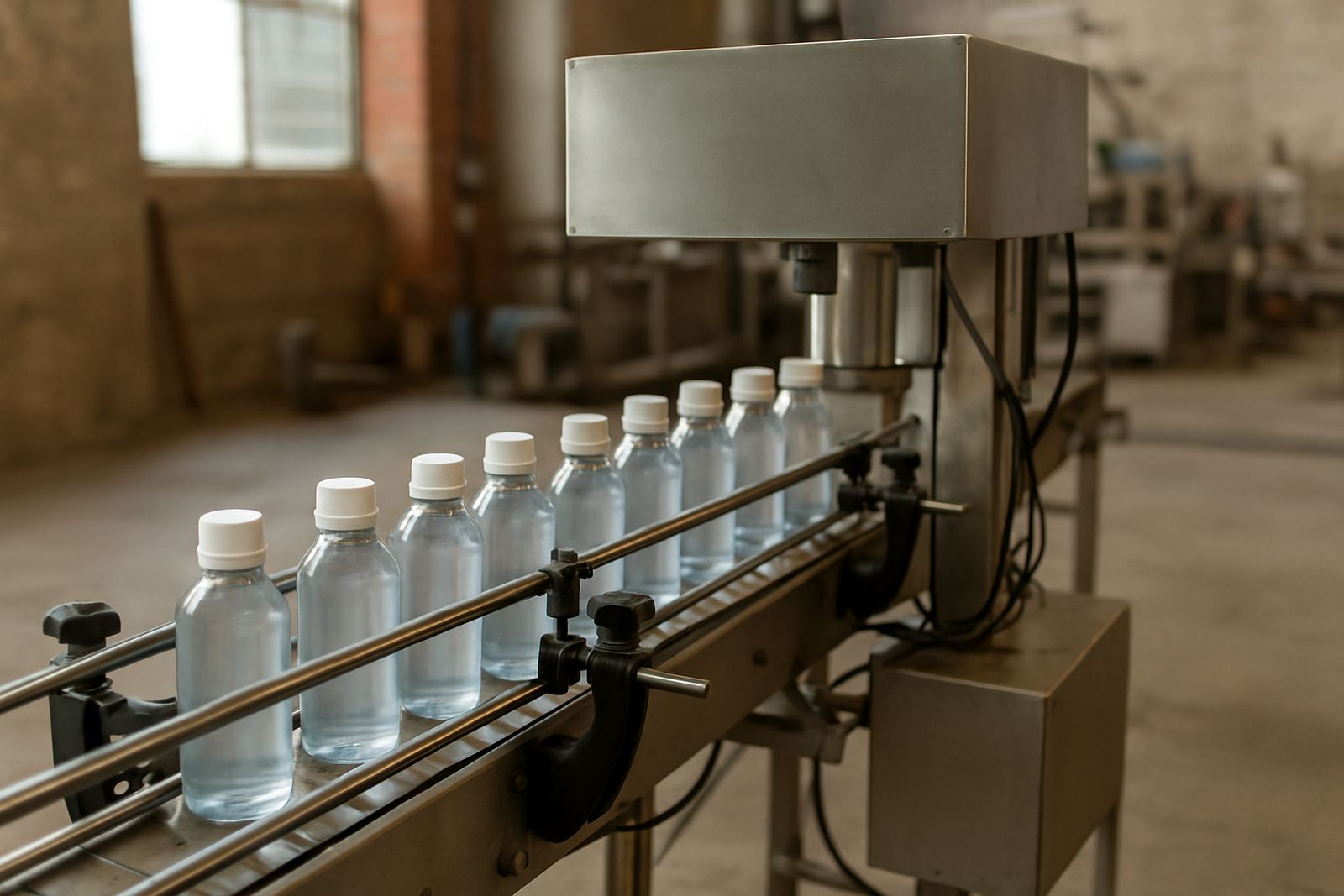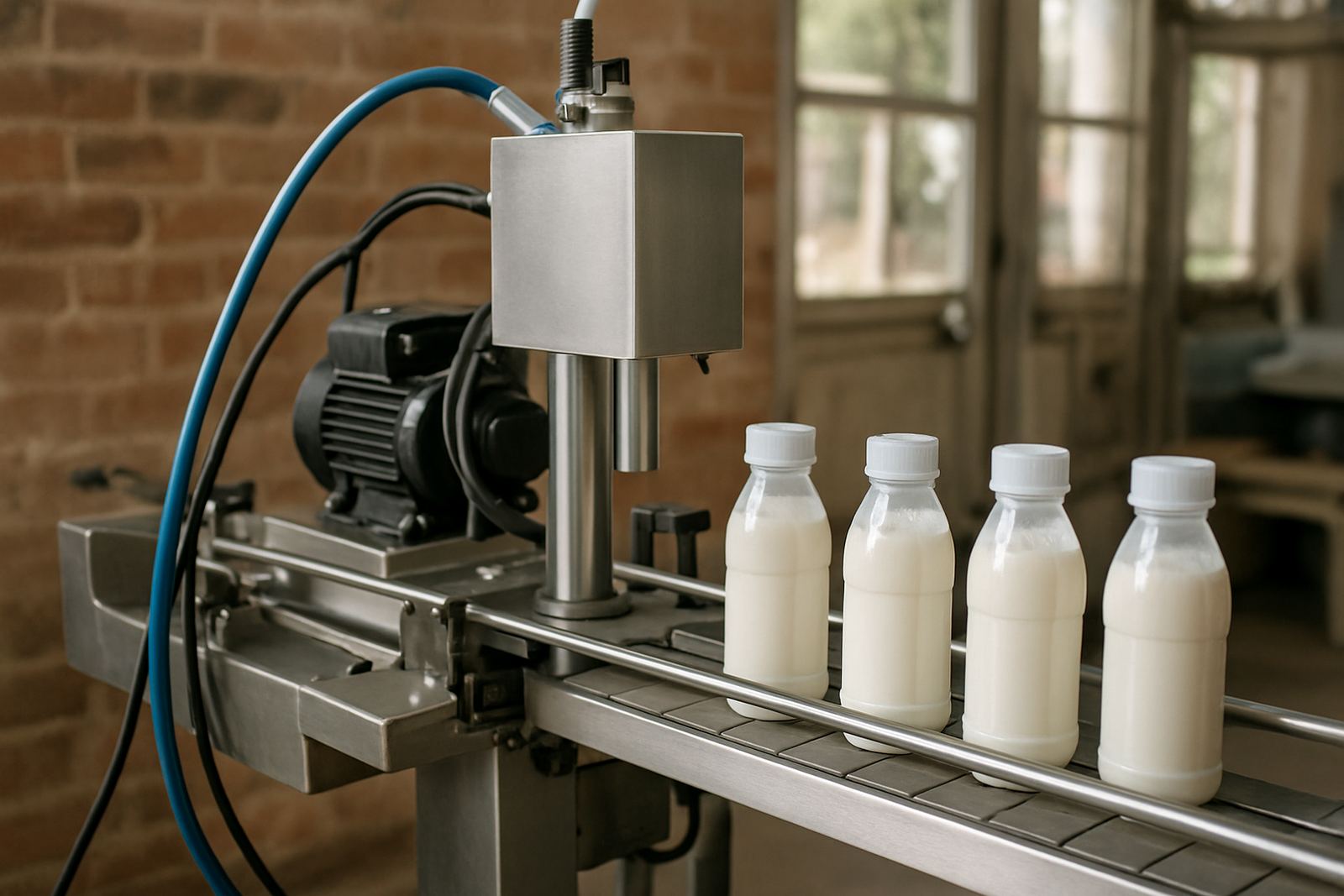
What a water cooled sealer does on the line
A water cooled sealer uses induction to create a secure foil seal under a cap, while a cooling circuit keeps the sealing head at a more stable operating temperature. That matters when you are sealing for hours at a time, or working in rooms that already run warm from filling equipment, compressors and summer humidity. In Jacobs, Pinetown and Prospecton, we often see this type of unit chosen for steady output on lines that cannot afford long stoppages or heat-related drift.
The cooling side helps protect the sealing head and electronics, so the machine can run longer with less thermal stress. It is a practical choice for bottling lines where consistency is important, whether you are packing syrup, tablets, reagents or chemical blends. For plants with load-shedding back-up, the unit also benefits from cleaner power supply and proper restart checks after outages.
- Induction sealing for foil liners inside the cap
- Water cooling for extended running periods
- Suitable for plastic containers with compatible closures
- Designed for higher duty cycles and hot production areas
Sizes, head options and line formats available
Bottle Sealers supplies water cooled sealers in a few common configurations so the unit matches the speed of your line and the container sizes you fill. Options normally depend on bottle diameter, cap type, liner material and whether the machine is moving over a conveyor or fixed above a single filling point. A smaller packhouse in Pietermaritzburg may need a simple inline unit, while a larger site in Richards Bay could need a heavier duty setup with better cooling capacity.
Typical options include sealing heads for small-neck containers, medium neck containers and wider closures used on powders or industrial liquids. Units can be set up for manual presentation, conveyor mounted operation or integrated use near a capping station. The right head size matters more than many people expect, because poor alignment can leave weak seals or scorch marks. We also match foil liners to the product, since a chemical product may need different liner material from a food jar or pharmaceutical bottle.
- Single-head or conveyor-ready formats
- Heads suited to small, medium and wide neck closures
- Compatibility with common plastic bottle and jar formats
- Liner matching for food, pharma and chemical packs
Where this sealer suits best in South Africa
This model suits operations that need stable sealing through long production runs, especially where room temperature rises during the day. It is a good fit for food plants, contract packers, pharmaceutical lines, chemical filling rooms and small manufacturers with tight quality controls. In coastal areas like Durban and Richards Bay, the cooling system helps manage the extra heat and moisture that can affect equipment during summer.
It is also useful where the sealing station sits close to other heat-generating machines. If your line runs in a municipal building or an older factory with limited air-con, the water cooled unit gives you a better buffer against hot ambient conditions. We regularly specify it for businesses in Jacobs and Prospecton that need uninterrupted sealing without adding more strain to the line layout.
- Pharmaceutical bottles and containers
- Food products with freshness and tamper evidence requirements
- Chemical packaging where seal integrity is critical
- Warm production rooms and long shifts
Power, cooling and installation requirements
Installation is straightforward, but the details need to be right. The machine requires a stable power supply, suitable earthing and enough space around the sealing point for airflow, access and service work. If the line sits in an area with frequent outages, the electrical set-up should allow for safe restart after power returns. For many sites, especially those using generator or inverter support, voltage stability is something we check before commissioning.
The cooling circuit needs clean water flow and regular inspection. Depending on the model and duty level, a recirculating water unit or similar cooling arrangement may be used. On some sites the cooling loop is linked to plant water systems, but the water quality must be checked to prevent scale, corrosion or blocked passages. The machine should be installed on a level surface, close enough to the conveyor or capper for easy transfer but not so close that bottle movement becomes awkward.
- Stable mains power and correct earthing required
- Cooling water must be clean and monitored for flow
- Space needed for head access, cable routing and service checks
- Commissioning should include seal testing and line speed checks
Care, servicing and keeping seals consistent
Like any production machine, a water cooled sealer performs best when it is cleaned and checked on schedule. Operators should keep the sealing head clear of dust, liner debris and product splash. Cooling lines and fittings should be inspected for leaks, and any signs of reduced flow should be dealt with before the machine overheats. On busy sites, a quick daily check and a more detailed weekly inspection will save time later, especially where maintenance teams are already stretched.
We recommend preventative maintenance at regular intervals based on running hours and line conditions. This can include electrical checks, cooling system inspection, head alignment, output testing and checking the seal pattern against your container type. If the line shows weak seals, missing foil or inconsistent bond strength, the problem may be in cap torque, liner size, bottle finish or heat setting, not only the sealer itself. Our field team handles breakdown repairs, spares supply and remote support for sites nationwide.
- Clean the head and surrounding area regularly
- Check water flow, fittings and cooling performance
- Inspect seal quality against your acceptance standard
- Book preventative maintenance before faults start repeating
What to check before placing your order
Before ordering, gather the bottle sample, cap sample and liner details so the correct unit and settings can be matched to your line. We also need to know the container material, neck finish, production speed and whether the product is food, pharma or chemical. If you already use a sealer, bring the current seal size and any issues you are seeing, such as weak spots, liner burn, bottle deformation or poor seal placement.
It helps to confirm your plant location, available power, water access and whether the line will be installed in Jacobs, Durban, Pinetown, Pietermaritzburg, Richards Bay or another site. For new installations, we can also advise on operator training, seal validation and line optimisation so your team gets the most from the equipment. A short site discussion up front usually avoids delays and wrong liner choices later on, which can be costly when orders are already moving.
- Bottle size, cap type and neck finish
- Required line speed and daily running hours
- Product type and packaging environment
- Power supply, water access and installation space
Key facts
| Machine type | Cooling-assisted induction cap sealer |
|---|---|
| Cooling method | Water cooled sealing head system |
| Best use | High-volume and heat-sensitive production lines |
| Applications | Pharmaceutical, food and chemical packaging |
| Installation | Inline, conveyor ready or fixed position |
| Support | Installation, commissioning, training and maintenance nationwide |