What the Food Pack Sealer does on your line
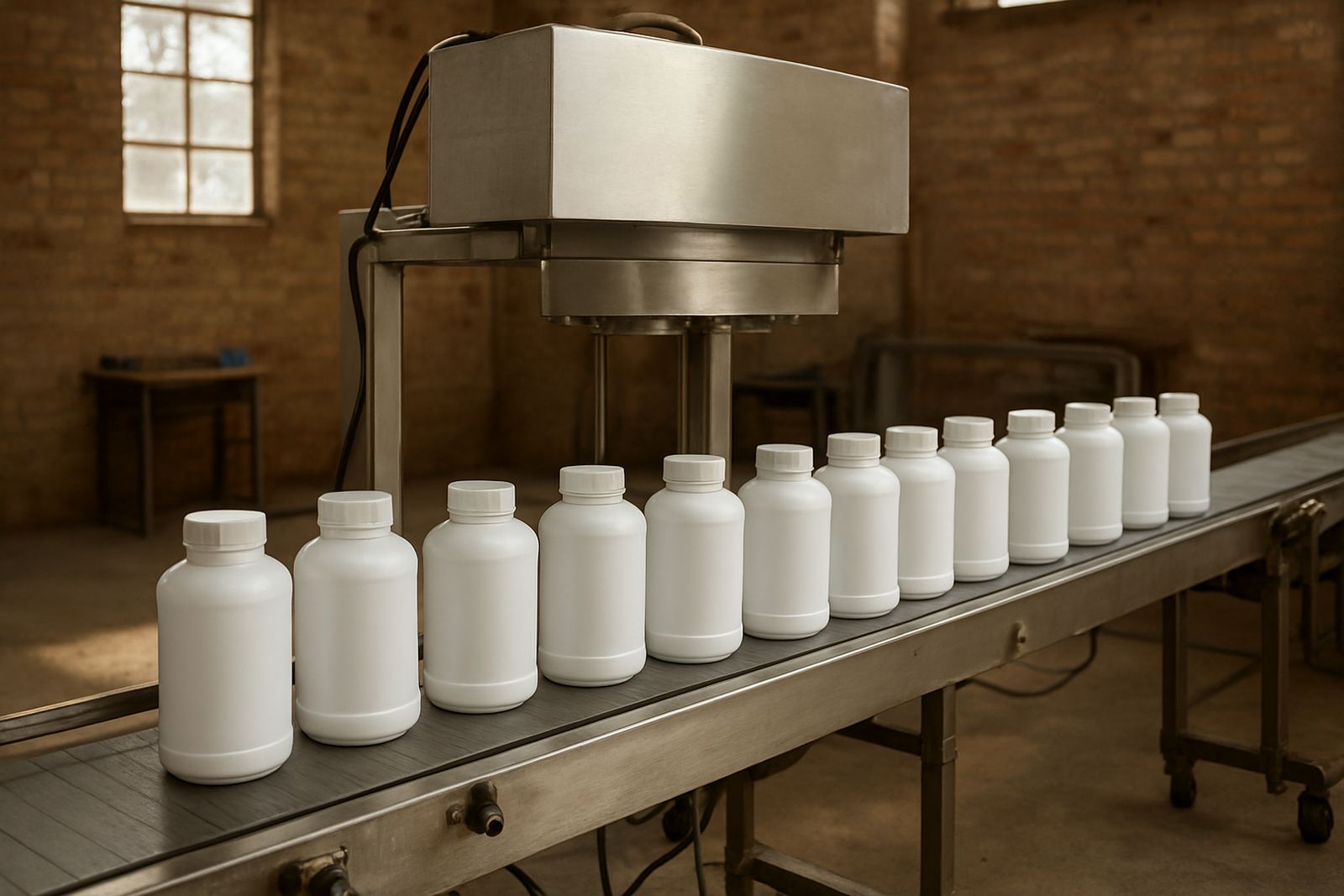
The Food Pack Sealer is an induction cap sealing unit used to bond a foil liner to the mouth of a bottle or jar after capping. The heat is generated inside the liner and not by direct contact, so the seal is neat, repeatable and suitable for packs that must stay clean from filling right through to dispatch. For food producers, that means less risk of leaks, less chance of contamination and a stronger tamper-evident finish that customers can see at once.
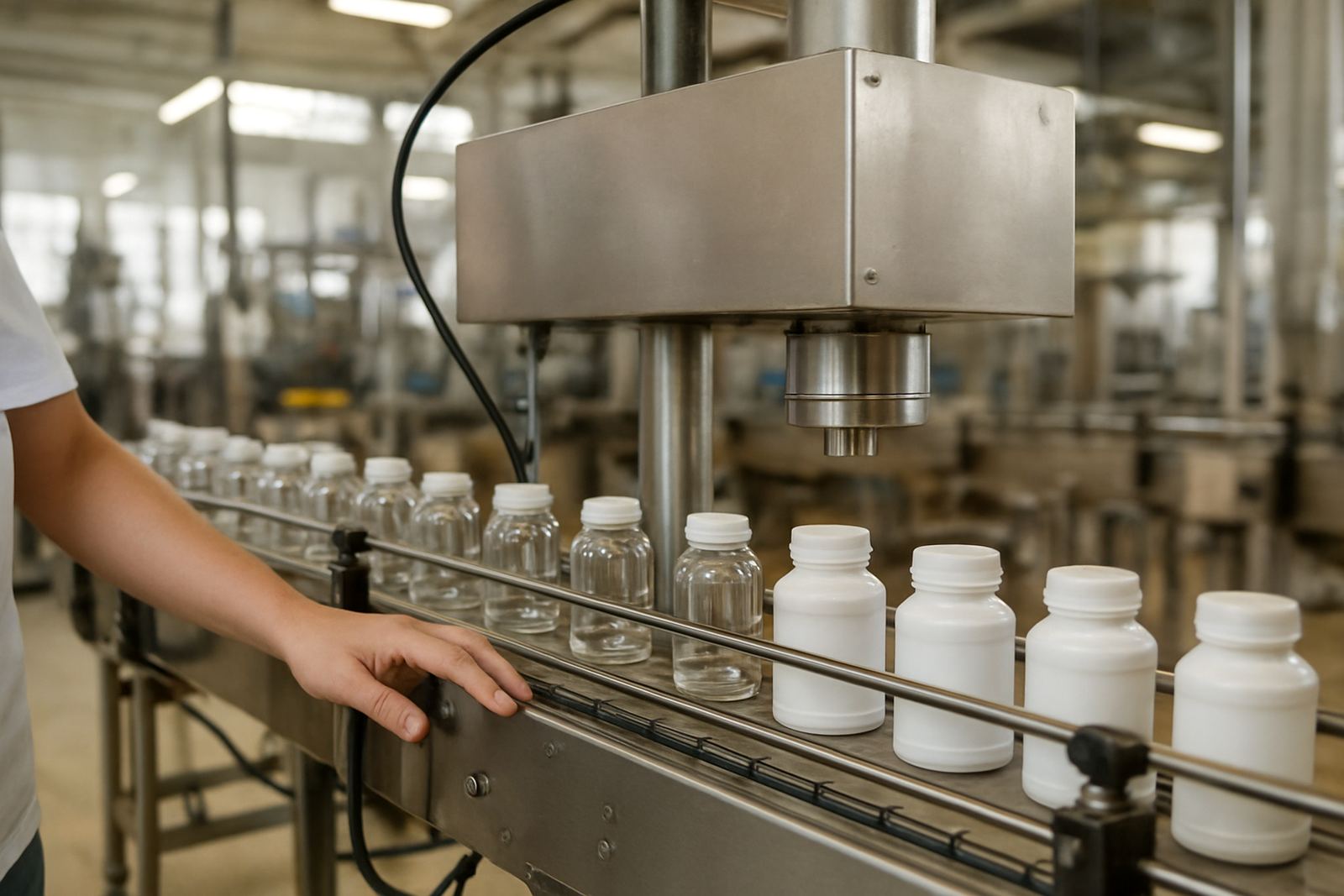
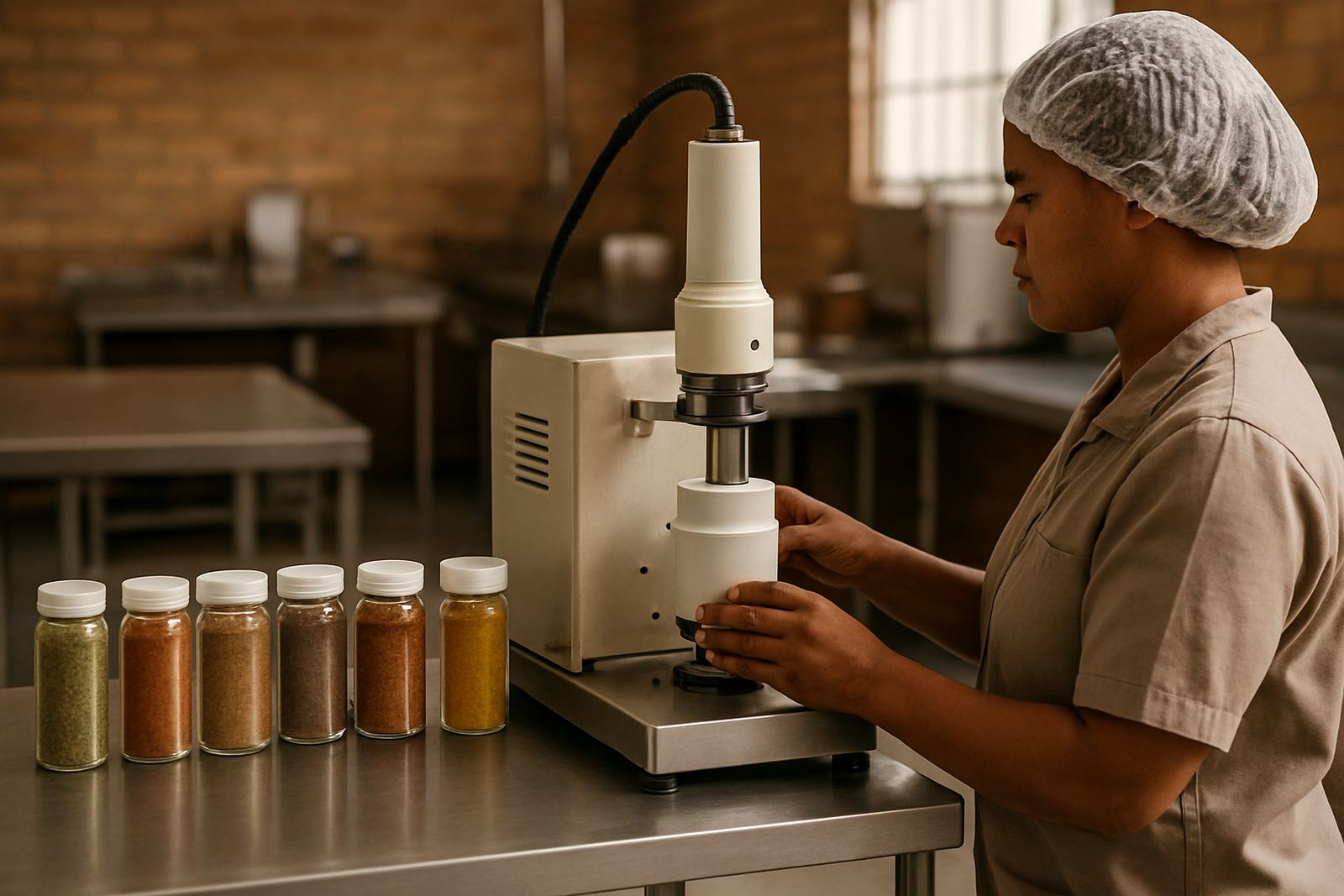
It suits sauces, spice blends, seasoning powders, chutneys, dry ingredients and other shelf-stable products packed into plastic or glass containers with compatible caps. On a production floor it usually sits after filling and capping, either as a bench unit for smaller runs or as part of an in-line setup for higher output. If you are packing into PET jars, HDPE bottles or glass containers, the sealing head can be matched to the cap and liner size so the bond is even across the full opening.
Size options and sealing formats available
Food packers in South Africa do not all run the same pack sizes, so the unit is supplied with sealing formats that can be matched to your container range. The most common cap sizes are from 20 mm up to 120 mm, covering spice tubs, sauce bottles, bulk jars and retail packs. For larger necks, the sealing head can be specified to suit the exact opening and production pace.
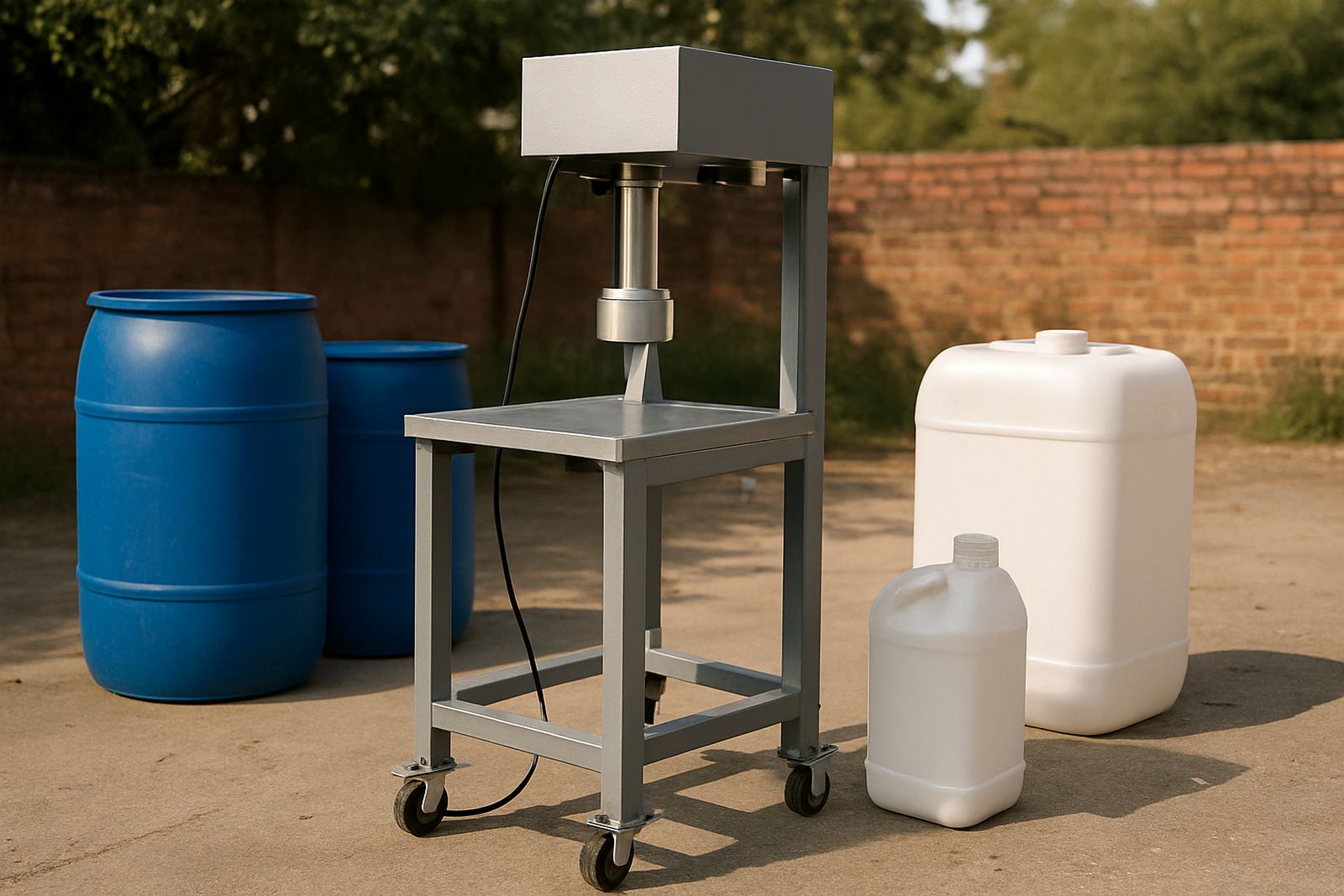
Depending on your line, you can choose between hand-fed sealing for slower packing rooms and continuous use on conveyor lines for higher volume work. Some users prefer a portable unit for more than one pack room, while others need a fixed machine with height adjustment and a stable frame for daily operation. If your products change through the year, for example from small spice jars to wider condiment bottles, liner matching can be arranged so the seal remains reliable across different pack styles.
- Cap diameters: typically 20 mm to 120 mm
- Container types: PET, HDPE and glass with suitable caps
- Use mode: bench-top, portable or line-mounted
- Throughput: selected to suit small batches or regular production
Where it works best in food packing
This sealer is a practical fit for food plants that need clean closure control without overcomplicating the line. It is used in condiment rooms, dry goods packing areas, spice blending sites, contract packing plants and regional depots that fill retail or wholesale orders. In Durban and the coastal belt, the induction seal helps protect packed goods from humidity during storage and transport. In inland areas, it gives the same protection against handling, dust and accidental opening during delivery.
The unit is also useful where packers need to meet retailer packing requirements or internal quality checks. A well-applied foil liner can help reduce claims caused by seepage, product caking or loose caps during distribution. For businesses sending stock to Pietermaritzburg, Pinetown, Richards Bay and nationwide routes, the seal gives extra peace of mind when loads are moving through warm trucks, warehouses and cross-docks. It is especially handy where a tamper-evident finish is expected and the product must arrive looking tidy, not touched-up.
- Sauces and condiments
- Spices, herbs and seasoning mixes
- Powders and dry ingredients
- Retail and contract packing runs
Power, installation and line integration
Installation depends on the model and the speed you need from the line. Smaller bench units are typically straightforward to place on a packing table or a short conveyor section, while larger systems are mounted over the capper outlet and adjusted for bottle height, cap type and travel speed. Bottle Sealers handles site installation, line commissioning and operator training from Jacobs in Durban, with support available for sites in Prospecton, Pinetown, Pietermaritzburg and Richards Bay.
Most food pack sealers work from standard single-phase or three-phase electricity, depending on output and head size. If your site has load-shedding exposure, it is worth planning the sealing station around your backup power arrangement so the line does not stall mid-shift. The unit does not need gas, compressed air or water in the basic setup, which keeps the install simple. Where the production room is close to the coast, good electrical earthing and tidy cable routing matter because damp air can cause nuisance faults if equipment is left poorly maintained.
Care, servicing and daily checks
Induction sealing is reliable when the head is kept clean, the caps are aligned correctly and the liners are stored properly. Operators should check that the bottle top is dry, the cap is tightened to the correct torque and the liner is the right type for the product. If powder or syrup dust builds up around the neck finish, it can affect the seal, so a quick wipe-down is worth the time. The machine itself needs only basic care, but that care should be done regularly, not only when something goes wrong.
Bottle Sealers provides preventive maintenance, breakdown repairs, spares supply and remote support for sealing lines across South Africa. If a pack room starts seeing weak seals, lifted foil or inconsistent results, the issue may be a worn sealing head, the wrong liner spec, poor cap torque or a speed setting that no longer suits the line. Our service team can check the setup and set the machine back to proper working order, before the problem grows into rejected stock or rework. A little attention now saves a lot of product later.
- Keep sealing heads clear of dust and product residue
- Store foil liners dry and away from heat
- Check cap torque and bottle height regularly
- Record seal test results as part of routine QC
What to check before you order
Before placing an order, it helps to have the container details ready so the right sealing setup can be matched to your pack. Start with the bottle or jar neck diameter, cap type, material of the container, line speed and whether you need bench-top use or full line integration. If you are sealing more than one product, note each cap size and the product fill style, since sauces, powders and dry goods can call for different liner grades. This is where proper liner matching matters, because the wrong spec can cause problems even if the machine itself is fine.
You should also confirm the pack room conditions, especially if the site is hot, humid or exposed to dust from production nearby. In some plants, the sealing station sits close to fillers and cappers; in others it is run in a separate packing room with manual capping. That detail changes the installation and the operator training needed. If you are not sure, send photos of the cap, container and current line layout, plus a sample if possible. We can then advise on the most suitable head, seal style and maintenance plan for the work you need done.
- Container neck size and cap diameter
- Product type: sauce, spice, powder or dry goods
- Target output per hour
- Power supply available on site
- Need for installation, training or service backup
Local support from Jacobs, Durban
Bottle Sealers is based in Jacobs, Durban and supports food packers nationwide, with regular work in Durban, Pinetown, Prospecton, Pietermaritzburg and Richards Bay. Our team includes Sibusiso Mthembu, Nokuthula Dlamini, Jared Naidoo, Lindokuhle Khumalo, Megan Govender and Themba Zulu, so you deal with people who understand both the sealing machine and the day-to-day pressure of a packing floor. Whether you need a new installation, a line check or urgent breakdown support, we keep the focus on getting the seal right and keeping production moving.
If you are packing food for local retail, wholesale or export orders, a proper induction seal is one of the easiest ways to improve pack confidence. It is a simple step, but it protects the product from the factory floor to the customer shelf, and that matters every day.
Key facts
| Sealing method | Induction heating bonds a foil liner to the container mouth after capping |
|---|---|
| Typical cap sizes | 20 mm to 120 mm, with custom matching available for larger necks |
| Suitable containers | PET, HDPE and glass bottles or jars with compatible caps |
| Power | Single-phase or three-phase options depending on output and model |
| Installation | Bench-top, portable or line-mounted setup with height adjustment |
| Support services | Site installation, commissioning, training, maintenance, repairs and spares |