Built for busy filling lines
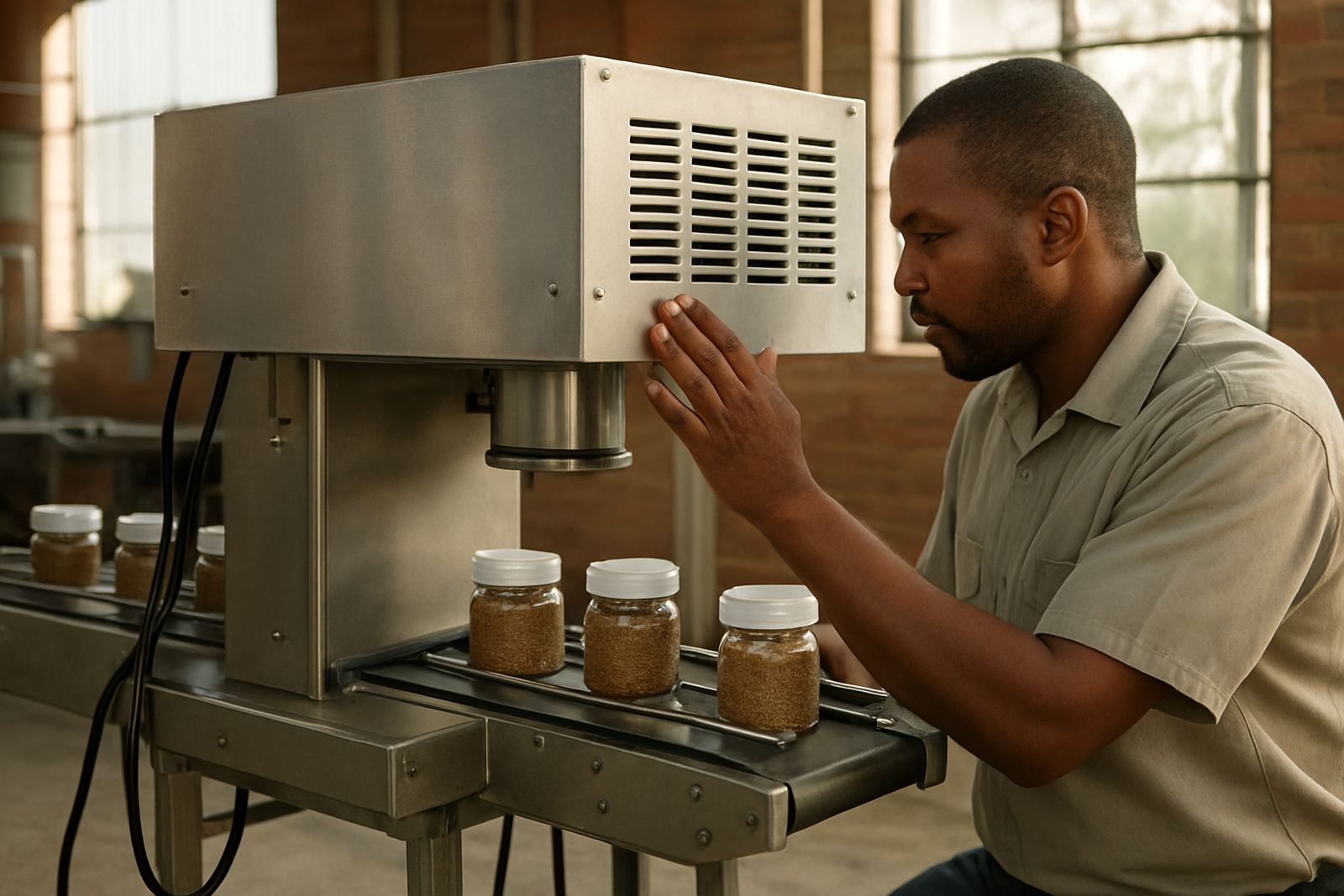
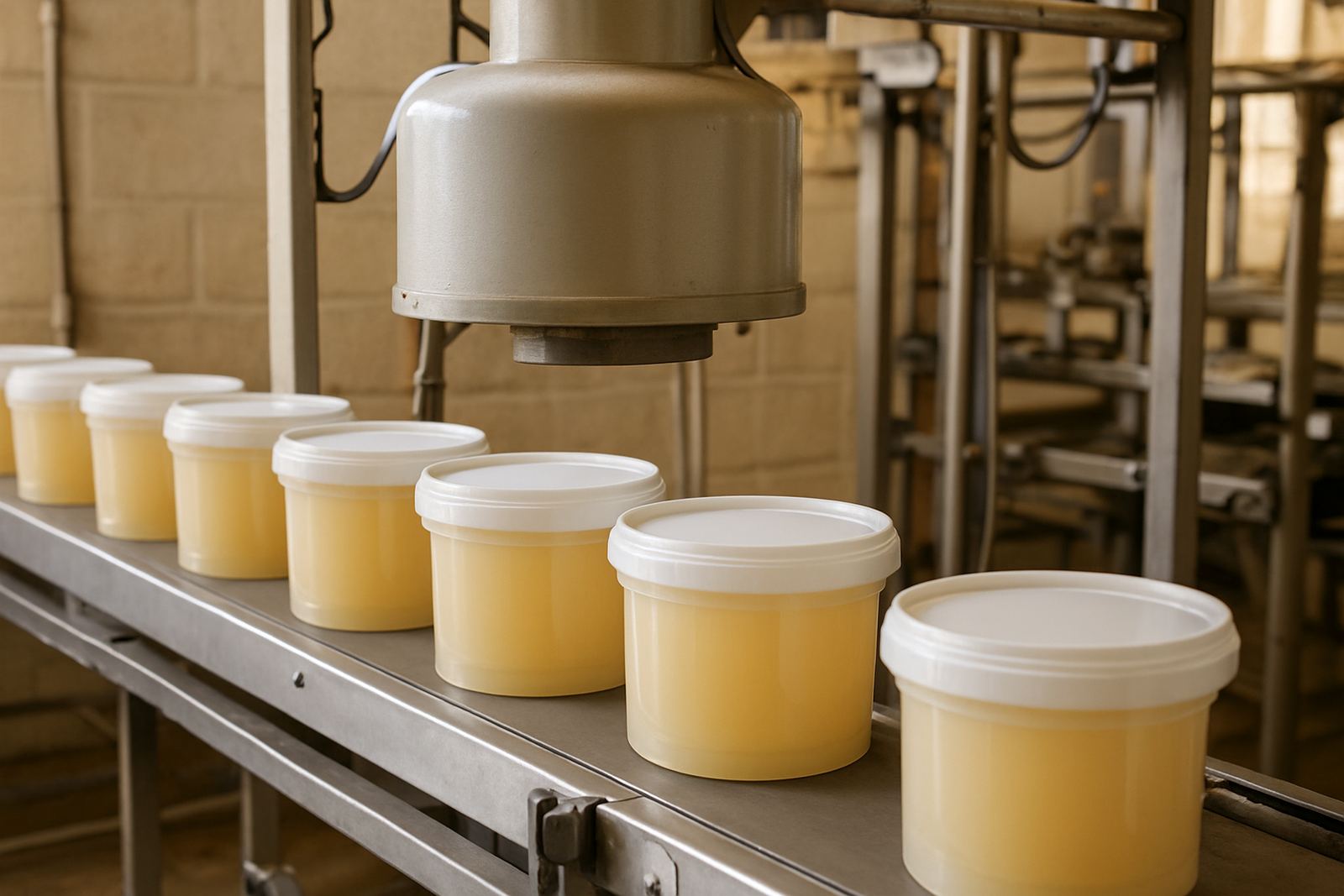
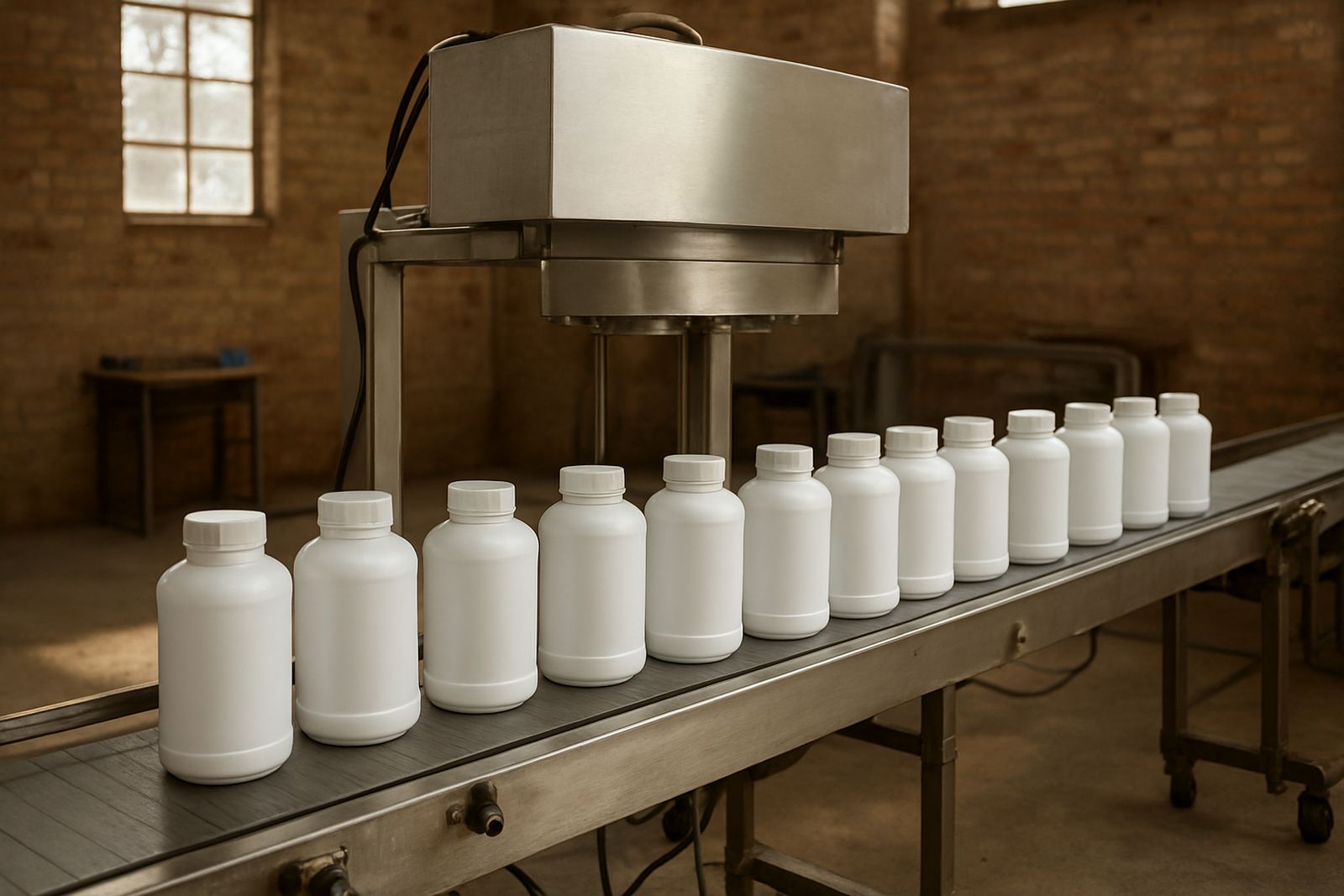
The Inline Sealer 3000 is a continuous induction cap sealer used after filling and capping, where containers pass under the sealing head on a moving line. It applies heat through the liner to bond the foil or seal layer to the container mouth, giving a clean closure without direct contact on the product. For Durban plants dealing with humidity, temperature change and shift work, that consistency matters because a poor seal can mean leakage, rejected stock or customer complaints.
This unit suits operations that have moved beyond hand-applied or bench-top sealing and need better control over seal quality across longer runs. It is commonly used with plastic bottles, jars and tubs in food, chemical and pharmaceutical packing lines, and it can be set up to match different cap and neck sizes. The aim is simple: keep the line moving and keep every seal looking and performing the same.
Where the Inline Sealer 3000 fits best
It works well where throughput is moderate to high and where seal integrity has to stay consistent throughout the day. Typical sites include contract packers, bottling rooms, small manufacturers and regional plants in Jacobs, Pinetown, Prospecton and Pietermaritzburg. It is also a practical choice for Richards Bay operations where product movement and storage conditions can vary, especially with coastal moisture.
- Pharmaceutical bottles and supplement packs
- Food products such as sauces, powders and dry goods
- Cleaning and chemical products that need tamper evidence
- Facilities running 1 to 3 shifts with regular line changes
- Sites needing fewer seal rejects and better pack control
For wet season production, the sealing head should be matched carefully to the liner material and cap design. That small step saves time later, because once a line is running at speed, a mismatch shows up quickly in failed seals or uneven bond strength.
Sizes, options and line integration
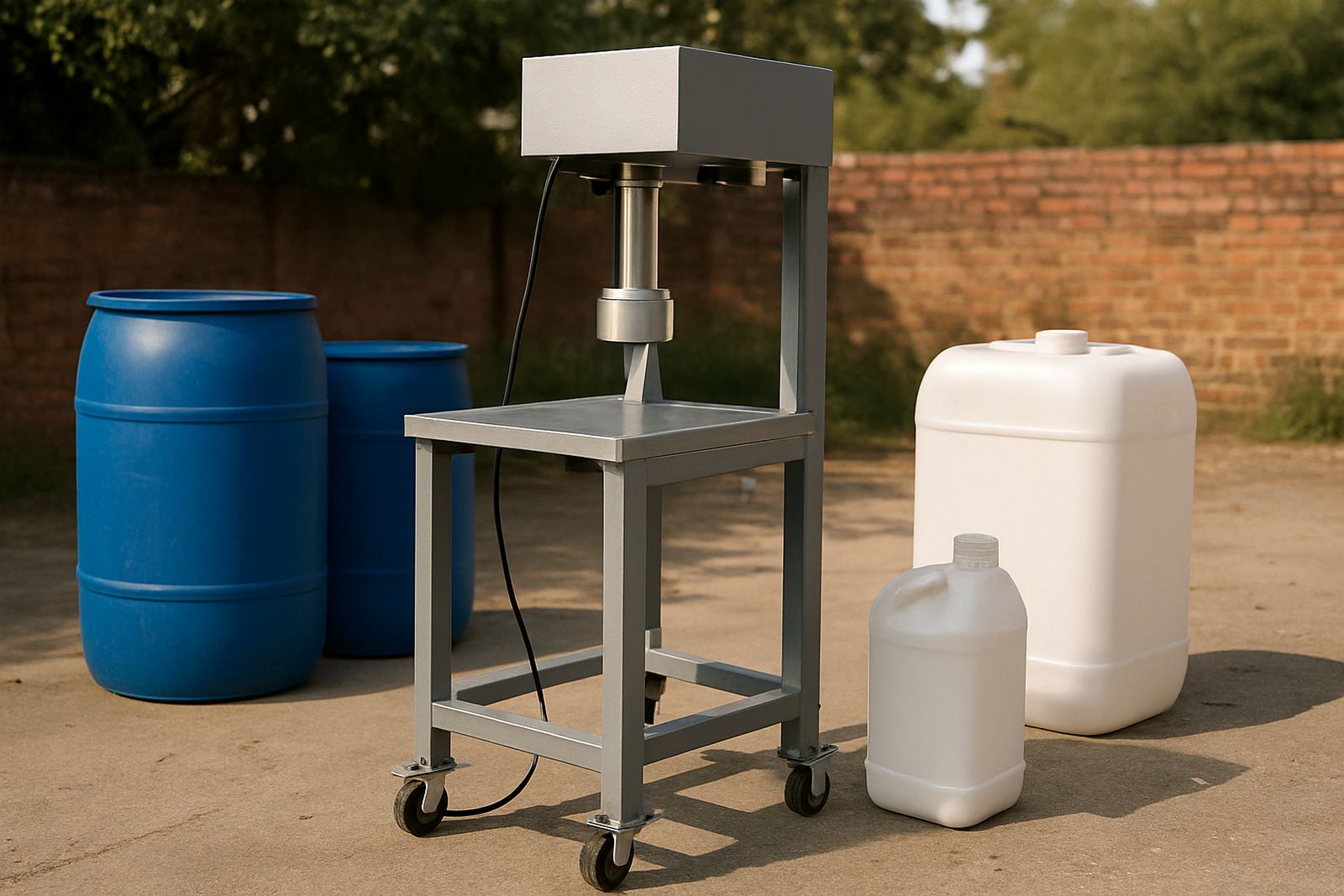
The Inline Sealer 3000 is supplied as a line-mounted unit with options that can be matched to container height, cap diameter and line speed. It can be integrated into new filling lines or added to existing conveyors with the right mounting and guide arrangement. Depending on the pack format, the sealing head height and tunnel position can be adjusted for repeatable results.
- Adjustable sealing head height for mixed container ranges
- Variable conveyor speed matching for steady output
- Single-head configuration for standard throughput
- Optional line guides for stable bottle tracking
- Compatibility with foil liners selected for the container material
When planning a unit, it helps to know the container top shape, neck finish and cap lining type. A round shoulder bottle behaves differently from a square chemical pack, and if the cap sits too high or too low the seal can become uneven. That is why liner matching is just as important as the machine itself.
Installation, power and site checks
Installation is normally done on a level conveyor section with enough infeed and outfeed space for smooth container movement. The machine needs proper alignment so the caps pass directly under the sealing head without wobble or side pull. In a factory where floors vibrate or the conveyor frame flexes, extra bracing may be needed to keep the setup steady.
Power requirements depend on the final specification, but the unit should be planned into the site electrical supply before delivery. Stable power is important on South African lines, especially during load shedding when restart conditions can vary. If the line is backed by a generator or inverter system, the electrical load and starting behaviour should be checked first, because a sealer that is undersupplied will not hold settings properly.
- Confirm conveyor height and available line length
- Check single or three phase supply before installation
- Allow for clean earthing and safe cable routing
- Keep the area dry and free of cap dust or spillages
- Plan access for operator checks and service work
Care, servicing and sealing consistency
Like any production machine, the Inline Sealer 3000 performs best with routine attention. The sealing head, guards, sensors and conveyor path should be checked daily for build-up, loose fittings and wear. Liners must be stored correctly too, because damp storage or crushed cartons can affect seal performance before the product even reaches the line.
Preventive maintenance should include inspection of wear parts, belt condition where applicable, and testing of seal quality at set intervals. A quick seal check at start-up and again after a line change can stop a batch problem early. In humid coastal areas this is especially important, because moisture can creep into packaging stock and change the way a liner behaves under heat.
We also advise keeping a small spare parts kit on hand for the items that stop a line fastest. That usually includes the most used service parts, guides and consumables needed for normal running. It saves time when a busy production day is on and a technician is not immediately available.
What to confirm before you order
To specify the right Inline Sealer 3000, send the packaging details with as much detail as possible. The more exact the information, the easier it is to match the sealer to your line and avoid delays during commissioning. If you are sealing more than one product size, list each bottle or container separately.
- Container material, height and neck finish
- Cap diameter and liner type or material
- Target line speed and daily output
- Product type and whether it is food, pharma or chemical
- Available power supply and line layout
- Whether you need installation, training or remote support
If your plant is in Durban, Pinetown, Richards Bay or Pietermaritzburg, a site visit can help confirm layout and service access. Bottle Sealers also supports line commissioning, operator training, seal validation, preventative maintenance and breakdown repairs, so the sealer is not just supplied and left. It is set up to run properly from the start, which is what most factories want.
Key facts
| Machine type | Inline induction cap sealer for continuous production lines |
|---|---|
| Typical use | Higher throughput sealing where consistency is critical |
| Container range | Plastic bottles and jars with matched cap and liner format |
| Line setup | Conveyor mounted with adjustable head position |
| Power supply | Site dependent, confirm single or three phase during order |
| Support | Installation, commissioning, training, maintenance and repairs |