Built for Long Runs and Tough Filling Areas
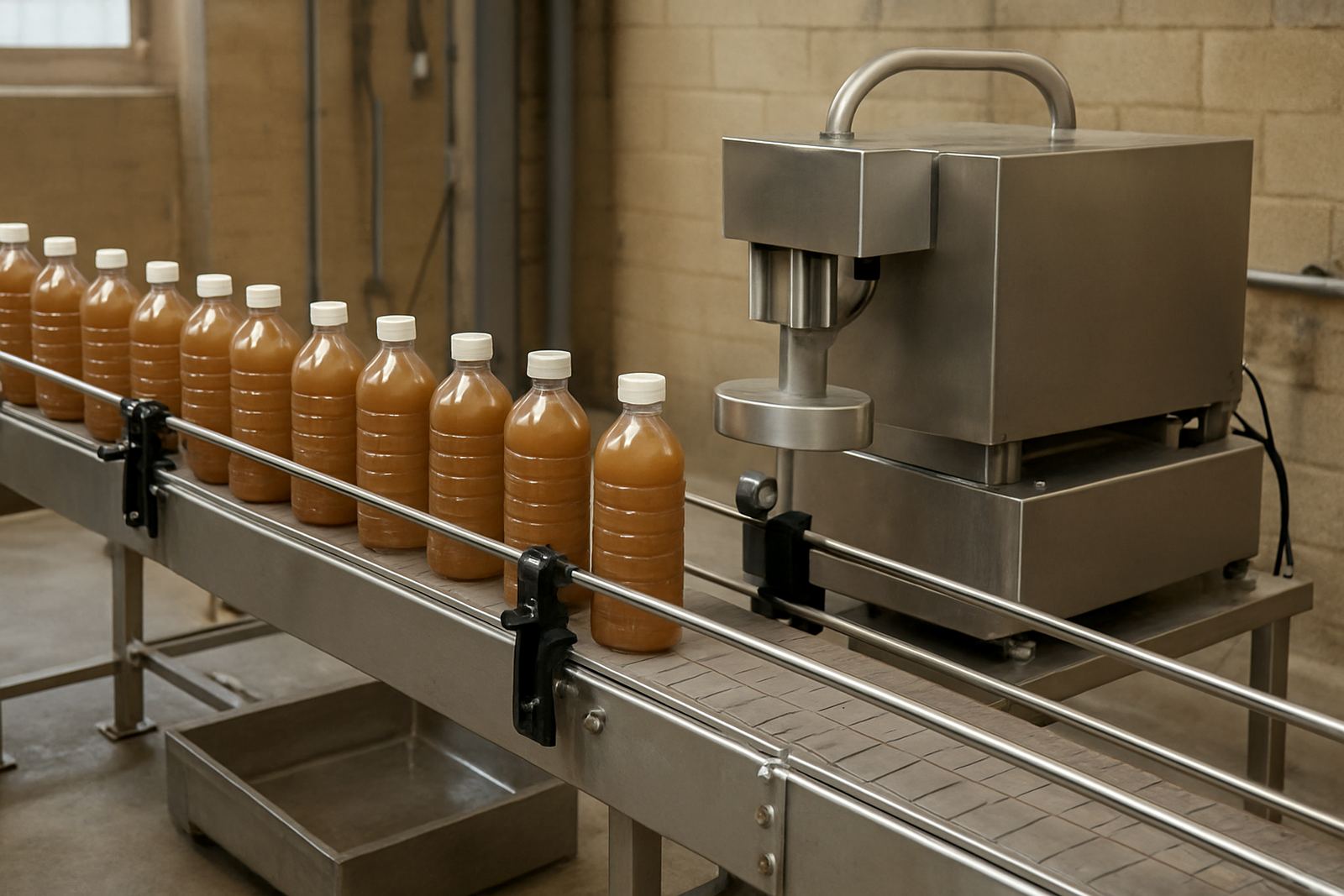
A heavy duty sealer is an induction cap sealing system set up for more demanding production conditions than a light duty unit. It is chosen where bottles move fast, product output is continuous, and the sealing head must keep working through warmer rooms, wet wash-down areas, and shift work that stretches into the night. In Jacobs and Prospecton, and on lines that ship into inland depots, buyers often want a machine that can keep seals consistent without constant adjustment.
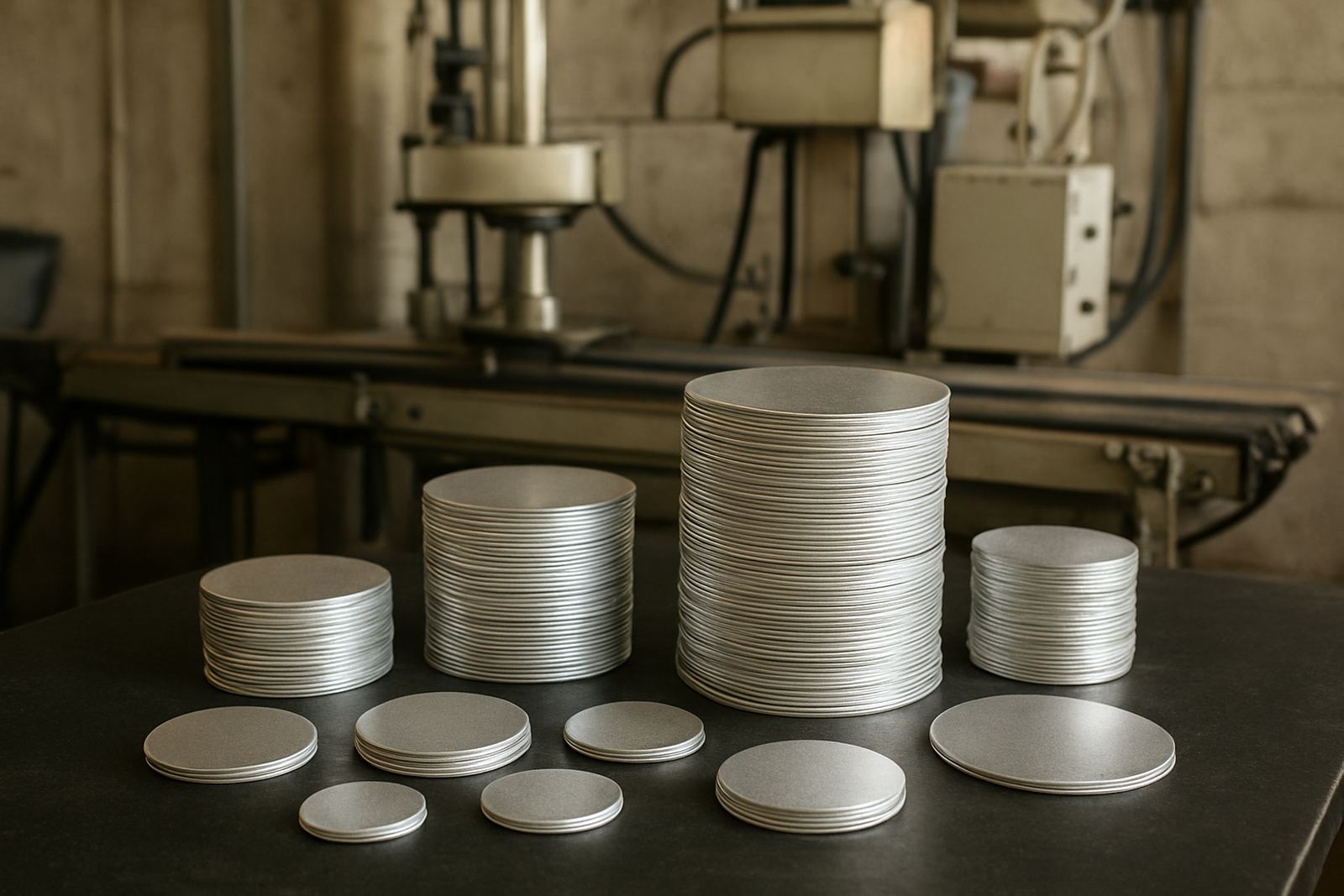
This model is practical for packers running 12 to 24 hour shifts, or for sites where load-shedding makes power recovery a daily concern. The sealing process is non-contact, so the foil liner in the cap is heated by induction and bonds to the bottle mouth once the cap is applied correctly. That helps protect product, reduce tampering, and keep out moisture and dust. It also means the seal quality depends on the right liner, cap fit, bottle finish and line speed working together, so setup matters from the start.
Sizes, Head Options and Output Ranges
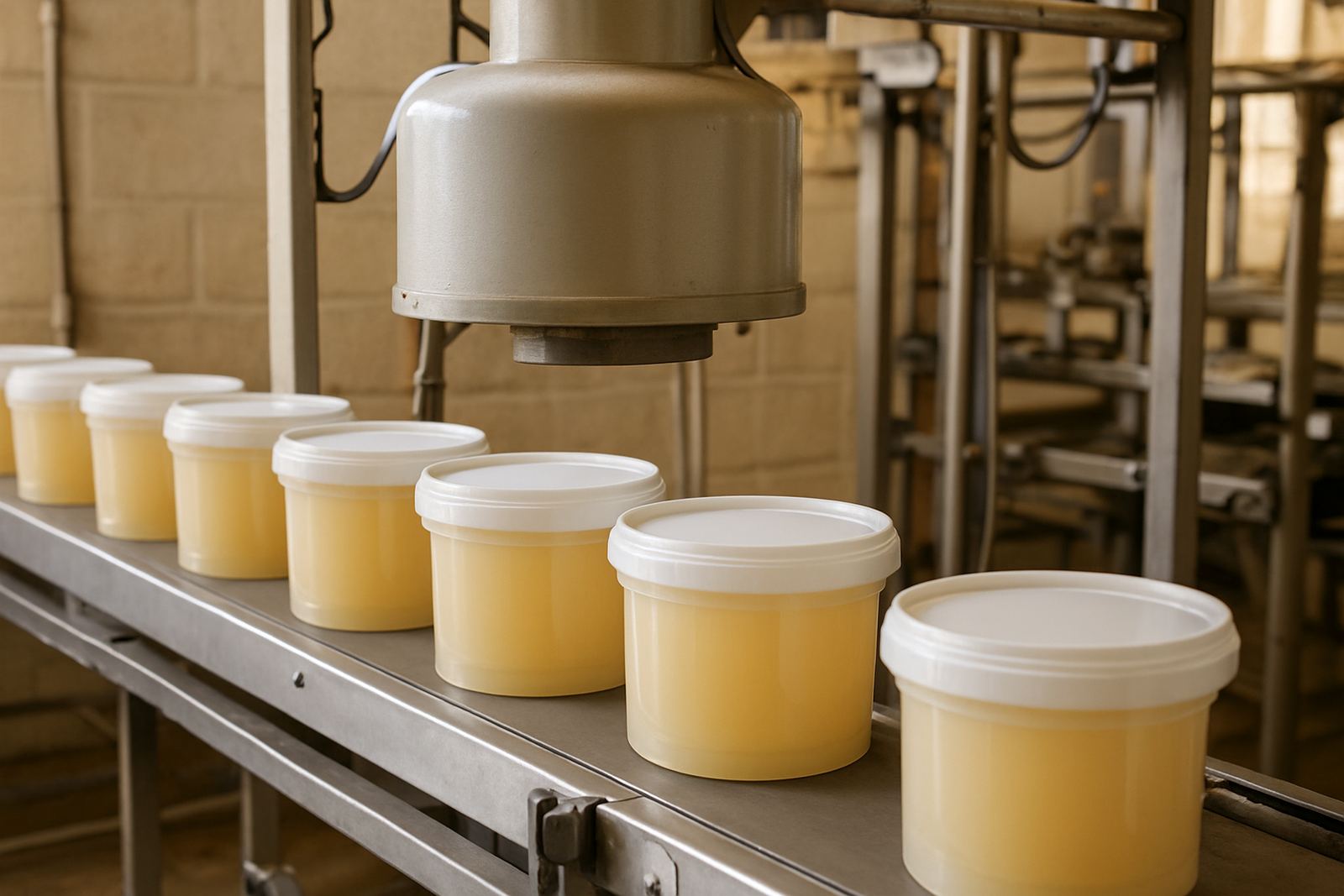
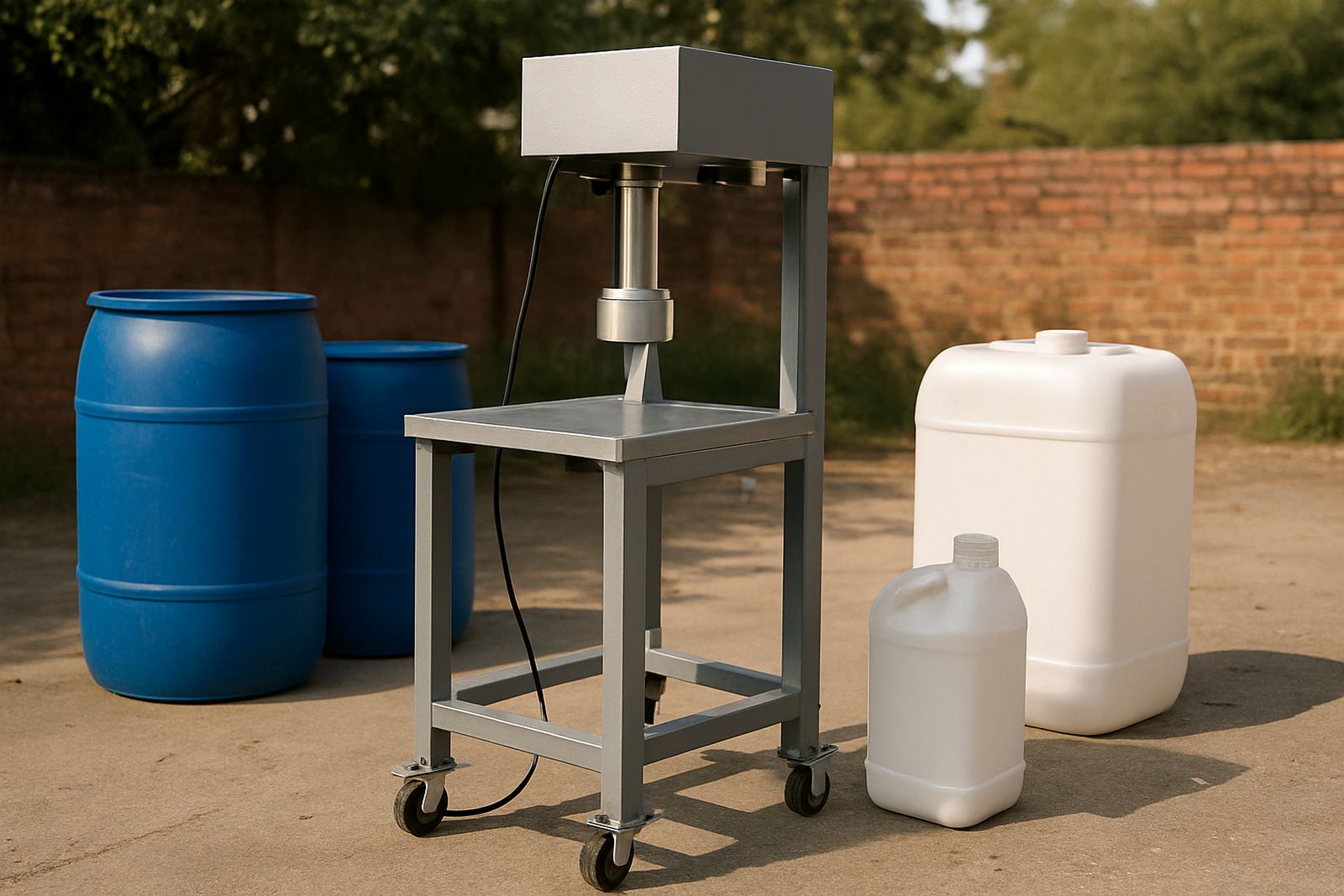
Heavy duty sealers are supplied in different head widths and conveyor formats to match bottle size, cap diameter, and line speed. A compact unit can suit smaller operations that still need industrial duty, while larger systems are better for multi-shift plants with higher throughput. Depending on the container and liner specification, the right setup may be a bench-mounted head, a conveyor-mounted head, or a fully integrated line section. The aim is to match the sealing zone to your actual pack pattern, not just the bottle shape on paper.
Common options include adjustable sealing heads, variable conveyor height, and cooling or hold-down arrangements where the pack is tall, light, or prone to toppling. Some lines need a wider aperture for larger closures, while others need a narrow focused head for smaller neck sizes. For Durban humidity and coastal storage conditions, we also look at how the liner behaves after filling and capping, because a pack that leaves the line looking fine can still fail later if the wrong material is used.
- Container range: small bottles through to larger jugs, depending on the head aperture
- Cap types: screw caps with induction compatible foil liners
- Line speed: matched to the actual pack rate and dwell time needed
- Mounting: stand-alone, in-line, or integrated with existing conveyor sections
- Options: adjustable height, guide rails, and operator controls
Where This Sealer Suits Best
This type of sealer suits pharmaceutical liquids, tablets and powder products, food items like sauces, oils and dry ingredients, plus chemicals that must stay closed during transport and storage. It is especially useful where the pack needs clear evidence of tamper protection and where shelf life is affected by air, moisture, or contamination. In coastal areas such as Durban and Richards Bay, good sealing also helps reduce issues linked to humidity and product spoilage.
It is a strong fit for contract packers, regional bottlers, and manufacturers that send stock through warehouse networks into Pietermaritzburg, Pinetown, and wider KZN. Because the seal is made inside the cap after capping, it can suit production areas where space is tight and a simple, repeatable process is preferred. For chemical packs, the liner choice is critical, since the wrong material can weaken when exposed to aggressive contents or vapours. For food and pharma, you want a liner that supports product safety and clean presentation too.
Power, Installation and Line Integration
Installation normally takes place at the end of the capping section or immediately after cap application, depending on the line layout. The unit needs a stable conveyor, correct bottle spacing, and a clean power supply. Most heavy duty sealers are supplied for standard factory electricity, and the exact current draw depends on head size and duty cycle. On sites where supply dips happen during load-shedding, we advise checking backup arrangements and generator compatibility so the line does not stop and start in a way that affects seal consistency.
During commissioning, the service team checks head height, dwell time, cap torque, foil liner type, conveyor speed, and bottle stability. If the pack is unsteady, the seal can pass one day and fail the next. That is why line setup is just as important as the machine itself. We also confirm safe operator access and make sure the sealing zone is positioned so maintenance can be done without pulling half the line apart, which saves time later.
- Stable single-phase or three-phase supply, depending on the selected unit
- Correct conveyor speed and pack spacing for the chosen liner
- Dry, level mounting surface and proper earthing
- Access for cap feeding, head adjustment and routine cleaning
- Space for spare liner rolls and service tools near the line
Care, Cleaning and Preventive Servicing
A heavy duty sealer performs best when it is kept clean and checked regularly. Dust, product residue, and loose cap fragments can collect near the head, guide rails and conveyor edges. In wet areas, especially where wash-down happens often, you need to keep an eye on corrosion points and cable condition. A quick daily wipe-down, weekly inspection, and scheduled preventive maintenance will usually do more for uptime than a major repair after the fact.
Our service team can support breakdown repairs, spares supply, and seal validation so plants can keep moving with less interruption. Operators should watch for loose caps, poor liner placement, unusual heat marks, or seals that peel unevenly. If the machine begins to drift, it usually means something has changed in the cap, bottle, liner or line speed, not always the heater itself. A proper service call can catch that early, and save product from being packed wrong for a whole shift.
What to Confirm Before You Order
To specify the right heavy duty sealer, we need a clear picture of the pack and the line. Please confirm bottle material, neck finish, cap type, liner format, production speed, and whether the product is food, pharma or chemical based. If you already have bottles and caps on site, send samples. It is also important to note the line height, available floor space, and whether the unit must fit into an existing conveyor path or work as a stand-alone station.
If you are unsure about liner matching, we can help check the closure and product combination before you place an order. That matters especially where the pack must cope with heat, moisture, or transport over long distances. We can also advise on site installation, operator training, and remote support for plants across Durban, Pinetown, Prospecton, Pietermaritzburg and Richards Bay. With the right information upfront, the sealer is easier to set up and far less trouble later on.
- Bottle material and neck size
- Cap style and liner requirement
- Target output per hour
- Product type and filling temperature
- Available power and line layout
Key facts
| Machine type | Heavy duty induction cap sealer for in-line production |
|---|---|
| Typical use | Food, pharmaceutical and chemical bottle sealing |
| Power | Configured to suit site supply and line duty cycle |
| Output | Matched to the pack rate and dwell time required |
| Integration | Stand-alone or conveyor-mounted installation |
| Support | Installation, commissioning, training, maintenance and repairs |