How two piece liners work on your capper line
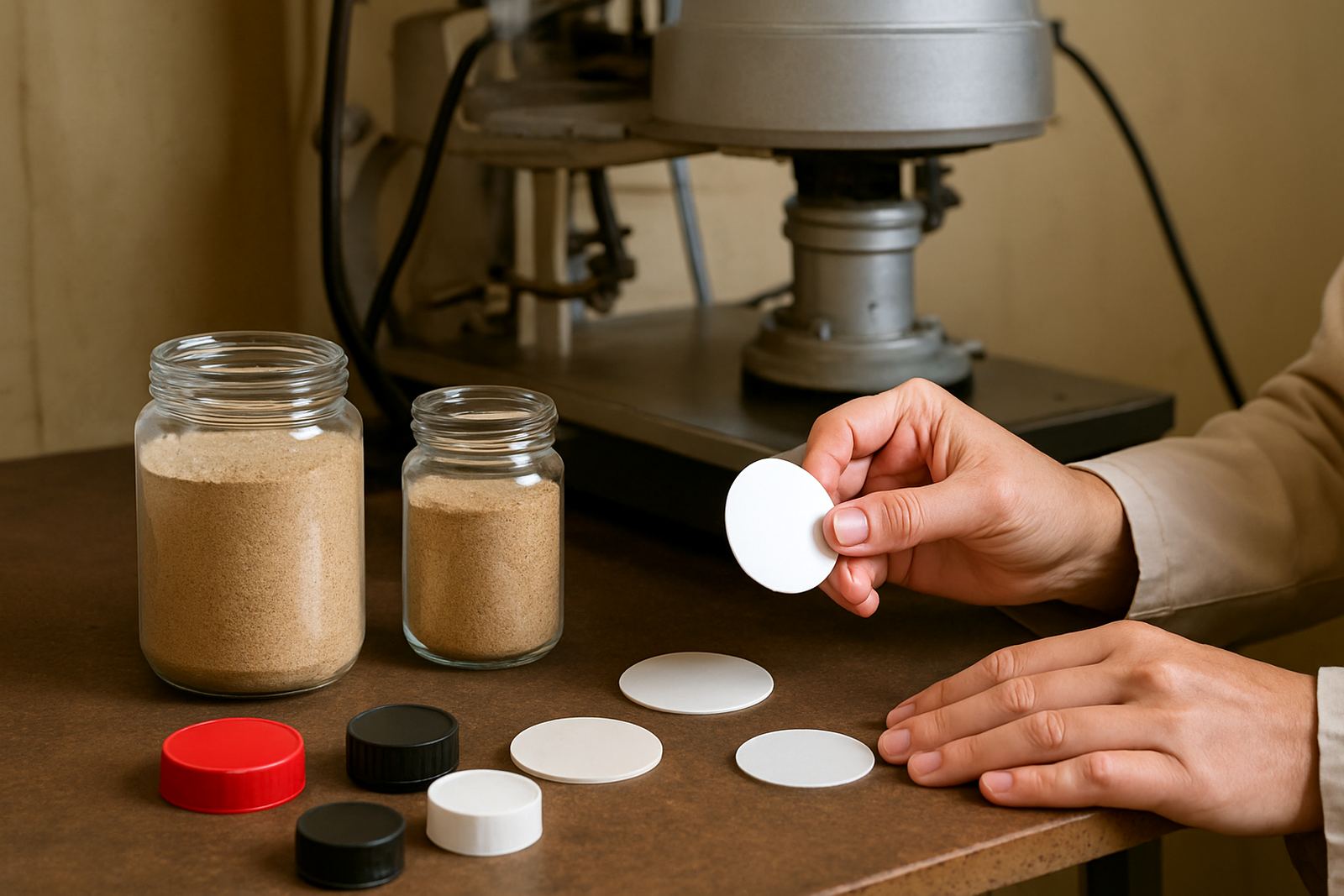
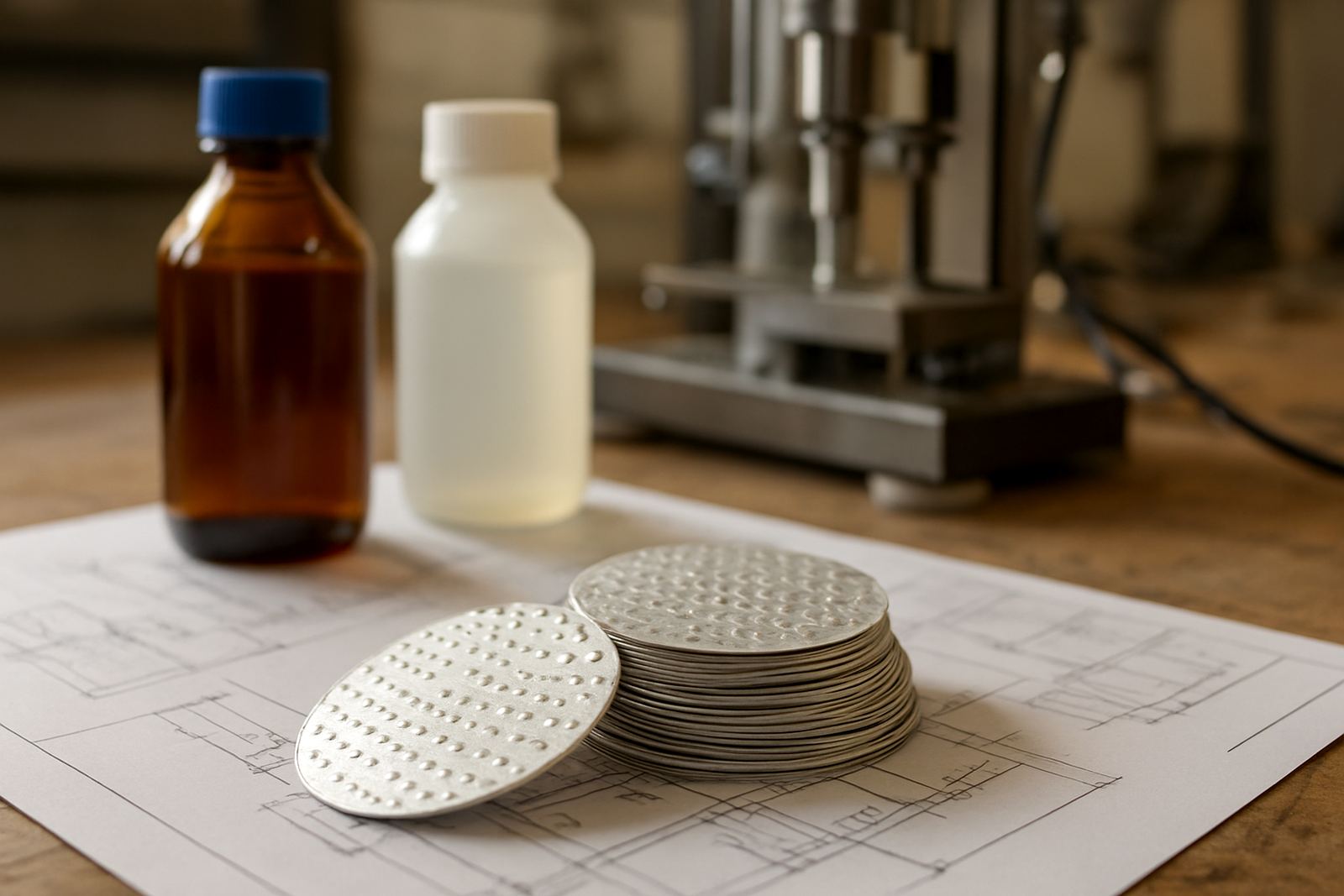
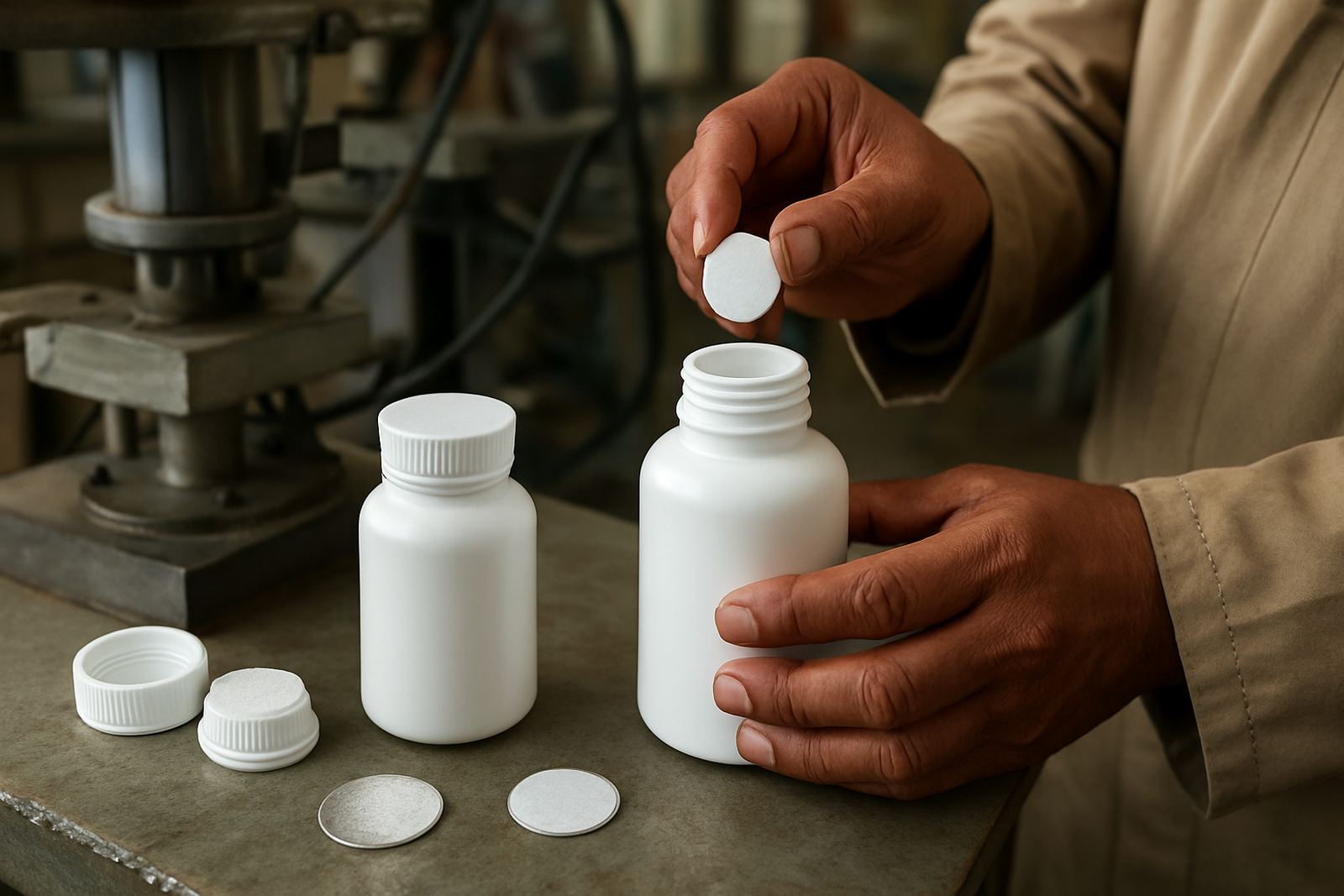
Two piece liners are made up of a foil seal layer and a backing layer. During induction sealing, the foil bonds to the container rim while the backing layer stays inside the cap, so the customer gets a neat peel effect when the cap is first opened. This format is often used where the pack must look clean and the seal must show clear tamper evidence.
They are commonly used on plastic bottles and jars with screw caps, especially where the product may travel through hot inland routes, coastal humidity, or long warehouse storage before reaching the shelf. The liner choice has to suit the cap material, neck finish and product fill temp, otherwise the seal can lift or wrinkle and cause headaches down the line.
- Peelable foil layer for easy first opening
- Backing layer remains in the cap after opening
- Suitable for induction sealing with standard cap sealing heads
- Good for tamper evidence and product presentation
Where two piece liners are a good fit
These liners suit products where the customer must see that the pack has never been opened, but still needs an easy peel. They are used on syrups, tablets, powders, sauces, detergents, solvents, surface cleaners and many other packed goods. In Durban and along the coast, they are also a sensible choice where moisture can work its way into ordinary closures if the seal quality is poor.
They are not only for premium presentation. They are practical on production lines that run mixed pack sizes and need a reliable seal before cartons move into dispatch. For small batch work in Pinetown, or higher output lines in Prospecton and Richards Bay, the right liner can cut rejects and reduce complaints about leaks, product spoilage or cap contamination.
- Pharmaceutical bottles and supplement containers
- Food jars, sauces and dry goods packs
- Chemical and cleaning product containers
- Contract packing and private label lines
Sizes, thicknesses and lining options available
Two piece liners are supplied to match the bottle neck and cap size on your line. Common diameters include 20 mm, 28 mm, 38 mm, 45 mm and larger sizes for wide-mouth containers. Thickness and material build vary by application, with some packs needing a lighter peel and others needing a stronger seal for heat, vapour or transport vibration.
We also look at whether the pack needs plain foil, printed seal messaging, or a liner that can handle oily, powdery or aggressive contents. A liner that works in a cool warehouse may behave differently once the same stock is on a line in mid summer in Durban, so the final choice should always be matched to the real pack and not just the cap size.
- Standard round diameters for common bottle necks
- Wide-mouth options for jars and bulk packs
- Peelable constructions for clean first opening
- Material choices for moisture, oil or chemical resistance
What the line needs for installation and running
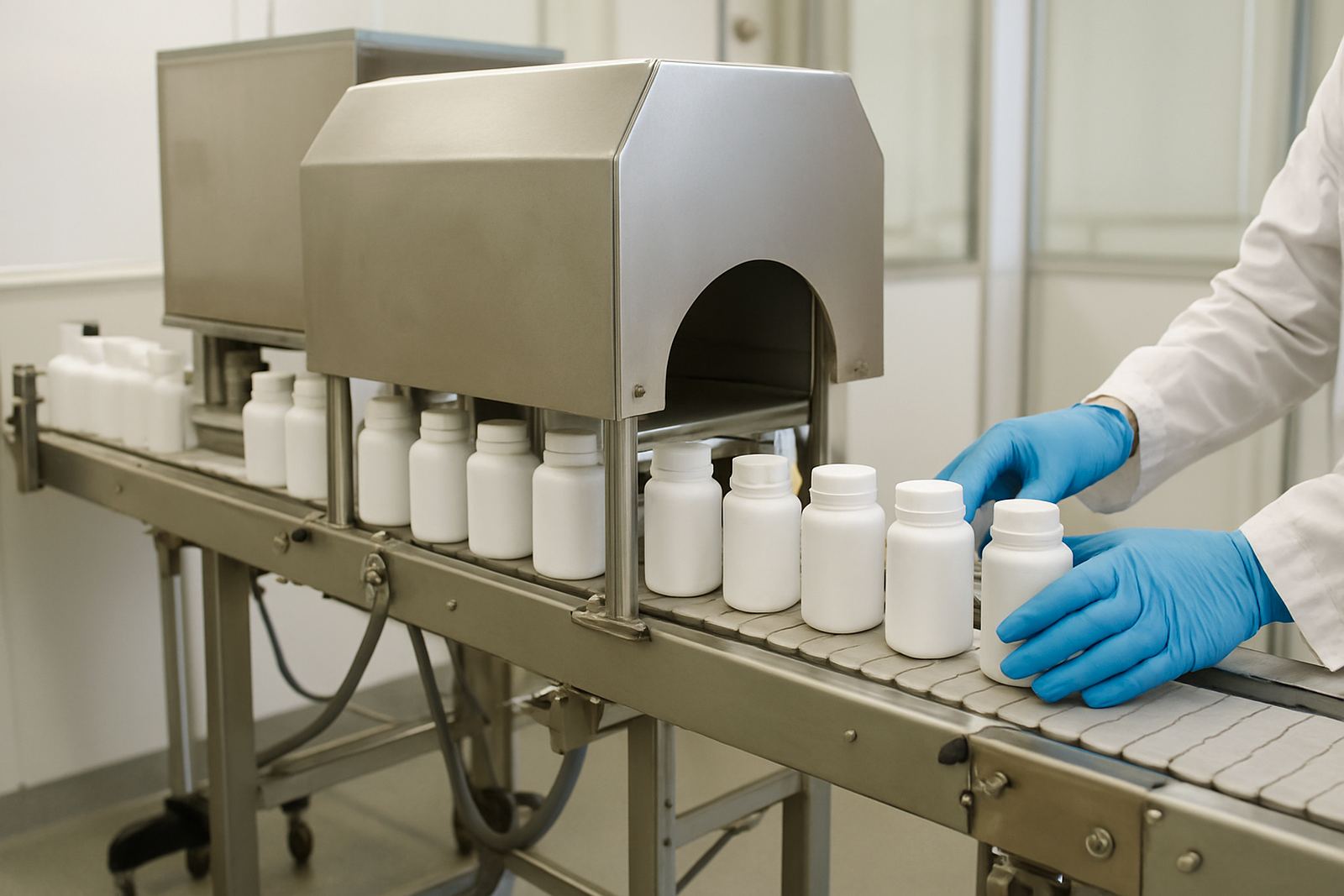
Two piece liners are used with induction sealing equipment, so the line needs a capper, a sealing head and a stable power supply. Most systems run on standard electrical supply, though the exact load depends on line speed and head size. For sites dealing with load-shedding, a tested backup plan is worth having because an interrupted seal cycle can waste product and cause stop-start issues.
The liner itself does not need gas, but the line setup should allow for steady conveyor movement, correct cap torque and a clean sealing zone. If the container surface is dusty, wet or contaminated, the seal will struggle. On some plants in Jacobs and Prospecton, the fix is as simple as improving the cap feed, checking line height and confirming the induction head is centred over the finish.
- Stable power supply for repeatable sealing cycles
- Correct cap torque before induction sealing
- Clean, dry container neck and cap thread area
- Matched head size and conveyor height
Care, storage and servicing on a busy pack line
Foil liners should be stored in a dry area away from heat, direct sun and heavy dust. Keep cartons off the floor and away from damp walls, especially in coastal stores where humidity can creep in. If the liners are left open too long on the shop floor or next to a wash area, you can lose consistency, and that is where sealing faults start to show.
On the equipment side, the induction unit needs regular checks on head condition, cooling, conveyor speed and alignment. Preventive maintenance helps avoid failed seals, damaged caps and wasteful rework. Our service team supports line commissioning, seal validation, remote support and breakdown repairs for sites that cannot afford long interruptions. A short service visit often saves a full days lost production, sometimes more if the line is high volume.
- Keep liners sealed in their original packaging until use
- Store in a cool, dry area with low dust
- Inspect the induction head and conveyor alignment regularly
- Schedule checks before seasonal demand peaks
What to check before you place an order
Before ordering, confirm the container material, cap type, neck finish, fill product and line speed. If you are switching from another liner style, send samples of the bottle and cap so the match can be checked properly. The wrong liner can look acceptable at first, then fail after a few days in the warehouse or during transport to inland branches.
It also helps to confirm whether you need peelable opening, child-resistant behaviour, chemical resistance, or a stronger hold for export movement. If your site uses more than one bottle size, list each one clearly so the liner match can be tested against every format. A small detail like a slightly taller neck or a liner with the wrong diameter can throw off the whole run.
- Container material and neck diameter
- Cap style, liner recess and closure torque
- Product type, fill temperature and storage conditions
- Required opening style and tamper evidence level
Technical support from Jacobs, Durban to sites nationwide
Bottle Sealers works from Jacobs, Durban and supports sealing lines across South Africa, including Pinetown, Prospecton, Pietermaritzburg and Richards Bay. Our team includes technical sales, service coordination, commissioning and field support, so you get practical help from first sample to line handover.
If your plant is setting up a new pack format or trying to reduce seal failures, we can help with liner matching, installation, operator training and optimisation. Send the cap and bottle details through our contact form and we will work through the pack requirements with you. The aim is simple: a good seal, a clean opening and fewer problems on the line.
- Site installation and line commissioning
- Operator training and seal validation
- Preventive maintenance and breakdown repairs
- Spares supply, liner matching and remote support
Key facts
| Product type | Two piece induction liner with foil seal layer and backing layer |
|---|---|
| Common sizes | 20 mm, 28 mm, 38 mm, 45 mm and custom neck sizes |
| Opening style | Peelable, with backing layer left in the cap |
| Best suited to | Pharmaceutical, food, chemical and cleaning product packs |
| Power requirement | Standard electrical supply for induction sealing equipment, model dependent |
| Service areas | Jacobs, Durban, Pinetown, Prospecton, Pietermaritzburg, Richards Bay and nationwide |