What pressure sensitive liners do on the cap
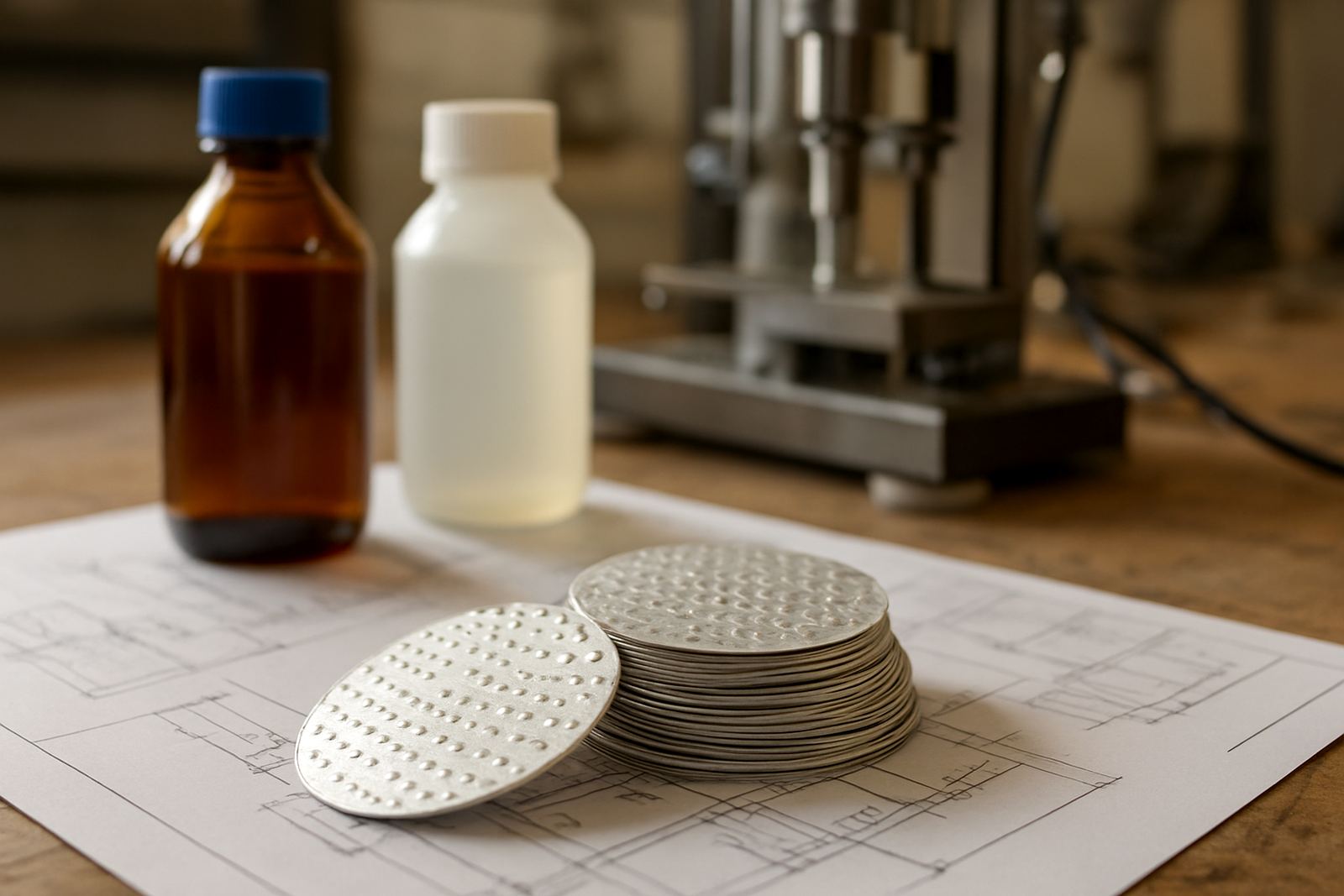
Pressure sensitive liners are placed inside the cap and seal to the container when the closure is tightened down. They do not need heat, induction current or extra machinery, so they suit packhouses and filling rooms that want a simpler closure step. Once applied correctly, the liner gives a neat seal that helps reduce dust entry, minor contamination and casual tampering.
These liners are generally chosen for dry goods and for products that are not filled hot. They work well where the pack is opened and closed by the end user, because many formats are resealable and easy to remove. For Durban and coastal KZN operations, they are also handy where humidity is present, as long as the liner grade is matched properly to the product and closure. A good fit matters more than most people think, and an oversize liner can cause lifting while a poor cap torque setting can lead to leaks.
Product types and size options available
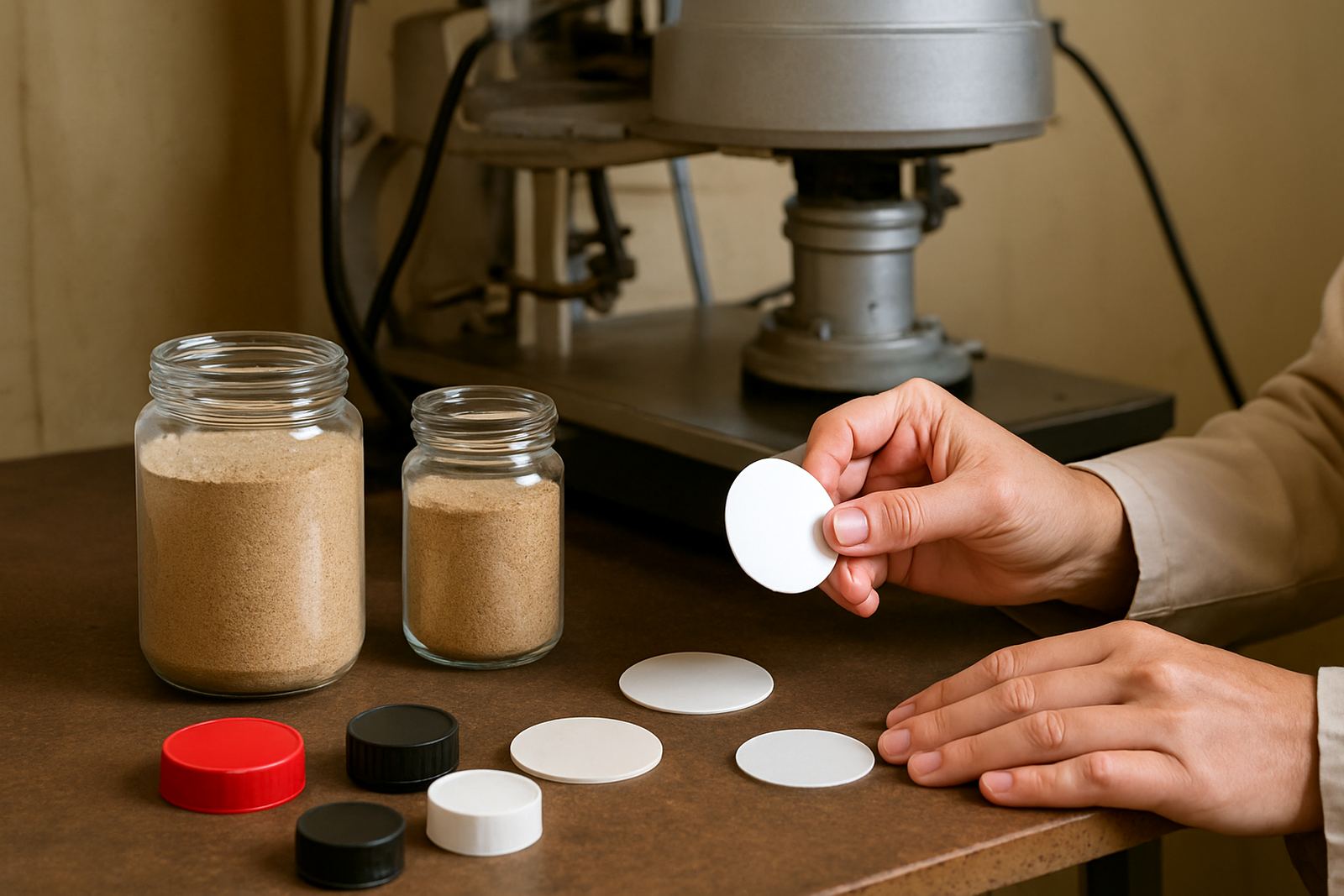
Pressure sensitive liners come in several constructions, depending on the container and the product inside. The right option depends on the cap size, neck finish, storage time and whether the pack needs a tamper evident feel or a clean peel. We help match the liner to the container and the line speed, so the seal performs as expected in day-to-day production.
- Foam pressure sensitive liners for dry powders, tablets and granules
- Paper and pulp style liners for light duty resealable applications
- Multi-layer liners for improved barrier on more sensitive dry products
- Custom die-cut sizes to suit common bottle and jar neck finishes
- Plain or printed liners, depending on the pack and the customer brief
Common sizes cover small pharmaceutical containers through to larger food and chemical packs. Typical diameters range from about 15 mm up to 120 mm, with special cut sizes available for larger closures and odd neck shapes. Thickness, density and adhesive performance are selected to suit the container material, whether it is PET, HDPE, PP or glass.
Where pressure sensitive liners suit best
These liners suit products that are dry, stable and packed at ambient temperature. They are a strong choice where the pack must remain tidy on the shelf and where the consumer needs a straightforward peel or reseal action. Many local businesses use them for products that move through distribution, courier channels and retail stores where minor handling happens before the pack reaches the customer.
- Pharmaceutical tablets, capsules and vitamin products
- Food powders, spices, dry mixes and seasoning blends
- Chemical powders, granules and non-volatile dry products
- Sample packs, refill packs and export cartons
They are not the best option for wet fills, oily contents or aggressive solvent-based products unless a specific liner grade has been approved. In hot-fill lines or on packs that will be exposed to high internal pressure, another sealing method may be more suitable. If a factory is near the coast, we often look at storage conditions too, because damp cartons and poor warehousing can affect liner handling before filling even starts.
How to fit them on your packing line
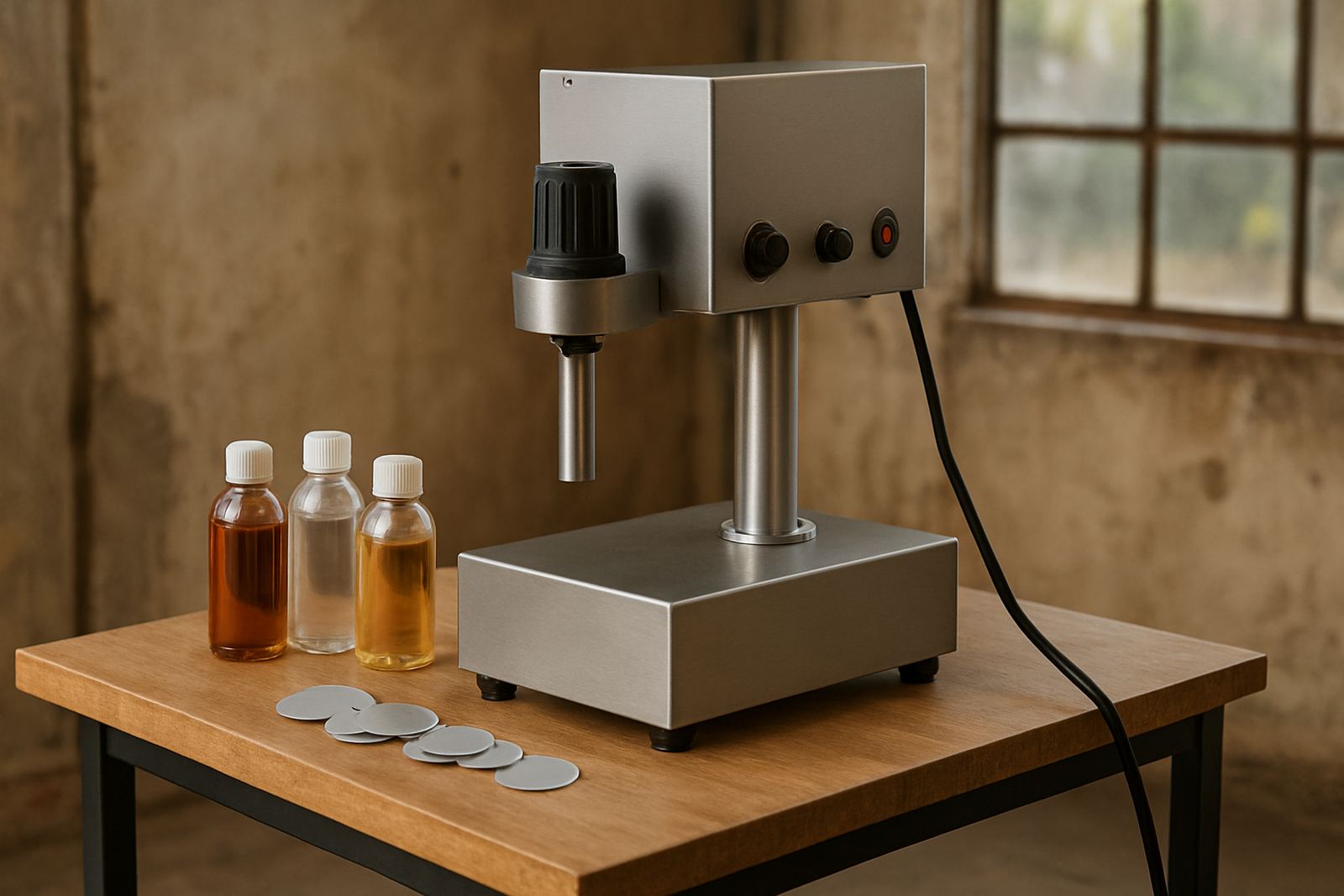
Pressure sensitive liners are easy to apply, but the cap and container need to be set up properly. The liner must sit flat in the cap, the cap thread needs to close evenly, and the product fill level must not interfere with the sealing surface. On a small line this can be done by hand, while faster operations use a cap placement station or liner feeding arrangement.
There is no induction head, gas supply or heating requirement for the liner itself. That keeps installation simple and avoids extra load on the electrical side of the plant. In many factories that helps during load-shedding planning, since the liner does not add another power-hungry stage to the process. We still check the capping torque, cap size and line rhythm, because a liner can only perform properly when the closure is consistent. If the cap is under-tightened, the seal may fail; if it is overtightened, the liner can crush or distort.
For new installations, our team can assist with line commissioning, operator training and practical seal checks. That includes confirming the cap fit, confirming the right liner orientation, and testing a few samples before bulk packing starts.
Care, storage and servicing on site
Pressure sensitive liners are simple to use, but they should be stored correctly if you want steady results. Keep them in a dry room, away from direct sunlight and high heat. Moisture and dust can affect handling, especially in older storerooms or in coastal sites where the air stays damp for long periods.
- Store cartons flat and off the floor
- Keep liners sealed until needed
- Avoid mixing old stock with fresh deliveries
- Check that the cap liners are not warped or curling
- Test a few packs after any change in bottle, cap or filling speed
Our service team can support preventive maintenance, breakdown repairs and liner matching when a pack starts to leak or lift. We also assist with seal validation and remote support for sites in Jacobs, Pinetown, Prospecton, Pietermaritzburg and Richards Bay. If the plant is running different product codes, it is worth checking each closure set separately because one cap size may behave properly while another gives trouble.
What to confirm before you place an order
Before ordering, we recommend checking the container material, cap finish, product type and the storage life you need. Those basics determine whether a pressure sensitive liner will give the right performance. It also helps to know whether the pack must be tamper evident, resealable or simply dust resistant.
Useful details to have ready include the bottle neck size, cap colour, liner diameter, whether the product is dry or slightly hygroscopic, and the volume you want to pack each month. If you are changing from another sealing method, send us samples of the bottle and cap so we can confirm fit. A small mismatch can cause more rework than expected, and on busy lines that is costly.
For customers in Durban and nationwide, Bottle Sealers supplies sealing support from Jacobs with site installation, spares supply, remote support and field commissioning where needed. Sibusiso Mthembu and the team work with food, pharma and chemical businesses that need dependable closure advice and practical service, not guesswork.
Key facts
| Product type | Pressure sensitive liner for cap-applied sealing |
|---|---|
| Application | Dry products, resealable packs and ambient fill lines |
| Typical diameters | Approx. 15 mm to 120 mm, with custom sizes available |
| Suitable containers | PET, HDPE, PP and glass |
| Line requirements | No induction unit, heat source, gas supply or compressed air for the liner itself |
| Common uses | Tablets, capsules, powders, granules, spices and dry chemical packs |