What a trigger bottle sealer does on the line
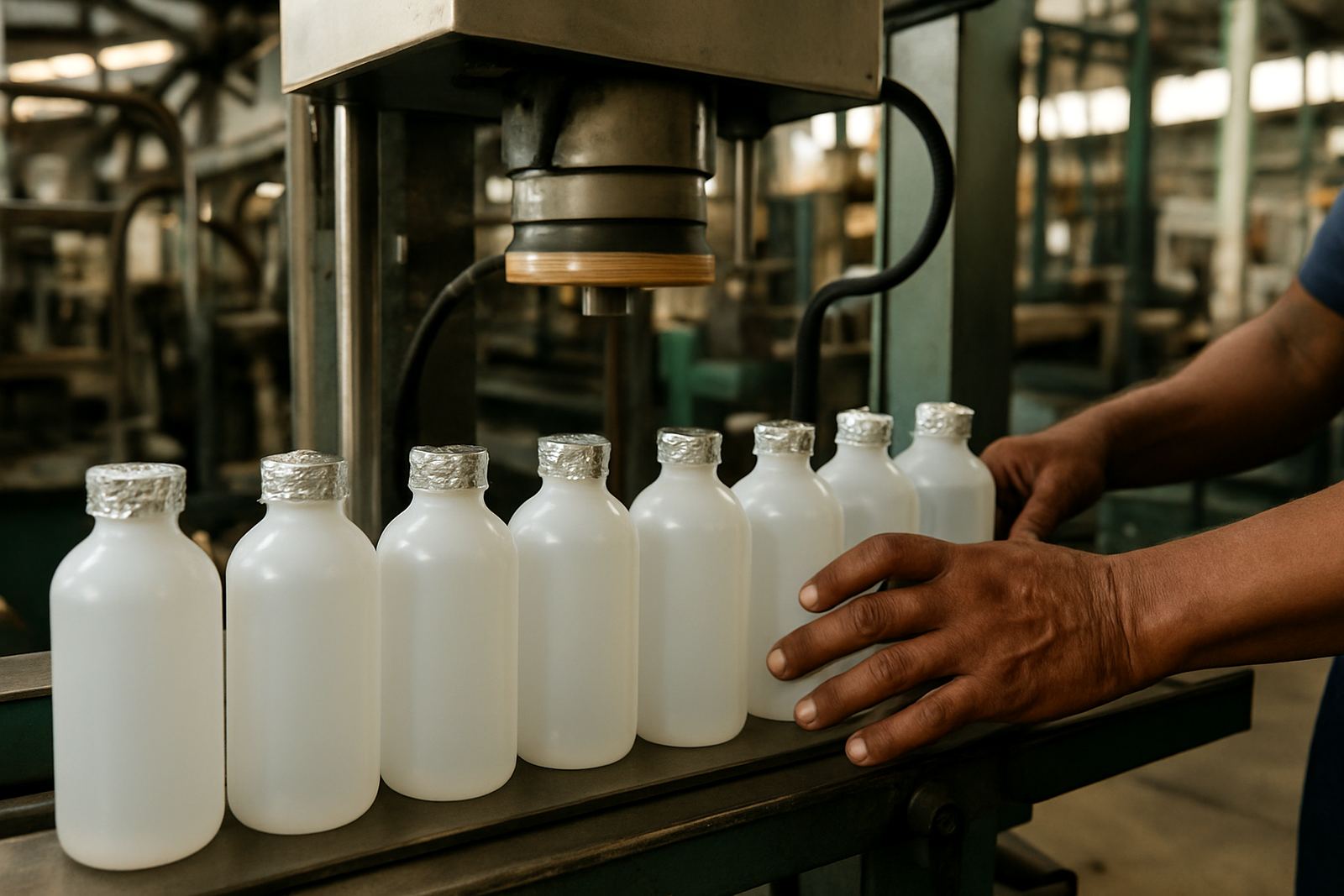
This setup applies an induction seal to the bottle mouth before the trigger or pump closure is screwed on. It is commonly used where the product must stay tamper evident, reduce leak risk, and keep the fill area clean from the point of packing onward. For liquid detergents, personal care products, disinfectants, solvents and some food applications, it gives the packer a neat first line of protection.
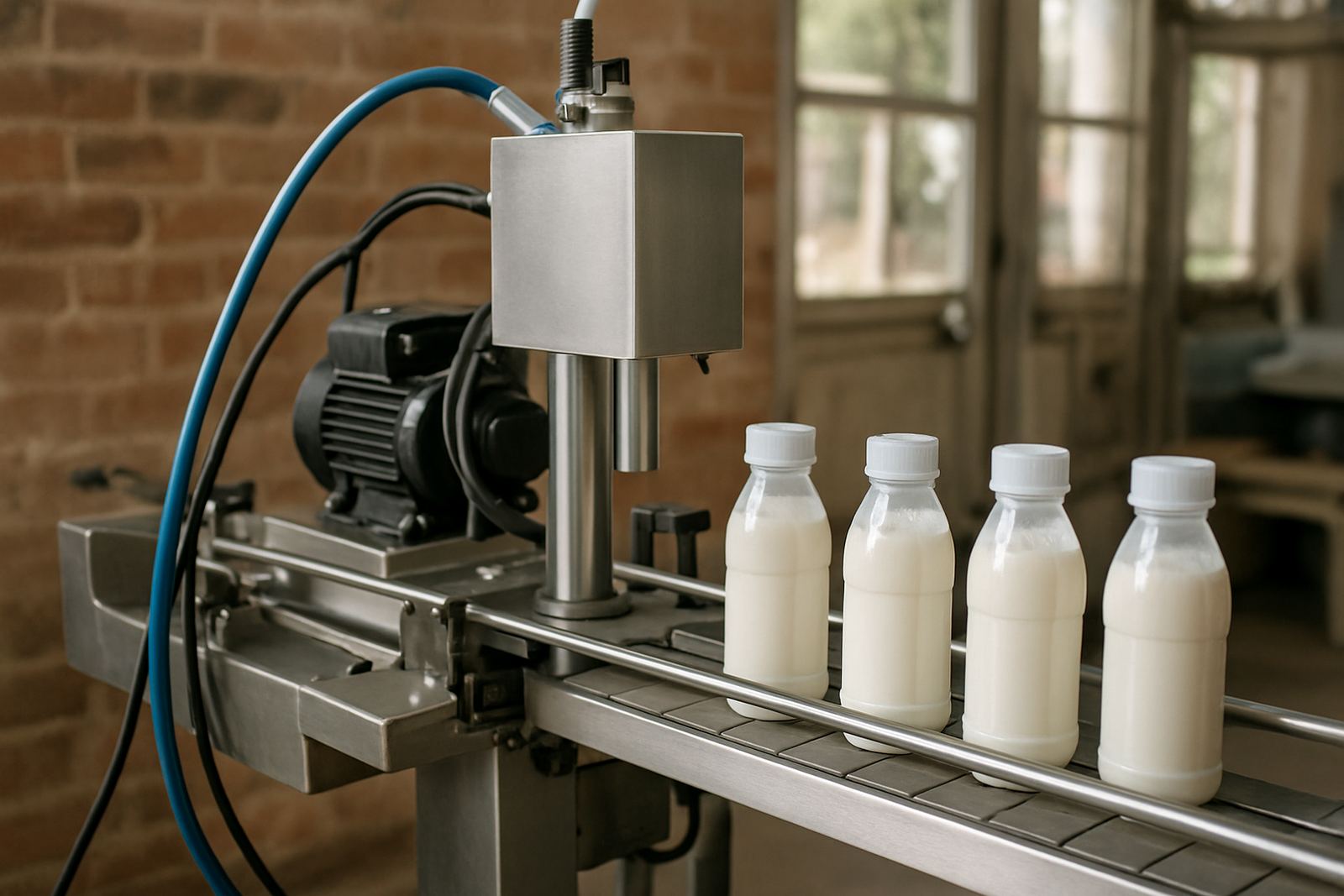
The machine is matched to the container neck size, liner type and fill speed. In practice, the bottle comes off the filler, passes under the sealing head, then moves straight on to capping. On a well set line there is no drama, just consistent seals that hold through handling and normal South African distribution, from Durban humidity to inland warehouse heat. A missing seal on this type of pack can mean spills, returns or product loss, so the setup needs to be right from day one.
- Works with trigger, pump and spray closures after induction sealing
- Suitable for glass and many plastic bottles, depending on neck finish
- Used on manual, semi automatic and inline packing lines
Available sizes and sealing options
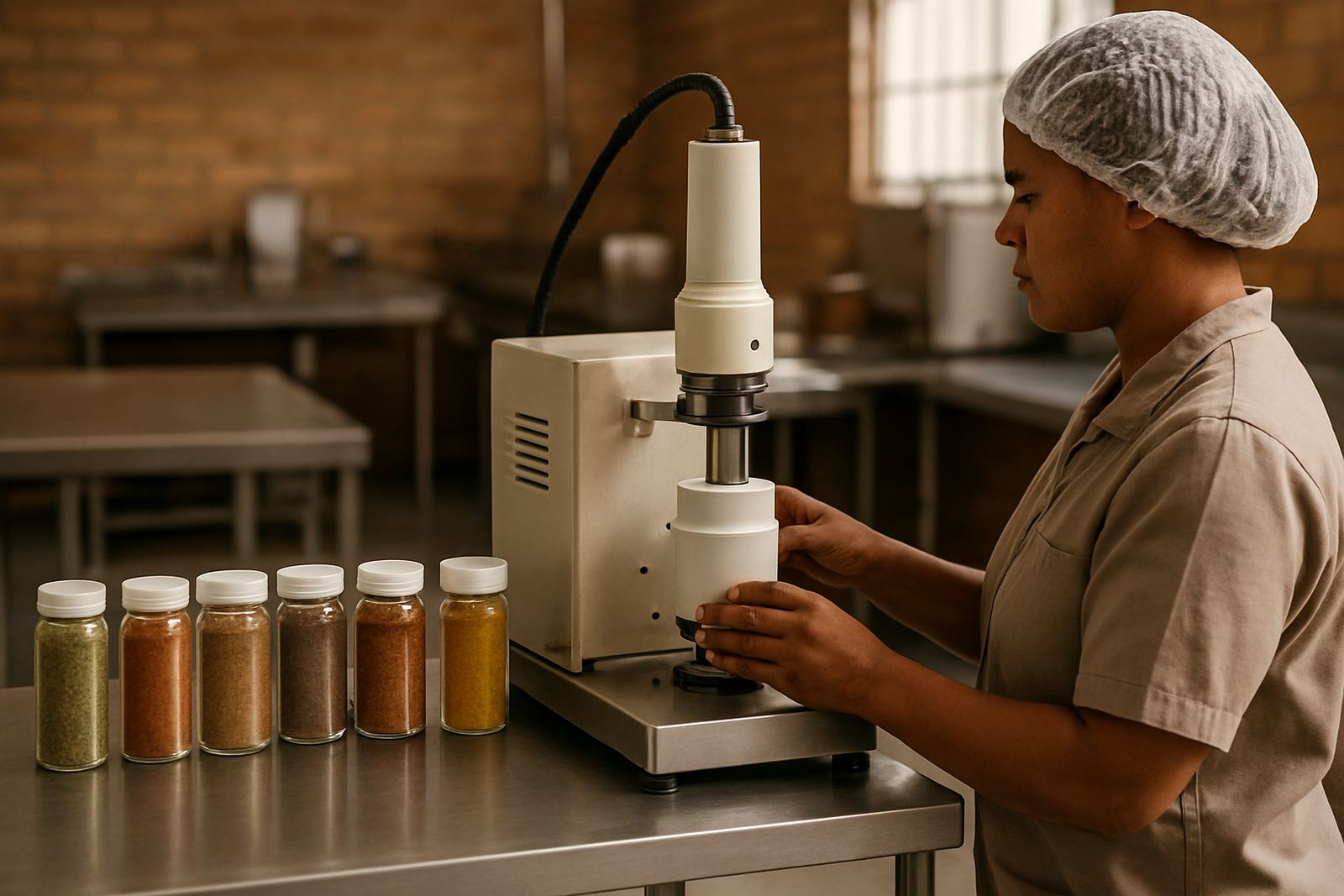
Trigger bottle sealers are usually selected by bottle diameter, line speed and the liner construction required. Small batch operations may only need a tabletop unit, while higher output plants in Pinetown, Prospecton or Richards Bay often need an inline head with controlled conveyor movement. The right choice depends on the seal diameter, container height and how the bottle is handled after filling.
Common sealing heads cover closures from about 20 mm up to 120 mm, with custom options for wider necks. Output varies by presentation and product, but many South African plants run between 20 and 120 bottles per minute on one head, depending on dwell time and conveyor speed. If you are sealing taller bottles or heavy trigger packs, the guide rails and head height should be adjusted to suit. Bottle shape matters too, especially where shoulders are narrow or the cap sits deep on the neck.
- Tabletop units for low volume or trial batches
- Inline heads for continuous production
- Single head and multi head options for higher throughput
- Custom guides for square, round and tall trigger bottles
Best uses in South African packing rooms
This product suits manufacturers that need a dependable seal before a trigger or pump closure is fitted. In food plants it is often used for sauces, concentrates and speciality liquids where spill control is important. In the chemical sector it helps protect cleaning liquids and treatment products. In pharmaceuticals and related health product packing, the emphasis is on tamper evidence, batch control and keeping the pack closed during distribution.
Because Durban and coastal KwaZulu-Natal can be humid, and because load-shedding still affects many sites, the sealing setup must cope with short interruptions and variable ambient conditions. A line that starts and stops often can still seal well if the head, conveyor and cap application are set properly, though the operator must keep an eye on alignment and dwell time. In some cases, a small change in cap torque or liner placement makes all the difference.
- Detergents, surface cleaners and sanitary products
- Food liquids, concentrates and flavour products
- Pharma related packs and health supplements
- Speciality chemical and industrial liquid packs
Installation, power and air requirements
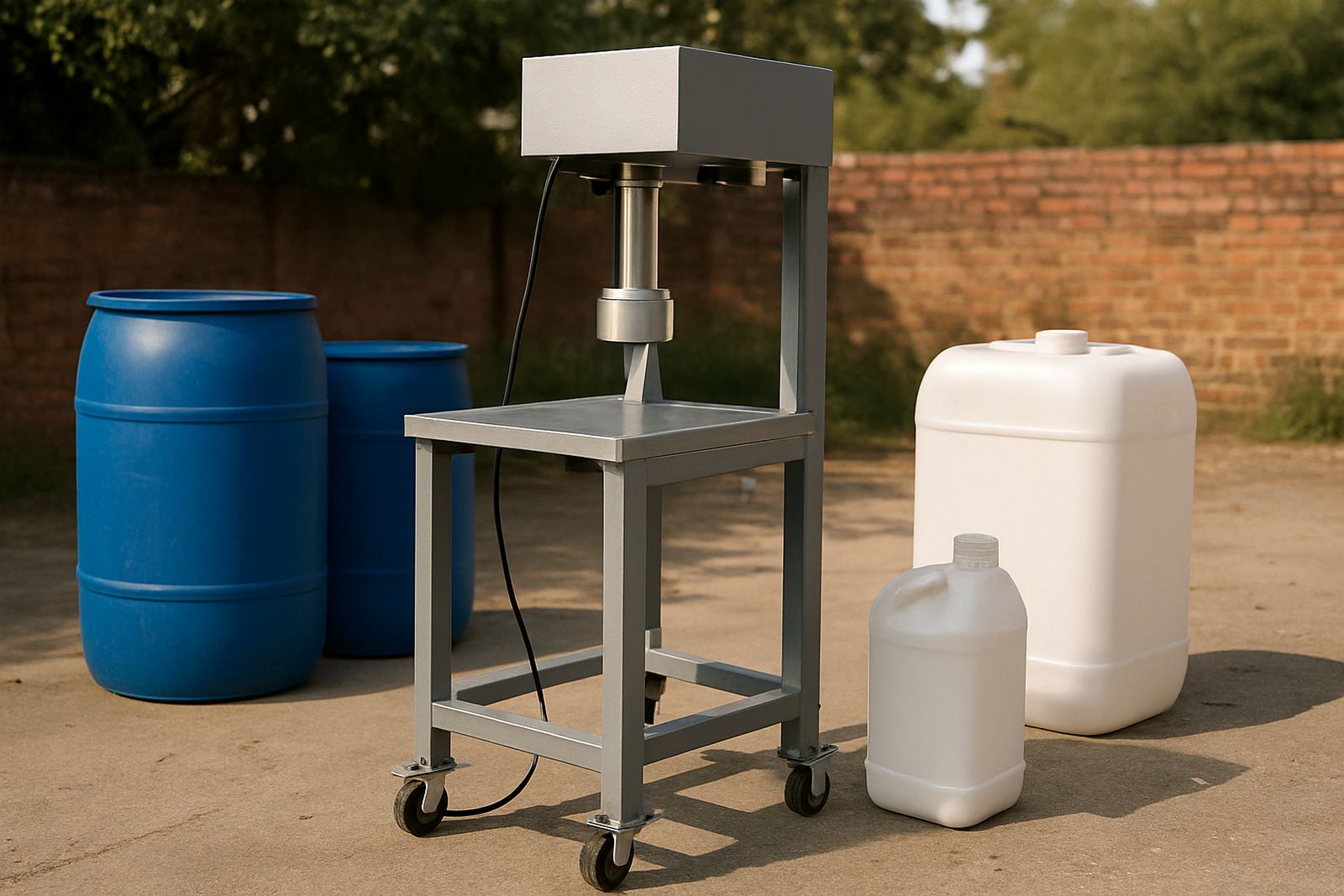
Most trigger bottle sealer installations are built into an existing filling and capping line, either as a stand alone station or as part of a conveyor system. The machine needs stable bottle presentation, correct head height and enough space for operators to load, inspect and clear the line. For new sites in Jacobs, Pinetown or Pietermaritzburg, installation normally includes setting the guide rails, confirming bottle flow and testing the seal with the actual liner and closure used on production.
Power requirements depend on the model, but many units run on standard 220V single phase supply, while some inline systems use 380V three phase. Air is only needed on certain automated arrangements, so it should be confirmed when ordering. Where the plant has frequent outages, it is worth checking changeover procedures and whether the machine settings are saved after power loss, because stopping mid shift can affect throughput and operator rhythm. It is also wise to confirm earthing and panel protection for sites near the coast where moisture levels are higher.
- Check line height, conveyor width and bottle spacing before install
- Confirm voltage, phase and breaker size
- Allow access for cleaning and routine head checks
- Plan for safe restart after load-shedding or plant stoppage
Care, servicing and seal quality checks
A trigger bottle sealer needs basic routine care to keep seal quality consistent. The sealing head should be kept clean and free of dust, liner fragments and product splash. Belts, guides and conveyor sensors should be checked regularly, especially where sticky products or fine powders are packed. On coastal sites, light corrosion can show up faster if the machine is not wiped down after washdowns or night shifts.
Seal quality should be checked with every product change and after any major maintenance. Operators must look at the liner position, cap torque and the condition of the bottle rim. If the bottle finish is chipped, damp or out of round, the seal may fail even if the machine is working properly. We also recommend preventive maintenance at set intervals, because small faults in the head or conveyor can become costly breakdowns if ignored. A simple monthly inspection can save a lot of trouble later, ngisho when the line looks fine at first glance.
- Clean the head and contact areas daily where needed
- Check liner fit after changeovers
- Inspect belts, sensors and bottle guides
- Test seals after maintenance and after power interruptions
What to confirm before you place an order
Before ordering, it helps to have the bottle drawing or a sample in hand. The most important details are neck finish, bottle material, closure type, fill temperature and expected line speed. If the bottle uses a trigger or pump closure with a deep neck, the sealing height and cap clearance must be checked carefully. For some packs, the liner material also needs to match the product, especially where there are oils, solvents or high moisture contents.
You should also confirm whether the line is manual, semi automatic or fully continuous, and whether the machine must fit into an existing conveyor run. If you are sealing in Durban, Richards Bay or inland towns with temperature swings, ask about how the pack behaves after sealing and cooling. A short sample test is often the best way to confirm the correct liner and setup before full production. That way there is less waste and fewer call backs later.
- Bottle diameter and neck finish
- Closure type, trigger or pump style
- Product type, fill temperature and chemical compatibility
- Target speed per minute
- Available power and floor space
- Whether you need installation, training or spare parts
Support from our Durban base to sites nationwide
Bottle Sealers operates from Jacobs, Durban and supports sealing lines across South Africa, including Pinetown, Prospecton, Pietermaritzburg and Richards Bay. Our team handles site installation, line commissioning, operator training, seal validation, preventive maintenance, breakdown repairs, spares supply, liner matching, line optimisation and remote support. That means the same supplier who helps select the equipment can also help keep it running once production starts.
For plants that cannot afford long downtime, quick fault finding matters. A trigger bottle sealer is only useful if the line stays productive, so support must be practical and timely. Whether the issue is a poor seal, a worn part or a mismatch between bottle and liner, the fix usually starts with proper checks on the line itself. Speak to the team if you need a setup that fits your pack and your production schedule.
- Base: Jacobs, Durban
- Contact: our contact form
- Service areas include KZN and nationwide lines
Key facts
| Product type | Induction cap sealer for bottles fitted with trigger or pump closures |
|---|---|
| Typical neck size range | About 20 mm to 120 mm, depending on head and liner |
| Line format | Tabletop, semi automatic or inline conveyor systems |
| Output range | Around 20 to 120 bottles per minute, setup dependent |
| Power supply | 220V single phase or 380V three phase, model dependent |
| Support options | Installation, training, validation, maintenance and repairs |