A compact entry conveyor for continuous sealing
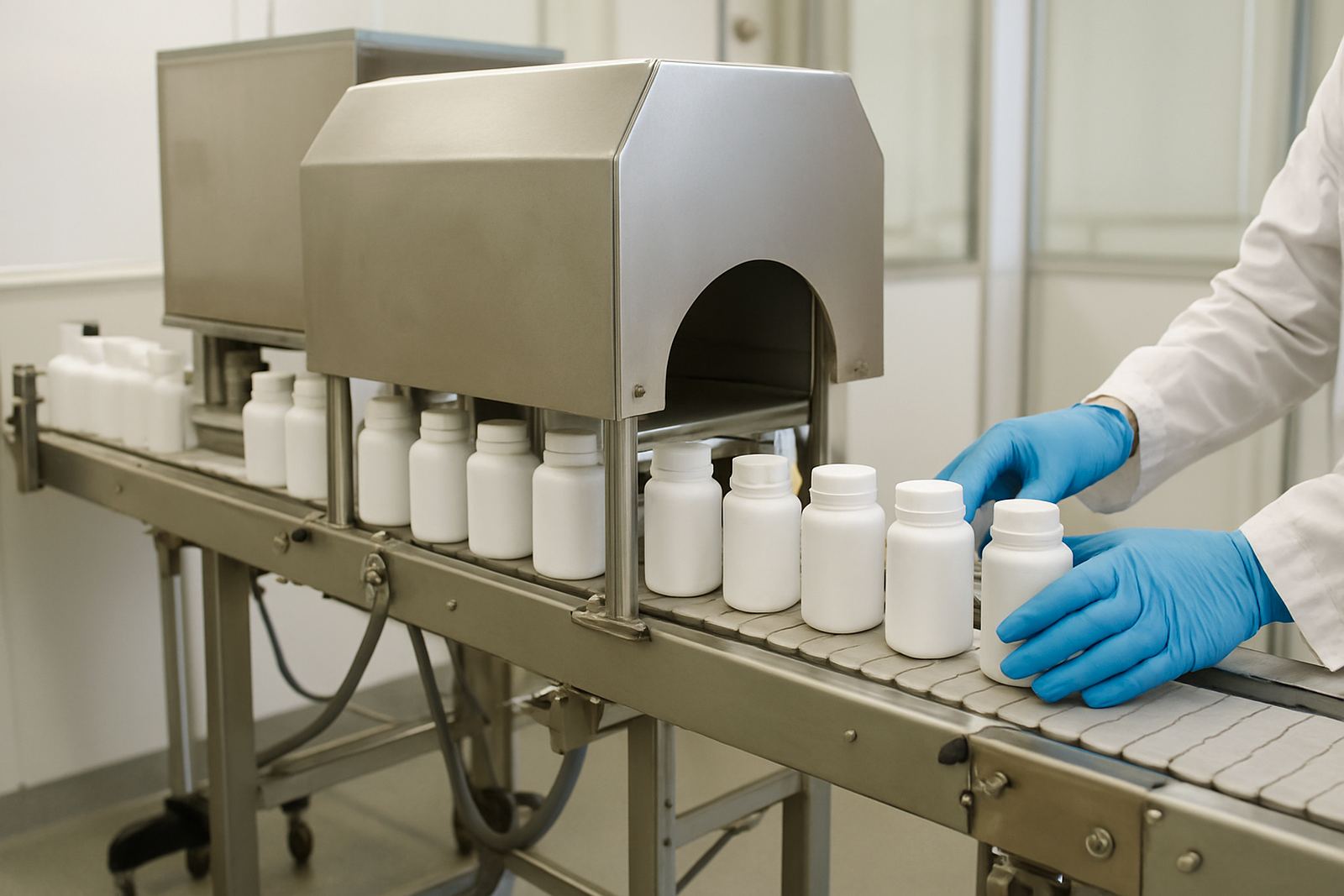
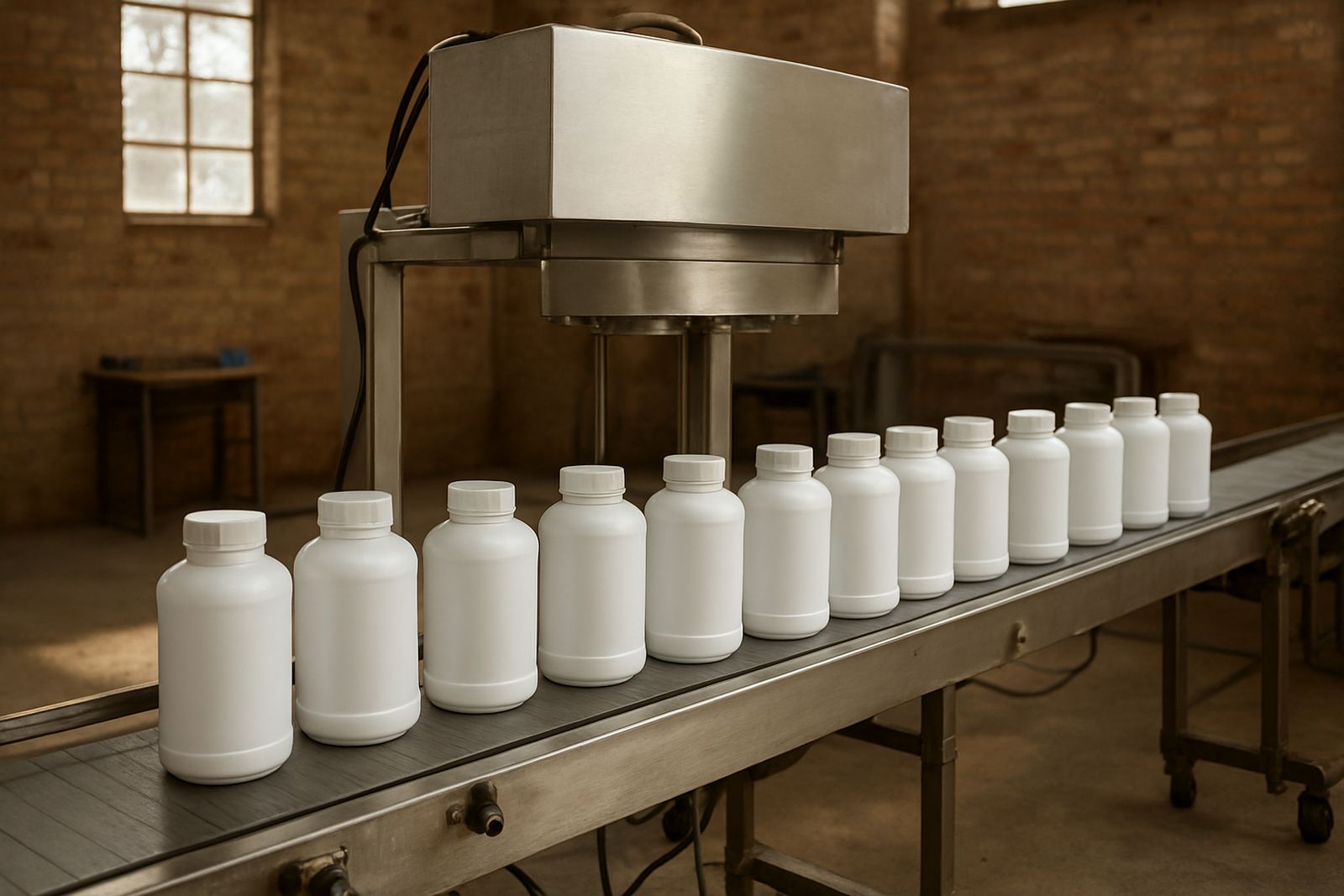
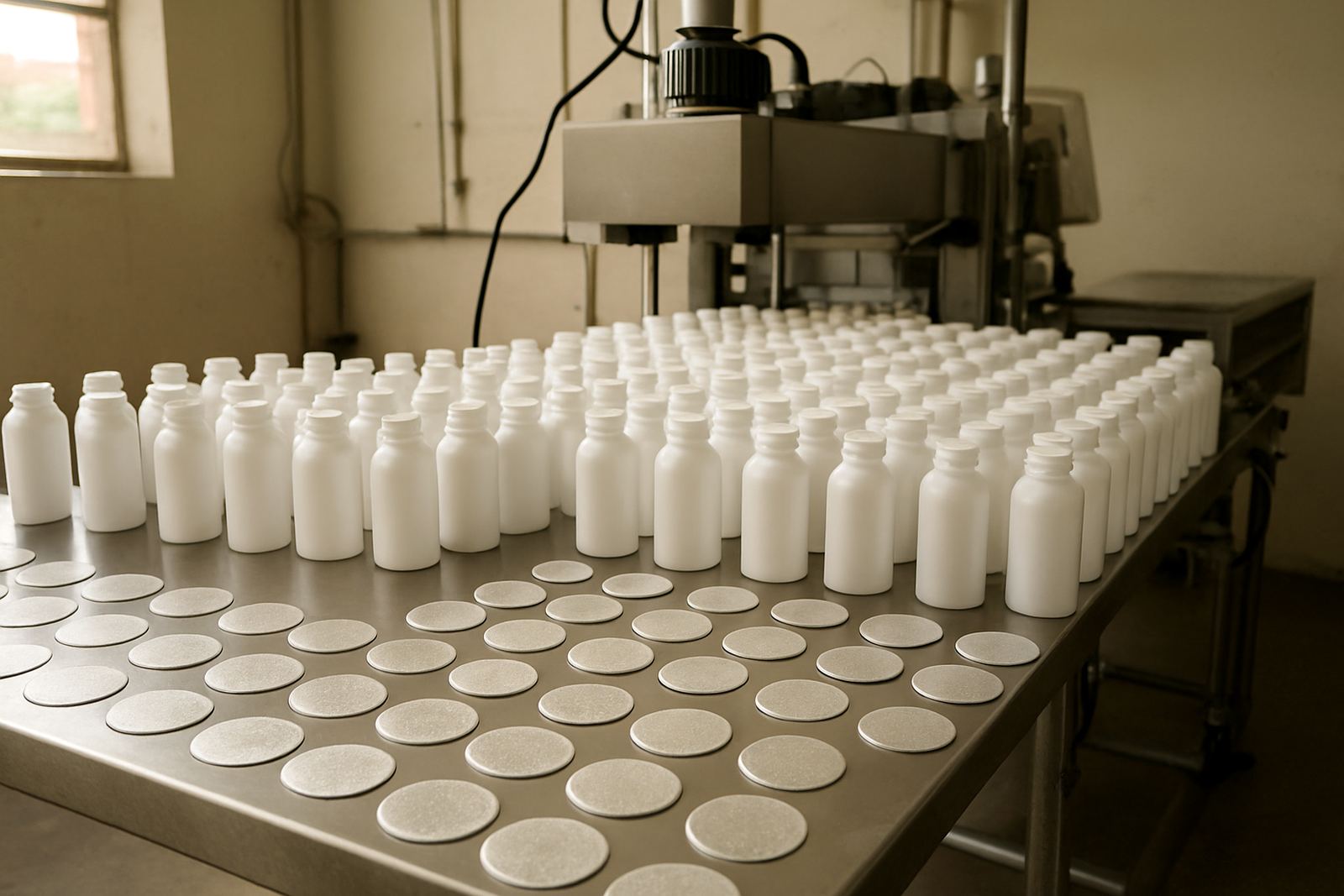
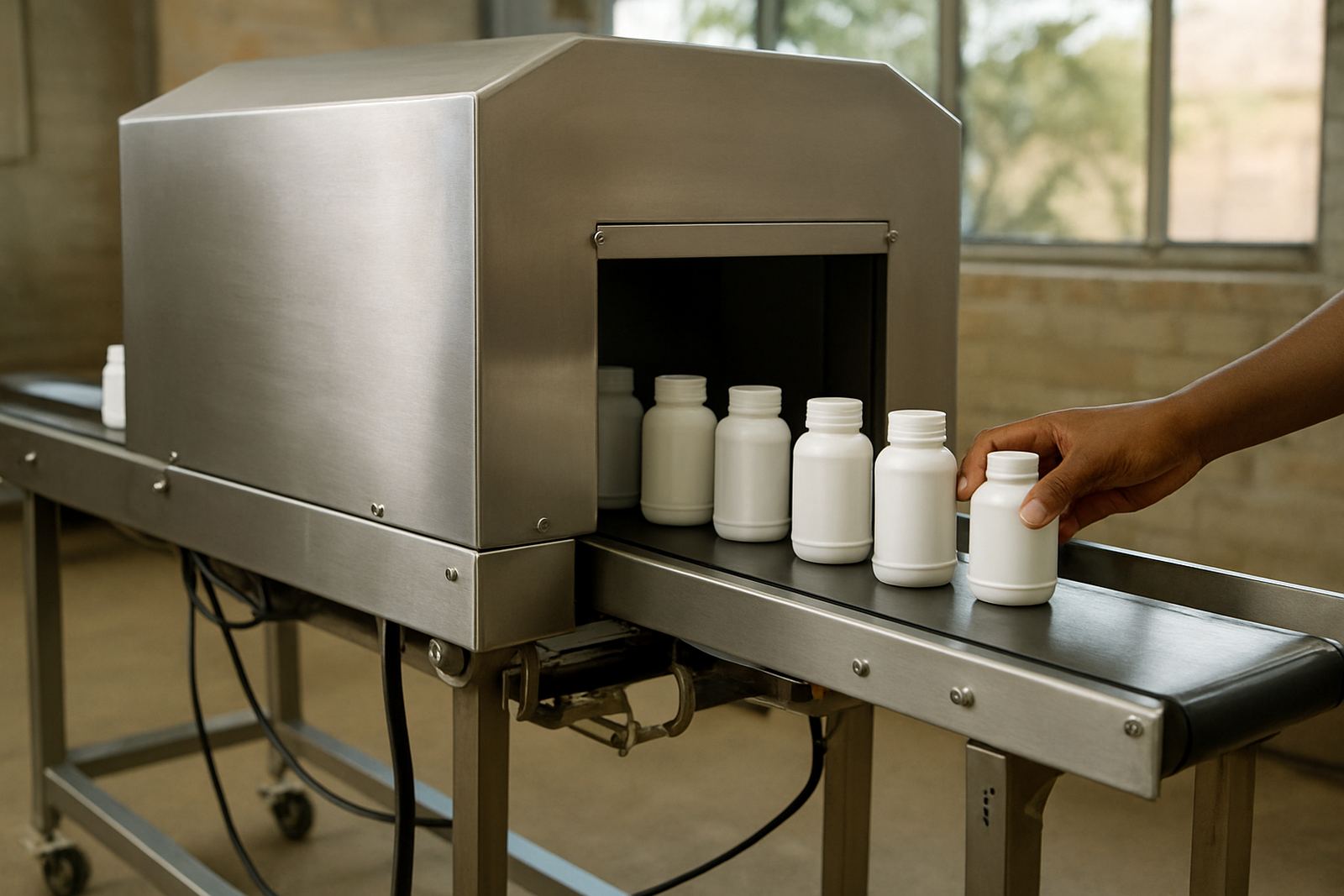
This tabletop conveyor sealer feeds filled containers past an induction sealing head so each cap liner is heated consistently and sealed while the pack moves through the line. It is a practical choice where hand sealing slows production or creates uneven results, especially on short runs and mixed product shifts.
Because the unit sits on an existing table or small frame, it works well in tight packing rooms in Jacobs, Pinetown and Pietermaritzburg where floor space is limited. It also helps plants that run different bottle sizes during the day and need a sealer that can be adjusted quickly without complicated set-up.
- Continuous sealing for plastic or glass containers with foil liners
- Suitable for standard caps on small to medium production volumes
- Compact footprint for packing rooms with limited space
- Simple controls for operators who need fast daily start-up
Sizes, configurations and line fit
Tabletop conveyor sealers are usually supplied with a belt width, head height range and conveyor length matched to the container size and line speed you need. We supply options for narrow containers, wider jars and a choice of conveyor lengths so the machine can sit comfortably in front of a capper or after a filler and capper combination.
Typical options include adjustable guide rails, stainless steel contact parts for easier washdown, and a head bracket that can be set for different cap heights. For Durban and coastal sites, stainless hardware is useful where humidity and regular cleaning can affect mild steel parts over time. If your line changes often, ask for a wider adjustment range so you are not constantly resetting the unit.
- Conveyor width matched to container diameter and stability
- Adjustable seal head height for different cap sizes
- Optional guide rails for better bottle control
- Stainless steel contact areas available for damp or hygienic areas
Where this sealer suits best
This model suits firms that need dependable sealing on compact lines rather than high speed mass production. It is commonly used in pharmaceutical packing rooms, food bottling areas and chemical filling lines where seal integrity is important and the product range changes often.
In Durban, Richards Bay and Prospecton it is a good fit for sites dealing with heat, humidity and shift-based production. It also works well for contract packers and smaller manufacturers that want one machine to cover several pack sizes. If you run tamper-sensitive products or shelf-stable liquids, a correct induction seal helps reduce leakage, contamination and returns.
- Pharmaceutical bottles and supplement packs
- Sauces, oils, powders and dry goods in suitable containers
- Detergents, cleaners and industrial liquids
- Short to medium batch production with frequent changeovers
Installation, power and line connection
Installation is usually straightforward, but the sealer must be aligned properly with the conveyor and capper so each container passes under the head at the right height. On a new line we check container stability, belt speed, liner type and cap torque before commissioning. That saves time later and avoids poor seals caused by misalignment or loose caps.
Most units run on standard single phase or three phase supply depending on the specification chosen. The exact power requirement depends on the machine size, seal head rating and conveyor motor setup, so it is worth confirming this before ordering. If your site sees load-shedding or voltage dips, discuss a suitable protection setup with your electrician, because unstable supply can interrupt production and affect repeatability.
- Needs level placement and correct infeed and outfeed height
- Electrical supply to be confirmed against the final machine spec
- Best results come from matched caps, liners and bottle neck finish
- Can be commissioned on-site with operator handover
Care, cleaning and planned servicing
Routine care is simple. Keep the conveyor clean, check the guide rails, and make sure the seal head area is free of dust, product residue and loose liner material. In food and chemical plants, daily wipe-downs help stop build-up that can affect bottle flow or cause contamination around the cap area. If the unit is in a humid coastal building, inspect fasteners and moving parts regularly.
Preventive maintenance should include belt inspection, motor checks, alignment review and a test of seal performance against the current container and liner. If seals begin to vary, it is often due to worn liners, wrong cap fit, or a change in line speed rather than the sealer itself. Keeping spare parts on hand, such as belts, sensors and wear items, reduces down time when a fault does happen.
- Daily cleaning around the conveyor and seal head
- Weekly checks on alignment, belt wear and fasteners
- Periodic seal validation for regulated products
- Service plans available for planned maintenance and breakdown support
What to check before you place an order
Before you order, confirm the bottle material, neck size, cap type and liner specification. The sealer must suit the closure and the product, because not every foil liner performs the same on every neck finish. You should also confirm your expected line speed, container height range and whether the line will run one size or several sizes in a shift.
It helps to share photos of the container, cap and current filling line layout, plus any special conditions such as hot-fill products, corrosive chemicals or a wet washdown area. That allows the correct sealing head, conveyor setup and spare parts list to be selected the first time. If needed, we can assist with liner matching, line optimisation and operator training after installation.
- Container material and neck finish
- Cap size, liner type and product compatibility
- Line speed, conveyor height and available space
- Power supply and site conditions, including humidity or washdown exposure
Key facts
| Machine type | Tabletop conveyor induction sealer |
|---|---|
| Use | Continuous sealing on compact filling lines |
| Container range | Small to medium bottles and jars, subject to neck and cap fit |
| Construction | Conveyor frame with adjustable seal head and guide rails |
| Power | Single phase or three phase depending on specification |
| Support | Installation, commissioning, training, maintenance and breakdown repairs nationwide |