What a one-piece induction liner does on your line
A one-piece induction liner is a single sealing insert that sits inside the closure and bonds to the bottle mouth when it passes under an induction sealing head. Once sealed, the liner stays in the cap or can be removed with the cap depending on the bottle finish and cap style. It gives a clear tamper-evident closure that helps protect product quality during storage, transport and retail handling.
These liners are used where buyers need a visible sign that a container has not been opened. That matters for pharmaceutical liquids, health products, food sauces, powders, detergents and general chemical products. In Durban and Richards Bay, where heat and humidity can affect packaging, a properly matched liner helps reduce leakage and complaints from the shop floor or the warehouse.
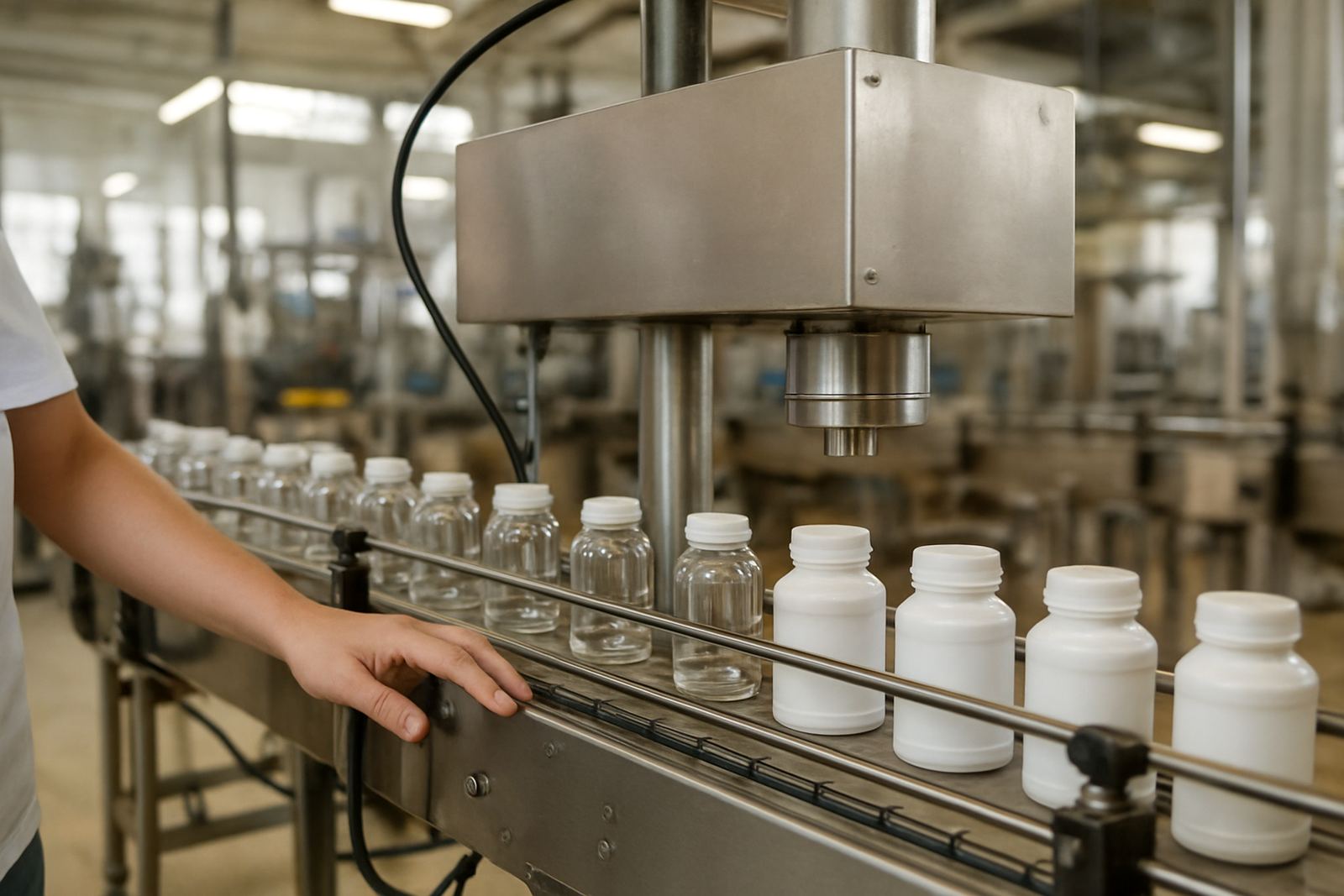
One-piece liners are a practical choice for operations that want simple sealing without added parts or extra handling. They suit manual packing rooms as well as faster filling lines, provided the cap and seal head are matched correctly. If your line already uses induction sealing, the liner type must fit the closure profile and the bottle finish so the seal forms evenly across the mouth.
Sizes, materials and common closure options
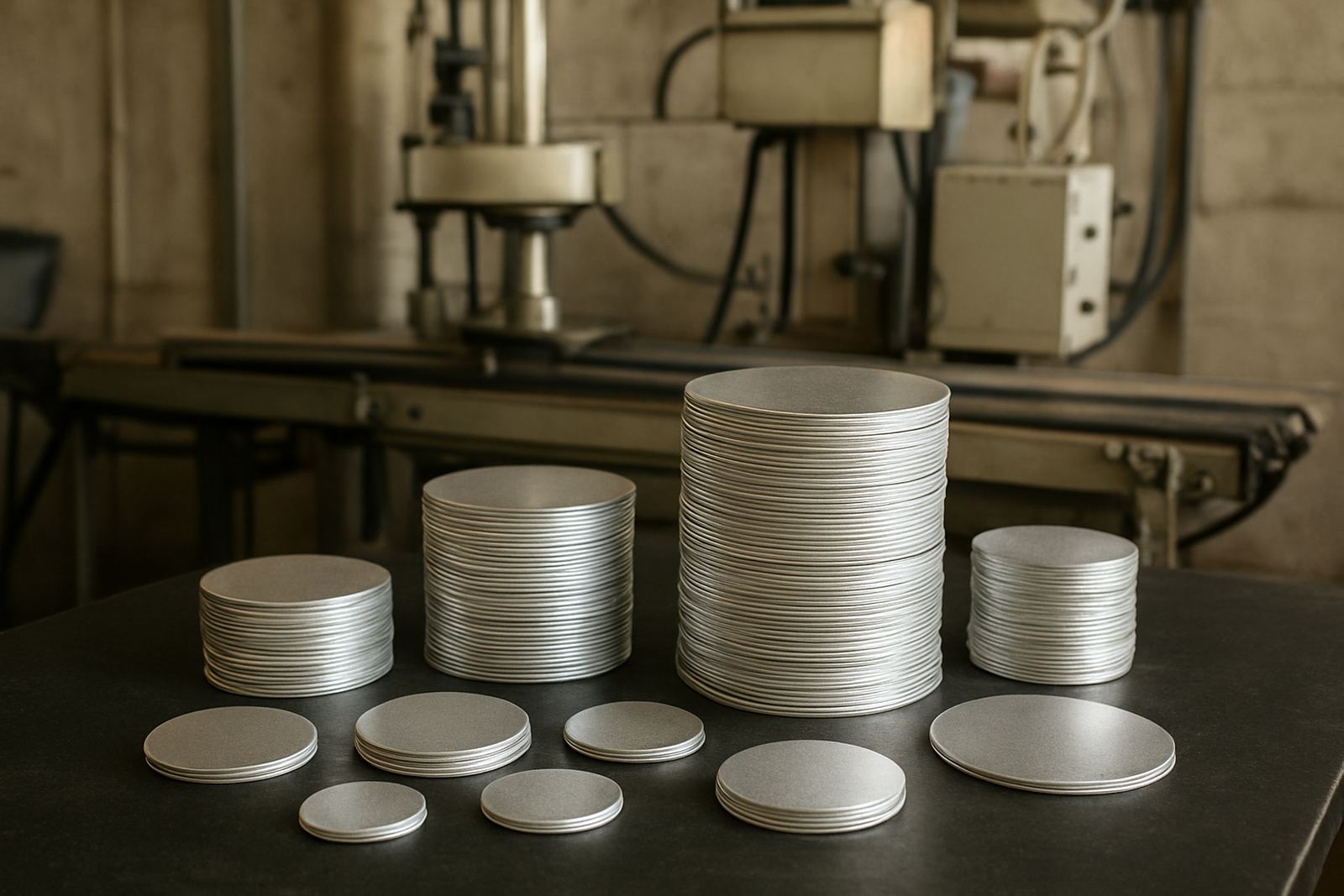
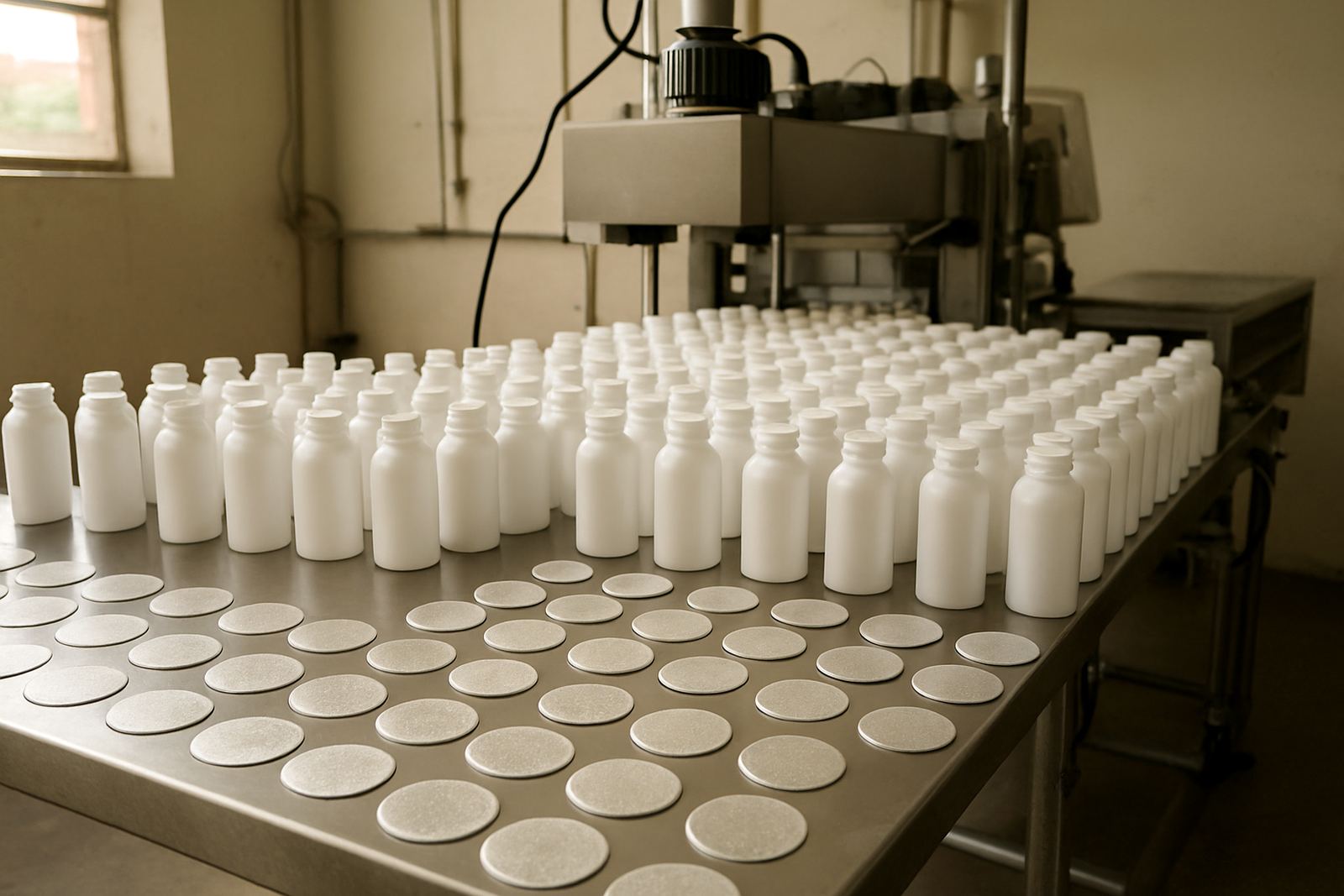
We supply one-piece liners in sizes to suit the bottle opening and cap diameter you are working with. The correct liner must cover the land area of the container mouth and match the sealing method used on your line. Most customers order liners for common round bottles, jars and certain shaped containers, with custom matching done where needed.
- Typical cap sizes: 20 mm, 28 mm, 38 mm, 45 mm, 55 mm and larger on request
- Common bottle types: PET, HDPE, PP, glass and coated containers
- Seal formats: heat-induction liners for tamper evidence and product protection
- Application types: dry products, liquids, creams, tablets and chemical fills
- Order formats: standard packed cartons or production-specific bulk supply
The liner construction can vary by product needs. Some applications need a stronger bond for thin liquids, while others need a more controlled peel for products that are opened and closed often. For food and pharmaceutical packing, the sealing face must be consistent and free from contamination. For chemical lines, resistance to the product and container material matters just as much as seal strength.
We help match liner dimensions to the closure insert and container finish before supply, because the wrong size can cause poor bonding, curling or partial seals. If the cap thread is shallow or the bottle neck has an unusual profile, measurements should be checked before you place the order.
Where one-piece liners work best in South African packing plants
One-piece liners are widely used in plants that need dependable sealing with straightforward handling. They are a good fit for production that must keep pace without adding complexity at the filling point. In KwaZulu-Natal, many packers use them for products moving between Jacobs, Pinetown, Prospecton and Pietermaritzburg, where distribution conditions can include warm trucks, coastal moisture and stop-start loading.
These liners suit operations where the container must stay closed through warehousing, courier handling and retail shelf movement. They are also useful where municipal or customer compliance calls for tamper evidence and cleaner presentation. If your product is sold through pharmacies, wholesalers or export channels, the seal can support traceability and customer confidence.
- Pharmaceutical liquids and supplement products
- Edible oils, sauces, flavourings and dry food ingredients
- Household cleaners, detergents and refills
- Industrial chemicals and maintenance fluids
- Short-run contract packing and multi-product filling rooms
For operations near the coast, storage conditions matter. Hot pack rooms and humid stores can affect liner performance if cartons are opened and left exposed for too long. Keeping liners in a clean, dry area and rotating stock by batch helps avoid problems at the sealer head and on the line.
Installation, sealing heads and power requirements
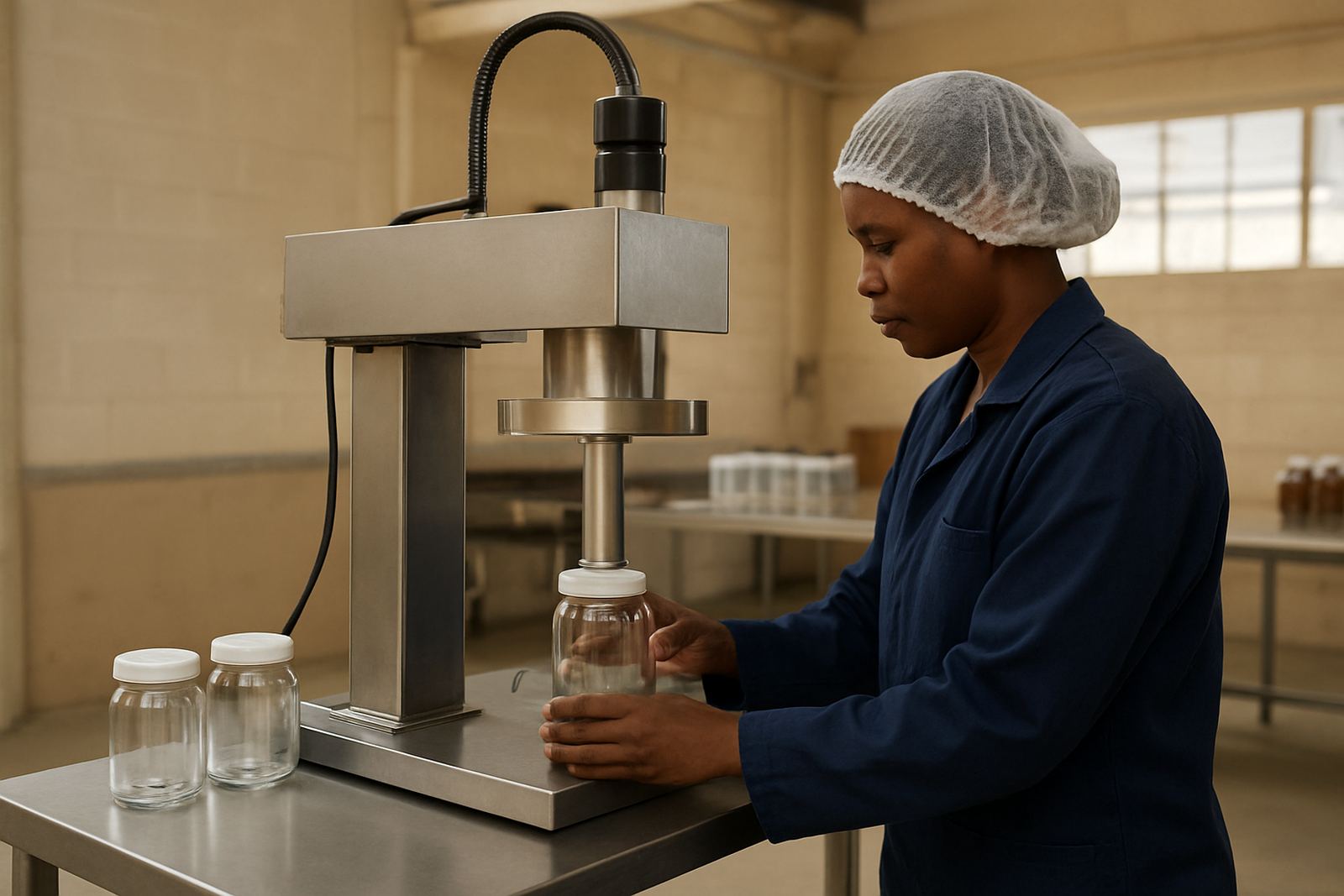
One-piece liners work with induction cap sealing equipment that creates the heat needed to bond the liner to the bottle finish. The cap is applied first, then the container passes under the induction head. Correct dwell time, conveyor speed and head height are all important. If any of these are off, the seal may be weak on one side or fail to bond fully.
Most systems run on standard single-phase or three-phase electrical supply depending on the machine size and line speed. The actual need depends on the sealing head and the throughput of the line. In areas where load-shedding is still a factor, many plants use proper power backup or controlled shutdown procedures so the machine does not stop mid-cycle and waste product.
- Check the bottle neck finish before setup
- Set the cap torque correctly so the liner seats flat
- Confirm conveyor height and speed before production starts
- Keep the induction head aligned to the centre of the cap
- Allow for clean, dry cap interiors with no product splash
We install, commission and validate sealing lines nationwide, and we also help with line optimisation when production is not getting the seal strength you need. For plants in Durban, Richards Bay and inland sites, we can work around scheduled maintenance windows and factory shifts so downtime stays low.
How to care for liners and keep seals consistent
One-piece liners do not need complicated servicing, but they do need the right handling. Moisture, dust and rough storage can affect how cleanly the liner bonds. Keep cartons closed until use and store them off the floor in a dry area away from direct sun. If you are close to the coast, this matters even more because humidity can change how the liner behaves in the cap during packing.
On the equipment side, the induction head should be checked for wear, alignment and output consistency. Operators should watch for common signs of trouble such as lifted edges, incomplete seals, scorch marks or bottles that leak after capping. Those signs usually point to a setup issue, a worn part or the wrong liner specification rather than a problem with the product itself.
- Keep liners sealed in their cartons until needed
- Avoid touching the sealing face with bare hands
- Check cap torque and liner seating during start-up
- Clean product residue from the cap area quickly
- Log seal failures by time, shift and batch number
Our team provides preventive maintenance, breakdown repairs and remote support when a line is not sealing as expected. That includes checking head output, conveyor settings and liner compatibility, plus replacing worn parts before they cause repeated stoppages. A small adjustment early on often saves a lot of rework later.
What to check before you place an order
The best liner choice depends on the bottle, the closure and the product inside. Before you order, gather the key measurements and product details so the liner can be matched correctly. If you can, send photos of the bottle mouth, the cap interior and the filled product because that helps avoid guesswork and unnecessary trial runs.
Have the following ready:
- Bottle material, neck finish and mouth diameter
- Cap type, thread style and internal recess depth
- Product type, fill temperature and whether the contents are liquid, powder or cream
- Required seal strength and whether the seal must be peelable or more secure
- Line speed and the induction sealing equipment in use
- Storage and distribution conditions, especially heat or humidity exposure
If you are sealing a new pack or switching from another liner, ask for a trial match before full production. That is especially useful on pharmaceutical and chemical products where leakage or a weak bond is not acceptable. Bottle Sealers works from Jacobs in Durban and supports sites in Pinetown, Prospecton, Pietermaritzburg, Richards Bay and other areas nationwide. We also assist with liner matching, operator training and seal validation so the line is set up properly from the start.
Key facts
| Product type | One-piece induction liner for tamper-evident bottle sealing |
|---|---|
| Suitable containers | PET, HDPE, PP, glass and coated bottles or jars |
| Common sizes | 20 mm to 55 mm, with larger sizes available on request |
| Applications | Pharmaceutical, food, chemical and household product packing |
| Sealing method | Induction heat sealing through a compatible capper and sealing head |
| Support available | Installation, commissioning, training, validation and maintenance nationwide |