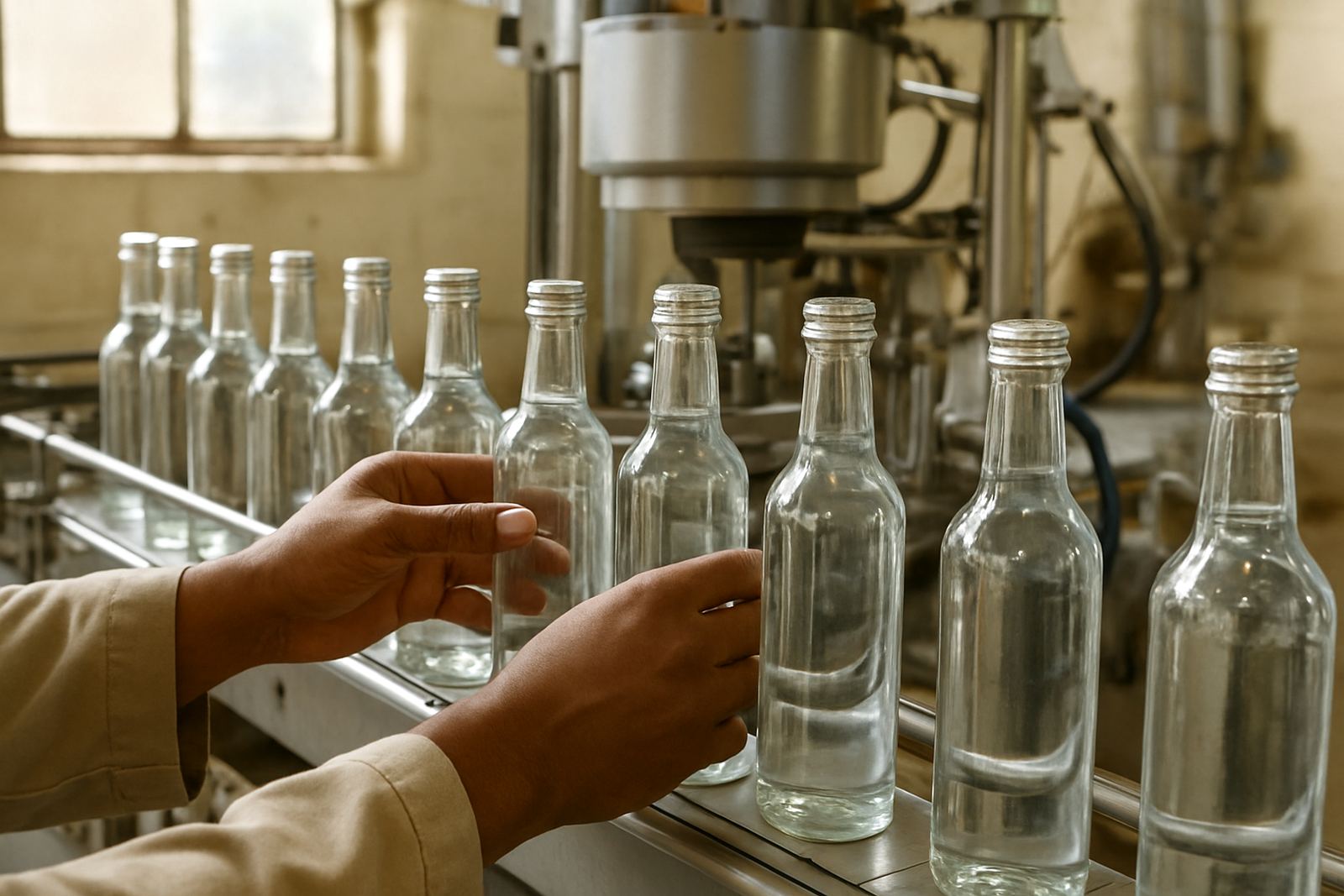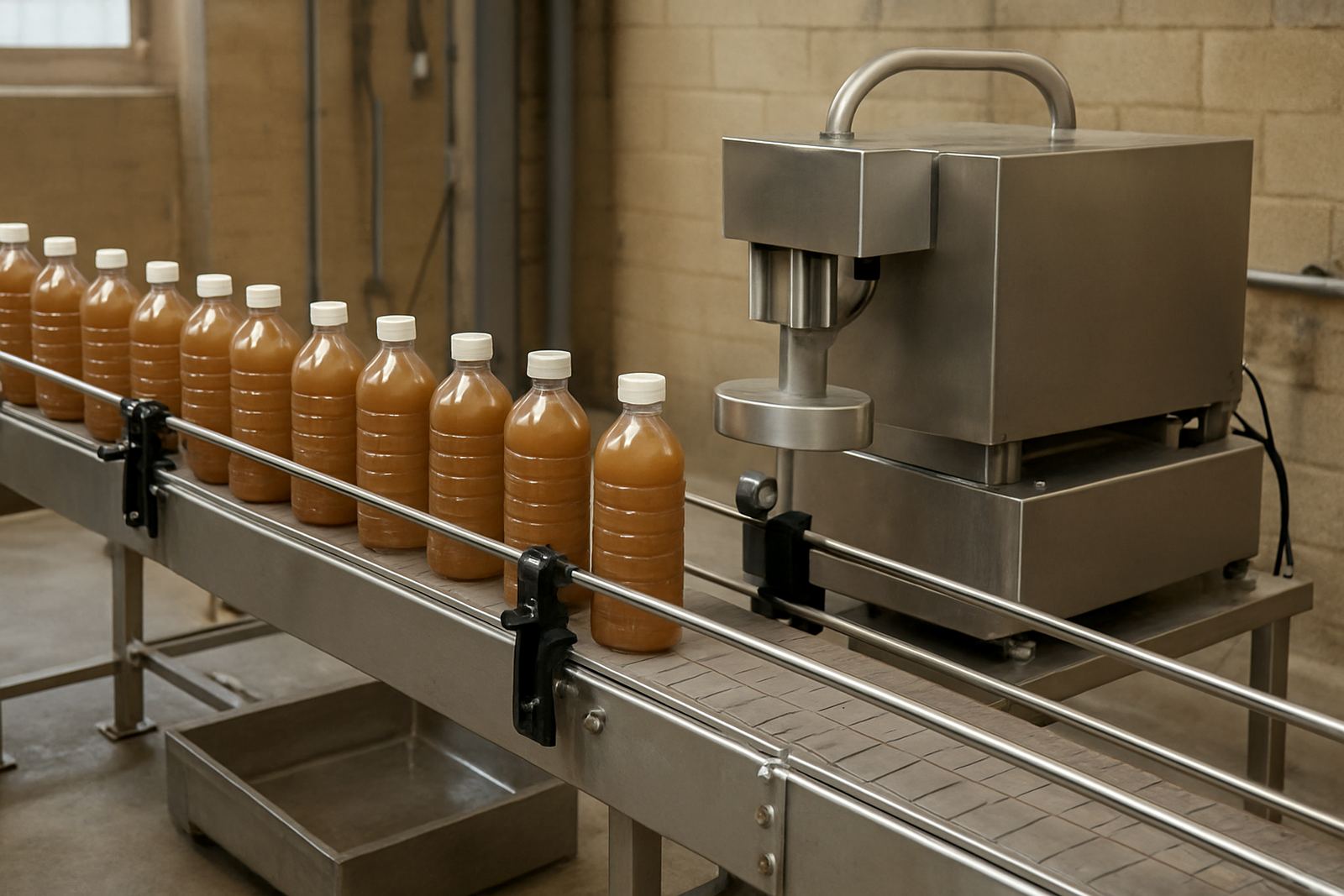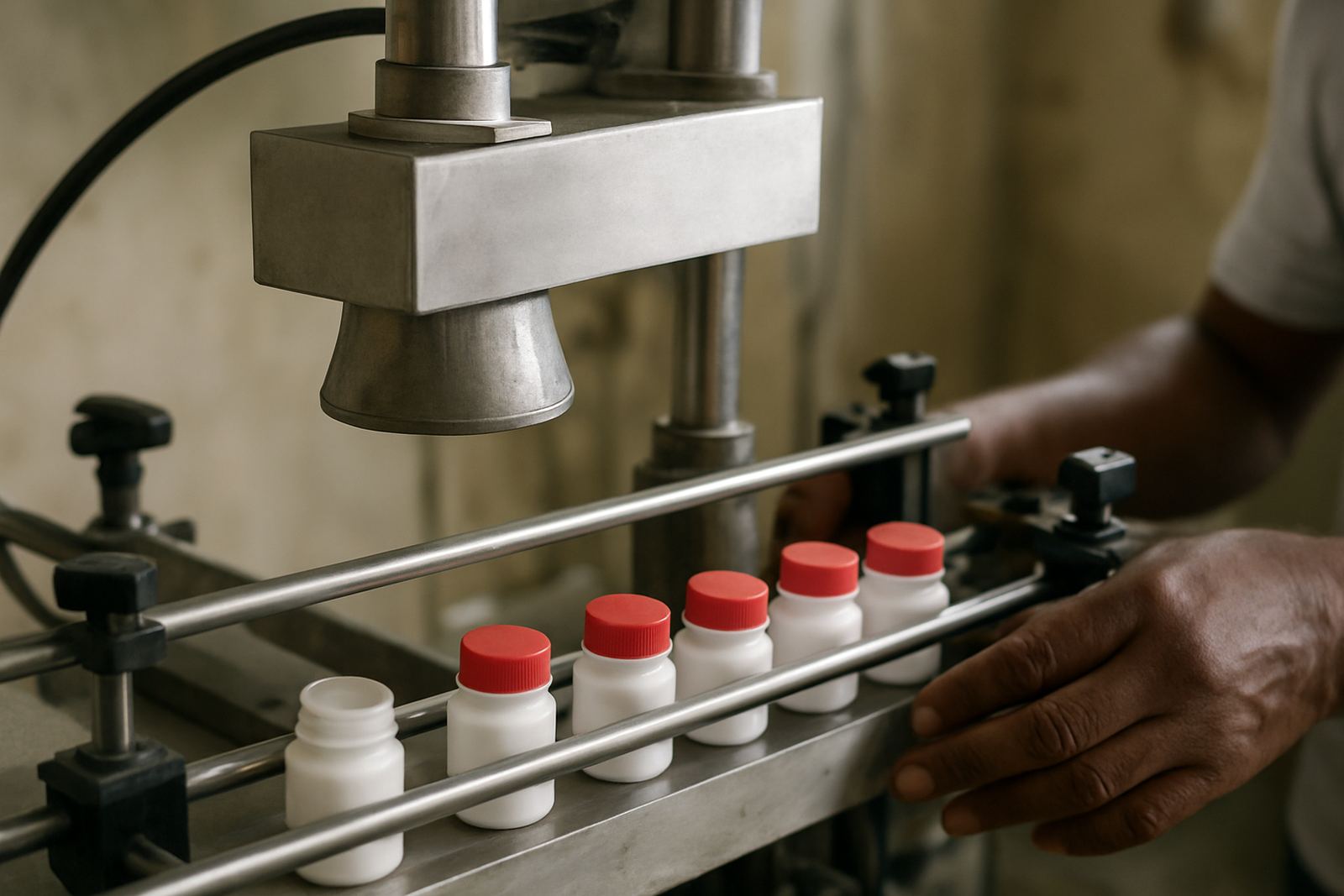
What a Small Cap Sealer Does on the Line
A small cap sealer uses electromagnetic induction to heat a foil liner inside the cap, forming a seal across the bottle mouth without touching the product. It is a practical choice for small diameter closures on packs that need a neat finish, tamper evidence and better resistance to leaks during storage and transport.
These units are commonly fitted after filling and capping, then set to the right head height and sealing time for the exact cap and liner combination. On busy lines in Jacobs, Pinetown and Prospecton, that repeatable setup helps reduce rework and keeps changeovers manageable even when shifts are running under load-shedding schedules.
Sizes, Heads and Output Options
Small cap sealing equipment is usually selected by cap size, container height and line speed. Bottle Sealers supplies units suited to compact closures, with options for continuous conveyor use or semi automatic line integration depending on your pack format and production target.
- Cap sizes typically suited to small neck finishes from about 13 mm to 30 mm
- Single head and compact tunnel style options for lower to mid volume lines
- Adjustable head height for different bottle formats
- Air cooled or fan assisted units for stable operation in warm plant rooms
- Settings for foil liners matched to PE, PP, PET and glass containers
For smaller batches, a tabletop arrangement may be enough. For fuller production runs in Durban or Pietermaritzburg, a conveyor mounted unit gives better pace and easier handling when the line is already carrying filling, capping and labelling equipment.
Where It Suits Best in South African Production
This unit suits product lines where cap size is small and seal quality must stay consistent. It is often used on pharmaceutical syrup bottles, eye wash packs, diagnostic liquids, laboratory reagents, essential oils, speciality chemicals and smaller food containers such as concentrates and sachets in bottles.
It also helps where packs travel long distances by road or by coastal freight, since a proper induction seal reduces the chance of leaks caused by vibration, heat and pressure changes. In Richards Bay and other humid coastal areas, the right liner match matters too, because moisture can affect closure performance if the materials are not selected correctly.
- Pharmaceutical and health products
- Laboratory and diagnostic packs
- Food additives, syrups and concentrates
- Chemical and personal care products
Installation, Power and Plant Requirements
Installation needs depend on whether the unit is supplied for a bench top setup or added into a line. The machine should sit on a stable surface or frame, with enough space for cap transfer, bottle spacing and access to the head for cleaning and adjustment. Our team installs and commissions sealing lines nationwide, with local support from Jacobs, Durban and service reach into Pinetown, Prospecton, Pietermaritzburg and Richards Bay.
Most small cap sealers run on standard single phase or three phase electrical supply depending on model and output. A clean, dry power feed is important, especially where generators or inverter systems are used during outages. If the plant has unstable voltage, that needs to be checked before final handover, otherwise sealing performance can wander a bit from one shift to the next.
- Electrical supply matched to the selected model
- Clear access for container flow in and out of the sealing point
- Suitable earthing and stable voltage supply
- Dry, dust controlled area with no direct water spray
- Provision for extraction or cooling where heat builds up
Care, Cleaning and Preventive Servicing
A small cap sealer works best when the head, conveyor path and surrounding fittings are kept clean. Dust, foil residue and product spill can affect consistency, so routine wipe downs and basic inspections should form part of the shift close routine. This is especially important on pharmaceutical and chemical lines where cleanliness and traceability are part of day to day compliance.
Preventive maintenance should include checking head alignment, belt condition, fasteners, cable condition and cooling airflow. If the line shows weak seals, burnt liners or uneven bonding, the fault may be in the liner spec, cap torque or head settings rather than the machine itself. Our service team handles breakdown repairs, seal validation, remote support and line optimisation when the line needs a bit of tuning.
- Clean sealing head and conveyor area regularly
- Check liner condition and cap torque during changeover
- Inspect power cables, switches and cooling paths
- Schedule preventive maintenance before peak production periods
What to Check Before You Order
Before ordering, confirm the cap diameter, bottle neck finish, container material and target pack speed. You should also know whether the product contains powders, liquids or solvents, because the liner material and sealing time can change depending on the contents. If you are sealing multiple pack sizes, list each one so the correct head and settings can be matched up front.
It helps to share sample caps, bottles and a few filled units for testing. That lets us confirm liner compatibility and make sure the seal holds under normal handling and distribution. We also look at whether the line will run with one product or several, because a busy site in Durban may need faster changeover than a smaller lab in Pietermaritzburg. Tell us if you need spares, operator training or onsite commissioning, and we can plan it into the supply.
- Cap diameter and closure style
- Bottle material and neck finish
- Product type and fill temperature
- Target output per hour
- Available power supply and layout space
- Any compliance or validation needs
Key facts
| Seal type | Induction foil seal for small diameter caps |
|---|---|
| Typical cap range | About 13 mm to 30 mm |
| Container types | Plastic and glass bottles, selected packs |
| Power | Model dependent, single phase or three phase |
| Output | Matched to line speed and pack size |
| Support | Installation, commissioning, training and servicing nationwide |